Source Outdoor LED Conical Lamp Post for Highway, Street, and Garden
Find 30 options for the Outdoor LED Conical Lamp Post suitable for highway, street, and garden applications. Compare specifications including heights from 3m to 45m, materials like steel and iron, and surface treatments such as hot-dip galvanizing to find the right fit for your project.
Key considerations
Products List


Steel Lamp Post Galvanized 6-12m Conical Cheap and Safe Street Light Post
$64.00 - $65.00
MOQ: 100 Sets


Classical Style Outdoor Street Lamp Post Garden Light Pole Decorative Waterproof Lamp Post
$100.00 - $200.00
MOQ: 10 Pieces

Customized Street Light Pole Waterproof Outdoor Garden Decorative Lamp Post
$100.00 - $200.00
MOQ: 10 Pieces


Waterproof LED Lamp Post for Parking Lot Garden and Public Area Lighting
$58.00 - $78.00
MOQ: 10 Pieces

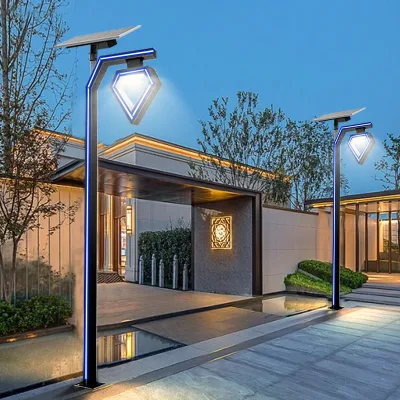
Elegant Curved Street Light Pole Modern Streamline Design LED Lamp Post
$58.00 - $128.00
MOQ: 20 Pieces


Comprehensive Sourcing Guide
Outdoor LED Conical Lamp Post Sourcing Guide
Sourcing outdoor LED conical lamp posts requires a disciplined approach that balances structural integrity with optical performance. These fixtures are ubiquitous in municipal infrastructure, commercial plazas, and highway corridors, serving as critical components for public safety and aesthetic urban planning. The conical design is not merely aesthetic; it offers superior wind resistance and structural stability compared to square or octagonal alternatives, making it the preferred choice for regions prone to high winds or severe weather conditions. Buyers must recognize that the "conical" descriptor refers to the pole’s geometry, while the "LED" component dictates the light source technology, which has largely replaced traditional high-pressure sodium or metal halide lamps due to energy efficiency and longevity.
The procurement landscape for these products is characterized by a wide variance in specifications, ranging from simple 3-meter residential poles to 45-meter highway mast arms. This diversity means that a single sourcing strategy rarely fits all projects. Procurement teams must segment their requirements based on application, such as distinguishing between a garden pathway light and a high-mast highway illuminator. Each category demands different material thicknesses, galvanizing standards, and electrical configurations. Understanding these distinctions early in the sourcing process prevents costly mismatches between the ordered product and the site’s engineering requirements, ensuring that the final installation meets both functional and regulatory expectations.
Product Scope and Observed Listing Signals
The current market for outdoor LED conical lamp posts exhibits a broad price range, typically observed between $17.8 and $400 USD, reflecting the vast difference in material quality, height, and integrated lighting components. This variance is driven primarily by the pole’s height, which can range from 3 meters to 45 meters, and the thickness of the steel or iron used in construction, often specified between 1.0mm and 10.0mm. Lower-priced items in this range usually correspond to shorter, thinner poles intended for residential or light commercial use, while the higher end of the spectrum covers heavy-duty highway poles with complex arm configurations and robust anti-corrosion treatments. Buyers should interpret these price points as indicators of structural capacity rather than absolute value, as customization and shipping costs can significantly alter the final landed cost.
Listing signals also reveal a high degree of customization availability, with many suppliers offering optional colors, arm configurations, and specific height adjustments. The standard product models often cited include 7-meter poles or irregular-shaped lamp posts, with weights ranging from 45kg to 200kg depending on the height and material density. Packaging methods vary from simple cotton packing to more protective bubble bags and blanket packaging, which is crucial for preventing damage during transit, especially for longer poles. Additionally, the presence of integrated LED light sources with specific attributes, such as a color temperature of pure white and an IP65 rating, suggests that many listings are for complete lighting systems rather than just the structural pole. Buyers must carefully distinguish between pole-only quotes and fully integrated luminaires to avoid budget overruns.
Technical Specifications to Verify
When evaluating technical specifications, the material composition and surface treatment are paramount for ensuring longevity in outdoor environments. The primary materials observed are steel and iron, with hot-dip galvanizing being the standard surface treatment to provide anti-rust protection. This process is critical for preventing corrosion, particularly in coastal or high-humidity areas, and should be verified through mill certificates or third-party testing reports. The conical shape is often paired with a wind resistance rating, with some specifications citing a capacity of up to 180km/h, which is essential for safety in storm-prone regions. Buyers must confirm that the galvanizing thickness and quality meet local municipal standards, as inferior coatings can lead to premature failure and increased maintenance costs.
Electrical and optical specifications are equally important, particularly when the product includes an integrated LED light source. Key parameters to verify include the IP rating, which should be at least IP65 to ensure protection against dust and water jets, and the operating temperature range, typically spanning from -20°C to 60°C. The LED components often feature a pure white color temperature and a beam angle of 120 degrees, providing wide-area illumination suitable for highways and streets. Additionally, the average life of the LED source, often cited around 5500 hours, and the luminous flux, such as 7200 lumens, determine the efficiency and brightness of the installation. Buyers should also check the voltage requirements, which are commonly 220V AC, and ensure compatibility with local grid infrastructure.
Compliance and Safety Documentation
Compliance with international and local standards is a non-negotiable aspect of sourcing outdoor lighting infrastructure. Certifications such as ISO, CE, CCC, and CQC are frequently listed, indicating that the manufacturer adheres to specific quality management and safety protocols. However, buyers must verify that these certifications are current and applicable to the specific product model being purchased, as generic certification claims do not guarantee compliance for every variant. The structural integrity of the pole must also align with relevant engineering standards, such as those governing wind load and seismic activity, which vary by region. Documentation should include structural calculation reports and wind tunnel test results for high-mast poles to ensure they can withstand extreme weather conditions without failure.
Safety documentation extends beyond structural integrity to include electrical safety and environmental compliance. The IP65 rating must be backed by independent test reports to confirm that the luminaire is truly dust-tight and protected against water ingress. Furthermore, buyers should request data sheets that detail the electromagnetic compatibility (EMC) of the LED driver to ensure it does not interfere with other electronic systems. Environmental regulations may also require compliance with RoHS or REACH standards, particularly regarding the materials used in the lamp body and the LED components. Ensuring that all safety and environmental documentation is complete and verifiable protects the buyer from liability and ensures that the installation meets municipal inspection requirements.
Cost Drivers and Commercial Terms
Several key factors drive the cost of outdoor LED conical lamp posts, with height, material thickness, and customization being the primary variables. Taller poles require more material and more complex manufacturing processes, such as rolling and welding, which increase production costs. Similarly, thicker steel walls, often specified up to 10.0mm for high-mast applications, add significant weight and material expense. Customization options, such as specific colors, plastic coatings, or unique arm configurations like single, double, or four-arm setups, also contribute to higher prices due to the additional labor and setup time required. Buyers should request detailed breakdowns of these costs to understand where the premium is being applied and to identify potential areas for cost optimization.
Commercial terms, including minimum order quantities (MOQ) and warranty provisions, play a crucial role in the total cost of ownership. MOQs can range from 1 piece to 100 pieces, offering flexibility for small projects but potentially limiting economies of scale for larger ones. Warranty periods are often cited as 20 years for the structural pole, reflecting confidence in the galvanizing and material quality, but buyers must clarify what this warranty covers, such as structural integrity versus cosmetic finish. Payment terms, lead times, and shipping costs are also significant components of the commercial agreement. Given the heavy nature of these products, logistics costs can be substantial, and buyers should negotiate freight terms carefully to avoid unexpected expenses. Clear definition of these terms ensures transparency and prevents disputes during the procurement process.
Supplier Qualification and Quality Control
Supplier qualification is the first line of defense against procurement risks, requiring a thorough assessment of the manufacturer’s capabilities and track record. Buyers should verify the supplier’s production capacity, quality control processes, and past performance on similar projects. Factories that produce both the pole and the LED luminaire may offer better integration and compatibility, but specialized suppliers might provide higher quality in their respective domains. It is essential to request references from previous clients, particularly those in municipal or large-scale commercial projects, to validate the supplier’s reliability. Additionally, checking for ongoing ISO certification and other relevant quality management standards ensures that the supplier maintains consistent production standards.
Quality control measures should be implemented throughout the manufacturing and shipping process to ensure that the delivered products meet specifications. Buyers should establish clear acceptance criteria for material thickness, galvanizing quality, and electrical performance. Third-party inspection services can be employed to conduct pre-shipment inspections, verifying that the poles are free from defects and that the LED components function correctly. Packaging quality is also a critical aspect of quality control, as improper packaging can lead to damage during transit. Suppliers offering bubble bags, blanket packaging, or cotton fabric with sponge protection demonstrate a commitment to product integrity. Establishing a robust quality control protocol helps mitigate the risk of receiving substandard products and ensures that the installation proceeds without delays.
Long-Term Procurement Checks
Long-term procurement success depends on establishing a sustainable relationship with suppliers who can support ongoing maintenance and future expansion. Buyers should prioritize suppliers who offer comprehensive after-sales support, including technical assistance, spare parts availability, and responsive customer service. A 20-year warranty on the pole structure is a strong indicator of long-term reliability, but buyers must ensure that the warranty terms are clearly defined and enforceable. Regular communication with the supplier can help address any issues that arise during installation or operation, ensuring that problems are resolved quickly and efficiently. Additionally, staying informed about advancements in LED technology and pole design can help buyers make informed decisions about future upgrades or replacements.
Monitoring the performance of installed lamp posts is essential for evaluating the long-term value of the procurement. Buyers should track metrics such as energy consumption, maintenance frequency, and failure rates to assess the efficiency and durability of the products. This data can be used to negotiate better terms with suppliers in future contracts and to identify areas for improvement in product selection. Furthermore, engaging with the supplier for periodic reviews of the installation can help identify potential issues before they become major problems. By maintaining a proactive approach to long-term procurement, buyers can ensure that their outdoor lighting infrastructure remains safe, efficient, and cost-effective over its entire lifecycle.
FAQs
What certifications do outdoor led conical lamp posts have?
These products typically hold ISO, CE, CCC, and CQC certifications. Buyers can verify specific compliance documents before ordering to ensure the poles meet international safety and quality standards for highway and street applications.
Can I customize the color and shape of the lamp post?
Yes, customization is available for both color and shape. The poles come in round, conical, or octagonal shapes with optional colors, allowing buyers to match specific aesthetic requirements for highways, squares, or gardens.
What is the minimum order quantity for these street light poles?
The minimum order quantity can be as low as one piece. This flexible MOQ allows small projects to source directly without needing to meet high bulk thresholds, making it suitable for various project scales.
How long is the warranty period for the street lighting poles?
The standard warranty period for these poles is 20 years. This long-term coverage reflects the durability of the hot-dip galvanized steel construction and the anti-rust properties designed for outdoor highway and street environments.
What materials are used to construct the lamp body and pole?
The poles are primarily made of steel or iron with stainless steel lamp bodies. These materials provide the necessary strength and corrosion resistance, especially when combined with hot-dip galvanizing for long-term outdoor performance.
Which specifications are available for the height and thickness of the poles?
Available heights range from 3 meters to 45 meters with thickness between 1.0 and 10.0 millimeters. Buyers can select specific dimensions based on their lighting requirements and the structural load needed for the installation site.