Source Outdoor Surveying Laser Rangefinder for Hunting Golf Travel
Compare 30 models of Outdoor Surveying Laser Rangefinder with features like 6X magnification, 700m range, and CE FCC certification. These devices support bird watching, hunting, and golf pin marking with customizable colors and packaging options from Chongqing manufacturers.
Key considerations
Products List


Surveying Instrument Remote Laser Distance Meter Laser Rangefinder 15km
$5255.00 - $5285.00
MOQ: 1 Pieces

Surveying Instrument Remote Laser Distance Meter Laser Rangefinder 10km
$2755.00 - $2795.00
MOQ: 1 Pieces

Surveying Instrument Remote Laser Distance Meter Laser Rangefinder 20km
$5500.00 - $5588.00
MOQ: 1 Pieces


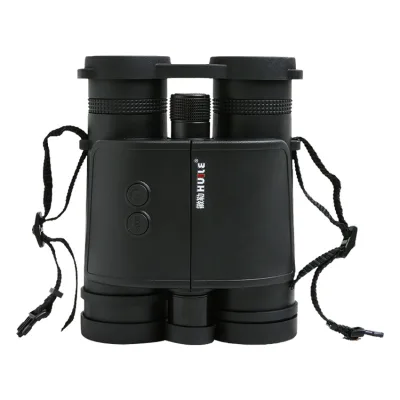
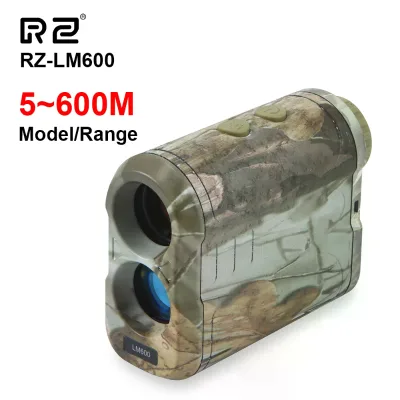

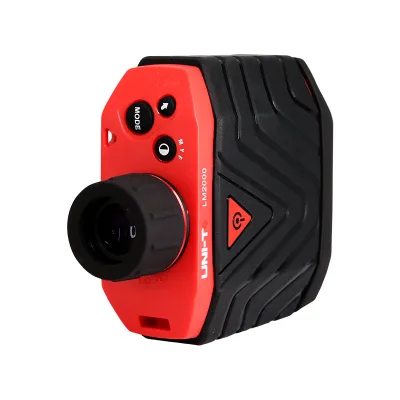


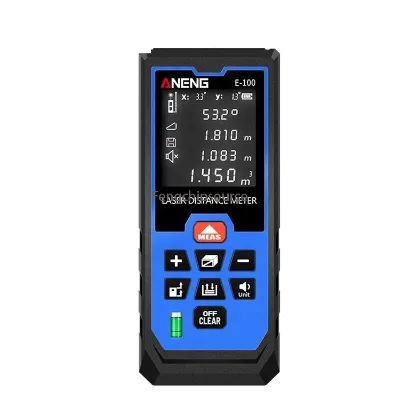


Comprehensive Sourcing Guide
Strategic Sourcing Guide for Outdoor Surveying Laser Rangefinders
Understanding Technical Specifications and Performance Metrics
When sourcing outdoor surveying laser rangefinders, buyers must prioritize the alignment between technical specifications and the specific environmental demands of the application. The product landscape for these devices is diverse, ranging from compact optical tools for recreational use to high-precision instruments for professional surveying. A critical observation in the current market is the variation in magnification and objective lens diameter, which directly impacts light transmission and target acquisition.
Available models demonstrate a range of optical configurations. For instance, specific units feature a 6X magnification paired with a 25mm objective diameter, while others offer 8X magnification with a 21mm objective. The exit pupil diameter, a key factor in low-light performance, varies significantly; some units are rated at 3.7mm, which is sufficient for general daylight use but may require careful consideration for dawn or dusk operations. The field of view is another essential metric, with observed data indicating a range of 122 meters per 1000 meters for certain 6X models. Buyers should verify that the field of view matches the intended use case, as a wider field aids in target acquisition, while a narrower field often provides higher magnification for distant targets.
The measurement capabilities are equally critical for surveying applications. The maximum ranging distance is a primary differentiator, with observed models supporting ranges up to 700 meters, while specialized surveying units extend this capability to 3000 meters. Resolution is another vital parameter; high-end units offer a resolution of 0.1 meters, which is necessary for precise distance calculations in professional contexts. Measurement accuracy is typically cited as +/- 1 meter or +/- 0.2%, though buyers must verify these figures against the specific target reflectivity and atmospheric conditions. The units of measurement are standardized, with most devices supporting both meters and yards, and some offering additional modes such as pole lock, rain, hunting, scan, and standard.
Compliance and Certification Verification
Navigating the regulatory landscape is a fundamental step in the procurement process for laser rangefinders. These devices often contain laser components that are subject to strict safety standards, as well as electronic components that must comply with electromagnetic compatibility regulations. The supply chain for these products, particularly those originating from manufacturing hubs in China, typically includes specific certifications that validate product safety and quality.
Buyers should expect to see compliance with CE (Conformité Européenne) and FCC (Federal Communications Commission) standards. These certifications indicate that the device meets European health, safety, and environmental protection standards and United States electromagnetic interference requirements, respectively. Additionally, the RoHS (Restriction of Hazardous Substances) directive is frequently observed, ensuring that the product does not contain specific hazardous materials. In some cases, FDA (Food and Drug Administration) certification is also listed, which is relevant for laser safety classifications.
It is imperative for buyers to treat these certifications as observations of specific product listings rather than universal guarantees for all inventory. The presence of CE, FCC, RoHS, and FDA markings on a product page suggests that the manufacturer has undergone testing for those specific standards. However, procurement teams must request valid test reports or certificates of conformity from the supplier to confirm that the specific batch being purchased adheres to these standards. Relying solely on the presence of a certification logo without documentation can lead to compliance risks, especially when importing into regulated markets. The standard "IEC 60825" is often referenced in the broader context of laser safety, but buyers should verify if the specific product documentation explicitly aligns with this international standard for laser product safety.
Cost Drivers and Pricing Dynamics
The pricing structure for outdoor surveying laser rangefinders is influenced by a complex interplay of technical specifications, build quality, and customization requirements. The observed market data reveals a substantial price range, spanning from approximately $8.66 to $12,600 USD. This wide disparity reflects the difference between entry-level optical devices and high-end, multi-functional surveying instruments.
Several key factors drive these costs. First, the maximum measurement range is a primary cost driver. Devices capable of measuring up to 3000 meters typically command a premium over those limited to 700 meters due to the more powerful laser diodes and sophisticated signal processing required. Second, the optical quality, including magnification and objective lens diameter, significantly impacts the price. Higher magnification and larger lenses require precision grinding and coating, increasing manufacturing costs. Third, the inclusion of advanced features such as angle compensation, pole lock, and scanning functions adds to the unit cost.
Customization is another significant variable. The market offers OEM (Original Equipment Manufacturer) options, allowing buyers to brand the device with their own logo or customize the color scheme to include red, black, blue, camo, or green. These customization services often involve additional tooling or setup costs, which can affect the final price per unit. Furthermore, the Minimum Order Quantity (MOQ) plays a role in the effective unit cost. Observed MOQs range from 1 to 500 units. Buyers purchasing in smaller quantities may face higher per-unit costs, while those ordering in bulk can leverage economies of scale to reduce the price.
Typical Applications and Usage Scenarios
The versatility of laser rangefinders allows them to serve a wide array of applications, from recreational activities to professional surveying. Understanding the intended use case is crucial for selecting the right device. The observed usage categories include bird watching, hunting, travel, and golf pin placement. For these recreational applications, devices with a 6X magnification and a 700-meter range are often sufficient. The "Scan" mode is particularly useful for hunting and golf, allowing users to rapidly measure distances to multiple targets.
In professional contexts, the requirements shift towards higher precision and longer ranges. Surveying and construction projects often demand devices with a 3000-meter range and high resolution (0.1m). These units are designed for measuring distances in challenging environments where accuracy is paramount. The "Pole Lock" mode is specifically valuable in surveying, as it allows the device to lock onto a target even when the laser beam is obstructed or when measuring to a pole. The "Rain" mode is another specialized feature that helps maintain accuracy in adverse weather conditions by filtering out noise caused by precipitation.
The physical design of the device also influences its suitability for specific applications. Some units are compact, with dimensions around 9x6.8x4.2 cm and a net weight of 150g, making them ideal for portability during travel or hiking. Others are larger, with dimensions like 121x127x58 mm, providing a more robust build for professional use. The packaging, whether a soft pouch or a neutral color box, also reflects the intended market; rugged packaging is preferred for field work, while elegant packaging may be suitable for retail or gift markets.
Supplier Evaluation and Origin Considerations
When evaluating potential suppliers for laser rangefinders, buyers must look beyond the product specifications to assess the supplier's capabilities and reliability. The majority of the observed products originate from Chongqing, China (Mainland), a region known for its manufacturing capabilities in optical and electronic devices. This concentration of supply suggests a mature ecosystem with established logistics and production lines.
Buyers should verify the supplier's ability to handle customization requests, as the market data indicates that OEM services are available. This includes the ability to customize the brand name, color, and packaging. The presence of a "Brand Name: Dontop, OEM" entry suggests that some suppliers offer white-labeling options, which is beneficial for buyers looking to establish their own brand identity.
The production standards and quality control processes of the supplier are critical. Buyers should inquire about the manufacturing standards, such as CE, FCC, and RoHS, and request evidence of compliance. The consistency of the product origin is also important; ensuring that the "Place of Origin" is consistently listed as China (Mainland) helps in managing supply chain expectations and logistics. Additionally, the supplier's ability to provide detailed product documentation, including user manuals and technical datasheets, is a strong indicator of professionalism.
Quality Control and Long-Term Procurement Strategies
Implementing a robust quality control (QC) strategy is essential for mitigating risks associated with the procurement of laser rangefinders. Given the wide range of observed specifications and the potential for variation between batches, buyers should establish clear acceptance criteria. This includes verifying the measurement accuracy, resolution, and maximum range against the supplier's specifications. Regular testing of sample units can help identify any deviations in performance.
Long-term procurement considerations involve building a sustainable relationship with suppliers. This includes negotiating favorable terms for repeat orders, ensuring consistent lead times, and maintaining open communication regarding product updates or changes. The observed MOQ range of 1 to 500 units suggests flexibility in order sizes, which can be advantageous for buyers who need to adjust their inventory levels based on market demand.
Buyers should also consider the after-sales support provided by the supplier. This includes warranty terms, availability of spare parts, and technical support for troubleshooting. The packaging, whether a carton or a soft pouch, should be evaluated for its ability to protect the device during shipping and storage. Ensuring that the packaging meets the requirements of the destination market is also important for compliance and customer satisfaction.
Comparative Analysis of Key Product Attributes
To facilitate informed decision-making, the following table summarizes the key attributes observed in the market for outdoor surveying laser rangefinders. This comparison highlights the diversity in specifications and helps buyers identify the features that best align with their needs.
| Attribute | Low-End/Recreational Models | High-End/Surveying Models |
|---|---|---|
| Magnification | 6X | 6X - 8X |
| Objective Diameter | 21mm - 25mm | 22mm - 25mm |
| Max Range | 700m | 3000m |
| Resolution | Standard | 0.1m |
| Measurement Accuracy | +/- 1m | +/- 1m / +/- 0.2% |
| Special Modes | Scan, Standard | Pole Lock, Rain, Angle |
| Weight | ~150g | ~223g |
| Certifications | CE, FCC, RoHS | CE, FCC, RoHS, FDA |
| Origin | Chongqing, China | Chongqing, China |
This table illustrates that while there is overlap in optical specifications, the primary differentiators lie in the maximum range, resolution, and specialized modes. Buyers should prioritize these factors based on their specific application requirements.
Conclusion
Sourcing outdoor surveying laser rangefinders requires a meticulous approach that balances technical specifications, regulatory compliance, and supplier reliability. By understanding the nuances of magnification, range, and accuracy, buyers can select devices that meet their operational needs. Verifying certifications and engaging with suppliers who offer robust customization and quality control ensures a successful procurement process. As the market continues to evolve, staying informed about the latest specifications and standards will enable buyers to make strategic decisions that enhance their operational efficiency and product quality.
FAQs
What certifications do outdoor surveying laser rangefinders typically have?
These devices commonly carry CE, FCC, RoHS, and FDA certifications. Buyers should verify specific test reports for each batch to ensure compliance with safety and electromagnetic standards before importing.
How far can these laser rangefinders measure distances accurately?
Models range from 700 meters for general use up to 3000 meters for professional surveying. Resolution varies, with high-end units offering 0.1 meter precision for detailed calculations.
Which magnification and objective lens sizes are available?
Available configurations include 6X with 25mm objectives or 8X with 21mm objectives. Exit pupil diameters around 3.7mm support daylight operations, while field of view is often 122 meters per 1000 meters.
Can buyers customize the brand and color of these devices?
Yes, OEM customization is available for brand names, colors like red, black, or camo, and packaging types. Minimum order quantities for custom runs typically range from 1 to 500 units.
What measurement modes are supported by these rangefinders?
Units support modes such as Pole Lock, Rain, Hunting, Scan, and Standard. These features help maintain accuracy in specific conditions like adverse weather or when measuring to poles.
Where are these outdoor surveying laser rangefinders manufactured?
Most products originate from Chongqing, China (Mainland). Buyers should confirm the place of origin on product pages to manage logistics and supply chain expectations effectively.
What is the price range for these laser rangefinders?
Prices span from approximately 8.66 to 12600 USD depending on specifications. Higher ranges and advanced features like angle compensation typically command a premium over entry-level optical devices.