Source Outdoor Tied Belay Volleyball Net for Training, Beach, and Racing
Compare 30 listings for the Outdoor Tied Belay Volleyball Net suitable for training, beach play, and racing events. Buyers can evaluate specifications like net height, material, and customization options from suppliers in China.
Key considerations
Products List




Comprehensive Sourcing Guide
Strategic Sourcing Guide for Outdoor Tied Belay Volleyball Net Systems
Understanding Product Definitions and Core Specifications
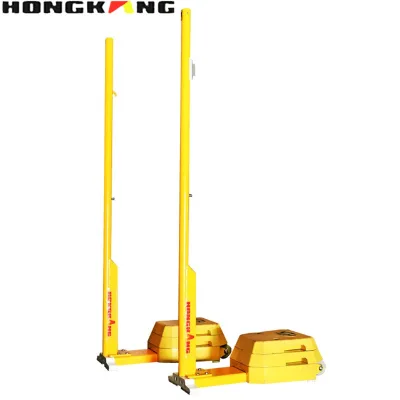
When sourcing an Outdoor Tied Belay Volleyball Net system, buyers must first distinguish between the netting assembly and the supporting rack structure, as these are often procured as distinct components before final integration. The core product category typically encompasses a complete system designed for beach and lawn volleyball applications, specifically tailored for adult age groups. The structural integrity of the net relies heavily on the dimensions of the supporting tubes, which in verified product data are specified as 19mm in diameter with a wall thickness of 0.5mm. This specific tubing dimension is critical for ensuring the rack can withstand wind loads and the tension required for a "tied belay" style setup, where the net is secured tightly to the posts to maintain a flat playing surface.
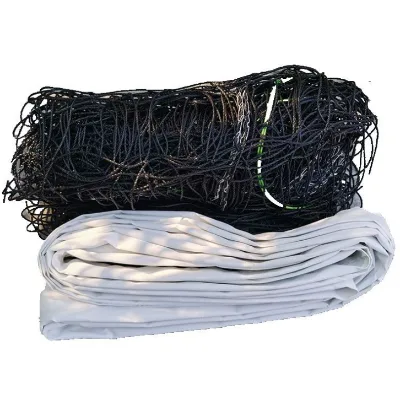
The netting itself presents a variety of material options, with High-Density Polyethylene (HDPE) and Polyvinyl Chloride (PVC) being the most common materials observed in the supply chain. HDPE is frequently cited for its application in sport field fence netting and general volleyball usage, offering high durability and eco-friendly characteristics. Conversely, PVC materials are often utilized for specific components like the headband, side pockets, and bottom bands, which require a thickness of 0.5mm and a white vinyl finish with two rows of polyester stitching. The net body construction varies between knotted and knotless processes, with mesh sizes typically standardized at 4.5cm or customizable per requirement. The mesh shape is predominantly square, though rhombus configurations are also available. For the net body, a 3mm twine grade is standard, creating a 10cm x 10cm square mesh structure.
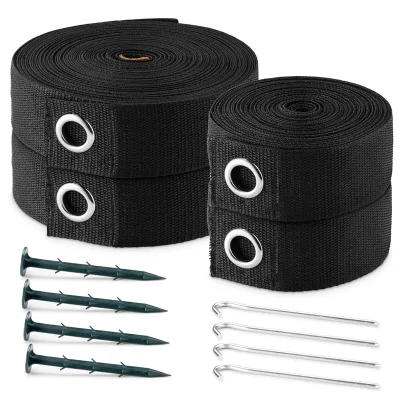
The physical dimensions of the net are equally vital for compliance with international play standards. The net height is generally observed at 224cm, a figure that aligns with standard volleyball regulations. The width of the net is typically 1.5 meters but is often customizable to fit specific court requirements. The length of the system, including the cables and netting, is frequently listed as 3 meters or customizable. The cables themselves are a crucial component; the top cable is often a 6mm PVC-coated steel cable measuring 11 meters (37 feet) in length, while the bottom cable is a 5mm PVC-coated steel cable of similar length. These cables are threaded through white nickel toothed brass grommets to ensure smooth operation and prevent wear.
Technical Compliance and Certification Verification
Compliance with international standards is a non-negotiable aspect of sourcing outdoor volleyball equipment, particularly for commercial or institutional buyers. While specific test results are not universally guaranteed for every listing, buyers should verify that products carry recognized certifications such as CE and ISO9001. These certifications indicate that the manufacturing process adheres to specific quality management and safety standards. The product standard for the netting material is often identified as HDPE, which suggests a focus on high-density performance suitable for outdoor exposure.
Buyers must scrutinize the material specifications to ensure they match the intended environment. For outdoor applications, the material must exhibit waterproof and high-durability features. The netting is often described as black polyethylene (PE) braided knotted netting, which provides resistance to UV degradation and moisture. Additionally, the fiberglass dowels used in the construction are specified as 11mm white solid fiberglass, providing the necessary rigidity for the top and bottom bands. The antennas included in the set are typically high-visibility red and white striped, a standard requirement for official play to delineate the boundary of the court.
When evaluating compliance, the internal pressure of any inflatable components, such as the ball used in conjunction with the net, should be verified. Observed data suggests an internal pressure greater than 0.45kg/cm². While this applies to the ball, it highlights the precision required in the manufacturing of related sports equipment. The service life of the net is a critical metric for long-term value, with observed ranges indicating a lifespan of 1 to 4 years depending on usage intensity and environmental exposure. Buyers should request documentation confirming that the materials used meet the HDPE standard or equivalent high-performance polymer standards to ensure longevity.
Cost Drivers and Pricing Structure Analysis
The pricing of Outdoor Tied Belay Volleyball Net systems is influenced by a complex interplay of material costs, customization levels, and order volume. The observed price range in the market spans from $0.60 to $469.80 USD, a wide variance that reflects the difference between individual components, such as replacement netting or specific cables, and complete rack and net assemblies. The lower end of the spectrum typically corresponds to basic netting materials or smaller, less durable components, while the higher end encompasses full systems with premium features like OEM logo customization, specialized packaging, and enhanced structural tubing.
Material composition is a primary cost driver. Systems utilizing HDPE for the netting and PVC for the bands and cables generally command higher prices due to the superior durability and weather resistance of these polymers compared to standard polyethylene. The inclusion of specific hardware, such as the 6mm and 5mm PVC-coated steel cables and the white nickel toothed brass grommets, also adds to the manufacturing cost. Furthermore, the weight of the system is a factor; products weighing between 1.9kg and 2.2kg for the rack, or netting weights ranging from 60g/sqm to 300g/sqm, indicate the density of the material used, which directly correlates with cost.
Minimum Order Quantity (MOQ) is another significant factor affecting the unit price. The observed MOQ range extends from 0 to 1000 pieces. Suppliers with an MOQ of 1000 pieces often offer lower per-unit costs due to economies of scale in production and shipping. Conversely, suppliers with lower or no MOQ requirements may charge a premium for smaller batch production. Customization options, such as adding an OEM logo or altering the mesh size, also increase the cost. The packaging method, whether in a bag or a carton, can influence the final price, as carton packaging offers better protection during transit but incurs higher material and shipping costs. Buyers should balance the initial unit cost against the total landed cost, including shipping and potential inventory holding costs, to determine the most economical procurement strategy.
Typical Applications and Usage Scenarios
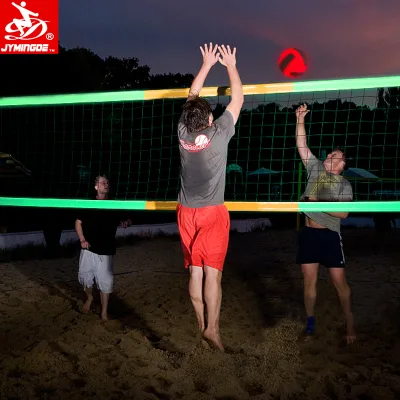
Outdoor Tied Belay Volleyball Net systems are designed for a diverse range of applications, extending beyond professional competition to recreational and training environments. The primary application is for volleyball playing and entertainment, making these nets suitable for public parks, beach resorts, and community centers. The durability of the materials, such as the waterproof and eco-friendly features, ensures that the nets can withstand the harsh conditions of outdoor environments, including sun, wind, and salt spray in beach settings.
The system is also widely used for racing and training purposes. The adjustable nature of the net height and the customizable width allow for versatile training setups that can accommodate different skill levels and game variations. The inclusion of high-visibility antennas ensures that the net is suitable for competitive play where boundary lines must be clearly defined. The net's application in HDPE sport field fence netting suggests its potential use in multi-sport facilities where the netting can serve as a barrier or a playing surface component.
For commercial buyers, the versatility of the product is a key advantage. The net can be used for beach volleyball, lawn volleyball, and even indoor training sessions if the rack is portable. The age group specification of "Adults" indicates that the system is built to withstand the higher impact and tension required by adult players, making it less suitable for junior leagues without specific adjustments. The service life of 1 to 4 years suggests that the net is a semi-permanent installation, requiring periodic maintenance but not immediate replacement. This makes it an ideal choice for facilities looking to invest in long-term infrastructure that can serve multiple seasons.
Supplier Evaluation and Sourcing Strategy
Evaluating suppliers for outdoor volleyball net systems requires a rigorous assessment of their capabilities, location, and production standards. The majority of suppliers in this category are located in China, with specific regions like Shandong identified as key manufacturing hubs. This geographic concentration suggests a mature supply chain with access to raw materials and specialized processing services such as molding, cutting, and weaving. Buyers should verify the supplier's origin to ensure they are dealing with manufacturers who have experience in producing sports equipment that meets international standards.
The customization capabilities of the supplier are a critical evaluation metric. The availability of OEM logo services and customizable dimensions, such as width, length, and mesh size, indicates a supplier's flexibility and ability to meet specific buyer requirements. Buyers should request samples to verify the quality of the customization, including the precision of the stitching, the durability of the PVC bands, and the accuracy of the cable threading. The production process, whether knotted or knotless, should be clearly defined, as this affects the net's performance and longevity.
Quality control is another essential aspect of supplier evaluation. Buyers should inquire about the supplier's quality assurance processes, including any internal testing for tensile strength, UV resistance, and colorfastness. The presence of certifications like CE and ISO9001 is a strong indicator of a supplier's commitment to quality, but buyers should verify the validity of these certifications. Additionally, the supplier's ability to provide detailed product specifications, such as the exact diameter of the tubes, the thickness of the bands, and the type of grommets used, is crucial for ensuring that the product meets the buyer's technical requirements.
Quality Control and Long-Term Procurement Considerations
Implementing a robust quality control (QC) protocol is essential for ensuring the reliability of outdoor volleyball net systems. Buyers should establish clear acceptance criteria based on the observed specifications, such as the 19mm tube diameter, 0.5mm wall thickness, and the 224cm net height. Regular inspections should be conducted to verify that the materials used, such as HDPE and PVC, meet the required standards for durability and weather resistance. The inspection should also cover the assembly of the net, ensuring that the cables are properly tensioned and that the grommets are securely attached.
Long-term procurement considerations involve planning for maintenance and replacement. The service life of the net, estimated at 1 to 4 years, suggests that buyers should budget for periodic replacement or repair. Buyers should consider the availability of spare parts, such as replacement cables, grommets, and netting, to extend the life of the system. The packaging method, whether bag or carton, should be evaluated for its ability to protect the net during storage and transport, minimizing the risk of damage before installation.
Environmental factors also play a significant role in long-term procurement. The waterproof and eco-friendly features of the net make it suitable for outdoor use, but buyers should ensure that the materials are resistant to UV degradation and chemical exposure. Regular cleaning and maintenance schedules should be established to prevent the accumulation of dirt and debris, which can degrade the netting over time. By adopting a proactive approach to quality control and maintenance, buyers can maximize the value of their investment and ensure the safety and performance of the volleyball net system for years to come.
Comparative Analysis of Product Variants
To assist buyers in making informed decisions, the following table compares key attributes of common volleyball net variants found in the market. This comparison highlights the differences in materials, dimensions, and features that influence procurement choices.
| Feature | Variant A (Standard HDPE) | Variant B (Premium PVC) | Variant C (Customizable) |
|---|---|---|---|
| Netting Material | HDPE (Black PE Braided) | PVC (White Vinyl Bands) | Customizable (HDPE/PE) |
| Mesh Size | 4.5cm (Standard) | 4.5cm or Custom | Per Requirement |
| Tube Dimension | 19mm x 0.5mm | 19mm x 0.5mm | Customizable |
| Net Height | 224cm | 224cm | Customizable |
| Cable Type | PVC Coated Steel (6mm/5mm) | PVC Coated Steel (6mm/5mm) | Custom Diameter |
| Grommets | White Nickel Toothed Brass | White Nickel Toothed Brass | Custom Material |
| Service Life | 1-4 Years | 1-4 Years | 1-4 Years |
| MOQ | 1000 pcs | 1000 pcs | Variable |
| Certification | CE, ISO9001 | CE, ISO9001 | CE, ISO9001 |
This table illustrates that while the core structural elements remain consistent across variants, the material composition and customization options offer flexibility to meet specific buyer needs. Buyers should select the variant that best aligns with their budget, usage requirements, and long-term maintenance capabilities. By carefully evaluating these factors, buyers can secure a high-quality Outdoor Tied Belay Volleyball Net system that delivers optimal performance and value.
FAQs
What are the standard dimensions for the net height and width?
The net height is typically 224cm with a width of 1.5 meters. Both dimensions can be customized to meet specific court requirements or player preferences for different playing styles.
Which materials are used for the net body and bands?
The net body is constructed from black polyethylene braided knotted netting. The headband, side pockets, and bottom bands use 0.5mm thickness white vinyl with two rows of polyester stitching.
Can buyers request OEM logo customization on the net?
Yes, OEM logo customization is available for this product. Buyers can specify their branding requirements to be integrated into the net design or packaging upon request.
What is the minimum order quantity for purchasing these nets?
The minimum order quantity is 1000 pieces for standard orders. Some suppliers may offer lower quantities, but the observed range extends up to 1000 pieces for bulk pricing.
How durable is the net for outdoor beach volleyball use?
The net offers high durability with a service life of 1 to 4 years. It features waterproof and eco-friendly properties suitable for harsh outdoor environments like beaches and lawns.
What certifications do the volleyball net systems typically hold?
The products commonly carry CE and ISO9001 certifications. These indicate adherence to quality management and safety standards required for international sports equipment distribution.
How are the cables and grommets constructed for the net?
The top cable is a 6mm PVC coated steel cable, and the bottom cable is 5mm PVC coated steel. Both are threaded through white nickel toothed brass grommets for smooth operation.