Source Oval Cut Gold-Plated Jewelry for Gifts, Weddings, and Parties
Find 30 listings for oval cut gold-plated jewelry featuring sterling silver settings and cubic zirconia accents. Compare options for earrings and rings with customizable logos and plating choices to suit universal styles.
Key considerations
Products List


Comprehensive Sourcing Guide
Oval Cut Gold-Plated Jewelry Sourcing Guide
Sourcing oval cut gold-plated jewelry requires a nuanced understanding of both the aesthetic demands of the oval silhouette and the technical realities of electroplating processes. The oval cut is a classic shape that offers a flattering, elongated appearance, making it a versatile choice for earrings, rings, and pendants. When combined with gold plating, this shape becomes a staple in fashion jewelry, appealing to buyers who seek the luxurious look of solid gold at a more accessible price point. However, the procurement process is not merely about selecting a shape; it involves verifying the integrity of the plating, the purity of the base metal, and the consistency of the manufacturing process. Buyers must recognize that "gold-plated" is a broad term that encompasses a wide range of quality levels, from thin electroplated layers on base metals to thicker deposits on sterling silver or stainless steel.
The decision to source oval cut gold-plated pieces often hinges on the balance between cost-efficiency and durability. In the current market, suppliers offer a variety of base materials, including 925 sterling silver, stainless steel, and other alloys, each affecting the final product's weight, longevity, and price. The plating itself can vary in color, including yellow gold, rose gold, and black gold, allowing for diverse design expressions. For procurement professionals, the key challenge lies in ensuring that the supplier’s claims about plating thickness and base metal purity align with actual product performance. This guide provides a structured approach to evaluating suppliers, verifying technical specifications, and managing commercial risks associated with this specific jewelry category.
Product Scope and Observed Listing Signals
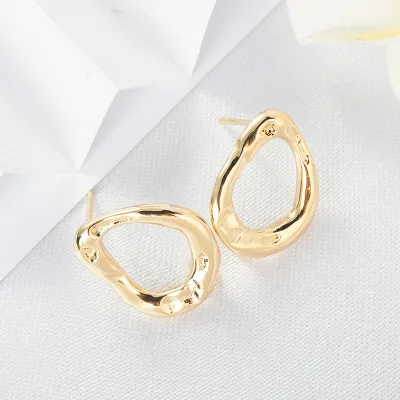
The observed market signals indicate a diverse range of products that fall under the broader umbrella of oval cut gold-plated jewelry, though specific listings reveal distinct variations in material and design. For instance, some products are explicitly identified as earrings with a 10mm white pearl, featuring a sterling silver accessory material and a polished finish. These items often carry a "natural" pattern and are marketed for occasions such as weddings, engagements, and parties. In contrast, other listings highlight rings made from 925 sterling silver with cubic zirconia accents, utilizing a wax setting technique and available in gold or silver plating. These observations suggest that the term "oval cut" may refer to the shape of the setting, the stone, or the overall silhouette, rather than a single standardized product type. Buyers must carefully distinguish between these variations to ensure they are sourcing the exact item required for their inventory.
Further analysis of listing signals reveals significant variability in customization options and minimum order quantities (MOQ). Some suppliers offer fully customized logos and stamps, such as "925" or customer-specific marks, indicating a strong capability for OEM and ODM services. The observed MOQ ranges from as low as 1 piece to 1000 pieces, with specific listings noting MOQs of 10 pieces for rings and 50 sets for other items. This flexibility allows buyers to test the market with small batches before committing to larger orders. Additionally, the presence of multiple product model numbers, such as 640050786414 and R11009, suggests that suppliers maintain extensive catalogs with distinct SKUs for different designs. Buyers should leverage this variety to find suppliers who can accommodate specific design requirements, such as geometry shapes or flower pendants, while maintaining the oval aesthetic.
Technical Specifications to Verify
Verifying the technical specifications of oval cut gold-plated jewelry is critical to ensuring product quality and customer satisfaction. The base material is a primary factor, with listings indicating the use of 925 sterling silver, stainless steel, and other alloys. Buyers must confirm the purity of the silver, typically 92.5%, and ensure that the plating process, such as electroplating, is applied correctly to prevent tarnishing or peeling. The plating colors observed include yellow gold, rose gold, black, and rhodium, each requiring different chemical processes and durability profiles. For example, rhodium plating is often used for its bright, white finish and high resistance to corrosion, while black gold plating may require specific coating techniques to maintain its color integrity. Buyers should request detailed specifications on plating thickness and base metal composition to assess the long-term durability of the jewelry.
The physical dimensions and finishing processes also play a crucial role in the final product's appeal. Listings show that pearl diameters can be standardized at 10mm, while other items offer customized sizes. The shape of the jewelry, whether oval, geometry, or flower-shaped, must be consistent across batches to maintain brand integrity. The processing methods, including polishing and casting, contribute to the surface finish and overall quality. A polished finish, for instance, enhances the reflective quality of the gold plating, while casting ensures precise shaping of complex designs. Buyers should verify that the supplier uses high-quality casting techniques to minimize defects and ensure that the polishing process removes any rough edges or imperfections. Additionally, the setting method, such as wax setting for cubic zirconia, should be evaluated for its ability to securely hold stones in place.
Compliance and Safety Documentation
Compliance and safety documentation are essential components of the sourcing process, particularly for jewelry that comes into direct contact with the skin. Listings indicate that suppliers may provide SGS certification, which is a recognized standard for testing and inspection services. Buyers should verify that the SGS certification covers specific safety parameters, such as the absence of harmful substances like lead, cadmium, and nickel, which are common concerns in metal jewelry. The presence of a "Flawless" defect attribute suggests a commitment to quality control, but buyers should not rely solely on this claim. Instead, they should request recent test reports from accredited laboratories to confirm that the products meet international safety standards. This is particularly important for markets with strict regulations, such as the European Union and the United States, where compliance with REACH and CPSIA is mandatory.
In addition to material safety, buyers should ensure that the supplier adheres to ethical sourcing practices and environmental standards. While not explicitly mentioned in the listings, many reputable suppliers are increasingly adopting sustainable practices, such as using recycled metals and eco-friendly plating processes. Buyers should inquire about the supplier’s environmental policies and certifications, such as ISO 14001, to assess their commitment to sustainability. Furthermore, the guarantee period, often listed as one year, provides a baseline for product reliability. Buyers should clarify the terms of this guarantee, including what constitutes a defect and the process for returns or replacements. By prioritizing compliance and safety, buyers can mitigate risks associated with product recalls, legal liabilities, and reputational damage.
Cost Drivers and Commercial Terms
The cost of oval cut gold-plated jewelry is influenced by several key drivers, including the base material, plating thickness, and customization requirements. Sterling silver is generally more expensive than base metals due to its higher intrinsic value, while stainless steel offers a cost-effective alternative with good durability. The plating process, particularly electroplating, adds to the cost, with thicker plating layers and precious metal content increasing the price. Customization options, such as logo engraving and specific stamping, also contribute to the overall cost, as they require additional labor and setup time. Buyers should request detailed cost breakdowns from suppliers to understand how these factors affect the final price. This transparency allows for better budgeting and negotiation, ensuring that the buyer receives fair value for their investment.
Commercial terms, including MOQ, lead time, and payment conditions, are critical considerations for procurement planning. The observed MOQ ranges from 1 to 1000 pieces, with specific listings noting 10 pieces for rings and 50 sets for other items. This flexibility allows buyers to manage inventory risks and test new designs without committing to large volumes. Lead times, typically ranging from 20 to 30 days, should be factored into production schedules to ensure timely delivery. Buyers should also clarify the packaging requirements, such as OPP bags and strong cartons, to protect the jewelry during transit. Payment terms, such as deposits and balance payments, should be negotiated to align with the buyer’s cash flow needs. By understanding these commercial terms, buyers can optimize their supply chain and reduce operational costs.
Supplier Qualification and Quality Control
Qualifying suppliers for oval cut gold-plated jewelry requires a thorough assessment of their manufacturing capabilities, quality control processes, and track record. Buyers should verify the supplier’s production facilities, including their casting and electroplating equipment, to ensure they can meet the required specifications. The presence of multiple product model numbers and customization options suggests a robust production capacity, but buyers should request samples to evaluate the actual quality of the products. Quality control measures, such as inspection for defects and consistency in plating, should be clearly defined and enforced. Buyers should also inquire about the supplier’s return policy and warranty terms to assess their confidence in product quality. By conducting a comprehensive supplier qualification process, buyers can identify reliable partners who can deliver consistent, high-quality products.
In addition to technical capabilities, buyers should assess the supplier’s communication and responsiveness. Effective communication is essential for managing orders, resolving issues, and maintaining a strong business relationship. Buyers should evaluate the supplier’s ability to provide timely updates on production status and address any concerns promptly. The availability of OEM and ODM services indicates a willingness to collaborate and customize products to meet specific requirements. Buyers should also consider the supplier’s location, with many listings indicating origins in Guangzhou, China, a major hub for jewelry manufacturing. Proximity to manufacturing hubs can facilitate easier communication and faster turnaround times. By prioritizing supplier qualification and quality control, buyers can build a resilient supply chain that supports their business goals.
Long-Term Procurement Checks
Long-term procurement checks are essential for maintaining the quality and reliability of oval cut gold-plated jewelry supplies. Buyers should establish regular quality audits and performance reviews to monitor supplier performance over time. These checks should include random sampling of products to verify consistency in plating, shape, and finish. Buyers should also track customer feedback and return rates to identify any recurring issues. By analyzing this data, buyers can make informed decisions about supplier relationships and negotiate improvements where necessary. Additionally, buyers should stay updated on industry trends and regulatory changes that may impact product requirements. This proactive approach ensures that the supply chain remains competitive and compliant with evolving market demands.
Furthermore, buyers should foster a collaborative relationship with their suppliers to drive continuous improvement. Regular communication and feedback sessions can help identify areas for enhancement, such as reducing lead times or improving packaging. Buyers should also explore opportunities for innovation, such as new plating techniques or sustainable materials, to differentiate their products in the market. By investing in long-term supplier relationships, buyers can secure a stable supply of high-quality oval cut gold-plated jewelry. This strategic approach not only mitigates risks but also enhances the buyer’s ability to respond to market changes and customer preferences. Ultimately, a focus on long-term procurement checks ensures sustained success and growth in the jewelry business.
FAQs
What materials are used for oval cut gold-plated jewelry?
The jewelry is crafted from 925 sterling silver with cubic zirconia accents. The plating options include rhodium, rose gold, yellow gold, and black finishes to ensure durability and aesthetic appeal for various occasions.
Can I customize the stamp and packaging for my order?
Yes, customization is available for both the stamp and packaging. You can request specific stamps like 925 or custom text, while packaging options include OPP bags or strong cartons tailored to your requirements.
What is the minimum order quantity for these items?
The minimum order quantity varies by product, ranging from 1 piece to 1000 pieces. Specific items may require 10 pieces or 50 sets, so please check the individual product specifications for exact thresholds.
How long does it take to receive the customized jewelry?
The delivery time typically ranges from 20 to 30 days after order confirmation. This lead time accounts for the casting, polishing, and electroplating processes required to meet your specific customization needs.
Which certifications do the products hold for quality assurance?
The products are certified by SGS to ensure they meet international quality standards. This certification verifies the material purity and craftsmanship, providing assurance for buyers seeking reliable and safe jewelry components.
What shapes and styles are available for oval cut jewelry?
Available shapes include oval and geometry designs, with styles ranging from simple to intricate. The products feature natural patterns and are suitable for universal use, making them ideal for rings, earrings, and pendants.
Where are these gold-plated jewelry items manufactured?
These items originate from Guangzhou, China, a hub for jewelry manufacturing. The production facilities utilize advanced processes like casting and electroplating to deliver high-quality finished goods to international buyers.