Source Oval Cut Sterling Silver Bracelet for Gifts, Decor, and Daily Wear
Explore 30 listings for the Oval Cut Sterling Silver Bracelet, featuring customizable designs and various plating options. Buyers can compare specifications such as length, weight, and material standards to find suitable pieces for informal occasions, formal events, or general decoration.
Key considerations
Products List


Simple Fashion Two Stone Cubic Zirconia 925 Sterling Silver Open Bracelet
$9.12 - $11.12
MOQ: 30 Pieces


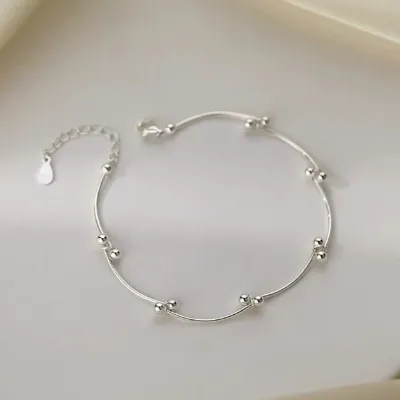


Comprehensive Sourcing Guide
Oval Cut Sterling Silver Bracelet Sourcing Guide
Sourcing oval cut sterling silver bracelets requires a nuanced understanding of both aesthetic preferences and material integrity. Buyers must recognize that while the core material is defined as 925 sterling silver, the specific finish and plating options can vary significantly across suppliers. The observed product data indicates a range of styles, from simple designs to exotic or star-fashion motifs, suggesting that the oval cut is often a central design element rather than a standalone feature. Procurement teams should prioritize suppliers who offer customization in both design and stamping, as this flexibility is critical for brand differentiation in the competitive jewelry market.
The target audience for these items spans from female-specific demographics to universal wearers, indicating broad market applicability. Occasions for use range from informal daily wear to formal events, which necessitates a versatile product line that can adapt to different styling needs. Buyers should verify that the supplier’s inventory includes models suitable for gifting and decoration, as these usage categories drive volume sales. Understanding the specific model codes, such as CG19B5319S or GD17B3660S, allows for precise communication with manufacturers, ensuring that the oval cut specifications align with the buyer’s visual and functional requirements.
Product Scope and Observed Listing Signals
The current market landscape for oval cut sterling silver bracelets reveals a diverse array of product attributes that buyers must navigate carefully. Observed listings show a price range of 0.9 to 27.4 USD, with minimum order quantities (MOQs) varying from 1 to 1000 units. This wide variance suggests that suppliers cater to both small-batch custom orders and large-scale wholesale distributions. Buyers should note that while the base material is consistently listed as 925 sterling silver, the presence of gold, rhodium, or silver plating options adds complexity to the sourcing process. It is essential to confirm whether the oval cut is a solid silver component or a plated accent, as this distinction impacts both durability and perceived value.
Color variations observed in the product data include silver, gold, and white finishes, indicating that the oval cut can be presented in multiple metallic tones. The style descriptors range from simple and eco-friendly to exotic and star-fashion, highlighting the need for buyers to align their procurement strategy with specific brand identities. Packing methods also vary, with options including standard cartons, individual OPP bags, or customized packaging solutions. Buyers must evaluate these logistical details early in the sourcing process to ensure that the final product presentation meets their retail or corporate gifting standards without incurring unexpected handling costs.
Technical Specifications to Verify
Technical verification is paramount when sourcing oval cut sterling silver bracelets to ensure consistency and quality. Buyers must confirm the exact dimensions of the oval cut, particularly the length specifications which have been observed at 16cm and 45cm in various listings. These measurements likely refer to the bracelet length rather than the cut itself, but clarity is essential to avoid mismatches in product expectations. Additionally, the weight of the items, such as the observed 10.62g for specific models, should be verified for each SKU to ensure accurate inventory management and cost calculation. The finish, often described as sterling silver plated, requires confirmation of plating thickness and durability to prevent tarnishing or wear over time.
Model codes such as BT102, BT104, and RS9295 serve as critical identifiers for technical specifications. Buyers should request detailed technical sheets for each model to understand the precise geometry of the oval cut and its integration into the bracelet design. The logo type, noted as concave in some listings, indicates a specific manufacturing technique that affects the tactile and visual appeal of the piece. Furthermore, the availability of custom designs and stamps allows for brand personalization, but buyers must verify the feasibility of these customizations regarding tooling costs and production lead times. Ensuring that the technical specifications align with the intended use, whether for decoration or gifting, is crucial for customer satisfaction.
Compliance and Safety Documentation
Compliance and safety documentation are non-negotiable elements in the procurement of sterling silver jewelry. Buyers must ensure that all suppliers provide certificates of authenticity for the 925 sterling silver content, verifying that the alloy meets international standards for silver purity. This documentation is essential for maintaining brand integrity and avoiding legal issues related to material misrepresentation. Additionally, suppliers should be required to provide test results for nickel and lead content, as these heavy metals are common concerns in jewelry manufacturing. Even if the product is labeled as eco-friendly, independent verification of safety standards is necessary to protect consumers from potential allergic reactions or health risks.
The standard of 925 silver and 14k/18k gold plating, as observed in some listings, requires specific compliance checks to ensure that the plating does not contain harmful substances. Buyers should inquire about the supplier’s adherence to REACH regulations in Europe or CPSIA guidelines in the United States, depending on the target market. Documentation regarding the eco-friendly nature of the production process, if claimed, should be supported by verifiable data on waste management and energy usage. Clear communication with suppliers about these compliance requirements helps mitigate risks and ensures that the final products can be legally sold and marketed in various jurisdictions without regulatory hurdles.
Cost Drivers and Commercial Terms
Understanding the cost drivers for oval cut sterling silver bracelets is essential for effective budgeting and negotiation. The primary cost factors include the raw material price of sterling silver, the complexity of the oval cut design, and the type of plating or finishing applied. Customization options, such as custom stamps or designs, typically incur additional tooling and setup fees, which should be factored into the total cost analysis. Buyers should also consider the impact of packaging choices, as customized packaging solutions can significantly increase the per-unit cost compared to standard OPP bags or cartons. Negotiating volume discounts based on the observed MOQ range of 1 to 1000 units can help optimize overall procurement expenses.
Commercial terms, including payment methods and lead times, vary among suppliers and must be clearly defined in contracts. The observed packing options, such as FedEx/DHL/UPS/EMS shipping, suggest that logistics costs may be borne by either the buyer or the supplier, depending on the agreed Incoterms. Buyers should negotiate favorable payment terms, such as partial upfront payments and balance upon shipment, to manage cash flow effectively. Additionally, understanding the supplier’s capacity for handling custom requests is crucial, as rush orders or complex designs may extend lead times. Clear communication regarding these commercial terms helps prevent misunderstandings and ensures a smooth transaction process from order placement to delivery.
Supplier Qualification and Quality Control
Supplier qualification is a critical step in ensuring the reliability and consistency of oval cut sterling silver bracelets. Buyers should conduct thorough due diligence on potential suppliers, verifying their business licenses, manufacturing capabilities, and past performance records. Quality control processes must be clearly defined, including in-process inspections and final random inspections before shipment. Suppliers should be required to provide detailed quality control reports that document the verification of material purity, dimensional accuracy, and finish quality. Establishing a robust quality control framework helps minimize the risk of receiving defective products and ensures that the final items meet the buyer’s standards.
The ability of suppliers to handle customization requests, such as custom designs or logo stamping, is a key indicator of their technical competence. Buyers should assess the supplier’s flexibility in adapting to specific requirements, including changes in model codes or packaging preferences. Regular communication and site visits, if feasible, can provide valuable insights into the supplier’s production environment and quality management systems. Additionally, establishing a clear feedback loop for addressing any quality issues or discrepancies is essential for maintaining a productive partnership. By prioritizing suppliers with strong quality control practices and customization capabilities, buyers can secure a reliable supply chain for their Oval Cut Sterling Silver Bracelet inventory.
Long-Term Procurement Checks
Long-term procurement checks are necessary to maintain the quality and relevance of the Oval Cut Sterling Silver Bracelet supply chain. Buyers should regularly review supplier performance metrics, including on-time delivery rates, defect rates, and responsiveness to issues. Continuous monitoring of market trends and consumer preferences helps ensure that the product offerings remain competitive and aligned with demand. Buyers should also stay informed about changes in material costs and regulatory requirements that may impact sourcing decisions. Establishing a periodic review process for supplier contracts and quality standards helps identify areas for improvement and ensures that the procurement strategy remains effective over time.
Building a diversified supplier base can mitigate risks associated with single-source dependencies, providing flexibility in case of supply chain disruptions. Buyers should explore opportunities to collaborate with suppliers on new designs or improvements, leveraging their expertise to enhance product value. Regular training and communication sessions with suppliers can foster a collaborative relationship and drive continuous improvement in quality and service. Additionally, staying engaged with industry associations and attending trade shows can provide insights into emerging technologies and best practices in jewelry manufacturing. By implementing these long-term procurement checks, buyers can ensure a resilient and efficient supply chain for their Oval Cut Sterling Silver Bracelet products.
FAQs
What materials are used for oval cut sterling silver bracelets?
The bracelets are crafted from 925 sterling silver, ensuring high purity and durability for everyday wear. Some variations may feature gold or rhodium plating to enhance visual appeal and resistance to tarnishing. The core material remains consistent with standard 925 silver specifications, providing a reliable foundation for both simple and exotic designs suitable for various occasions.
Can I request custom designs for these silver bracelets?
Yes, customization is available for these bracelets, allowing buyers to specify unique designs or custom stamps. Suppliers offer options for custom packing and logo types, such as concave finishes. This flexibility supports branding needs and allows for tailored aesthetic choices, ensuring the final product aligns precisely with specific market requirements or personal preferences for formal or informal occasions.
What is the typical packaging for these silver bracelets?
Packaging options vary, including individual OPP bags, cartons, or customized packages based on client requests. Some items are packed in cartons for bulk shipping, while others use single OPP bags for retail readiness. Buyers can often select custom packing solutions to suit their distribution needs, ensuring products arrive securely and presentably, whether for direct sale or further processing.
Which styles are available for oval cut sterling silver bracelets?
Available styles range from simple and star fashion to exoticism, catering to diverse aesthetic preferences. Designs may include color filling charms or round pendant shapes. The variety ensures options for both universal and female-specific markets. These styles are suitable for informal and formal occasions, allowing buyers to select pieces that match current trends or specific customer demographics effectively.
What are the standard specifications for these bracelets?
Standard specifications include lengths such as 16cm or 45cm, with weights around 10.62g for certain models. Models like CG19B5319S and GD17B3660S represent specific design iterations. The products adhere to 925 sterling silver standards, with some featuring 14k or 18k gold plating. These details help buyers identify exact product attributes and ensure compatibility with their inventory or design requirements.
How are these bracelets suitable for different occasions?
These bracelets are designed for both informal and formal occasions, offering versatility in styling. The simple and exotic styles allow for easy pairing with casual attire or elegant evening wear. Their decorative and gift-ready nature makes them suitable for various events. The durable sterling silver construction ensures they maintain their appearance, making them a practical choice for daily wear or special gifting.