Source Oval Cut Sapphire Jewelry Set for Gifts, Weddings, and Parties
Find and compare 30 Oval Cut Sapphire Jewelry Set options from Guangzhou suppliers. Evaluate variations in plating, stone settings, and customization services to find the right fit for your inventory needs.
Key considerations
Products List
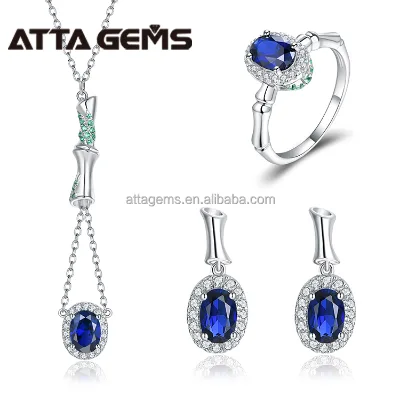


925 Sterling Silver Dangle Pendant Earring Jewelry Set for Parties Weddings Gifts
$18.50 - $23.90
MOQ: 30 sets

Wholesale 925 Silver Synthetic Sapphire Jewelry Set Classic Style for Parties Gifts
$20.12 - $22.78
MOQ: 30 sets

Fine Jewelry Set for Women Vintage Style Earrings and Necklace with for Gift
$16.54 - $19.46
MOQ: 30 set


Comprehensive Sourcing Guide
Oval Cut Sapphire Jewelry Set Sourcing Guide
Sourcing oval cut sapphire jewelry sets requires a disciplined approach to balancing aesthetic precision with commercial viability. The oval cut is a classic choice that maximizes carat weight retention while offering a flattering, elongated silhouette that suits a wide range of hand sizes and style preferences. When procuring these sets, buyers must navigate a complex supply chain that involves gemstone grading, metal purity verification, and intricate setting techniques. The following guide outlines the critical verification steps, technical considerations, and commercial terms necessary to secure high-quality inventory while mitigating procurement risks.
This guide focuses on evidence-based procurement strategies derived from observed market signals and trusted category knowledge. It is designed for B2B buyers, including boutique retailers, private label brands, and wholesale distributors, who need to establish reliable supply chains for fine and fashion jewelry. By adhering to the structured verification protocols outlined below, buyers can ensure that their sourced products meet both regulatory standards and consumer expectations for durability and aesthetic appeal.
Product Scope and Observed Listing Signals
The current market landscape for oval cut sapphire jewelry sets reveals a diverse range of product configurations, from simple solitaire designs to elaborate multi-stone arrangements. Observed listing signals indicate that suppliers often offer customization options, allowing buyers to tailor ring sizes, plating finishes, and stone settings to specific market demands. For instance, some listings highlight wax setting techniques, which are crucial for securing stones securely while allowing for intricate design flexibility. Buyers should verify whether the supplier offers OEM/ODM services, as this capability is essential for brands seeking unique product differentiation rather than generic off-the-shelf inventory.
Color and material variations are significant differentiators in this category. While the core keyword specifies sapphire, observed data shows a prevalence of cubic zirconia and silver-based materials in the broader market, suggesting that buyers must clearly distinguish between genuine gemstone jewelry and fashion jewelry alternatives. Plating options such as rhodium, rose gold, yellow gold, and black gold are commonly available, influencing both the visual appeal and the longevity of the piece. Buyers must confirm the base metal composition, such as 925 sterling silver or copper, as this directly impacts the product’s weight, cost, and potential for skin irritation or tarnishing.
Technical Specifications to Verify
Verifying technical specifications is paramount to ensuring product consistency and customer satisfaction. Buyers must confirm the exact ring sizes available, as standard ranges typically include sizes 5 through 9, but custom sizing may be required for specific demographics. The setting type, whether it is a wax setting or a more traditional prong or bezel setting, affects both the security of the stone and the overall durability of the jewelry. Additionally, the purity of the metal, often cited as 92.5% for sterling silver, must be verified through hallmarking or third-party testing to prevent misrepresentation and ensure compliance with international trade standards.
The physical dimensions and weight of the jewelry set are also critical technical parameters. While some listings provide specific model numbers, buyers should request detailed dimensional data, including the length, width, and thickness of the oval cut stone, as well as the overall weight of the metal component. The processing method, typically casting for mass-produced items, should be evaluated for surface finish quality and structural integrity. Buyers should also verify the packaging standards, such as OPP bags or strong cartons, to ensure that the products arrive in pristine condition, minimizing damage during transit and reducing return rates.
Compliance and Safety Documentation
Compliance with international safety and quality standards is non-negotiable for jewelry imports. Buyers must ensure that suppliers provide valid certification documents, such as SGS reports, which verify the material composition and safety of the products. These certifications are particularly important for verifying the absence of harmful substances like lead, nickel, and cadmium, which are regulated in many markets. Without proper documentation, buyers risk facing customs delays, product seizures, or legal liabilities associated with non-compliant goods.
In addition to material safety, buyers should verify adherence to specific product standards that may vary by destination market. For example, some regions require specific labeling requirements regarding metal purity and country of origin. The observed data indicates that products often originate from Guangzhou, China, a major hub for jewelry manufacturing, but buyers must confirm that the supplier’s export processes align with the import regulations of their target market. Requesting sample testing reports before placing bulk orders can provide an additional layer of assurance regarding compliance and product safety.
Cost Drivers and Commercial Terms
Understanding the cost drivers in jewelry sourcing is essential for accurate margin calculation and pricing strategy. The primary cost components include the raw material costs for metals and gemstones, labor costs for casting and setting, and the cost of plating and finishing. The choice of material, such as copper versus sterling silver, significantly impacts the base cost, while the complexity of the design and the quality of the stone affect the final price. Buyers should request detailed cost breakdowns to identify areas where value can be added or costs can be optimized without compromising quality.
Commercial terms, including minimum order quantities (MOQ) and lead times, play a crucial role in inventory management and cash flow planning. Observed MOQs range from 10 to 200 pieces, allowing for flexibility depending on the buyer’s scale and risk tolerance. Lead times typically vary from 10 to 45 days, depending on the complexity of the order and the supplier’s current production capacity. Buyers should negotiate clear delivery schedules and penalty clauses for delays to mitigate supply chain disruptions. Additionally, understanding the sample time, which is often around 10 days, is vital for accelerating the product development cycle.
Supplier Qualification and Quality Control
Supplier qualification is the first line of defense against quality issues and supply chain failures. Buyers should conduct thorough due diligence on potential suppliers, verifying their business licenses, production capabilities, and past performance records. Requesting references from existing clients and conducting factory audits, either in person or through third-party inspection services, can provide valuable insights into the supplier’s operational efficiency and quality control processes. Suppliers with a proven track record in OEM/ODM services are often better equipped to handle custom orders and maintain consistency across batches.
Quality control measures must be implemented at every stage of production, from raw material inspection to final packaging. Buyers should establish clear quality acceptance criteria, including tolerances for stone size, metal purity, and plating thickness. Implementing a pre-shipment inspection protocol is highly recommended to catch any defects before the goods leave the factory. This step can save significant costs associated with returns, replacements, and reputational damage. Buyers should also consider establishing a long-term partnership with suppliers who demonstrate a commitment to continuous improvement and transparency.
Long-Term Procurement Checks
Long-term procurement success depends on continuous monitoring and relationship management. Buyers should regularly review supplier performance metrics, including on-time delivery rates, defect rates, and responsiveness to issues. Establishing a structured feedback loop with suppliers can help identify areas for improvement and foster a collaborative environment. Regularly updating product specifications and market requirements ensures that the sourced jewelry sets remain relevant and competitive in the evolving market landscape.
Additionally, buyers should stay informed about changes in international trade regulations, material costs, and consumer trends. Diversifying the supplier base can mitigate risks associated with single-source dependencies, such as production delays or quality inconsistencies. Building a robust supply chain network allows for greater flexibility and resilience in the face of market fluctuations. By maintaining a proactive approach to procurement, buyers can secure a steady supply of high-quality oval cut sapphire jewelry sets that meet the demands of their customers and drive business growth.
FAQs
What materials are used for oval cut sapphire jewelry sets?
The jewelry sets utilize 925 Sterling Silver and Cubic Zirconia as primary materials. Some variations may feature Silver or Copper bases with Rhodium, Rose Gold, Yellow Gold, or Black plating options to enhance durability and aesthetic appeal.
Can I customize the ring size for these jewelry sets?
Yes, customization is available for ring sizes ranging from 5 to 9. Buyers can also request customized sizes for other components, ensuring a perfect fit for female or unisex recipients while maintaining the simple or fashion style preferences.
What is the minimum order quantity for these sets?
The minimum order quantity varies by product, typically starting at 10 pieces or 20 pieces depending on the specific model. Some items may require 30 pieces, so buyers should verify the exact MOQ for their selected design before placing an order.
How long does delivery take for custom orders?
Delivery times generally range from 10 to 30 days depending on the specific product requirements. Sample preparation may take 10 days, while full production lead times can extend up to 45 days for complex customization requests or larger volumes.
Which certifications do these jewelry sets hold?
The products are certified by SGS to ensure quality and material standards. This certification applies to the production standards and material purity, providing assurance that the items meet specific industry requirements for decoration, gifts, and collection purposes.
Where are these jewelry sets manufactured?
These items originate from Guangzhou, China, where specialized casting processes are employed. The manufacturing location supports OEM and ODM services, allowing for flexible packaging options like OPP bags or strong cartons as per customer requirements.
What plating options are available for the jewelry sets?
Buyers can choose from Rhodium, Rose Gold, Yellow Gold, or Black Gold plating finishes. These options are applied to the silver or copper bases to provide a durable and attractive surface suitable for various occasions like weddings, parties, or anniversaries.