Source Over-ear Call Center Headset for Security, Police, and SWAT
Compare 30 over-ear call center headset options featuring noise-cancelling microphones and durable Kevlar-reinforced cables. Buyers can evaluate models for security, police, and SWAT applications with customizable logos and varying warranty periods.
Key considerations
Products List


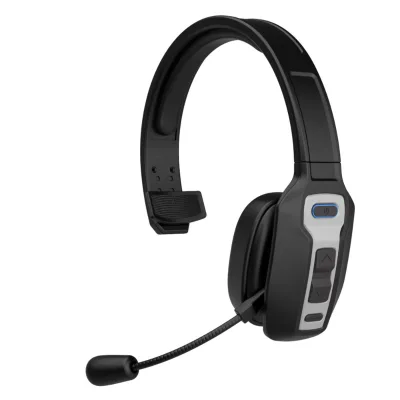


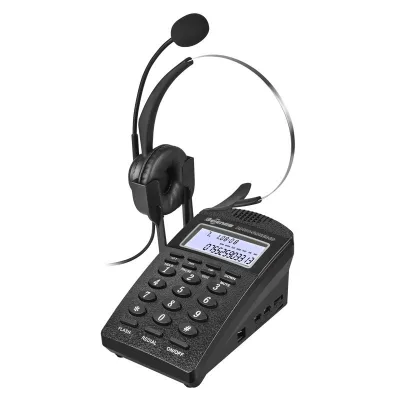


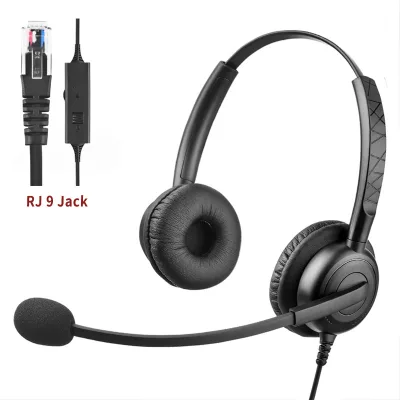
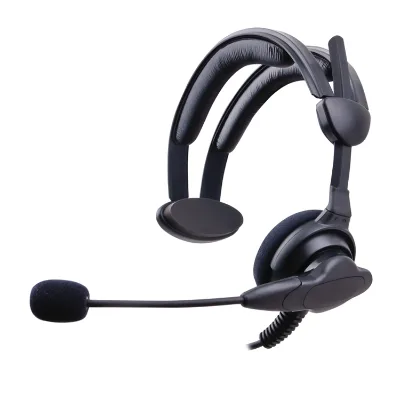
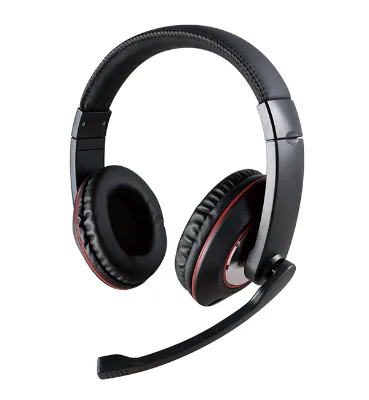
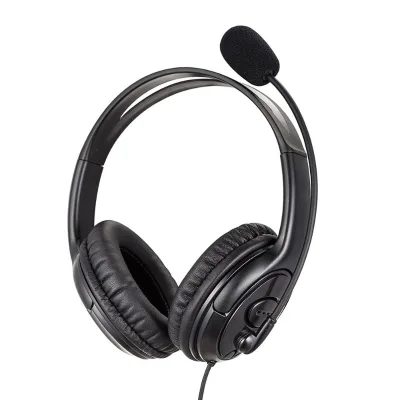
Comprehensive Sourcing Guide
Strategic Sourcing Guide for Over-Ear Communication Headsets
When evaluating the market for over-ear communication headsets, specifically those designed for high-noise environments and professional two-way radio operations, buyers must distinguish between consumer-grade audio equipment and industrial-grade tactical gear. The core keyword "over-ear call center headset" often leads to products designed for quiet office environments, yet the actual supply data for this category reveals a significant overlap with heavy-duty, noise-cancelling tactical headsets used by security, police, and SWAT teams. A rigorous sourcing strategy requires analyzing the specific technical attributes, material durability, and compliance standards found in the current market to ensure the selected equipment meets the rigorous demands of field operations rather than just office telephony.
Technical Specifications and Audio Performance
The technical foundation of a reliable over-ear communication headset lies in its ability to isolate external noise while delivering clear voice transmission. In the observed product range, the primary functional requirement is noise cancellation, with specific units offering a Noise Reduction Ratio (NRR) of 24dB. This specification is critical for environments where ambient noise exceeds 85 decibels, such as construction sites, industrial plants, or active tactical scenarios. Buyers should verify that the headset employs an electret earphone or a dual-muff receive method to ensure consistent audio quality. The "dual muff" configuration, often found in models like the RAN-1000A, provides superior isolation compared to single-ear boom microphones, which are more common in lighter-duty applications.
The microphone component is equally vital. The supply data indicates that these devices are equipped with microphones designed for voice activation, though specific models like the RAN-1000A explicitly note the absence of Voice Activation (Vox) features, relying instead on manual push-to-talk or radio integration. The microphone style varies, with options ranging from single-ear boom mics to integrated boom systems. For heavy-duty applications, the presence of a line-control feature allows for direct management of audio functions without reaching for the radio unit. Furthermore, the connectivity options must be compatible with the user's existing radio infrastructure. While some units offer optional connectors, others are specifically engineered for Motorola series radios, including the Dp2000, Dp2400, Dp2600, Xpr3000, and Xpr3300. Buyers must cross-reference the connector type and compatibility list with their inventory to avoid integration failures.
Material Durability and Construction Standards
Durability is a non-negotiable attribute for headsets intended for security, police, and construction personnel. The supply chain data highlights the use of Kevlar-reinforced cables as a standard feature for high-end models. This material choice significantly enhances resistance to pulling, twisting, and abrasion, which are common hazards in field operations. The cable construction often combines Kevlar with Polyurethane (PU) insulation, creating a composite that balances flexibility with extreme toughness. This "Kevlar+PU" configuration is distinct from standard PVC cables found in consumer electronics and is essential for equipment subjected to rough handling.
The physical build of the headset also plays a role in longevity. The observed products are described as "Over-The-Head" style, which distributes weight more evenly than single-ear designs, reducing fatigue during extended shifts. However, the weight specifications vary; some units are listed with a weight of 1kg, which is substantial for all-day wear. Buyers must balance the durability of the Kevlar reinforcement against the ergonomic weight of the unit. The headband style is typically designed for a secure fit, often featuring adjustable mechanisms to accommodate different head sizes. The packaging for these units is generally simple, utilizing PE bags or paper boxes, which suggests that the product is designed for industrial utility rather than retail presentation. This lack of elaborate packaging often correlates with a focus on functional robustness over aesthetic appeal.
Compliance, Certification, and Origin Verification
When sourcing industrial communication equipment, verifying compliance with international standards is essential for liability and safety assurance. The market data indicates that products in this category frequently carry CE and SGS certifications. The CE mark signifies conformity with health, safety, and environmental protection standards for products sold within the European Economic Area, while SGS certification provides third-party verification of quality and safety. It is important to note that not every listed product carries both certifications; some may only list SGS, while others list CE. Buyers must explicitly request proof of these certifications for the specific model they intend to purchase, rather than assuming they apply to the entire product line.
The geographic origin of the products is another critical factor in the sourcing process. The majority of the observed inventory originates from China, with specific manufacturing hubs identified in Guangdong and Shenzhen. These regions are known for their electronics manufacturing capabilities, but they also present challenges regarding supply chain transparency and quality consistency. Buyers should verify the specific factory location and request documentation that confirms the manufacturing site matches the stated origin. Additionally, the standard production capacity is noted as 1000 pieces per week for certain models, which serves as a baseline for evaluating a supplier's ability to meet bulk order requirements. Lead times and production schedules should be confirmed directly with the supplier, as the observed data does not provide a universal lead time for all models.
Cost Drivers and Procurement Economics
The pricing structure for over-ear communication headsets is influenced by several key variables, including material composition, certification status, and customization options. The observed price range in the market spans from $3.50 to $65.00 USD. This wide disparity reflects the difference between basic, unbranded units and specialized, Kevlar-reinforced tactical headsets with advanced noise cancellation. The lower end of the spectrum likely corresponds to simpler models with standard cables and basic packaging, while the higher end encompasses units with dual-muff technology, specific radio compatibility, and enhanced durability features.
Minimum Order Quantity (MOQ) is another significant cost driver. The market data shows an MOQ range from 1 to 3000 units. This flexibility allows buyers to test the market with small orders or commit to large-scale procurement for fleet-wide deployments. However, higher MOQs often correlate with better unit pricing. Customization is a major factor in cost escalation; the availability of customized logos and specific color options (Black, Red, Blue) adds value but may increase the unit price or require a higher MOQ. Buyers should calculate the total cost of ownership, including the potential need for replacement parts or accessories like eartips, which are sometimes included as gifts with specific models.
Supplier Evaluation and Quality Assurance
Evaluating suppliers in this sector requires a focus on their ability to provide consistent quality and technical support. The supply data mentions a specific manufacturer, Raytalk Comms, which indicates that established players exist in the market. However, buyers should not rely on a single name but rather evaluate the supplier's track record regarding the specific attributes of the product. Key evaluation criteria include the consistency of the Kevlar reinforcement, the accuracy of the noise reduction claims, and the reliability of the connector interfaces.
Quality control measures should be rigorous. Buyers must verify that the "Kevlar Reinforced Cable" is genuinely used and not merely a marketing term. Testing for cable tensile strength and insulation integrity is recommended before finalizing a large order. Additionally, the warranty period is a strong indicator of supplier confidence. The observed warranty terms range from 10 to 12 months. A supplier offering a 12-month warranty on a product with a 1kg weight and complex cable assembly demonstrates a higher level of confidence in their manufacturing process. Buyers should also inquire about the supplier's process for handling defective units and their policy on returns or replacements.
Long-Term Procurement and Application Fit
Selecting the right headset for long-term use involves matching the product to the specific application environment. The data indicates that these headsets are designed for "Fireman, Swat, Security, Policeman, Builder" and similar roles. This suggests that the equipment is built for high-stress, high-noise environments rather than standard call center operations. While the term "call center headset" is the search keyword, the actual product specifications align more closely with tactical and industrial communication needs. Buyers must ensure that the headset's features, such as the dual-muff receive method and 24dB noise reduction, are necessary for their specific use case.
For organizations planning long-term procurement, the availability of spare parts and the standardization of connectors are crucial. The "Optional" connector status in some models suggests that adaptability is a feature, but it also implies that buyers must be prepared to source specific adapters if their radio fleet uses non-standard interfaces. The customization options for logos and colors allow for brand alignment, which is beneficial for large security or law enforcement agencies. However, buyers should verify that the customization process does not compromise the structural integrity of the headset. Finally, the production capacity of 1000 pieces per week indicates that suppliers can scale to meet growing demands, but buyers should establish clear communication channels to manage inventory levels and ensure timely replenishment of stock.
Comparison of Key Product Attributes
To facilitate a clearer understanding of the differences between available models, the following table summarizes the key attributes observed in the supply data. This comparison helps buyers identify which specifications align with their operational requirements.
| Attribute | Model RHS-02 | Model RAN-1000A | Model RAN-1000 | Model RHS-0219 |
|---|---|---|---|---|
| Headset Style | Over The Head | Over The Head | Single Ear Boom | Headband |
| Receive Method | Dual Muff | Dual Muff | Electret Earphone | Headband |
| Cable Material | Kevlar Reinforced | Kevlar+PU | Not Specified | Not Specified |
| Noise Reduction | Not Specified | 24dB | Not Specified | Not Specified |
| Warranty | 10 Months | 12 Months | Not Specified | Not Specified |
| Standard | CE/SGS | CE | CE | SGS |
| Origin | China | Guangdong | Guangdong | Shenzhen, China |
| Target Users | Fireman, Swat | Security, Policeman | Security, Policeman | Security, Policeman |
| Radio Compatibility | Not Specified | Dp2000/Dp2400/etc | Not Specified | Not Specified |
| Weight | Not Specified | 1kg | Not Specified | Not Specified |
This table illustrates that while there is a common thread of durability and professional use across all models, the specific technical implementations vary significantly. The RAN-1000A stands out with its explicit 24dB noise reduction and 12-month warranty, making it a strong candidate for high-noise environments. In contrast, the RHS-02 offers a broader certification suite (CE/SGS) and a specific warranty period, which may be preferable for buyers requiring strict compliance verification. The RAN-1000, with its single-ear boom design, offers a different form factor that may be suitable for users requiring greater mobility or less coverage.
In conclusion, sourcing over-ear communication headsets requires a meticulous approach that prioritizes technical specifications, material durability, and supplier reliability over generic market trends. By focusing on the verified attributes of Kevlar reinforcement, specific noise reduction ratios, and established certifications, buyers can secure equipment that performs reliably in demanding professional environments. The wide range of prices and MOQs offers flexibility, but the ultimate decision must be grounded in the specific operational needs of the organization and the verified capabilities of the supplier.
FAQs
What noise reduction ratio do these headsets provide?
These headsets provide a noise reduction ratio of 24dB to isolate external sounds. This level of isolation is critical for high-noise environments like construction sites or tactical operations where clear communication is essential for safety and efficiency.
Which cable materials ensure durability for field use?
The cables are constructed with Kevlar reinforcement and Polyurethane insulation for extreme durability. This combination resists pulling, twisting, and abrasion, making the equipment suitable for rough handling by security, police, and SWAT personnel during active duty.
Can I get customized logos on these communication headsets?
Yes, customized logos are available for these over-ear communication headsets. Buyers can request specific branding to align with their organization, though this customization may require meeting minimum order quantities and could affect the unit pricing structure.
What certifications do these products typically hold?
These products typically hold CE and SGS certifications to verify safety and quality standards. While not every listed model carries both marks, buyers should verify specific documentation for the chosen model to ensure compliance with international safety regulations.
How long is the warranty period for these headsets?
The warranty period for these headsets ranges from 10 to 12 months depending on the specific model. A 12-month warranty often indicates higher supplier confidence in the product's durability and manufacturing quality for long-term field operations.
Which radio models are compatible with these headsets?
These headsets are compatible with specific Motorola series radios including the Dp2000, Dp2400, Dp2600, Xpr3000, and Xpr3300. Buyers must cross-reference their radio inventory with the connector type to ensure seamless integration without requiring additional adapters.
What is the minimum order quantity for these headsets?
The minimum order quantity ranges from 1 to 3000 units depending on the supplier and customization needs. Lower MOQs allow for market testing, while higher volumes often correlate with better unit pricing and more favorable terms for bulk fleet deployments.