Find Oven Mitts for baking, cooking, and daily kitchen use
Source 30 verified Oven Mitts from Chinese manufacturers featuring cotton, silicone, and rubber materials. Buyers can compare heat resistance, customization options, and MOQs for kitchen safety needs.
Key considerations
Products List


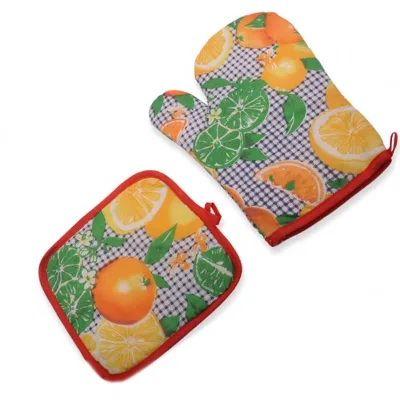


Wholesale Finger Protector Heat Resistant Silicone Cotton Baking Cooking Pinch Oven Mitts
$0.16 - $0.19
MOQ: 5300 Pieces

Quality Silicone Flexible Nonslip Grip BBQ Oven Pot Holders Cooking Mitts
$3.05 - $3.85
MOQ: 260 Pieces

Great Quality Silicone Heat Resistant Gloves-Oven Pot Holders Cooking Mitts
$0.29 - $0.36
MOQ: 300 Pieces

Wholesale Heat Resistant Thick Silicone Cotton Baking Gloves Pot Holders Cooking Mitts
$2.45 - $2.95
MOQ: 400 Pieces


Comprehensive Sourcing Guide
Strategic Sourcing Guide for Industrial and Commercial Oven Mitts
Understanding Material Composition and Functional Performance
The foundation of a successful procurement strategy for Oven Mitts begins with a rigorous analysis of material composition, as this dictates the thermal performance, durability, and safety profile of the final product. In the current market, sourcing data indicates a clear divergence between cotton-based and silicone-based solutions, each serving distinct operational needs. Cotton variants are frequently observed in products designed for general kitchen utility, offering a traditional feel with specific emphasis on washability and reusability. These items often feature print styles and are marketed with attributes such as eco-friendly status and durability. The material selection here is critical for buyers seeking a balance between cost-efficiency and standard heat protection for everyday cooking tasks.
Conversely, silicone represents a high-performance category characterized by superior heat resistance and flexibility. Market observations highlight silicone products capable of withstanding extreme temperature ranges, specifically noted in some specifications as spanning from -40 to 230 degrees Celsius. This wide thermal window makes silicone an essential choice for industrial kitchens or commercial environments where exposure to extreme heat is frequent. The physical properties of silicone, described as "soft" in certain listings, suggest a design that prioritizes user comfort and grip alongside thermal insulation. Buyers must distinguish between these material classes early in the sourcing process, as the performance gap between a cotton mitt and a high-grade silicone glove can be substantial. The presence of rubber as a material option further expands the spectrum, potentially offering unique chemical resistance or specific grip characteristics, though its primary application in this context often overlaps with general daily life usage.
Technical Specifications and Design Variability
When evaluating the technical specifications of Oven Mitts, procurement teams must scrutinize the model numbers, dimensions, and structural design to ensure alignment with operational requirements. The market displays a high degree of customization, with model numbers ranging from specific alphanumeric codes like SYN-Y-3-#2739 to generic descriptors such as "mitts" or "DOG-001." This variety suggests a fragmented supply chain where standardization may be limited, requiring buyers to verify exact dimensions for every potential order. Size specifications are particularly critical; while some suppliers offer stock sizes, others provide custom sizing options to fit specific hand geometries or to accommodate thicker protective layers.
Thickness is another pivotal specification. Observations indicate a "Medium" thickness classification for certain products, which serves as a baseline for thermal insulation. However, relying solely on this descriptor is insufficient. Buyers should request detailed cross-sectional data to understand the density and layering of the material. The design style also varies significantly, with options ranging from "Plain" to "Print" and even "Any Shaped" configurations. This flexibility allows for branding opportunities, such as the inclusion of custom logos, which is a common requirement for corporate procurement or promotional campaigns. The shape of the mitt, whether it is a standard mitten style or a more ergonomic glove design, directly impacts dexterity and safety. A mitt that is too bulky may hinder the handling of small kitchen tools, while one that is too thin may fail to provide adequate protection. Therefore, the technical evaluation must balance the aesthetic and branding requirements with the functional necessity of heat resistance and grip.
Compliance, Certification, and Safety Standards
Ensuring that Oven Mitts meet safety and compliance standards is a non-negotiable aspect of B2B procurement, particularly when the products are intended for commercial or industrial use. While specific certification data varies by supplier, the presence of standards such as SGS in product listings indicates a pathway to verifying material safety and performance. Buyers should not assume that all listed products automatically possess these certifications; rather, they must actively request current test reports to confirm compliance. The standard "silicone" mentioned in some contexts refers to the material type, but it does not inherently guarantee a specific safety rating without third-party validation.
For products intended for food contact or high-temperature environments, verifying that the materials are non-toxic and do not release harmful fumes at operating temperatures is essential. The temperature range of -40 to 230 degrees Celsius observed in some listings serves as a benchmark for high-performance silicone, but buyers must ensure that the specific batch they order has been tested to withstand these limits consistently. Additionally, the "Eco-friendly" attribute often cited in product descriptions requires verification against recognized environmental standards. Without concrete evidence, such claims remain marketing assertions rather than verified facts. Procurement teams should establish a checklist of required certifications, including food safety approvals and flammability resistance, before finalizing any contract. This due diligence protects the buyer from liability and ensures that the end-users are not exposed to unsafe conditions.
Cost Drivers and Economic Considerations
The economic landscape of oven mitt procurement is influenced by several key variables, including material costs, customization levels, and order volume. The observed price range in the market spans from 0.1 to 6.85 USD, a wide disparity that reflects differences in material quality, design complexity, and branding requirements. Lower-priced items are typically associated with basic cotton or simple silicone designs with minimal customization, while higher-priced units often feature advanced thermal properties, custom shapes, or premium branding. The Minimum Order Quantity (MOQ) is another significant cost driver, with observed ranges extending from 10 units to as high as 5300 units. Suppliers offering "No Limit" or low MOQs provide flexibility for small businesses or trial orders, whereas high MOQs are often tied to economies of scale that reduce the per-unit cost.
Customization plays a pivotal role in pricing. Options such as custom logos, specific colors, and tailored sizes add to the production complexity and cost. The "Custom Logo" and "Accept Customed" attributes indicate that branding is a standard service, but the extent of this customization will directly impact the final price. Furthermore, the packaging method, whether "Carton," "OPP Bag," or a combination, affects logistics costs. Bulk packaging in cartons may be more efficient for shipping but could increase the initial unit cost compared to individual OPP bagging. Buyers must weigh the trade-off between unit price and order volume, considering that a higher MOQ might yield a lower per-unit cost but requires greater capital outlay and storage capacity. Understanding these cost drivers allows procurement teams to negotiate effectively and align their purchasing strategy with their budgetary constraints.
Supplier Evaluation and Operational Reliability
Selecting the right supplier requires a comprehensive evaluation of their operational capabilities, including production capacity, lead times, and geographic location. The sourcing data indicates that the majority of suppliers are based in China, with specific mentions of Guangdong as a production hub. This regional concentration suggests a mature supply chain with established logistics networks, but it also necessitates careful vetting to ensure quality consistency. Lead times are a critical factor in supply chain planning, with observed delivery times ranging from 12 to 15 days. Buyers must account for this duration in their inventory management to prevent stockouts, especially for custom orders which may require additional time for mold creation or design approval.
The ability to handle small orders is a valuable attribute for suppliers, as indicated by the "Small Orders: Accepted" and "MOQ: 100" data points. This flexibility is particularly beneficial for startups or companies testing new product lines. However, buyers should also assess the supplier's capacity to scale up production if demand increases. The presence of multiple model numbers and the ability to produce "Any Shaped" items suggest a versatile manufacturing capability. When evaluating suppliers, procurement teams should verify their quality control processes, communication responsiveness, and willingness to provide samples. A supplier that offers customization but lacks clear quality assurance protocols poses a significant risk. The goal is to partner with a supplier who can consistently deliver products that meet the specified technical and safety requirements while maintaining reliable delivery schedules.
Quality Control and Long-Term Procurement Strategy
Implementing a robust quality control (QC) strategy is essential for maintaining product integrity over the long term. Given the variation in materials and specifications, buyers should establish clear acceptance criteria before production begins. This includes defining acceptable tolerances for thickness, color consistency, and thermal performance. Regular inspections during the production process and final random sampling upon completion can help identify defects early. The "Washable" and "Reusable" attributes of cotton mitts, for instance, require specific testing to ensure that the material retains its integrity and protective qualities after multiple wash cycles. Similarly, silicone mitts must be tested for resistance to tearing and degradation under repeated thermal stress.
Long-term procurement considerations extend beyond the initial purchase to include supply chain resilience and product lifecycle management. Buyers should develop relationships with suppliers who can adapt to changing market demands and offer continuous improvements in product design. The availability of "Custom Size" and "Custom Color" options suggests that suppliers are capable of evolving with buyer needs, but this requires ongoing communication and collaboration. Additionally, buyers should monitor market trends for new materials or technologies that could enhance product performance or reduce costs. By maintaining a proactive approach to quality control and supplier management, organizations can ensure a steady supply of high-quality Oven Mitts that meet their operational and safety standards. This strategic approach minimizes risk and maximizes the value derived from the procurement process.
FAQs
What materials are available for Oven Mitts?
Oven Mitts are available in cotton, silicone, and rubber materials. Cotton options offer washability and a traditional feel, while silicone variants provide superior heat resistance up to 230 degrees Celsius. Rubber is also an option for general daily life usage.
Can I order custom logo printing on these mitts?
Yes, custom logo printing is available on many oven mitt models. Suppliers accept custom logos and can apply them to various styles including plain or printed designs. This customization is suitable for branding needs across different product specifications.
What is the minimum order quantity for these products?
The minimum order quantity ranges from 10 units to 5300 units depending on the supplier and product type. Some vendors offer no limit or low MOQs like 100, while others require higher volumes. Buyers should check specific model requirements before placing an order.
How long does delivery take for custom orders?
Delivery time typically ranges from 12 to 15 days for most oven mitt orders. This timeline applies to both stock and custom-sized items produced in China. Buyers should account for this lead time when planning their inventory replenishment schedules.
Which certifications are available for silicone Oven Mitts?
Some silicone Oven Mitts are produced with SGS standards for material safety. While not all listed products automatically carry certifications, buyers can request test reports to verify compliance. It is essential to confirm specific safety ratings for food contact applications.
What temperature range can silicone Oven Mitts withstand?
High-performance silicone Oven Mitts can withstand temperatures from -40 to 230 degrees Celsius. This wide thermal window makes them suitable for extreme heat conditions in commercial kitchens. Buyers should verify that specific batches meet these consistent performance limits.
Are small orders accepted for these Oven Mitts?
Yes, small orders are accepted by many suppliers for Oven Mitts. Some vendors have no minimum order limits, while others accept orders as low as 10 units. This flexibility allows small businesses to trial products without committing to large inventory volumes.