Source Oval Scented Tea Tin for Home Storage, Gift Packaging, and Retail
Explore 30 listings for the Oval Scented Tea Tin, featuring options in tin and paraffin wax with customizable packaging. Buyers can compare specifications, certifications, and MOQs from verified Chinese manufacturers to find the ideal solution for tea storage, gifts, or retail displays.
Key considerations
Products List


Customized Candle Tins for Scented Fragrance Metal Tin Containers Soy Wax Candles
$0.45 - $0.75
MOQ: 1000 Pieces


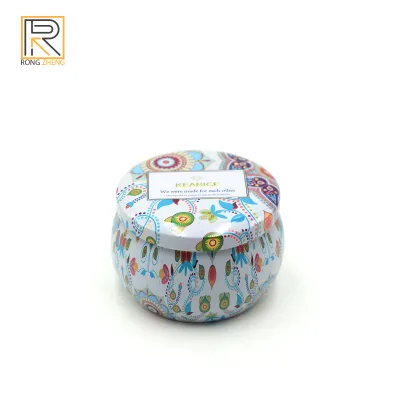


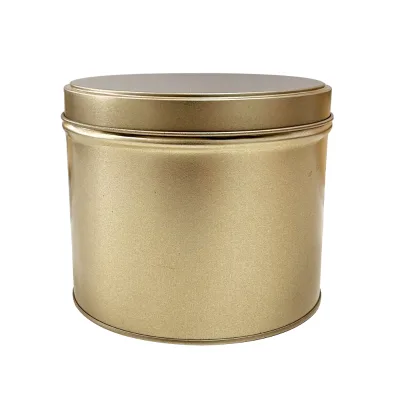
New Scented Candle Tea Tinplate Metal Round Can With Logo Tinplate Packaging Can Tin Can
$0.20 - $0.35
MOQ: 5000 pieces


Wholesale Small Tea Tin Fragrance Gift Accompaniment Soy Wax Scented Candle
$0.50 - $0.90
MOQ: 1000 Pieces


Comprehensive Sourcing Guide
Sourcing Strategy for Oval Scented Tea Tins
The procurement of oval scented tea tins requires a nuanced understanding of the intersection between packaging functionality, material integrity, and aromatic preservation. While the core keyword suggests a specific shape and application, the actual market data reveals a diverse landscape of container solutions. Buyers must distinguish between products explicitly designed for tea storage and those that are versatile containers capable of holding scented items. The following guide synthesizes available product attributes, material specifications, and compliance frameworks to assist procurement professionals in navigating this category with precision and confidence.
Material Composition and Structural Integrity
The foundation of any successful tea tin procurement lies in the selection of appropriate materials. The observed product data indicates a primary reliance on metal substrates, specifically Tin and Iron. These materials are favored for their ability to provide a hermetic seal, which is critical for preserving the volatile aromatic compounds found in scented teas. The presence of "Iron Can" and "Tin" in the product attributes confirms that metal is the dominant construction material for this category.
When evaluating potential suppliers, buyers should verify the specific alloy composition. While the data lists "Tin" and "Iron" as distinct entries, in commercial packaging, these often refer to tinplate (steel coated with tin) or pure iron cans. The structural integrity of an oval tin differs significantly from cylindrical or square alternatives. The "Cylindrical" shape is noted in the provided data, yet the target keyword specifies "oval." This discrepancy highlights the necessity for buyers to confirm that the supplier can manufacture non-standard geometries. The data mentions "various" standards and "any size" as available options, suggesting that custom tooling is a viable path for obtaining oval shapes.
The "Eco-Friendly" attribute observed in the dataset is a crucial differentiator. Buyers should request documentation proving that the metal used is recyclable and that the manufacturing process adheres to sustainable practices. The "Export Standard" packaging mentioned in the data implies that the containers are robust enough to withstand international shipping without compromising the integrity of the tin or its contents. For scented teas, the internal coating of the tin is equally important; while not explicitly detailed in the provided facts, the "Surface Handling: Offset Printing" suggests that the exterior is treated for graphics, and the interior must be food-safe to prevent metallic tastes from transferring to the tea leaves.
Technical Specifications and Customization Capabilities
The technical requirements for oval scented tea tins extend beyond simple dimensions. The data reveals a wide range of specifications, including specific model numbers like "SF-C39," "SN1314," and "GJT056," alongside dimensions such as "798856mm." While these specific models may not all be oval, they illustrate the granularity of available customization. The "prod_standard: any size" and "prod_standard: customized" entries confirm that manufacturers are equipped to produce bespoke dimensions.
Buyers must pay close attention to the "Shape" and "Size" attributes. The provided data lists "Cylindrical" and "Middle" as common shapes, but the target application is oval. This necessitates a clear dialogue with suppliers regarding tooling capabilities. The "Surface Handling: Offset Printing" indicates that high-quality graphic reproduction is standard, which is essential for branding scented tea products. The "Logo: Supported" and "Logo Printing: With Logo Printing" attributes further reinforce that branding is a primary function of these containers.
Customization extends to the packaging itself. The data notes "Customized Packaging Box," "Individual Gift Box," and "PVC Box" as available options. For a premium scented tea product, the unboxing experience is paramount. The "Package: According to Customer's Requirement" attribute suggests flexibility in how the tins are presented to the end consumer. Buyers should verify if the supplier can integrate the oval tin into a specific gift set or if the tin serves as the primary retail unit. The "Weight: <0.5 kg" specification provides a baseline for shipping cost calculations, ensuring that the final product remains within manageable logistics parameters.
Compliance, Certification, and Safety Standards
In the food and beverage sector, compliance is non-negotiable. The product data explicitly lists several certifications, including "BV/SGS/Reach" and "ISO,CE." These credentials are vital indicators of a supplier's adherence to international quality and safety standards. "Reach" compliance is particularly relevant for products entering the European market, ensuring that the materials used do not contain restricted substances that could leach into the tea. "ISO" certification suggests a commitment to quality management systems, while "CE" indicates conformity with health, safety, and environmental protection standards for products sold within the European Economic Area.
For tea tins, the "Food" usage attribute is a critical filter. Buyers must ensure that the supplier can provide test results confirming that the tin's interior coating and the metal itself are food-grade. The "Eco-Friendly" claim should be backed by specific certification documents rather than marketing assertions. The "Certificate: BV/SGS/Reach" entry implies that third-party verification is available, but buyers should request the specific scope of these certificates to ensure they cover food-contact materials.
Additionally, the "prod_standard: various" and "prod_standard: any size" entries suggest that while standards exist, they may vary by region or application. Buyers should verify if the supplier adheres to specific national or international food safety standards relevant to their target market. The "Shelf Lift: 3 Years" attribute, while likely referring to the product's durability or the tin's structural life, should be cross-referenced with the shelf life of the scented tea to ensure the packaging provides adequate protection over the intended product lifespan.
Cost Drivers and Economic Considerations
Understanding the cost structure of oval scented tea tins requires an analysis of the variables present in the market data. The observed price range of "0.2-6" USD indicates a significant variance, likely driven by material thickness, customization complexity, and order volume. The "MOQ: 50" to "MOQ: 3000PCS" range highlights the flexibility of the supply chain, catering to both small-batch artisans and large-scale commercial operations.
The primary cost drivers include the "Customization" of the oval shape, which requires dedicated tooling and potentially higher setup costs compared to standard cylindrical tins. The "Offset Printing" and "Logo Printing" services add value but also increase the unit cost. Buyers should note that the "Sample: Yes" and "Sample: Available Free" options allow for cost-effective prototyping before committing to a large order. However, the "Sample Time: 3-5 Days" suggests that the lead time for samples is relatively short, which can accelerate the procurement cycle.
The "Capacity: 798856mm Decorative Candle Tins" entry, while referencing candle tins, provides a benchmark for volume and dimensions. Buyers should calculate the cost per unit based on the specific volume of tea they intend to store. The "Export Standard" packaging adds to the cost but reduces the risk of damage during transit. For buyers targeting the "Home Lighting, Wedding, Party, Birthday, Religion, SPA, Decoration, Holiday" markets, the aesthetic value of the tin may justify a higher price point, whereas "Tea, Food" applications prioritize functional integrity and cost-efficiency.
Typical Applications and Market Positioning
The versatility of the observed products is evident in the diverse usage attributes listed. While the core keyword focuses on "scented tea," the data reveals that these tins are also marketed for "Home Lighting," "Wedding," "Party," "Funeral," "Birthday," "Religion," "SPA," "Decoration," and "Holiday." This suggests that the oval tin is a multi-purpose container that can be adapted for various gifting and storage needs.
For the specific application of scented tea, the tin serves as both a storage vessel and a marketing tool. The "Decoration" and "Gifts" attributes indicate that the design plays a significant role in consumer appeal. The "Eco-Friendly" nature of the tin aligns with the growing consumer demand for sustainable packaging in the tea industry. The "Tea, Food" usage confirms that the product is suitable for direct food contact, making it a viable option for premium tea brands.
The "Type: Small Package Tank" and "Type: Jar" classifications suggest that these containers are designed for retail display. The "Export Standard" packaging ensures that the tins can be shipped globally, making them suitable for international tea trade. Buyers should consider how the oval shape fits into their specific retail environment. The "Cylindrical" shape noted in the data may be a standard offering, but the ability to customize to an "oval" shape allows for differentiation in a crowded market.
Supplier Evaluation and Quality Assurance
Selecting the right supplier for oval scented tea tins requires a rigorous evaluation process. The data indicates that suppliers are located in "China" and specifically "Guangxi" and "Guangdong," which are major manufacturing hubs for metal packaging. The "OEM: Accepted" and "Customization: Available" attributes confirm that these suppliers are equipped to handle original equipment manufacturing and bespoke orders.
Buyers should verify the supplier's capacity to meet the "MOQ" requirements. The range of "50-10000" suggests that suppliers can accommodate small orders, but buyers must confirm if the price per unit remains competitive at lower volumes. The "Sample Time: 3-5 Days" is a positive indicator of operational efficiency. However, buyers should also inquire about the lead time for mass production, as this is not explicitly provided in the data.
Quality control should focus on the "Surface Handling" and "Logo Printing" capabilities. The "Offset Printing" standard suggests high-quality graphic reproduction, but buyers should request samples to verify color accuracy and adhesion. The "Eco-Friendly" claim should be validated through the "BV/SGS/Reach" certificates. Additionally, the "Shelf Lift: 3 Years" attribute should be tested to ensure the tin maintains its structural integrity over time.
Long-Term Procurement and Supply Chain Resilience
Long-term success in sourcing oval scented tea tins depends on building a resilient supply chain. The "Customized Packaging Box" and "Accept Customized Packaging Box" attributes indicate that suppliers are willing to adapt to changing market trends. Buyers should establish a long-term relationship with suppliers who can scale production as demand grows.
The "prod_standard: various" and "prod_standard: any size" entries suggest that suppliers have the flexibility to adjust to new product launches. Buyers should ensure that the supplier has the capacity to maintain consistent quality over multiple production runs. The "Export Standard" packaging is crucial for maintaining product integrity during long-distance shipping.
Finally, buyers should monitor the "MOQ" trends. As demand increases, suppliers may adjust their minimum order quantities. The "Sample: Available Free" option allows buyers to test new designs without significant financial risk. By leveraging the "OEM: Accepted" and "Customization: Available" capabilities, buyers can create a unique product offering that stands out in the competitive tea market. The "Eco-Friendly" aspect will likely become an increasingly important differentiator, making it essential to partner with suppliers who prioritize sustainability in their manufacturing processes.
FAQs
What certifications are available for oval scented tea tins?
Suppliers offer BV, SGS, Reach, ISO, and CE certifications for these metal containers. These credentials verify compliance with international safety and quality standards for food-contact materials. Buyers should request specific scope documents to confirm the certificates cover the tin's interior coating and metal composition.
Can I customize the shape and size of the tea tins?
Yes, manufacturers accept customization for various sizes and shapes including oval geometries. The production process supports custom tooling to meet specific dimension requirements like 79 by 88 by 56 millimeters. Buyers must confirm tooling capabilities for non-standard shapes before placing large orders.
What is the minimum order quantity for these metal tins?
The minimum order quantity ranges from 50 units to 3000 pieces depending on the supplier and customization level. Small batch orders start at 50 units while decorative candle tin variants may require 3000 pieces. Buyers should verify the specific MOQ for their chosen model and material type.
How long does it take to receive product samples?
Sample production typically takes 3 to 5 days for delivery to the buyer. Some suppliers offer free samples while others may charge for shipping or specific custom prints. This short lead time allows for rapid prototyping before committing to mass production volumes.
Which materials are used to construct these tea storage containers?
The primary materials used are tin and iron, often referred to as tinplate or iron cans. These metals provide structural integrity and a hermetic seal to preserve aromatic compounds in scented teas. The eco-friendly nature of these materials ensures they are recyclable and suitable for food contact.
What packaging options are available for the tea tins?
Packaging can be customized to include export standard boxes, individual gift boxes, or PVC boxes with windows. Suppliers also offer normal packing or specific requirements based on customer needs. This flexibility supports both retail display and premium gifting scenarios for the tea products.
Where are the manufacturers of these metal tins located?
Manufacturers are primarily located in China, with specific hubs in Guangxi and Guangdong provinces. These regions are major centers for metal packaging production and export. Buyers can expect suppliers to adhere to export standards for international shipping from these locations.