Source Oversized Waterproof Cotton Crewneck Hoodie for casual wear, outdoor activities, and layering
Explore 30 listings for the Oversized Waterproof Cotton Crewneck Hoodie, comparing features like long sleeves, breathable fabric, and solid or camouflage patterns. Buyers can evaluate options from various manufacturers in China with MOQs starting at 1 piece.
Key considerations
Products List

Crew Neck Heavyweight Cotton Drop Shoulder Pullover Custom Oversized Sweatshirt
$6.00 - $13.00
MOQ: 100 Pieces


Custom Logo Crewneck Sweatshirt Unisex 100% Cotton Oversized Men's Sweatshirts
$5.00 - $12.00
MOQ: 100 Pieces


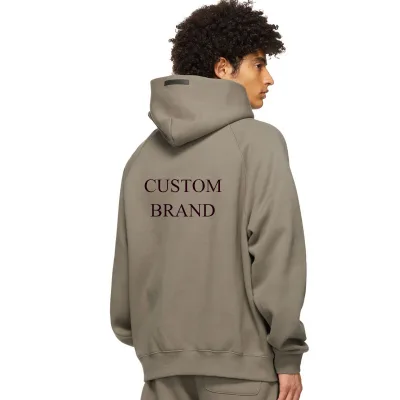

Print Heavyweight Cotton Custom Hoody Sweatshirt Oversized Men's Hoodie
$10.99 - $13.99
MOQ: 100 pieces

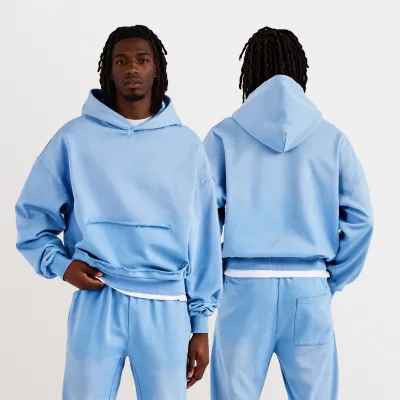


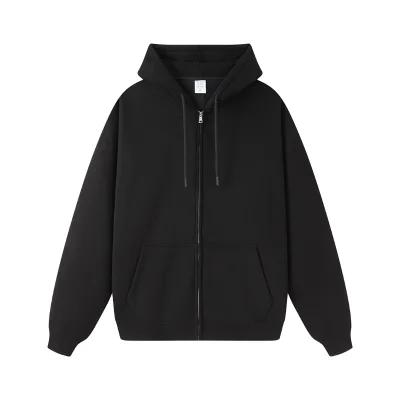

Hot Sale Heavyweight Cotton Crew Neck Custom Graphic Men's Hoodies Sweatshirt
$4.00 - $5.70
MOQ: 30 Pieces


Comprehensive Sourcing Guide
Strategic Sourcing Guide for Oversized Waterproof Cotton Crewneck Hoodies
Defining Product Specifications and Material Realities
When sourcing an Oversized Waterproof Cotton Crewneck Hoodie, buyers must first reconcile the inherent tension between material composition and functional performance. Cotton is a natural fiber known for its breathability and comfort, yet it is not naturally water-resistant. The term "waterproof" in this context typically implies a durable water-repellent (DWR) coating or a specialized blend rather than a solid waterproof membrane like those found in technical rain gear. Based on available market data, the material composition for such garments often includes cotton blends. These blends are engineered to enhance durability and potentially improve water resistance while retaining the aesthetic and tactile qualities of cotton.
The "oversized" fit is a critical specification that dictates the pattern grading and fabric consumption. In the current market, this style is frequently associated with specific size categories such as XL or Free Size, which allows for a relaxed silhouette. The product model identifiers found in current listings, such as Ann45, C0258, and pluhj, suggest a wide variety of SKUs that may share this silhouette but differ in other attributes. Buyers should verify that the "oversized" designation aligns with the specific size chart provided by the supplier, as "Free Size" can vary significantly between manufacturers.
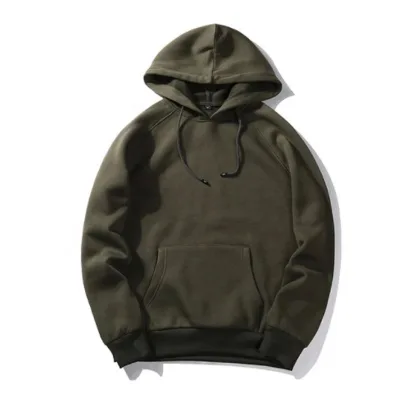
Furthermore, the construction of the hoodie must support the "crewneck" style, which lacks a hood, distinguishing it from the hooded variants often seen in the same category. However, some listings in the broader category indicate "Fixed" or "Removable" hood types, suggesting that buyers must be extremely precise in their search parameters to ensure the final product is a crewneck and not a hoodie. The sleeve length is predominantly observed as "Long Sleeve," which is standard for this garment type. The pocket configuration is another key specification; the "Kangaroo" pocket is a common feature in this style, providing utility without compromising the clean lines of the crewneck design.
Technical Standards and Packaging Protocols
Understanding the technical standards and packaging requirements is essential for logistics planning and cost estimation. The physical dimensions of the product and its packaging vary significantly depending on the specific model. For instance, some product standards list dimensions such as 504535cm or 26165cm, which likely refer to the packaging carton or the folded garment dimensions rather than the garment itself. These variations impact the volume of shipping containers and the resulting freight costs.
Packaging protocols are equally critical for maintaining product quality during transit. The observed standard for many units is "1 PCS Per Poly Bag," often accompanied by a requirement to "Fit in Box." This dual-layer protection prevents creasing and keeps the garment clean. Other models may utilize "Original Packaging" or specify a bulk carton count, such as "20PCS Per Carton." The weight standards also vary, with some listings noting "1kg per pc" or a general standard of "1kg," which serves as a baseline for freight calculations. Buyers must confirm the exact weight and dimensions of the specific model they intend to order, as these figures directly influence the landed cost.
The origin of the product is a consistent factor in the supply chain. The majority of these items originate from China, with specific manufacturing hubs noted in regions like Jiangsu. This geographic concentration suggests a mature supply chain with established logistics networks for both sea and air freight. The availability of multiple shipping methods, including Sea, Air, and Courier, provides flexibility for buyers based on their urgency and budget constraints. However, the choice of shipping method will interact with the packaging volume and weight to determine the final delivery timeline and cost.
Cost Drivers and Pricing Dynamics
The pricing structure for oversized waterproof cotton crewneck hoodies is influenced by several dynamic factors, including material costs, customization levels, and order volume. The observed price range in the market spans from $2.88 to $42.60 USD. This wide variance indicates that the base price is not fixed but is highly dependent on the specific configuration of the order. The lower end of the spectrum likely corresponds to basic, non-customized items with standard materials, while the higher end reflects premium blends, complex waterproofing treatments, or extensive customization.
Customization is a primary cost driver in this category. The market data confirms that customization is available, with options ranging from style adjustments to graphic printing. The "Custom Hoodie" and "Classical" styles suggest that buyers can request specific design elements, which will inevitably increase the unit cost. Additionally, the presence of different patterns, such as Solid, Camouflage, Graphic, and Floral, implies that the complexity of the print or dye process affects the price. Buyers seeking a specific pattern or a custom graphic design should anticipate a higher price point compared to standard solid colors like Black, White, or Gray.
Minimum Order Quantity (MOQ) is another significant factor affecting the total cost of procurement. The observed MOQ range is between 1 and 100 pieces. While some suppliers may offer low MOQs starting at 1 piece, others require a minimum of 100 pieces. This variability allows for different procurement strategies; buyers testing the market may opt for lower MOQs, while those establishing long-term supply chains may negotiate better unit prices by meeting higher volume thresholds. The payment terms, which include options like Wu, TT, and Made-in-China, also play a role in the financial planning of the purchase, though they do not directly alter the unit price.
Compliance, Certification, and Quality Verification
Ensuring compliance and verifying quality are paramount when sourcing apparel, particularly items with functional claims like "waterproof." While the specific product listings do not explicitly confirm certification status for every item, the broader market context often references standards such as BSCI. Buyers should treat such certifications as potential attributes to verify rather than guaranteed inclusions. It is crucial to request proof of compliance from the supplier, especially if the target market has strict regulatory requirements regarding textile safety and labor practices.
Quality verification should focus on the material integrity and the effectiveness of the waterproofing treatment. Since the material is often a blend of cotton and other fibers, the buyer must verify the percentage of cotton and the nature of the blend to ensure it meets the desired performance criteria. The "Breathable" feature is a common attribute listed, which is essential for comfort, but it must be balanced with the water resistance claim. Buyers should request sample testing to confirm that the garment retains breathability while offering the promised level of water protection.
The "Suitable for: Casual" attribute indicates the intended use case, but the "Adults" and "Unisex" designations suggest a broad market appeal. Quality control checks should include an inspection of the stitching, the durability of the print (if applicable), and the functionality of any closures or pockets. For items with "Fixed" or "Removable" hood types, the mechanism for attachment must be robust. The "Season: Spring / Autumn" designation implies that the garment is designed for moderate weather, and the fabric weight should be appropriate for these conditions. Buyers should verify that the product meets the seasonal performance expectations through physical inspection or third-party testing.
Supplier Evaluation and Operational Considerations
Evaluating suppliers requires a systematic approach that goes beyond the initial product listing. The availability of OEM (Original Equipment Manufacturer) services is a key indicator of a supplier's capability to handle custom orders. This service allows buyers to leverage the supplier's manufacturing expertise to create unique products that align with their brand identity. When selecting a supplier, buyers should assess their responsiveness, their ability to provide detailed product specifications, and their track record in handling similar orders.
The payment terms and shipping options are operational considerations that impact the efficiency of the procurement process. The availability of multiple payment methods, including TT and other options, provides flexibility in financial management. Similarly, the ability to ship via Sea, Air, or Courier allows buyers to balance cost and speed according to their inventory needs. However, buyers must be aware that the lead time for custom orders may be longer than for stock items, and this should be factored into the production schedule.
Supplier reliability is also tied to their ability to maintain consistent quality across batches. Given the variation in product models and specifications, such as the differences between model Ann45 and model C0258, buyers should ensure that the supplier has a robust quality assurance process. This includes regular inspections during production and final checks before shipment. The "Service: OEM" attribute suggests that the supplier is equipped to handle custom requirements, but the buyer must clearly communicate their expectations regarding materials, packaging, and quality standards to avoid discrepancies.
Long-Term Procurement and Market Adaptation
Sourcing oversized waterproof cotton crewneck hoodies is not just a one-time transaction but part of a long-term strategy that requires adaptability to market trends. The "Custom Hoodie" and "Classical" styles indicate that there is a demand for both trendy and timeless designs. Buyers should monitor fashion trends to ensure their product offerings remain relevant. The "Pattern" attribute, ranging from Solid to Floral, suggests that buyers can diversify their product line to cater to different customer preferences.
Long-term procurement also involves building a relationship with suppliers that can scale with the buyer's growth. As order volumes increase, buyers may be able to negotiate better pricing and more favorable terms. The ability to customize the product, including the "Style" and "Pattern," allows for continuous innovation and differentiation in the market. Buyers should also consider the environmental impact of their sourcing decisions, particularly regarding the materials used and the packaging waste generated.
Finally, the "Age: Adults" and "Gender: Unisex" attributes highlight the broad market potential of this product. Buyers should leverage this versatility to target a wide range of customers, from casual wear enthusiasts to those seeking functional outdoor apparel. By maintaining a focus on quality, compliance, and customization, buyers can establish a strong presence in the market and build a loyal customer base. The continuous evaluation of supplier performance and market conditions will ensure that the procurement strategy remains effective and responsive to changing demands.
FAQs
What materials are used for oversized waterproof cotton crewneck hoodies?
These garments typically use cotton blends rather than pure cotton to enhance durability and water resistance. The blend allows for breathability while maintaining the comfort of natural fibers. Buyers should verify the specific blend percentage to ensure it meets performance expectations for casual wear.
Which customization options are available for these hoodies?
Customization is available for style, pattern, and graphic printing to create unique designs. Options include solid, camouflage, graphic, or floral patterns to suit different preferences. Buyers can request specific styles like custom hoodies or classical designs to align with their brand identity.
How does the MOQ vary for these products?
The minimum order quantity ranges from 1 to 100 pieces depending on the supplier and specific model. Some suppliers allow low-volume testing with an MOQ of 1, while others require a minimum of 100 pieces for production. Buyers should confirm the exact MOQ for their chosen product model before ordering.
Can these hoodies be shipped via air freight?
Yes, shipping options include sea, air, and courier services to accommodate different urgency levels. The choice of shipping method depends on the packaging dimensions and total weight of the order. Buyers should calculate freight costs based on the specific model's packaging standards.
What are the standard packaging requirements for these items?
Standard packaging often involves one piece per poly bag, sometimes fitting into a box for protection. Some models specify bulk carton counts like 20 pieces per carton for efficiency. Buyers must verify the exact packing details for each model to ensure safe transit and compliance with their logistics needs.
Which sizes are commonly available for these hoodies?
Common sizes include XL, Free Size, and L to accommodate various body types and fit preferences. The oversized fit is frequently associated with Free Size or XL categories for a relaxed silhouette. Buyers should check the specific size chart for the model they select to ensure proper fit.