Source Painted Modern Wooden Clothespins for Weddings, DIY, and Wall Decor
Compare 30 listings for Painted Modern Wooden Clothespins tailored for weddings, DIY projects, and wall hanging decorations. Buyers can evaluate specifications like size, material, and customization options from verified Chinese manufacturers.
Key considerations
Products List
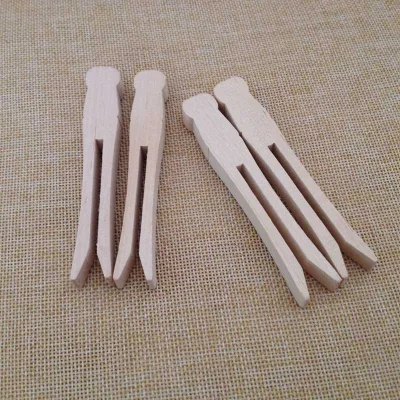


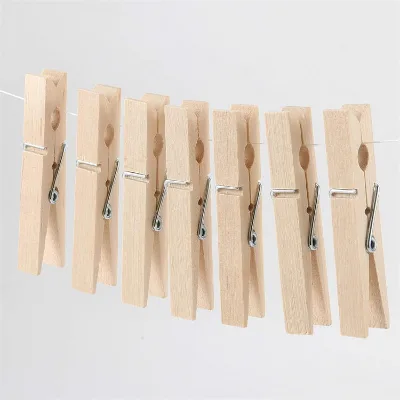

Wooden Clothes Coat Hanger Hooks
$0.85 - $0.99
MOQ: 10 Pieces
Nanping Jianyang Heng Xinwang Bamboo and Wooden Products Co., Ltd.


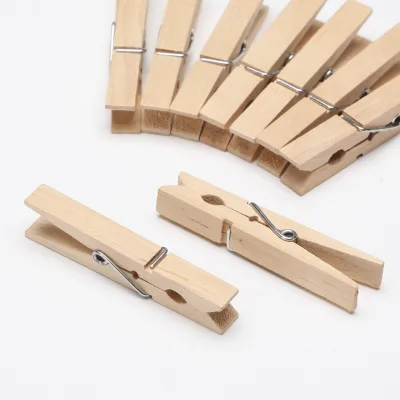
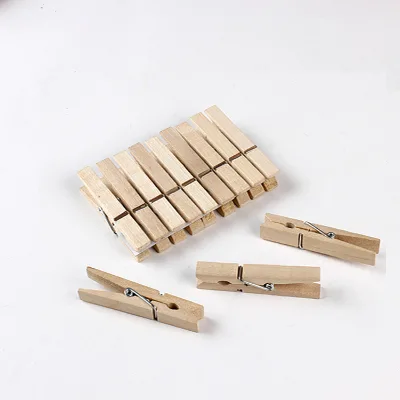
7.4cm Natural Birth Wooden Peg, Wooden Clothes Pegs for Clothes Laundrying
$0.20 - $0.30
MOQ: 6000 Minimum
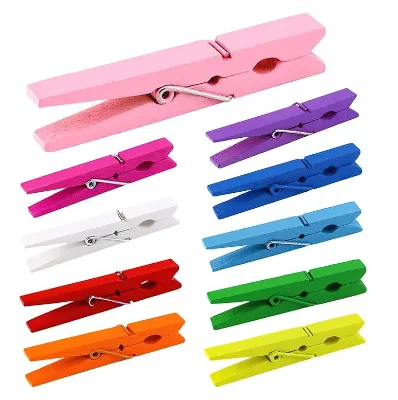


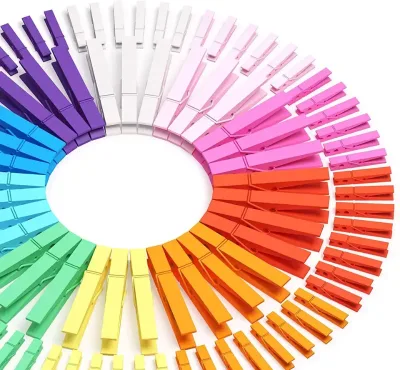
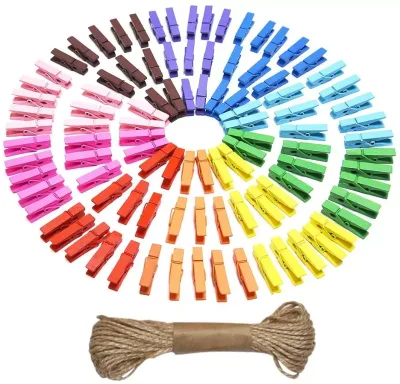
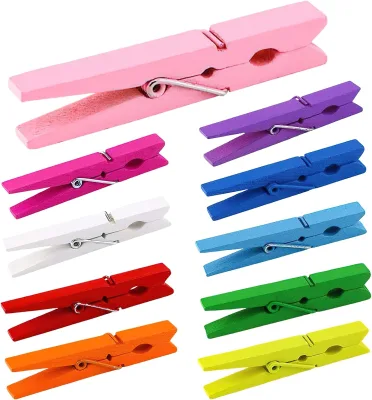
Comprehensive Sourcing Guide
Strategic Sourcing Guide for Painted Modern Wooden Clothespins
Understanding Product Specifications and Material Variability
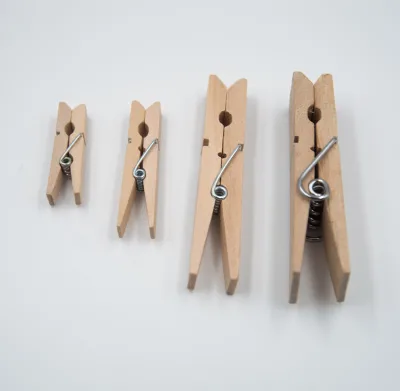
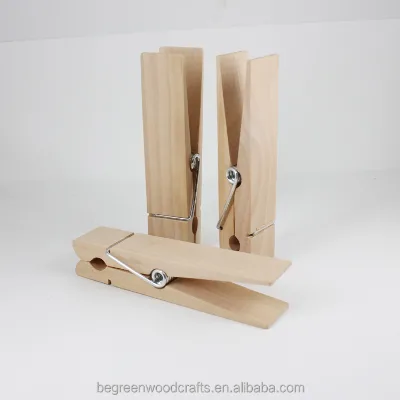
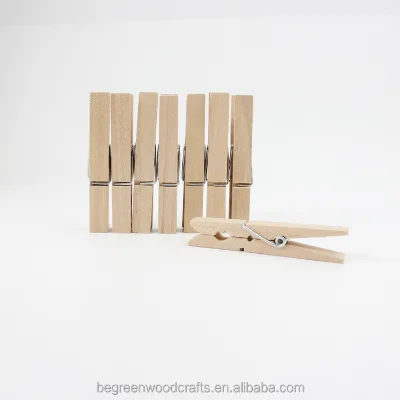
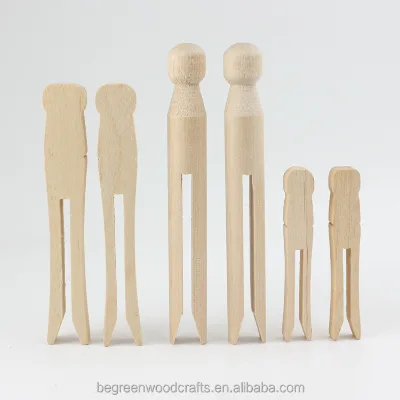
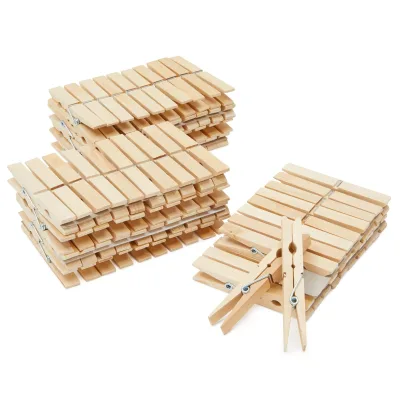
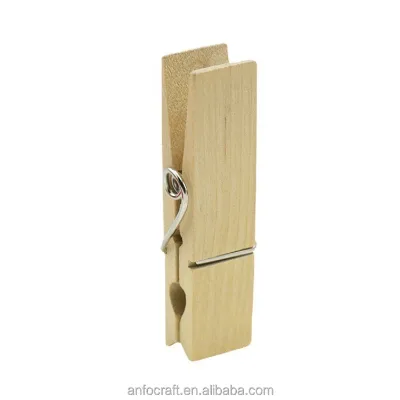
When sourcing Painted Modern Wooden Clothespins, buyers must first navigate a landscape of diverse technical specifications rather than a single uniform product. The core material for these items is consistently identified as wood, which offers a natural aesthetic that can be enhanced through various finishing techniques. However, the dimensions and structural forms vary significantly across different model numbers and intended applications. For instance, specific listings indicate a size range of 25, 35, 45, and 72mm, while other models are defined by a length of 15cm or specific dimensions such as 65/95/110mm. Some products are categorized by size codes like L and M, or by irregular shapes, suggesting that "modern" in this context encompasses both geometric precision and organic, handcrafted aesthetics.
The surface finish is a critical differentiator. While the raw material is wood, the "painted" aspect of the keyword implies a specific processing step. Available data points to a "Polished" technique, which prepares the surface for painting or staining. The color palette observed includes natural wood tones, beige, and specific natural hues. Buyers should verify if the "painted" requirement refers to a solid color application or a clear coat that preserves the wood grain. Furthermore, the customization options for branding are extensive, with logos available via engraving or printing. This flexibility allows for a wide range of visual identities, from minimalist engraved marks to full-color printed designs. The single package size also varies, ranging from 10x10x5 cm to 10x10x10 cm, which impacts logistics planning and storage density.
Compliance, Certification, and Environmental Standards
In the realm of wooden products, particularly those used in decorative or potentially household settings, compliance and environmental certification are paramount. While specific certification status cannot be definitively asserted for every unit without direct verification, the market context for wooden goods from the specified region often involves scrutiny regarding sustainable forestry. The FSC (Forest Stewardship Council) is a recognized standard in this sector, and buyers should actively inquire whether the supplier's wood source carries this certification. This is especially relevant given the "natural" and "wood" material attributes, where consumers increasingly demand proof of responsible sourcing.
Beyond environmental concerns, buyers must verify the safety of the paints and finishes used. Since these items are often used for "wedding clothespins" or "DIY clothespins," they may come into contact with skin or food-related items. It is essential to confirm that the paints used are non-toxic and meet relevant safety standards for the destination market. The "Polished" technique mentioned in the specifications suggests a mechanical finishing process, but the chemical composition of any applied coatings requires independent testing. Buyers should request Material Safety Data Sheets (MSDS) or equivalent documentation to ensure that the finished product does not contain hazardous substances. Additionally, the "Place of Origin" is identified as Guangdong, China, a major manufacturing hub. While this region has a robust supply chain, buyers must ensure that the specific factory adheres to international quality and safety protocols, rather than relying solely on regional reputation.
Cost Drivers and Pricing Dynamics
The pricing structure for Painted Modern Wooden Clothespins is influenced by several variable factors, primarily driven by order volume and customization complexity. The observed market data indicates a wide range in Minimum Order Quantities (MOQ), spanning from as low as 200 pieces to as high as 50,000 units. This variance suggests that pricing is highly tiered. Smaller orders, such as those with an MOQ of 200 or 3000 pieces, may carry a higher unit cost due to the fixed costs of setup and production line changes. Conversely, larger orders, potentially reaching 1,000,000 pieces per month in supply capacity, likely benefit from economies of scale.
The cost is also heavily impacted by the customization level. Products with standard "natural" or "beige" colors and simple "engraved" logos will generally be more cost-effective than those requiring complex "printing," specific "paint" colors, or unique "irregular" shapes. The "OEM" and "ODM" capabilities listed indicate that the supplier can accommodate custom designs, but these services invariably add to the unit price. Furthermore, the packaging details play a role; whether the items are packed as single units in polybags or in bulk cartons (e.g., 3000pcs/polybag or 200pcs/CTN) affects the final cost. Buyers should note that the "Sample time" of 7 to 10 days is a standard lead time for customization, which can influence the overall project timeline and associated costs if expedited shipping is required. The "Supply Ability" of 1,000,000 pieces per month suggests that for high-volume buyers, the unit price should be competitive, provided the order volume aligns with the supplier's capacity.
Typical Applications and Market Segmentation
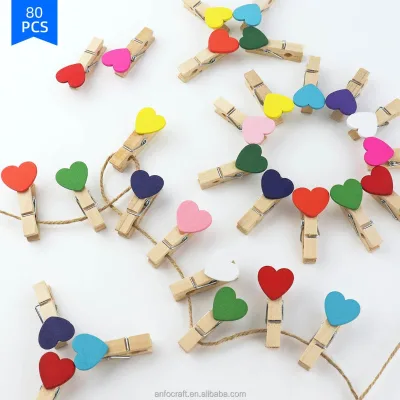
The versatility of Painted Modern Wooden Clothespins allows them to serve multiple market segments, ranging from event decor to functional DIY projects. The specific "usage" attributes highlight two primary applications: "wedding clothespins" and "DIY clothespins." In the wedding sector, these items are often used as decorative elements for table settings, photo displays, or as functional holders for favors and invitations. The "Theme: Love" and "Decoration" attributes align perfectly with this segment, where the aesthetic appeal of the natural wood combined with custom branding is crucial.
Beyond weddings, the "DIY clothespin" classification points to a robust market in crafting and home organization. These items are frequently used in scrapbooking, photo albums, and home decor projects where the "Theme: Fairy" or "Wall Hanging" applications are relevant. The "Multifunction" feature suggests that these clothespins are not limited to hanging laundry but are repurposed for artistic expression. The "Product Type" being listed as "Decoration" or "Painting" further underscores their role as aesthetic objects rather than purely utilitarian tools. Buyers targeting the retail or event planning sectors should consider the "Shape: Irregular" options, which offer a unique, artisanal look that appeals to consumers seeking handcrafted items. The "Selling Units: Single item" indicates that these products are often marketed individually or in small sets for retail display, rather than exclusively in bulk industrial packs.
Supplier Evaluation and Operational Capabilities
Selecting the right supplier requires a rigorous evaluation of their operational capabilities and logistical readiness. The data indicates that suppliers are located in Guangdong, China, with a "Port of dispatch" at Shenzhen. This location is strategic for international trade, offering efficient access to global shipping routes. However, buyers must verify the supplier's actual production capacity against their stated "Supply Ability" of 1,000,000 pieces per month. It is prudent to confirm whether this capacity is consistent year-round or subject to seasonal fluctuations.
The "Sample time" of 7 to 10 days is a critical metric for evaluating responsiveness. A supplier that can deliver samples within this timeframe demonstrates an agile production process, which is essential for verifying quality before committing to large orders. Buyers should also assess the "OEM" and "Custom" acceptance policies. The fact that "OEM" is welcomed and "Customized" is acceptable suggests a flexible manufacturing environment. However, the buyer must ensure that the supplier has the technical expertise to execute specific design requirements, such as precise "engraved/printing" logos or specific color matching. The "Packing Details" and "Single gross weight" (ranging from 0.100 kg to 0.300 kg) are also vital for calculating shipping costs and determining the most efficient packaging strategy. A supplier that offers "customized" packing can help optimize freight costs, especially for large orders where volume and weight are significant factors.
Quality Control and Long-Term Procurement Considerations
Maintaining consistent quality is essential for long-term procurement success, particularly for products that rely on visual appeal like painted wooden items. The "Polished" technique is a key quality indicator, but it must be consistently applied to ensure a smooth finish free of splinters or rough edges. Buyers should implement a quality control protocol that includes visual inspections for paint consistency, checking for uneven coloring or peeling. The "Single gross weight" variations suggest that weight can be a proxy for quality; significant deviations from the stated weight (e.g., 0.100 kg vs. 0.200 kg) might indicate differences in wood density or the amount of material used, which could affect durability.
For long-term procurement, establishing a clear communication channel regarding "Custom" requests is vital. The "Acceptable Cusomized" attribute implies that the supplier is open to changes, but buyers must document all specifications, including color codes, logo placement, and packaging requirements, to avoid discrepancies. The "Model Number" system (e.g., BG-W18010701, BG-W24092002) provides a structured way to track different product variations, which is helpful for maintaining consistency across multiple orders. Buyers should also consider the "Theme" and "Application" consistency; if a product is marketed for "Wedding" use, it must maintain a high standard of finish to meet the expectations of that market. Finally, verifying the "Brand Name" consistency, whether it is "begreen" or "be green," ensures that the branding aligns with the buyer's corporate identity or the intended market positioning. By focusing on these detailed aspects, buyers can secure a reliable supply chain for Painted Modern Wooden Clothespins that meets both aesthetic and functional requirements.
FAQs
How long does it take to receive samples for these clothespins?
Sample delivery typically takes 7 to 10 days for standard requests. This timeline applies to both engraved and printed logo options, ensuring you can verify quality before placing a bulk order.
What is the minimum order quantity for custom painted clothespins?
Minimum order quantities vary significantly, ranging from 200 pieces to 3000 units depending on the specific model. Buyers should check the exact MOQ for the desired size or customization level before confirming a purchase.
Which dimensions are available for these wooden clothespins?
Available sizes include 25, 35, 45, and 72mm, as well as a 15cm length option. Some models also come in specific codes like L and M or irregular shapes to suit different decorative needs.
Can I customize the logo on these wooden clothespins?
Yes, both engraving and printing options are welcomed for customization. The supplier accepts OEM and ODM requests, allowing you to add your brand logo or specific designs to the natural wood surface.
Where are these painted wooden clothespins manufactured?
These products originate from Guangdong, China, with dispatch ports located in Shenzhen. This location provides access to a robust supply chain for efficient international shipping and logistics management.
What is the monthly supply capacity for these items?
The supplier has a stated monthly supply ability of 1,000,000 pieces. This high capacity supports large volume orders while maintaining the ability to fulfill custom requests for weddings or DIY projects.
How are these clothespins packaged for shipment?
Packaging options include single polybags or bulk cartons containing 200 to 3000 pieces. The specific packing details depend on the model, with some items packed individually and others in larger sets.