Source Parking LED Panel for Car, SUV, and Truck
Compare 30 Parking LED Panel options from verified suppliers. These sensors support obstacle detection with LED displays for cars, SUVs, and trucks, featuring customizable designs, CE certifications, and IP54 ratings for reliable automotive safety applications across various vehicle types; compare the available evidence and request quotations based on your requirements.
Key considerations
Products List




Comprehensive Sourcing Guide
Parking LED Panel Sourcing Guide
Sourcing parking LED panels requires a clear understanding of the diverse hardware ecosystem, which ranges from simple obstacle detection sensors to complex multi-level parking guidance displays. Buyers must distinguish between passive safety components, such as ultrasonic or radar sensors that detect vehicle proximity, and active visual interfaces like large-format LED screens that provide real-time occupancy data. The observed market includes specialized units with specific form factors, such as the LS-PE5 sensor and the FJC-T9661 display, each serving distinct roles in the overall parking management architecture.
Procurement decisions should be driven by the specific operational environment, whether it involves indoor garages, outdoor lots, or accessible parking zones. The available data indicates a strong presence of products originating from China, with manufacturing hubs in Guangzhou, Guangdong Province, offering various customization options. Buyers need to evaluate whether their project requires standalone units or integrated systems that support data reporting and multi-language interfaces, ensuring the selected hardware aligns with the facility’s technical infrastructure and user experience goals.
Product Scope and Observed Listing Signals
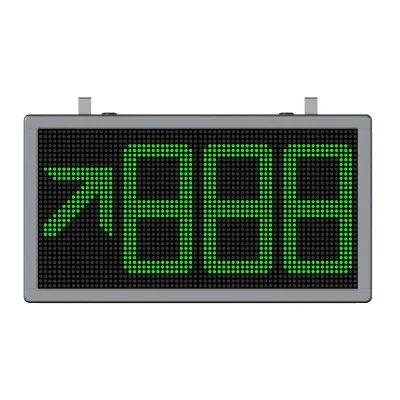
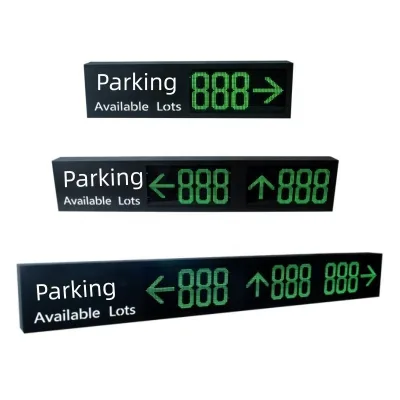
The current market landscape for parking LED panels and associated sensors reveals a wide spectrum of product types, including obstacle detection radars, car plate recognition units, and large outdoor displays. Observed listings highlight specific models like the LS-PE8 and FJC-CW07, which cater to different installation needs, from open-hole types to those requiring specific mounting standards. The presence of products with varying screen sizes, such as the 4.3-inch display, alongside larger structural units, suggests that buyers must carefully match the hardware to the viewing distance and information density required for their specific parking layout.
Price and minimum order quantity (MOQ) signals indicate a flexible supply chain, with observed price ranges spanning from low-cost sensors to high-value display systems. The MOQs vary significantly, allowing small-scale projects to procure individual units while larger infrastructure developments can benefit from bulk purchasing. Buyers should note that customization is widely available, enabling tailored solutions for unique facility requirements, but this flexibility often impacts lead times and unit costs, necessitating early engagement with suppliers to define exact specifications and commercial terms.
Technical Specifications to Verify
Technical verification must begin with electrical compatibility, as many observed units operate on a 916V DC working voltage, which is standard for automotive and industrial applications. Buyers should confirm that the power supply infrastructure in the parking facility can support this range without requiring extensive conversion equipment. Additionally, the operating temperature range of -20°C+80°C is a critical specification for outdoor installations, ensuring that the LED panels and associated sensors remain functional in extreme weather conditions without performance degradation or hardware failure.
Display and sensor performance metrics are equally vital for effective procurement. Key attributes to verify include response times, which can range from less than two seconds for sensors to up to fifteen seconds for certain display units, directly impacting the real-time accuracy of parking guidance. Buyers must also assess physical durability, looking for protection ratings like IP54 to ensure resistance against dust and water ingress. Furthermore, viewing angles and brightness levels, such as 800 CD/M², determine visibility under direct sunlight, making these specifications essential for outdoor parking lot applications.
Compliance and Safety Documentation
Compliance documentation is a non-negotiable aspect of sourcing parking LED panels, with certifications like ISO, CE, and RoHS frequently cited in product listings. These certifications indicate adherence to international standards for quality management, electromagnetic compatibility, and restriction of hazardous substances, respectively. Buyers must request valid certificates for each batch or model to ensure that the products meet the regulatory requirements of their target market, particularly when importing goods from manufacturing hubs like China to regions with strict environmental and safety laws.
Safety standards also extend to the physical installation and operational reliability of the hardware. Products often come with a three-year warranty, providing a baseline for supplier accountability and long-term support. Buyers should verify that the installation methods, such as open-hole types or specific packing standards, comply with local electrical and construction codes. Additionally, understanding the data privacy implications of features like car plate recognition is crucial, ensuring that the hardware and its software components adhere to relevant data protection regulations.
Cost Drivers and Commercial Terms
Cost drivers for parking LED panels include the complexity of the hardware, the inclusion of advanced features like multi-language interfaces or data report generation, and the level of customization required. Units with larger screens or specialized sensors, such as those with a test distance of 2.5-0.2m, typically command higher prices due to increased manufacturing complexity and component costs. Buyers should also consider the packaging requirements, as options like paper gift boxes or wooden boxes can impact shipping costs and handling procedures, especially for fragile electronic displays.
Commercial terms should be negotiated with a focus on total cost of ownership, including warranty coverage and after-sales support. The observed warranty period of three years suggests a standard industry expectation for product reliability, but buyers should clarify the scope of coverage, including parts and labor. Additionally, lead times and production capacity should be discussed upfront, particularly for customized orders, to ensure that the supplier can meet project deadlines. Clear communication regarding payment terms and shipping responsibilities will help mitigate financial risks and ensure a smooth procurement process.
Supplier Qualification and Quality Control
Supplier qualification begins with verifying the manufacturer’s production capabilities and quality control processes. Buyers should assess whether the supplier has a dedicated facility in Guangzhou, Guangdong Province, and whether they have the capacity to handle large orders with consistent quality. Requesting samples before placing bulk orders is essential to verify the physical attributes, such as material quality and display clarity, and to ensure that the products meet the specified technical standards.
Quality control measures should include pre-shipment inspections and adherence to standardized packing methods, such as carton or wooden box packaging, to prevent damage during transit. Buyers should also evaluate the supplier’s ability to provide technical support and documentation, including user manuals and installation guides, in the required languages. Establishing a clear communication channel for addressing defects or performance issues during the warranty period is crucial for maintaining long-term operational reliability and minimizing downtime in parking facilities.
Long-Term Procurement Checks
Long-term procurement success depends on establishing a robust relationship with suppliers who can provide consistent product availability and support. Buyers should monitor the supplier’s ability to maintain inventory levels for critical components, such as sensors and LED modules, to avoid delays in maintenance or expansion projects. Regular performance reviews of the installed hardware, including response times and durability under operational conditions, will help identify any recurring issues and inform future purchasing decisions.
Additionally, staying informed about technological advancements in parking LED panels and sensors is essential for maintaining a competitive and efficient parking management system. Buyers should engage with suppliers to understand upcoming product innovations, such as improved energy efficiency or enhanced connectivity features, that could offer long-term value. By maintaining a proactive approach to supplier management and technology adoption, organizations can ensure that their parking infrastructure remains reliable, safe, and cost-effective over time.
FAQs
What certifications do parking led panels have?
Parking led panels typically hold ISO, CE, and RoHS certifications. These standards ensure the products meet international safety and environmental requirements for automotive and outdoor applications.
How is the installation mode configured for these sensors?
The installation mode is defined as contact type with an open-hole type method. This design allows for secure mounting in various vehicle or parking structure environments.
Which models support obstacle detection radar functionality?
Models like LS-PE8-b function as obstacle detection radar sensors. They provide LED display warnings and operate within a specific temperature range for reliable performance.
Can these units be customized for specific needs?
Yes, customization is available for these parking led panels. Buyers can request specific configurations to match their unique operational requirements or branding preferences.
What is the warranty period for these products?
The standard warranty period for these units is three years. This coverage ensures long-term reliability and support for the purchased parking detection systems.
How does the display indicate warning statuses?
The warning type utilizes an LED display showing red, green, and yellow colors. This visual system provides clear status updates for drivers and parking operators.
What is the operating voltage range for the system?
The working voltage range is 9 to 16 volts DC. This specification ensures compatibility with standard vehicle electrical systems and parking infrastructure power supplies.
Which locations manufacture these parking led panels?
Products originate from China, specifically Guangzhou in Guangdong Province. This location serves as a primary hub for manufacturing and exporting these automotive sensor solutions.