Source Parking Sensor for Cars, Trucks, and Buses
Compare 30 Parking Sensor options from verified Chinese manufacturers. Buyers can evaluate probe counts, voltage compatibility, and installation methods for universal vehicle applications. These systems support 12V and 24V operation with customizable OEM logos and various probe configurations including 4, 6, or 8 units. Suppliers offer production within 20 to 30 days with shipping from Ningbo or Shanghai ports.
Key considerations
Products List




Comprehensive Sourcing Guide
Parking Sensor Sourcing Guide
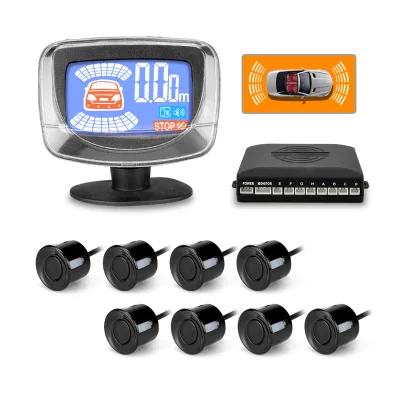
Sourcing parking sensors requires a clear understanding of the technical variations available in the market, particularly regarding probe configuration and installation methods. Buyers must distinguish between systems designed for specific vehicle makes and those labeled as universal, ensuring compatibility with the target fleet or aftermarket segment. The observed product range includes models with four probes, but options for six or eight sensors are also prevalent, allowing for tailored coverage depending on vehicle size and safety requirements.
Procurement decisions should also account for the physical installation constraints, such as open-hole types versus pre-drilled solutions, and the electrical interface, which typically supports 12V or 24V systems. Understanding the operating temperature range is critical for global distribution, as sensors must function reliably in extreme cold and heat. Additionally, the choice between built-in buzzers and display-integrated alerts impacts the user experience and the complexity of the wiring harness required for integration.
Product Scope and Observed Listing Signals
The current market landscape for parking sensors reveals a diverse array of product listings, with prices ranging from $0.50 to $5,000 USD, reflecting significant variation in component quality, feature sets, and packaging standards. This wide price band suggests that buyers must carefully evaluate what is included in the base price, such as whether the unit comprises only the sensors or a complete kit with control units, wiring, and displays. The minimum order quantities (MOQ) observed range from 1 to 2,000 units, indicating flexibility for both small-scale retailers and large-volume distributors, though some suppliers enforce higher MOQs like 200 or 800 pieces for standard configurations.
Listing signals also highlight specific model numbers such as 316001, 316002, and 316003, which may correspond to different probe diameters or cable lengths. Buyers should note that packing methods vary from color boxes for retail-ready units to neutral packages or bulk cartons for industrial distribution. The presence of customization options and OEM acceptance suggests that many manufacturers are equipped to handle branded orders, but buyers must verify if these services incur additional costs or require higher volume commitments to be viable.
Technical Specifications to Verify
When evaluating technical specifications, the probe diameter and cable length are critical factors that affect installation ease and durability. For instance, some sensors feature a diameter of 18.5mm, which must align with the vehicle’s bumper drill holes, while cable lengths vary significantly, with rear sensors often requiring longer runs, such as 6.05 meters, compared to front sensors at 3.95 meters. Buyers should verify that the cables are corrugated and waterproof to withstand environmental exposure and mechanical stress during vehicle operation, ensuring long-term reliability.
The detection range and warning mechanisms are equally important for user safety and satisfaction. Typical test distances may range from 0.3 to 2.5 meters, with specific front and rear detection zones defined, such as 30-70cm for the front and 35-100cm for the rear. Buyers must confirm whether the system uses a simple buzzer alarm or integrates with the car’s original screen and center console display. Additionally, checking for Canbus system support, including Canlow and Canhigh compatibility, is essential for modern vehicles to prevent error codes and ensure seamless integration with existing electronic architectures.
Compliance and Safety Documentation
Compliance with international standards is non-negotiable for automotive components, and buyers must verify that suppliers provide valid certification documents before placing orders. Common certifications observed in this category include RoHS, FCC, CE, CCC, and E-Mark, each addressing different regulatory requirements for environmental safety, electromagnetic compatibility, and market access in specific regions. The absence of these certifications can lead to customs delays, product recalls, or legal liabilities, making it imperative to request and validate these documents for every batch of sensors purchased.
Beyond certifications, the operational safety features must be clearly documented. Buyers should ensure that the warning type, such as buzzing alarms, meets local noise and safety regulations. The operating temperature range, typically specified between -20°C and +80°C or wider ranges like -40°C to +80°C, must be validated against the climatic conditions of the target market. Verifying these parameters helps prevent field failures due to thermal stress, ensuring that the sensors perform consistently across diverse environmental conditions.
Cost Drivers and Commercial Terms
Several factors influence the final cost of Parking Sensor systems, including the number of probes, the complexity of the wiring harness, and the level of integration with vehicle displays. Systems with Canbus support or those designed for specific OEM logos often carry a premium due to the additional engineering and programming required. Buyers should also consider the packaging costs, as retail-ready color boxes are more expensive than neutral or bulk carton packaging, which can significantly impact the landed cost per unit for different sales channels.
Commercial terms such as payment methods, lead times, and warranty periods are crucial for managing cash flow and risk. Typical payment options include TT, Western Union, and PayPal, each with different security implications and processing times. Production lead times are often estimated at 20-30 days, which buyers must factor into their inventory planning to avoid stockouts. Warranty terms, commonly offering 12 months or one year of coverage, provide a safety net for defects, but buyers should clarify the claim process and whether replacement parts are provided free of charge.
Supplier Qualification and Quality Control
Supplier qualification begins with verifying the place of origin and manufacturing capabilities, with many suppliers located in Zhejiang, China, a hub for automotive electronics. Buyers should assess the supplier’s ability to handle OEM requests, including logo printing and custom packaging, as this indicates their flexibility and commitment to brand-specific requirements. It is also important to evaluate their production capacity and quality control processes, ensuring they have standardized procedures for testing each sensor’s detection range and durability before shipment.
Quality control measures should include random sampling and functional testing of received goods to verify that the sensors meet the specified detection distances and warning thresholds. Buyers should establish clear acceptance criteria for defects, such as non-functional probes or damaged cables, and communicate these expectations to the supplier in advance. Building a relationship with suppliers who offer responsive after-sales support and clear warranty terms can mitigate risks associated with batch defects or installation issues in the field.
Long-Term Procurement Checks
Long-term procurement success depends on continuous monitoring of supplier performance and product reliability in the field. Buyers should track warranty claim rates and customer feedback to identify any recurring issues with specific models or batches. Regular audits of supplier quality systems and periodic re-verification of certifications ensure that the supplier maintains compliance with evolving regulatory standards and industry best practices.
Additionally, buyers should stay informed about technological advancements in Parking Sensor systems, such as improved Canbus integration or enhanced detection algorithms, to remain competitive in the market. Establishing a feedback loop with end-users can provide valuable insights into performance under real-world conditions, allowing for proactive adjustments in future orders. By maintaining a strategic approach to supplier management and product evaluation, buyers can ensure a steady supply of high-quality parking sensors that meet customer expectations and regulatory requirements.
FAQs
How many probes can a Parking Sensor kit include?
Listed Parking Sensor systems commonly come with 4 probes, and some models support 4, 6, or 8 sensor configurations. The right count depends on your vehicle type and coverage needs, since rear-only installations often use 4 probes while full front and rear coverage may require 6 or 8. Check the specific model listing before ordering.
What operating temperature range do these parking sensors support?
Operating ranges vary by model, with listed options covering -40°C to +80°C and -20°C to +80°C. The wider range suits vehicles exposed to severe cold climates, while the standard range fits most passenger car applications. Confirm the exact rating on the product page so it matches the climates where the vehicles will operate.
Which certifications are available for the Parking Sensor models?
Certifications listed across models include CE, RoHS, FCC, E-Mark, and CCC. Not every model carries every certification, so buyers should verify which marks apply to the specific unit they intend to order. This matters most for regulated markets or for fleet and aftermarket programs that require documented compliance during import and retail inspection.
Can I order parking sensors with my own brand or logo?
Yes, OEM cooperation is acceptable and custom logo printing is available on listed models. Customization options extend to branding elements, and minimum order quantities apply, with listed MOQs starting at 200 to 800 pieces depending on the model. Discuss artwork requirements and packaging preferences with the supplier before confirming production timelines.
What is the typical production lead time after ordering?
Listed production time is 20 to 30 days after order confirmation. This window generally covers manufacturing but may shift with order volume, customization requirements, and seasonal capacity. If your project has a fixed deadline, confirm the current schedule with the supplier and factor in shipping time from ports such as Ningbo or Shanghai.
How does the sensor detect obstacles and warn the driver?
The listed systems use obstacle detection radar technology with supersonic probes to measure distance, and test distances span roughly 2.5 meters down to 0.3 meters. Warnings are delivered through a buzzer alarm, which can use the original car buzzer or a built-in buzzer box. Some kits also integrate with the vehicle's original screen and center console display.
What warranty terms apply to these Parking Sensor products?
Listed warranty terms range from 12 months to 1 year depending on the model. Warranty coverage typically addresses manufacturing defects under normal use, so clarify whether labor, replacement parts, or shipping costs are included. Keep installation records and confirm warranty handling procedures with the supplier before placing a volume order.
Which vehicles and voltages do these parking sensors fit?
Listed models are universal fit and support both 12V and 24V electrical systems, covering most passenger cars and light commercial vehicles. Installation uses an open-hole mounting method, and sensor colors can be selected to match bumpers. Verify your vehicle's voltage and bumper thickness before ordering to ensure compatibility with the chosen kit.