Source Vacuum Robot Gripper for Welding, Load, and Sprue Pick
Find 30 Vacuum Robot Gripper options from verified Chinese manufacturers. Compare specifications including drive modes, payload capacities, and certifications like CE and ISO for applications in welding, logistics, and food processing.
Key considerations
Products List
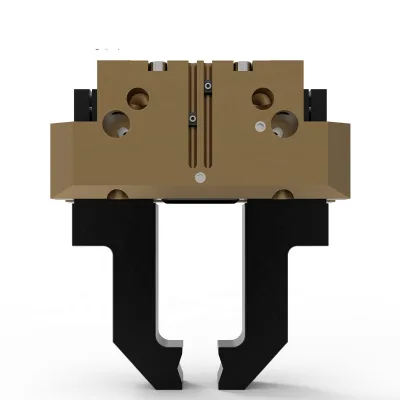


Flexible Robot Hand Soft Gripper for Intelligent Manufacturing Applications
$35.00 - $90.00
MOQ: 1 Pieces


3kgs Collbrative Robot Gripper Robotiq on Robot Linkage-Type Adaptive Grippers Phnematic Gripper
$1000.00 - $7000.00
MOQ: 1 Pieces


Parallel Robot Manipulator Robot Arm Gripper Intelligent Robotics Arm Loading and Unloading
$2000.00 - $15000.00
MOQ: 1 Pieces

Vacuum Grippers High Quality Good Price Collaborative Robots Soft Grippers
$8000.00 - $15000.00
MOQ: 1 Pieces

User-Friendly Heavy-Duty Collaborative Palletizing Robot for Efficient Operations
$8000.00 - $15000.00
MOQ: 1 Pieces



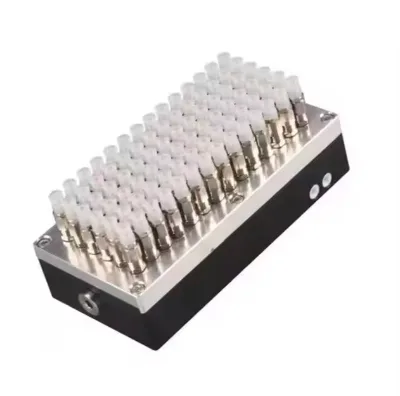
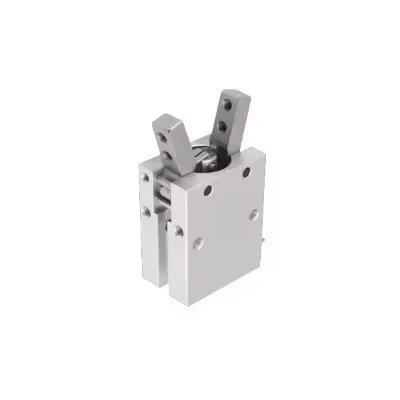
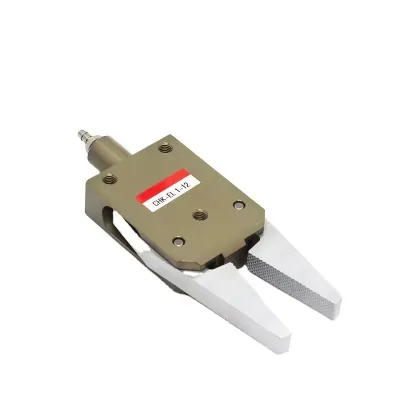
Comprehensive Sourcing Guide
Vacuum Robot Gripper Sourcing Guide
Selecting the right Vacuum Robot Gripper requires a careful balance of technical compatibility, operational reliability, and commercial viability. These end-of-arm tools are critical for automating material handling tasks, particularly in industries where delicate or irregularly shaped objects must be moved without damage. The decision to source these components involves evaluating not just the immediate mechanical fit, but also the long-term support structure, certification compliance, and total cost of ownership. Buyers must navigate a market where specifications vary widely, from lightweight pneumatic units to heavy-duty electric systems, ensuring that the selected gripper aligns with the specific demands of the production line.
This guide provides a structured approach to sourcing vacuum robot grippers based on observed market data and industry standards. It focuses on verifying technical specifications, understanding cost drivers, and establishing robust supplier qualification processes. By adhering to these procurement principles, buyers can mitigate risks associated with equipment failure, non-compliance, and supply chain disruptions. The following sections detail the essential steps for evaluating products, negotiating terms, and ensuring quality control throughout the procurement lifecycle.
Product Scope and Observed Listing Signals
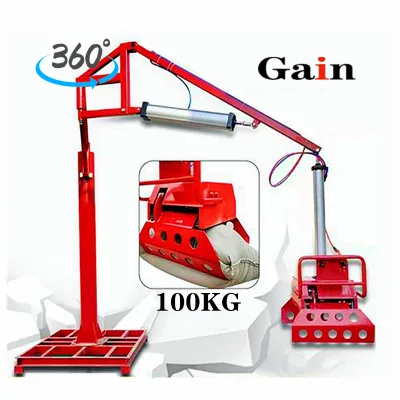
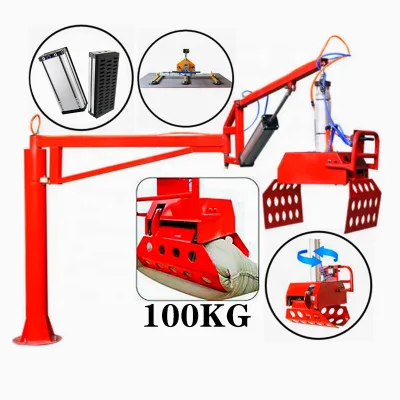
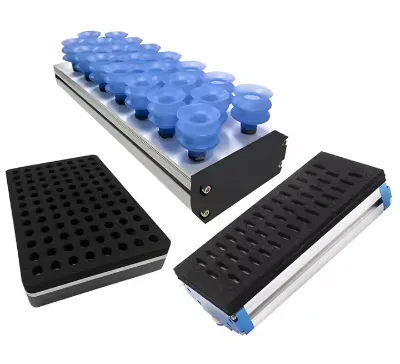
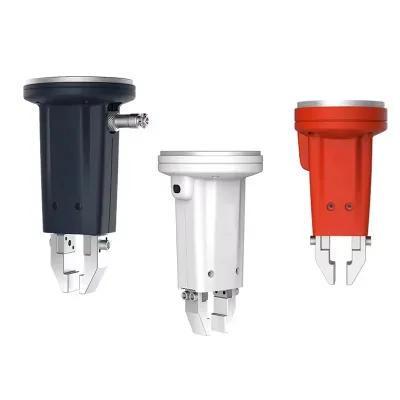
The market for vacuum robot grippers encompasses a diverse range of products, including manual and automatic variants designed for various industrial applications. Observed listings indicate that these tools are primarily categorized under "Tooling" and are often branded by specialized manufacturers such as Aovita. The product scope extends across multiple industries, including manufacturing plants, food and beverage factories, pharmaceuticals, logistics, electronics, and automotive sectors. This broad applicability suggests that buyers should look for versatile solutions that can be customized to meet specific operational needs, such as sprue picking, welding, or general load handling.
Listing signals reveal significant variation in product attributes, which serves as a critical indicator of market diversity. For instance, drive modes range from mechanical and pneumatic to electric, while control modes include continuous path control and manual programming. Weight specifications also vary considerably, with some units weighing as little as 0.1 kg and others up to 0.55 kg, indicating options for both lightweight precision tasks and heavier industrial loads. Buyers should interpret these signals as evidence of a fragmented market where customization is available, necessitating a thorough review of individual product datasheets to ensure compatibility with existing robotic arms and production workflows.
Technical Specifications to Verify
Verifying the technical specifications of a Vacuum Robot Gripper is paramount to ensuring seamless integration into automated systems. Key parameters to confirm include the drive mode, control system, and degrees of freedom. For example, some units operate on pneumatic or electric drives, while others may be mechanical, each offering distinct advantages in terms of speed, force, and maintenance requirements. Additionally, the control mode, whether it be Mudbus or manual programming, must align with the robot controller’s communication protocols. Buyers should also check the payload capacity, which can range from less than 2 kg to as high as 100 kg, to ensure the gripper can handle the intended load without compromising performance or safety.
Material composition and physical dimensions are equally critical factors in the selection process. Many grippers are constructed from aluminum alloy steel, offering a balance of strength and lightweight properties, which is essential for maintaining high cycle speeds and reducing energy consumption. The muscle size, often specified in kilograms, indicates the gripping force or load capacity, with ranges typically spanning from 1 to 11 kg for standard models. Furthermore, the condition of the product, whether new or refurbished, and the presence of customization options should be verified. Buyers must ensure that the gripper’s physical dimensions and mounting interfaces match the robotic arm’s specifications to avoid costly modifications or integration failures.
Compliance and Safety Documentation
Compliance with international standards is a non-negotiable aspect of sourcing industrial automation components. Certifications such as CE and ISO are commonly observed in product listings, indicating adherence to European safety and quality regulations. These certifications are crucial for ensuring that the gripper meets the necessary electrical, mechanical, and environmental safety requirements, particularly when operating in regulated industries like food and beverage or pharmaceuticals. Buyers should request valid certification documents from suppliers to verify that the products have undergone rigorous testing and meet the applicable standards for their intended market.
In addition to certifications, documentation related to machinery test reports and warranty terms provides valuable insights into product reliability and supplier confidence. While some listings indicate that machinery test reports are not available, others may provide video outgoing inspections, which serve as a preliminary verification of product quality. Warranty periods also vary, with some suppliers offering one-year warranties on the entire unit and three-month warranties on core components. Buyers should carefully review these terms to understand the extent of coverage and the supplier’s commitment to after-sales support, which can significantly impact long-term operational costs and downtime risks.
Cost Drivers and Commercial Terms
Understanding the cost drivers associated with vacuum robot grippers is essential for effective budgeting and negotiation. The price range for these products can vary significantly, from approximately $7.66 to $15,000, depending on factors such as complexity, material quality, and customization requirements. Basic pneumatic or mechanical grippers tend to be more affordable, while advanced electric or customized models with integrated sensors and control systems command higher prices. Buyers should consider the total cost of ownership, including maintenance, spare parts, and potential downtime, rather than focusing solely on the initial purchase price.
Commercial terms, including minimum order quantities (MOQ) and packaging standards, also influence the overall procurement strategy. Observed listings often show an MOQ of 1 unit, indicating flexibility for small-scale trials or custom orders. Packaging methods, such as carton or plywood carton, are designed to protect the gripper during transit, but buyers should verify that the packaging meets their logistical requirements to prevent damage. Additionally, lead times and shipping terms should be clarified early in the negotiation process to ensure timely delivery and alignment with production schedules. Buyers should also inquire about bulk pricing discounts or long-term partnership agreements to optimize costs over time.
Supplier Qualification and Quality Control
Supplier qualification is a critical step in mitigating risks associated with product quality and delivery reliability. Buyers should assess suppliers based on their production capabilities, quality control processes, and after-sales service offerings. For instance, some suppliers provide video outgoing inspections, which allow buyers to verify the product’s condition before shipment. Additionally, the availability of online technical support and extended warranty periods, such as 10 years for certain services, indicates a supplier’s commitment to long-term customer satisfaction. Buyers should prioritize suppliers with a proven track record of delivering high-quality products and responsive support.
Quality control measures should be integrated into the procurement process to ensure that received products meet specified standards. This includes verifying the product’s condition, material composition, and functional performance upon arrival. Buyers should also establish clear communication channels with suppliers to address any discrepancies or issues promptly. Regular audits and performance evaluations can help maintain high standards and identify areas for improvement. By implementing robust quality control protocols, buyers can minimize the risk of receiving defective products and ensure consistent performance in their automated systems.
Long-Term Procurement Checks
Long-term procurement checks are essential for maintaining operational efficiency and minimizing disruptions. Buyers should regularly review supplier performance metrics, including delivery times, product quality, and after-sales support responsiveness. Establishing key performance indicators (KPIs) and conducting periodic audits can help identify potential issues early and facilitate continuous improvement. Additionally, maintaining a diversified supplier base can reduce dependency on a single source and mitigate risks associated with supply chain disruptions.
Technology updates and industry trends should also be monitored to ensure that the procured grippers remain relevant and competitive. As automation technologies evolve, new features and capabilities may become available, offering opportunities for enhanced performance and efficiency. Buyers should engage with suppliers to stay informed about product advancements and explore opportunities for upgrades or replacements. By proactively managing the procurement lifecycle, buyers can ensure that their vacuum robot grippers continue to meet operational needs and contribute to overall business success.
FAQs
What is the warranty period for the robot gripper?
The standard warranty period is one year for the main product. Additionally, core components carry a separate three-month warranty coverage. This ensures basic protection for the mechanical and electrical parts during initial operation.
Which certifications does the Vacuum Robot Gripper hold?
The product holds ISO and CE certifications for safety and quality compliance. Some models also include FCC and RoHS certifications to meet international electronic standards. These documents verify the device meets specific regulatory requirements for industrial use.
Can the robot gripper be customized for specific needs?
Yes, customization is available for this product line to meet unique requirements. Buyers can request specific models or specifications tailored to their production lines. This flexibility allows integration into various manufacturing environments without major modifications.
What is the weight of the aluminum alloy steel gripper?
The observed weight for the aluminum alloy steel model is 0.55 kg. Another variant listed has a weight of 0.1 kg depending on the specific configuration. These lightweight designs facilitate easy installation and reduce the load on the robot arm.
How is the product packed for shipping?
The product is typically packed in carton packaging or plywood cartons for protection. Specific dimensions like 45*30*20cm may apply to certain models. This packaging ensures the gripper arrives safely without damage during international transit.
What drive modes are available for the robot gripper?
Available drive modes include mechanical, pneumatic, and electric options. The control mode can be set to continuous path control or manual programming control. These variations allow selection based on the specific automation requirements of the application.
Where is the place of origin for these robot grippers?
The products originate from Shandong and Jiangsu provinces in China. Some showrooms are located in Germany for customer viewing. This distribution network supports global sourcing while maintaining manufacturing quality in the specified Chinese regions.