Source Partial Hard Jute Bag for Jewelry, Gifts, and Travel
Compare 30 verified listings for Partial Hard Jute Bag options featuring single yarn, woven techniques, and customized dimensions. Buyers can evaluate specifications like GSM weight, packing types, and logo printing capabilities to find the right solution for home textile or gift packaging needs.
Key considerations
Products List


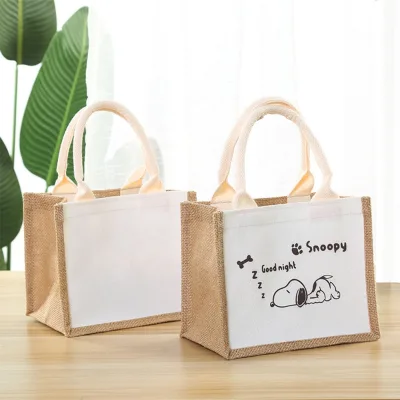
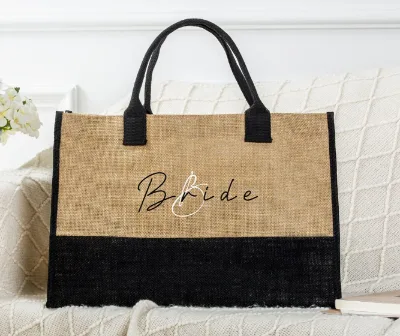

Wholesale Jute Ladies Bags Reusable Waterproof Jute Bags for Gift From China
$0.99 - $2.00
MOQ: 500 Pieces




Comprehensive Sourcing Guide
Strategic Sourcing Guide for Partial Hard Jute Bags
Understanding Product Specifications and Material Composition
When initiating a procurement strategy for partial hard jute bags, the buyer must first establish a precise understanding of the product's physical and material attributes. The core definition of this item relies on the specific combination of natural fibers and structural reinforcement. The primary material is identified as 100% Jute, a natural fiber known for its durability and biodegradability. This material forms the outer shell of the bag, providing a rustic aesthetic and a sturdy base for various applications.
A critical technical differentiator for this product category is the "Partial Hard" attribute. Unlike fully rigid containers or soft, unstructured totes, partial hard jute bags incorporate specific stiffening elements within their construction. This structural feature is often achieved through the inclusion of an inside material, such as Polyester, which provides the necessary rigidity to maintain the bag's shape without compromising the natural feel of the jute exterior. The hardness level is explicitly categorized as "Partial Hard," indicating a balance between flexibility and structural integrity. This makes the bag suitable for holding items that require some protection from crushing but do not demand the full rigidity of a hard-shell case.
The production technique employed is "Woven," a traditional method that enhances the tensile strength of the jute fibers. The weight of the material varies significantly, with observed specifications ranging from 9 to 220 GSM (grams per square meter). This wide range allows buyers to select products based on their specific load-bearing requirements; lighter weights may be suitable for promotional gifts, while heavier weights are necessary for retail packaging of heavier goods. The style is generally described as "Simple" or "Plain," though variations exist to meet specific market trends. The bag is designed to be unisex in its general application, though specific models may be tailored for female demographics.
Standard dimensions for these bags are not uniform across all suppliers. While some models adhere to specific standard sizes like 40*60cm or 18X24INCH, the prevailing trend in this category is customization. Buyers should expect that the standard size is often a baseline for a "customized" product, where dimensions can be adjusted to fit the specific needs of the end-user. The number of yarns used in the weaving process is typically "Single," which influences the texture and density of the fabric. Understanding these baseline specifications is the first step in defining a Request for Quotation (RFQ) that aligns with operational needs.
Compliance, Certification, and Regulatory Considerations
Navigating the regulatory landscape for natural fiber products requires a careful approach to compliance and certification. While the supply chain for jute products is extensive, the specific certification status of individual suppliers varies and cannot be assumed without verification. In the context of jute sourcing, buyers often look for environmental and ethical certifications. One such certification that appears in the broader market context is GOTS (Global Organic Textile Standard). However, it is crucial to note that the presence of GOTS in background data does not guarantee that every listed product or supplier possesses this certification.
Buyers must treat certification claims as observations rather than inherent product attributes. When evaluating a potential supplier for partial hard jute bags, the procurement team should explicitly request current certification documents. The absence of a specific certification on a product listing should not be interpreted as a failure of quality, but rather as a need for further due diligence. The origin of the product is a significant factor in compliance, as the majority of these items are sourced from China, with specific manufacturing hubs noted in locations like Wenzhou. Regional regulations in the country of origin and the destination market must be cross-referenced to ensure that the jute and polyester materials meet local safety and environmental standards.
For products intended for food, jewelry, or cosmetic applications, additional material safety checks are mandatory. The "Inside Material" being Polyester raises questions regarding chemical treatments and potential leaching, especially if the bag is used for direct contact with sensitive items. Buyers should verify that the polyester lining is free from harmful substances and meets the relevant safety standards for the intended usage. Furthermore, the "Woven" technique and the use of jute imply a natural product that may require specific treatment for pest resistance or fire retardancy, depending on the destination market's regulations.
The "Customization" attribute available in the product line suggests that buyers can tailor the bag to meet specific regulatory needs, such as adding specific labeling or using certified organic jute if the supplier offers that option. However, this must be confirmed during the supplier evaluation phase. The lack of a universal standard for "Partial Hard" jute bags means that compliance is largely defined by the specific requirements of the buyer's industry. For instance, a bag used for "Home Textile" applications may have different compliance requirements compared to one used for "Gifts" or "Health Care Products." Therefore, the procurement strategy must include a rigorous verification process for all certifications and material safety data sheets (MSDS) before finalizing any order.
Cost Drivers and Pricing Dynamics
The pricing structure for partial hard jute bags is influenced by a complex interplay of material costs, manufacturing complexity, and order volume. The observed price range in the market is between 0.06 and 3 USD per unit. This wide variance indicates that the final cost is highly dependent on the specific configuration of the bag. Several key factors drive these costs. First, the weight of the jute fabric, ranging from 9 to 220 GSM, directly impacts the raw material cost. Heavier fabrics require more jute fiber, which increases the base price.
Second, the structural complexity of the "Partial Hard" design adds to the manufacturing cost. The integration of an inside polyester lining and the specific weaving techniques required to achieve the desired stiffness involve additional labor and machinery time compared to simple woven totes. The "Woven" technique itself, while traditional, can be labor-intensive, especially when high-quality weaving is required to ensure durability. The inclusion of features such as "Logo Printing" or "Customized Logo" also adds a layer of cost. While some suppliers offer standard printing, custom designs often require setup fees or higher per-unit costs for the printing process.
Order volume is another critical cost driver. The Minimum Order Quantity (MOQ) for these products typically ranges from 100 to 1000 units, with some specific models requiring an MOQ of 500. Larger orders generally benefit from economies of scale, reducing the per-unit cost. However, the "Factory-Direct" advantage mentioned in some product attributes suggests that buyers may achieve better pricing by sourcing directly from the manufacturer rather than through intermediaries. This direct relationship can help mitigate markups and provide more flexibility in negotiating price based on volume.
Packaging also plays a role in the final cost. The product is available in various packing options, including "Woven Bag," "Carton," "Box," and "OPP Bag + Carton." The choice of packaging affects the overall cost, as more protective or premium packaging solutions like boxes or cartons will increase the unit price compared to simple woven bags. Additionally, the customization of dimensions, such as selecting a specific size from the range of Small (20-30cm), Medium (30-50cm), or Large (>50cm), can influence the material usage and, consequently, the price. Buyers should carefully balance their requirements for quality, customization, and volume to optimize their procurement costs within the observed price range.
Typical Applications and Usage Scenarios
The versatility of partial hard jute bags makes them suitable for a diverse range of applications across multiple industries. The primary usage categories identified include Home Textile, Food, Jewelry, Digital Products, Gifts, Cosmetics, Toys, Drinks, and Health Care Products. This broad applicability stems from the bag's unique combination of natural aesthetics and functional durability. The "Partial Hard" structure provides a protective element that is particularly valuable for fragile items like jewelry, cosmetics, or digital products, while the jute material offers an eco-friendly appeal that aligns with modern consumer preferences.
In the "Home Textile" sector, these bags serve as storage solutions or decorative items. Their "Simple" and "Plain" styles allow them to blend seamlessly into various interior design themes, while the "Partial Hard" feature ensures they maintain their shape when used for storage. For the "Gift" industry, the bags are ideal for packaging promotional items or luxury goods. The ability to customize the logo and dimensions allows brands to create unique packaging that enhances their brand identity. The "Anniversary" occasion listed as a specific use case highlights their suitability for commemorative gifts.
The "Food" and "Health Care Products" sectors benefit from the natural and biodegradable nature of jute. These bags can be used for packaging organic products, teas, or herbal supplements, offering a sustainable alternative to plastic packaging. The "Waterproof" attribute is noted as "Non-Waterproof" for some models, which is a critical consideration for buyers in the food and beverage industries. If water resistance is required, buyers must verify if the supplier offers treated jute or additional lining options. For "Digital Products" and "Jewelry," the "Shockproof" and "Multi-functional" features, along with the "Partial Hard" structure, provide necessary protection during transit.
The "Style" of the bag, which can range from "Leisure" to "Business," further expands its application potential. A "Vintage" or "Fashion" style bag might be used for retail shopping, while a "Casual" or "Sporty" design could be suitable for gym or travel accessories. The "Detachable Shoulder Strap" feature mentioned in some product attributes adds to the functionality, making the bag suitable for "Travel" and "Outdoor" activities. The "Gender" specification, ranging from "Unisex" to "Female," allows buyers to target specific demographics. By understanding these diverse usage scenarios, procurement teams can select the most appropriate product configuration for their specific market needs.
Supplier Evaluation and Quality Control Protocols
Evaluating suppliers for partial hard jute bags requires a systematic approach to ensure that the product meets quality standards and delivery expectations. The "Factory-Direct" advantage suggests that manufacturers are the primary source, but buyers must still conduct thorough due diligence. Key evaluation criteria include the supplier's production capacity, quality control processes, and ability to handle customization. The "Customization" attribute is a significant factor, as it requires the supplier to have flexible manufacturing lines capable of producing unique designs, sizes, and logos.
Quality control should focus on the structural integrity of the "Partial Hard" design. Buyers should verify that the inside polyester material is securely attached and that the jute weaving is consistent and free from defects. The weight specification of 9-220 GSM should be strictly monitored to ensure that the bag meets the required durability standards. Additionally, the "Woven" technique must be inspected for uniformity and strength. For bags intended for specific uses like "Food" or "Jewelry," the cleanliness and safety of the materials must be confirmed through appropriate testing.
The "MOQ" range of 100-1000 units is a critical factor in supplier selection. Buyers should assess whether the supplier can accommodate their order volume without compromising quality or lead times. The "Lead Time" is not explicitly provided in the data, so buyers must negotiate this term clearly during the procurement process. The "Origin" of the product, primarily China with specific hubs in Wenzhou, should be considered in terms of logistics and shipping costs. Buyers should also verify the "OEM/ODM" capabilities of the supplier, as this indicates their ability to produce custom designs and private label products.
To ensure consistent quality, buyers should implement a rigorous inspection protocol. This may include pre-production samples, in-process inspections, and final random inspections before shipment. The "Logo Printing" and "Customized Logo" features should be checked for accuracy and durability. The "Packing" method, whether "Woven Bag," "Carton," or "Box," should be verified to ensure that the product arrives in good condition. By focusing on these quality control aspects, buyers can mitigate risks and ensure that the partial hard jute bags meet their specific requirements.
Long-Term Procurement and Supply Chain Stability
Establishing a long-term procurement strategy for partial hard jute bags involves more than just securing a single order; it requires building a sustainable and reliable supply chain. The "Customization" capability of the product line is a key asset for long-term partnerships, as it allows buyers to adapt to changing market trends and consumer preferences. The ability to modify dimensions, logos, and materials ensures that the product remains relevant over time. Buyers should prioritize suppliers who demonstrate flexibility and a commitment to continuous improvement.
Supply chain stability is also influenced by the raw material availability. Jute is a natural fiber, and its supply can be affected by agricultural factors. Buyers should assess the supplier's ability to secure consistent raw materials and manage inventory to prevent disruptions. The "Factory-Direct" model offers a potential advantage in this regard, as it reduces the number of intermediaries and provides greater visibility into the production process. However, buyers must also consider the geopolitical and logistical risks associated with sourcing from China, particularly the specific manufacturing hubs like Wenzhou.
Sustainability is a growing concern in the procurement of natural fiber products. While jute is inherently biodegradable, the environmental impact of the entire production process, including the polyester lining and any chemical treatments, should be evaluated. Buyers should encourage suppliers to adopt sustainable practices and seek certifications where possible. The "GOTS" certification, while not universally present, represents a high standard for organic textiles and should be a consideration for buyers prioritizing environmental responsibility.
Finally, the long-term relationship with the supplier should be built on clear communication and mutual trust. Regular performance reviews, feedback loops, and collaborative planning can help ensure that the supply chain remains resilient. By focusing on these long-term considerations, buyers can secure a reliable source of partial hard jute bags that meets their evolving needs and supports their brand's values.
FAQs
What customization options are available for partial hard jute bags?
Customization is available for these bags, allowing buyers to specify dimensions and logos. Suppliers offer models with customized standard sizes like 40*60cm or 18X24INCH. You can also request specific packing methods such as woven bags, cartons, or boxes depending on your needs.
How much does a Partial Hard Jute Bag cost per unit?
The observed price range for these bags is between 0.06 and 3 USD per unit. The final cost depends on factors like material weight, which ranges from 9 to 220 GSM, and the complexity of customization. Order volume also influences the price, with MOQs typically starting at 100 units.
Which material is used to create the partial hard structure?
The outer shell is made of 100% Jute, while the inside material is Polyester to provide rigidity. This combination creates a partial hard structure that balances flexibility with shape retention. The weaving technique is standard woven, using single yarns to ensure durability.
Can I find partial hard jute bags with a specific MOQ?
Yes, Minimum Order Quantities typically range from 100 to 1000 units, with some specific models requiring an MOQ of 500. Buyers should check individual product listings for exact thresholds. Higher volumes often lead to better pricing and more flexibility in customization requests.
What are the standard dimensions for these jute bags?
Standard sizes include 40*60cm and 18X24INCH, though many models are fully customized to customer requirements. Dimensions can also be categorized as small, medium, or large based on specific measurements. Buyers should verify the exact size needed as the standard is often a baseline for customization.
How is the Partial Hard Jute Bag packed for shipment?
Packing options vary by model and include woven bags, cartons, boxes, or OPP bags combined with cartons. The choice of packaging affects the unit price and protection level during transit. Buyers can select the packing method that best suits their logistics and branding requirements.
Where are these partial hard jute bags manufactured?
The products originate from China, with specific manufacturing hubs noted in locations like Wenzhou. This regional concentration allows for efficient production of woven jute items. Buyers should confirm the specific factory location when requesting quotes to ensure accurate lead times and shipping costs.