Source PE Plastic Bag for Food, Chemical, and Household Use
Find and compare 30 PE Plastic Bag options for food, chemical, and household applications. These moisture-proof, recyclable bags are available in various thicknesses and customization levels to meet specific packaging needs.
Key considerations
Products List


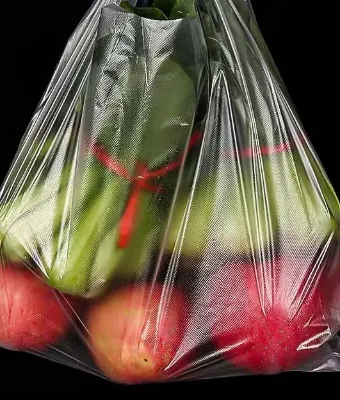
PE Packing Bag Plastic Packaging Bag Plastic Bag 3 Layers Co-Extruded PE Bag
$0.08 - $0.40
MOQ: 50000 Pieces






Comprehensive Sourcing Guide
PE Plastic Bag Sourcing Guide
Sourcing polyethylene (PE) plastic bags requires a disciplined approach to balancing material performance, regulatory compliance, and commercial viability. These packaging solutions are ubiquitous in global supply chains, serving critical functions in food preservation, chemical containment, and general household logistics. The versatility of PE allows for a wide spectrum of bag types, from thin, flexible films to heavy-duty woven sacks, each demanding specific verification protocols to ensure they meet end-use requirements. Buyers must navigate a complex landscape of material grades, manufacturing processes, and customization options to select the right product for their specific operational needs.
This guide provides evidence-based procurement advice for sourcing PE plastic bags, focusing on the technical specifications, compliance standards, and supplier qualification criteria that define successful B2B transactions. By leveraging observed market data and trusted category knowledge, buyers can mitigate risks associated with material inconsistency, regulatory non-compliance, and supply chain disruptions. The following sections detail the essential steps for evaluating suppliers, verifying product attributes, and establishing long-term procurement strategies that ensure quality and reliability.
Product Scope and Observed Listing Signals
The market for PE plastic bags encompasses a diverse range of products, primarily categorized by their application, shape, and manufacturing process. Observed listings indicate that these bags are commonly used in food, promotion, household, chemical, pharmaceutical, and agricultural sectors. The physical forms vary significantly, including upright bags, flat bags, straight tube bags, and heavy-duty FFS (Form-Fill-Seal) bags. Understanding these distinctions is crucial for aligning product selection with specific packaging needs, such as the need for side gussets in upright bags for stability or the heat-sealing capabilities required for flat bags in automated filling lines.
Material composition and structural features are key differentiators among the available options. Raw materials range from high-pressure polyethylene and polypropylene to composite structures involving PET, NY, Al, and PE layers. These materials influence critical attributes such as moisture proofing, shock resistance, antistatic properties, and biodegradability. For instance, composite bags often offer superior barrier properties for sensitive products, while woven polypropylene bags provide high strength for bulk goods. Buyers should carefully review the listed features, such as transparency levels (clear vs. opaque) and weight specifications (55-100 GSM), to ensure the selected bag meets the durability and aesthetic requirements of their brand and product.
Technical Specifications to Verify
Thickness and dimensional accuracy are fundamental technical parameters that directly impact the bag’s performance and cost. Observed specifications indicate a thickness range of 20mic to 60mic for standard films, while woven bags are defined by their GSM weight. Widths typically range from 25cm to 150cm, with lengths often customizable to specific requirements. Buyers must verify these dimensions against their packaging machinery capabilities and product volume needs. Inconsistent thickness can lead to seal failures or premature tearing, while incorrect widths may cause jams in high-speed filling equipment. It is essential to request detailed technical data sheets that confirm these measurements are within acceptable tolerances for the intended application.
Sealing integrity and material layering are critical for maintaining product freshness and safety. Many listings highlight heat-sealing capabilities using materials like MLLDPE, which offers excellent seal strength and clarity. For composite bags, the presence of a functional PE layer is vital for moisture barrier performance. Buyers should verify the specific sealing method and temperature requirements to ensure compatibility with their packaging lines. Additionally, the presence of side gussets or specific closure types can affect the bag’s ability to stand upright or seal securely. Confirming these structural details with the supplier prevents operational issues during the filling and sealing process.
Compliance and Safety Documentation
Regulatory compliance is non-negotiable for PE plastic bags, particularly those intended for food contact or pharmaceutical use. Observed standards include EN71, SGS, RoHS, and REACH, which indicate adherence to international safety and environmental regulations. Buyers must verify that the supplier holds valid certifications for the specific materials and applications required. For food-grade bags, FDA compliance is often a baseline requirement, ensuring that the materials do not leach harmful substances into the product. It is crucial to request current certification documents and verify their authenticity with the issuing bodies, as outdated or forged certificates pose significant legal and reputational risks.
Environmental and sustainability claims require careful scrutiny to avoid greenwashing. While some listings mention bio-degradable or recyclable features, buyers should demand clear evidence of these properties, such as specific biodegradation standards or recyclability certifications. The presence of certifications like BV (Bureau Veritas) can add credibility to quality and compliance claims. However, buyers must distinguish between general recyclability and specific compostability standards, as these have different implications for waste management and consumer perception. Ensuring that the supplier’s claims are backed by verifiable documentation is essential for maintaining brand integrity and meeting evolving regulatory demands.
Cost Drivers and Commercial Terms
Pricing for PE plastic bags is influenced by raw material costs, production volume, and customization requirements. Observed price ranges vary widely, from $0.01 to $16.99 per unit, reflecting the diversity of products from simple flat bags to complex composite structures. Minimum Order Quantities (MOQs) typically range from 10 to 100,000 units, allowing for flexibility in order sizes but potentially impacting unit costs for smaller orders. Buyers should analyze the total cost of ownership, including shipping, handling, and potential waste, rather than focusing solely on the unit price. High-volume orders often benefit from economies of scale, but buyers must balance this with inventory holding costs and storage constraints.
Commercial terms such as payment methods, lead times, and packaging logistics play a significant role in the overall procurement strategy. Observed packing methods include cartons, small bales, and pallets, with loading capacities noted at 20kg for certain items. Buyers should negotiate clear terms regarding delivery schedules and penalties for delays, as supply chain disruptions can impact production lines. Customization options, such as printing designs or specific bag dimensions, may incur additional costs and longer lead times. It is advisable to establish a comprehensive agreement that covers all these variables to avoid unexpected expenses and ensure smooth transaction execution.
Supplier Qualification and Quality Control
Supplier qualification is a critical step in mitigating supply chain risks. Buyers should conduct thorough due diligence on potential suppliers, verifying their manufacturing capabilities, quality control processes, and financial stability. Observed making processes include blowing and composite packaging, indicating a range of technical expertise among suppliers. Buyers should request site audits or third-party inspections to assess the supplier’s production environment and adherence to quality standards. This due diligence helps identify potential risks related to production capacity, labor practices, and environmental compliance, ensuring that the supplier can consistently meet quality and delivery expectations.
Quality control measures should be established before production begins and monitored throughout the manufacturing process. Buyers should define clear acceptance criteria for product attributes such as thickness, seal strength, and print quality. Implementing pre-production samples and pilot runs can help identify potential issues before full-scale production. Regular quality audits and random sampling during production can ensure that the final products meet the specified standards. Establishing a robust quality control framework not only ensures product consistency but also builds trust and long-term partnership with the supplier.
Long-Term Procurement Checks
Long-term procurement success depends on continuous monitoring and relationship management. Buyers should establish key performance indicators (KPIs) to track supplier performance in areas such as on-time delivery, product quality, and responsiveness to issues. Regular reviews of these metrics can help identify areas for improvement and facilitate constructive feedback. Building a strong relationship with the supplier can lead to better pricing, priority treatment during supply shortages, and collaborative innovation in product development. Maintaining open communication channels ensures that both parties are aligned on expectations and can address challenges proactively.
Adaptability to market changes and regulatory updates is essential for long-term sustainability. Buyers should stay informed about evolving regulations regarding plastic packaging, such as restrictions on single-use plastics or new recycling mandates. Suppliers who are proactive in adapting to these changes can provide valuable insights and support in transitioning to more sustainable packaging solutions. Regularly reviewing and updating procurement strategies ensures that the organization remains competitive and compliant in a dynamic market environment. By focusing on continuous improvement and strategic partnership, buyers can secure a reliable and efficient supply of PE plastic bags for their operations.
FAQs
What materials are used to make these plastic bags?
The bags are primarily made from PE and PP raw materials, including high-pressure polyethylene and polypropylene. Some composite options utilize layers of PET, NY, AL, and PE to ensure durability and specific barrier properties for various industrial applications.
Can I customize the size and printing of the bags?
Yes, customization is available for both dimensions and printing designs. The width ranges from 25 to 150 cm, while the length is produced as per your specific requirement, allowing for tailored solutions that meet exact packaging needs.
What certifications do these plastic bags hold?
The products comply with standards such as EN71, SGS, RoHS, and REACH. Additional certifications like BV, FDA, and others are available upon request, ensuring the bags meet international safety and quality requirements for food and chemical use.
How are the bags packed for shipping?
Packaging options include cartons, small bales, or pallets depending on the order type. Some specific woven bag products are packed in PP fabric bales, while standard plastic bags are often secured in cartons to prevent damage during transit.
What are the key features of these plastic bags?
Key features include moisture proofing, recyclability, and bio-degradability. They also offer shock resistance and antistatic properties, making them suitable for diverse applications ranging from household use to chemical and pharmaceutical packaging requirements.
What is the minimum order quantity for these bags?
The minimum order quantity ranges from 10 to 100,000 units depending on the specific product model and customization level. Buyers should verify the exact MOQ with the supplier as it varies based on the selected bag variety and material specifications.
Where are these plastic bags manufactured?
These products originate from China, where manufacturers utilize processes like blowing and composite packaging to create the final goods. The origin location ensures access to a wide range of raw materials and established production capabilities for bulk orders.