Source Pedal Drive Fishing Kayak for Lakes, Rivers, and Ocean
Find 30 Pedal Drive Fishing Kayak options from verified Chinese manufacturers. Compare specifications like hull material, weight capacity, and navigation features to select the right vessel for lakes, rivers, or offshore waters.
Key considerations
Products List

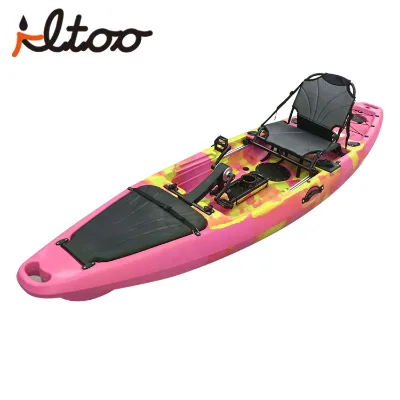
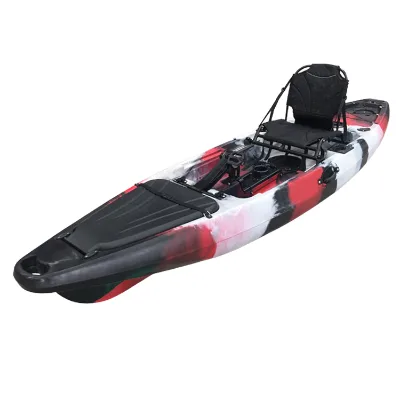
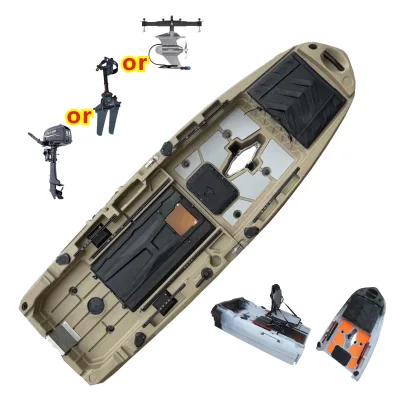
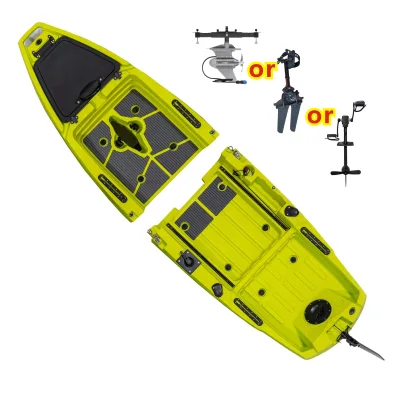
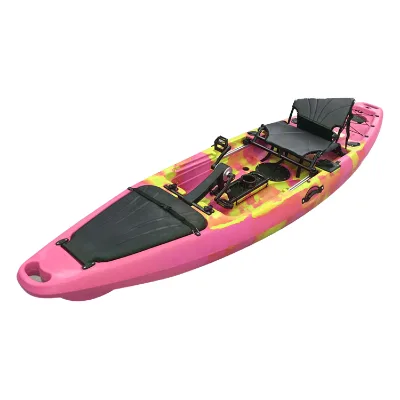
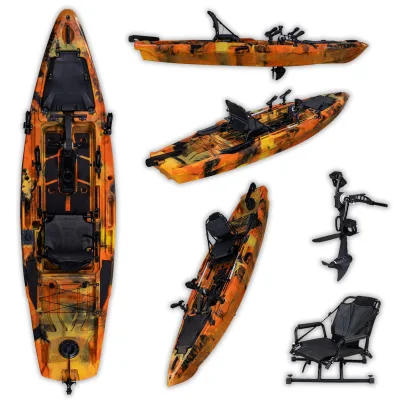
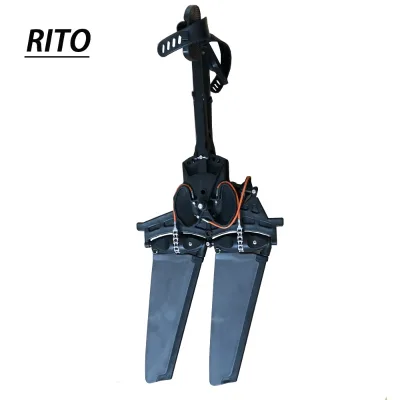
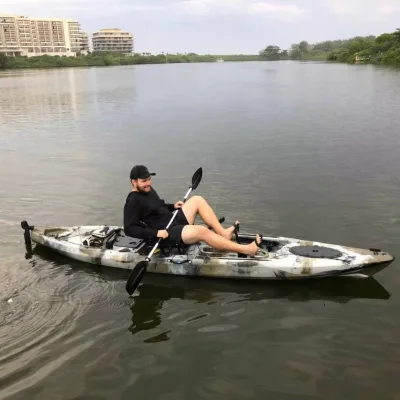
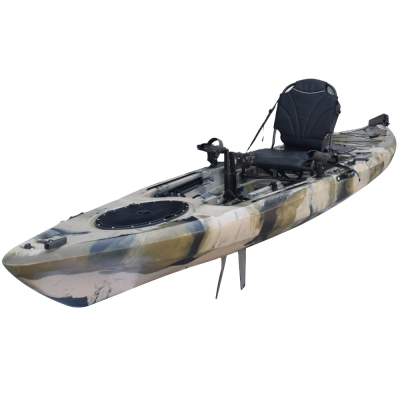
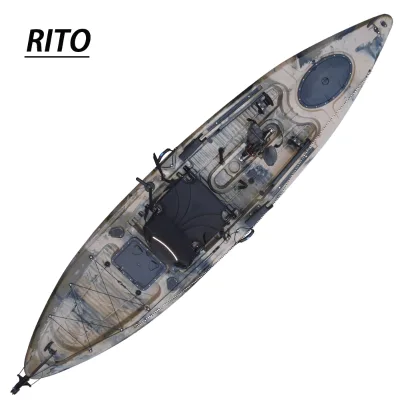
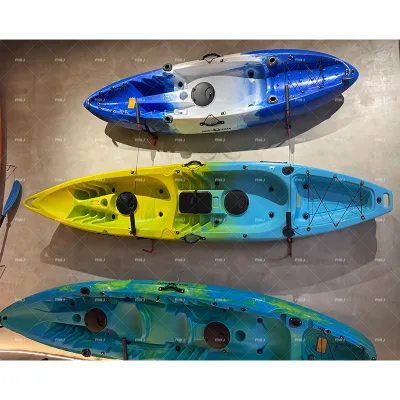
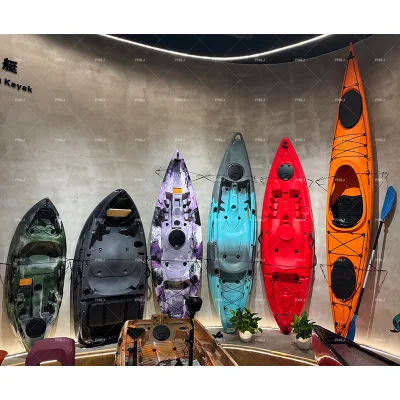


Comprehensive Sourcing Guide
Pedal Drive Fishing Kayak Sourcing Guide
Sourcing a Pedal Drive Fishing Kayak requires a nuanced understanding of the intersection between recreational watercraft engineering and specialized fishing utility. Unlike traditional paddle kayaks, pedal-driven models introduce mechanical complexity through drive systems, rudders, and hatches, which significantly impacts manufacturing quality, maintenance requirements, and buyer due diligence. This guide provides evidence-based procurement strategies for sourcing these vessels, focusing on verified product attributes, technical verification, compliance, and commercial risk management. Buyers must navigate a market where specifications often vary between suppliers, necessitating rigorous validation of hull materials, drive mechanisms, and load capacities before committing to purchase orders.
The primary value proposition of a Pedal Drive Fishing Kayak lies in its hands-free operation, allowing anglers to maintain stability and control while casting or managing gear. However, this functionality introduces specific procurement challenges, including the verification of drive system durability, the accuracy of dimensional specifications, and the integrity of the hull’s structural design. Procurement teams must prioritize suppliers who provide transparent technical data and clear warranty terms, as the longevity of the pedal mechanism and the resistance of the polyethylene hull are critical determinants of total cost of ownership. This guide outlines the essential steps to mitigate risk and ensure the acquisition of high-quality, reliable fishing kayaks that meet professional and recreational standards.
Product Scope and Observed Listing Signals
The current market for pedal drive fishing kayaks exhibits a wide range of product configurations, with observed listing prices spanning from $62.93 to $1,200 USD. This broad price variance reflects differences in material quality, drive system sophistication, and included accessories, such as rod holders, GPS mounts, and storage hatches. Buyers should interpret this range as an indicator of varying product tiers rather than a uniform market standard. Lower-priced listings may correspond to basic models with simpler hull designs or limited customization options, while higher-priced units likely feature advanced navigation systems, enhanced durability features, and comprehensive warranty packages. Understanding this spectrum is crucial for aligning procurement budgets with specific operational needs.
Observed minimum order quantities (MOQs) typically range from 1 to 10 units, suggesting flexibility for both individual buyers and small-scale distributors. Many suppliers offer customization options, including color choices and branding, which can be valuable for private-label operations. However, buyers must verify whether customization affects lead times or unit costs. The product scope also includes various hull profiles, with fish-form designs being common for stability, and single-kayak styles dominating the market. Additionally, the non-inflatable nature of these vessels simplifies logistics but requires careful planning for container loading and storage, as dimensions such as 360x84x35 cm or 2650x1150x450 mm significantly impact shipping efficiency.
Technical Specifications to Verify
Verifying technical specifications is paramount when sourcing pedal drive fishing kayaks, as discrepancies in dimensions and materials can lead to operational failures. Key attributes to confirm include the hull material, which is often listed as polyethylene (PE) or linear low-density polyethylene (LLDPE), and the UV resistance rating, which may be specified as an 8-degree level. Buyers should request detailed material certificates to ensure the polyethylene grade meets durability standards for prolonged sun exposure and rough water conditions. Additionally, the length of the kayak, often cited between 3.1 and 4 meters, must be verified against actual product samples, as variations in length can affect stability and speed.
The pedal drive system itself requires thorough inspection, including the type of navigation mechanism, which may be described as GPS-enabled or purely mechanical. Buyers should verify the power source, typically foot-pedal driven, and the presence of a rudder system for steering control. Load capacity is another critical specification, with observed limits around 200 kg, which must be validated through structural testing or third-party certification. Furthermore, packaging details, such as foam bags or carton sheets with bubble wrap, should be assessed for their ability to protect the kayak during transit. Ensuring these technical parameters are accurately documented in the purchase order is essential for preventing disputes and ensuring product performance.
Compliance and Safety Documentation
Compliance with international safety and quality standards is a non-negotiable aspect of sourcing pedal drive fishing kayaks. Buyers must verify that suppliers hold relevant certifications, such as CE marking, which indicates conformity with health, safety, and environmental protection standards for products sold within the European Economic Area. While CE certification is a common requirement, buyers should also inquire about additional certifications that may be relevant to their target markets, such as ISO standards for manufacturing processes or specific marine safety regulations. Documentation should include test reports for hull integrity, drive system durability, and material safety, ensuring that the kayak meets all regulatory requirements for its intended use.
Safety features embedded in the kayak’s design must also be documented and verified. This includes the stability of the hull, the reliability of the rudder system, and the accessibility of storage hatches for emergency gear. Buyers should request user manuals and safety guidelines provided by the supplier, which should outline proper usage, maintenance procedures, and weight distribution limits. Additionally, warranty terms, such as a 3-year warranty for the kayak hull and a 1-year warranty for accessories, should be clearly stated in the contract. These warranties serve as a critical risk mitigation tool, providing recourse in case of manufacturing defects or premature failure of components.
Cost Drivers and Commercial Terms
Several factors influence the total cost of acquiring pedal drive fishing kayaks, including material costs, manufacturing complexity, and logistics expenses. The use of high-grade polyethylene and the integration of a pedal drive system with a rudder mechanism contribute to higher production costs compared to standard paddle kayaks. Buyers should analyze the cost breakdown to understand how these components affect the final price. Additionally, customization options, such as specific colors or branding, may incur additional fees, which should be factored into the overall budget. Understanding these cost drivers enables buyers to negotiate more effectively and identify potential areas for cost savings without compromising quality.
Commercial terms, including payment methods, delivery schedules, and container loading capacities, play a significant role in the procurement process. Observed container loading capacities, such as 21 units per 20-foot container or 75 units per 40-foot high-cube container, highlight the importance of efficient logistics planning. Buyers should negotiate terms that align with their inventory management strategies, considering factors such as lead times and storage capabilities. Furthermore, the selling unit structure, often listed as a single item, requires clear definition of what is included in the package, such as accessories and packaging materials. Transparent commercial terms help prevent hidden costs and ensure a smooth transaction process.
Supplier Qualification and Quality Control
Supplier qualification is a critical step in mitigating procurement risk, requiring a thorough assessment of the supplier’s manufacturing capabilities and quality control processes. Buyers should verify the supplier’s place of origin, with Zhejiang, China, being a common source for these products, and assess their production capacity to ensure they can meet order volumes. Quality control measures, such as pre-shipment inspections and material testing, should be mandated to ensure that each kayak meets the specified technical standards. Buyers may also consider engaging third-party inspection agencies to conduct independent audits of the manufacturing facility and final products.
Building a long-term relationship with a reliable supplier involves establishing clear communication channels and performance metrics. Buyers should define key performance indicators (KPIs) such as defect rates, on-time delivery, and responsiveness to issues. Regular feedback and performance reviews can help identify areas for improvement and strengthen the partnership. Additionally, suppliers should be evaluated based on their ability to provide after-sales support, including spare parts availability and technical assistance. A qualified supplier not only delivers high-quality products but also supports the buyer’s operational needs throughout the product lifecycle.
Long-Term Procurement Checks
Long-term procurement success depends on continuous monitoring of product performance and market trends. Buyers should establish a system for tracking warranty claims and customer feedback to identify recurring issues with specific models or suppliers. This data can inform future purchasing decisions and help negotiate better terms with suppliers. Additionally, staying informed about advancements in kayak technology, such as improved drive systems or new hull materials, can provide competitive advantages and enhance product offerings. Regularly reviewing supplier performance and market conditions ensures that procurement strategies remain aligned with business objectives.
Sustainability and environmental considerations are increasingly important in the procurement of watercraft. Buyers should assess the environmental impact of the materials used, such as the recyclability of polyethylene, and the supplier’s commitment to sustainable manufacturing practices. Engaging with suppliers who prioritize eco-friendly processes can enhance brand reputation and meet the growing demand for sustainable products. Furthermore, buyers should plan for the end-of-life disposal of kayaks, ensuring that they have a strategy for recycling or responsible disposal. By integrating these long-term checks into their procurement process, buyers can build a resilient and responsible supply chain.
FAQs
What material is used for the kayak hull?
The kayak hull is constructed from Polyethylene or LLDPE material. This durable plastic ensures the vessel is water-resistant and suitable for various water sports including fishing on lakes, rivers, and offshore waters.
Can the kayak be customized with specific colors?
Yes, customization is available for the kayak color. Buyers can choose a customized color or select from the existing color list provided by the manufacturer to match their specific branding or preference needs.
What is the warranty coverage for the kayak?
The warranty covers the kayak hull for 3 years and accessories for 1 year. This protection ensures durability and reliability for the single paddler using the vessel for recreational or professional fishing activities.
How many people can this kayak accommodate?
This kayak is designed for one person only. It features a single kayak style with a capacity of 200 kilograms, making it ideal for individual fishing trips or casual recreational water sports.
What is the packaging method for shipping?
The kayak is packed in a foam bag, PE bag, carton sheet, and bubble sheet. This multi-layer packaging protects the vessel during transit, with options available for single item or bulk shipping configurations.
Does the kayak come with a rudder system?
Yes, the kayak includes a rudder system for navigation. It is powered by foot pedal power, allowing the single paddler to steer effectively while fishing in lakes, rivers, or ocean waters.
What certifications does the product hold?
The product holds CE certification for safety and quality standards. This ensures the kayak meets required regulations for outdoor use and provides assurance of durability for buyers sourcing from China.