Source Pearlescent Biotite Mica for Cosmetics, soaps, and makeup
Explore 30 listings for Pearlescent Biotite Mica for Cosmetics, comparing specifications like particle size, heat resistance, and certifications. Buyers can evaluate suppliers offering natural mica powders with OEM services and various color options for personal care applications.
Key considerations
Products List
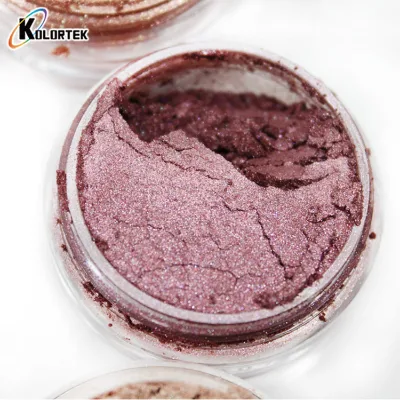
Over 200 Colors Makeup Mica Powders Naked Pearlescent Pigment for Eye Cosmetic
$15.75 - $46.25
MOQ: 1 Minimum
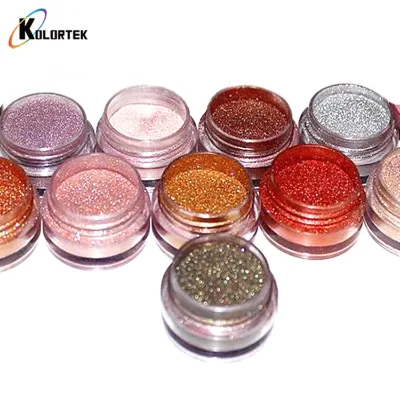
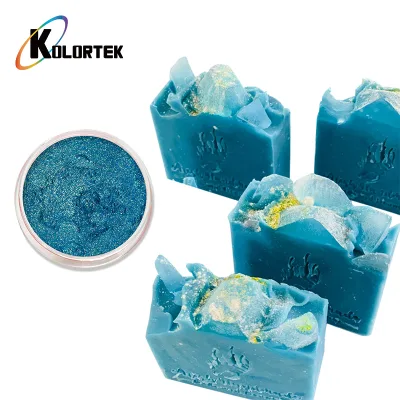


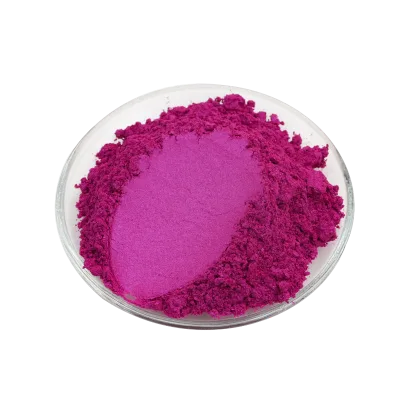


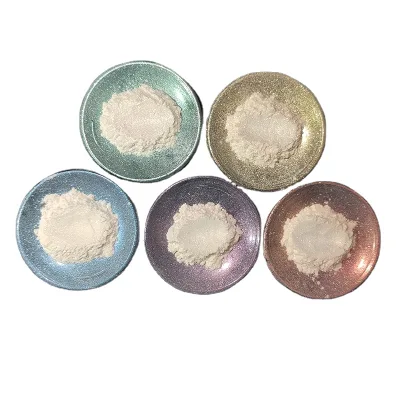
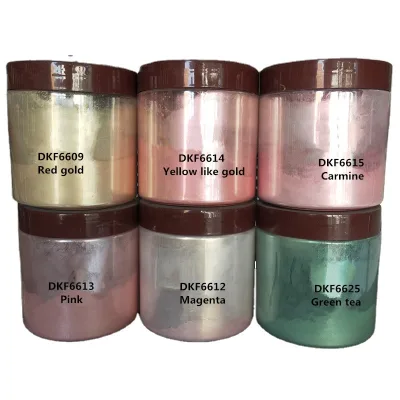
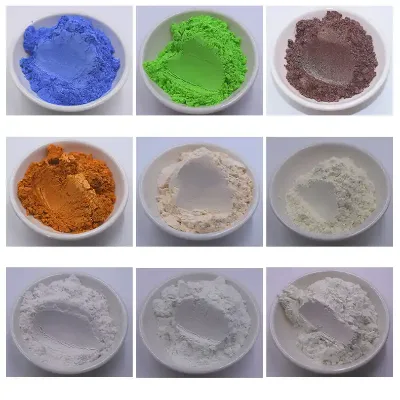
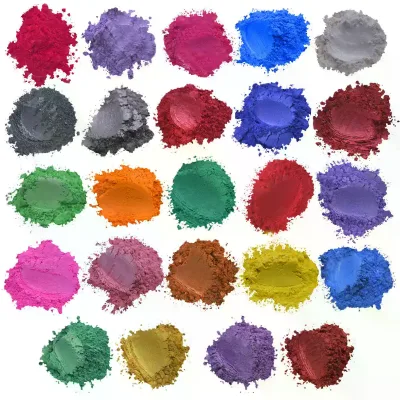
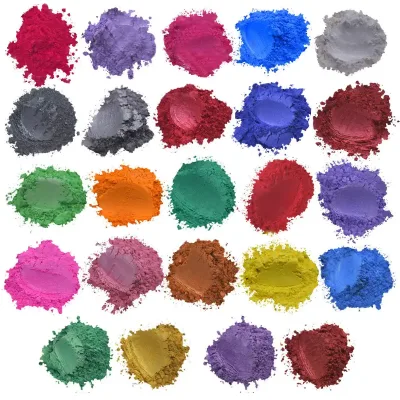
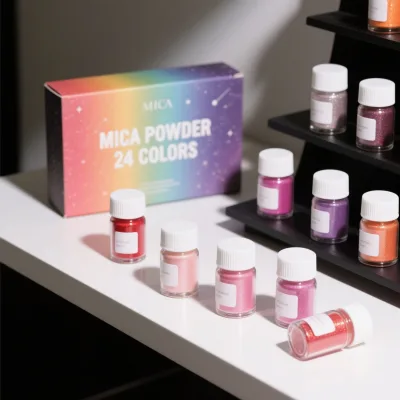
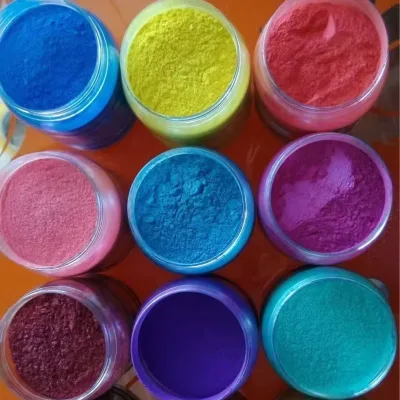
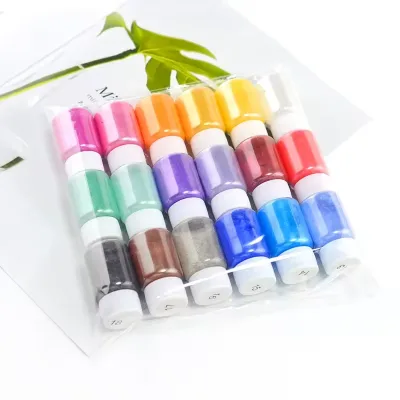
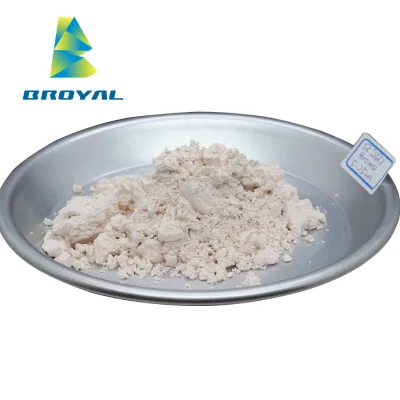

Wholesale Bulk Pigment Cosmetic Color Pearlescent Pearl Mica Powder for Makeup
$700.00 - $1400.00
MOQ: 25 Tons
Comprehensive Sourcing Guide
Strategic Sourcing Guide for Pearlescent Biotite Mica in Cosmetic Applications
Understanding the Material Profile and Technical Specifications
Sourcing Pearlescent Biotite Mica for Cosmetics requires a precise understanding of the raw material's physical and chemical characteristics. The core product, often identified as makeup mica powders or loose shimmer pigments, is fundamentally derived from natural mica. This material serves as the base for inorganic pigments that provide the distinctive luster and shimmer essential in beauty and personal care formulations. The primary material composition is listed as Natural Mica, often combined with Titanium (Tio2) to enhance the pearlescent effect, resulting in a product type classified as Titanium or Color Mica Powder.
From a technical standpoint, the particle size distribution is a critical determinant of the final product's texture and visual impact. Available specifications indicate particle sizes ranging from 5-25 micrometers (um) to 10-60 micrometers. The mesh count, another indicator of fineness, is observed in ranges such as 200, 400, and 800. These variations allow formulators to select the appropriate grade for specific applications, whether for fine, silky powders or more textured, sparkling effects. The form of the product is consistently listed as Powder, supplied in various package sizes, with single package dimensions observed ranging from compact 40x31x0.2 cm configurations to larger 40x31x32 cm export cartons.
The chemical identity of the material is defined by specific registry numbers. The primary CAS number associated with the natural mica component is 1309-37-1, while the titanium dioxide coating often carries the CAS number 12001-26-2. These identifiers are crucial for regulatory compliance and safety data sheet (SDS) preparation. The molecular formula (MF) is generally noted as Mica/Tio2, reflecting the composite nature of the pearlescent pigment. The material exhibits significant thermal stability, with heat resistance capabilities reported between 40°C and +1100°C. This high thermal tolerance is a vital attribute for processes involving hot filling or high-temperature curing in cosmetic manufacturing.
Regulatory Compliance and Certification Verification
Navigating the regulatory landscape is paramount when sourcing cosmetic-grade ingredients. The supply chain for biotite mica must adhere to strict safety and quality standards to ensure the final cosmetic product is safe for consumer use. Buyers must verify that the supplier provides documentation confirming the material meets the specific grade requirements for cosmetics. The observed listings explicitly mention "Cosmetic Grade" and "Cosmetic Pigment" as the intended usage, distinguishing these materials from industrial grades which may contain higher levels of heavy metals or impurities.
Certification status is a primary verification point. High-confidence data indicates that compliant products often carry EEC (European Economic Community) approval and SGS (Société Générale de Surveillance) certification. These certifications suggest that the supplier has undergone third-party auditing for quality management systems and product safety. Additionally, the presence of EINECS (European Inventory of Existing Commercial Chemical Substances) numbers is a standard requirement for marketing in the European market. Specific EINECS numbers observed in the context of these products include 215-168-2, 310-127-6, 236-675-5, and 215-479-3. It is imperative for buyers to cross-reference these numbers with the specific batch of material being purchased to ensure the chemical identity matches the regulatory filing.
While some background information references standards such as ASTM D5187, buyers should treat this as a reference point for general testing methodologies rather than a guaranteed compliance standard for every listed product. The primary focus should remain on the explicit certifications provided by the supplier, such as EEC and SGS, and the verification of the CAS and EINECS numbers against the specific chemical composition of the biotite mica being sourced. The material is also described as non-toxic, a feature that must be substantiated by current test reports from the supplier.
Cost Drivers and Pricing Dynamics
The pricing structure for pearlescent biotite mica is influenced by several dynamic factors, including raw material availability, processing complexity, and order volume. The observed price range for these products is extensive, spanning from $0.49 to $1400 USD. This wide variance is not indicative of a single product but rather reflects the spectrum of options available, from small sample quantities to bulk industrial orders, and potentially different grades of purity or particle size.
Minimum Order Quantity (MOQ) is a significant driver of unit cost. The observed MOQ ranges from as low as 1 unit to as high as 5000 units. For smaller buyers or those developing new formulations, an MOQ of 1KG is often available, allowing for cost-effective sampling and small-batch production. Conversely, larger commercial buyers may negotiate better unit prices by committing to higher volumes, leveraging the supplier's supply ability of 3000 tons per year. The "Advantage" of spot goods availability can also impact pricing; immediate availability of stock may command a premium compared to made-to-order production runs.
Other cost factors include the specific customization required. The acceptance of private logos and OEM/ODM services suggests that branding and custom packaging add to the overall cost structure. The single gross weight of the product varies significantly, from 1.500 kg to 15.500 kg per package, which influences shipping costs and logistics planning. Buyers should analyze the total landed cost, including freight from the port of dispatch (typically Shanghai) and any duties, rather than focusing solely on the unit price. The complexity of the "superior techniques" used to create the pearlescent effect and the specific color range of over 200 available colors can also influence the final price point.
Typical Applications and Functional Performance
Pearlescent biotite mica is a versatile ingredient with a broad range of applications within the beauty and personal care industry. Its primary usage is as a cosmetic pigment, providing the shimmer and sparkle that are highly desirable in makeup products. The material is specifically designed for use in makeup, soap making, and other beauty formulations. The "loose shimmer pigment" classification indicates its suitability for products like loose setting powders, eyeshadows, and highlighters where a fine, even distribution of light is required.
The functional performance of the mica is enhanced by its inorganic pigment style. The combination of natural mica and titanium dioxide creates a refractive index that mimics the luster of natural pearls. This makes it ideal for creating products that claim to be "pearlescent" or "shimmering." The material's non-toxic nature and high heat resistance (up to 1100°C) make it stable across various manufacturing processes, including cold mixing and hot extrusion. This thermal stability ensures that the pigment does not degrade or discolor during the production of heat-sensitive cosmetic bases.
The color versatility is another key application driver. With over 200 colors available, formulators can achieve a wide spectrum of hues, from natural silvers and golds to vibrant, custom shades. This allows for the creation of diverse product lines, from neutral everyday makeup to bold, artistic cosmetic collections. The material's compatibility with various cosmetic bases ensures it can be incorporated into powders, creams, and liquids without compromising the texture or stability of the final product. The "superior techniques" mentioned in the product attributes suggest that the manufacturing process is optimized to ensure consistent color payoff and dispersion in the final cosmetic formulation.
Supplier Evaluation and Procurement Strategy
Evaluating potential suppliers requires a multi-faceted approach that goes beyond price comparison. The geographic origin of the product is a key factor; high-confidence data points to Jiangsu, China, as the place of origin for these materials. This region is known for its established chemical and cosmetic ingredient manufacturing infrastructure. Buyers should verify the supplier's capacity to meet the stated supply ability of 3000 tons per year, ensuring they can handle both small sample orders and large-scale production needs without supply chain disruptions.
The availability of samples is a critical component of the evaluation process. Most suppliers indicate that samples are available, which allows buyers to test the physical properties, color, and dispersion of the mica before committing to a bulk order. The ability to accept private logos and offer OEM/ODM services indicates a supplier's flexibility and willingness to partner with buyers on branding and product development. Buyers should assess the supplier's responsiveness to customization requests and their ability to provide detailed technical data sheets.
Logistics and shipping capabilities are also essential. The port of dispatch is typically Shanghai, a major global shipping hub. Buyers should confirm the packaging details, which may include standard export cartons or custom packaging according to specific requests. The single package size and gross weight data provided (ranging from 40x31x0.2 cm to 40x31x32 cm) should be used to calculate shipping costs and storage requirements accurately. A reliable supplier will have a clear understanding of export regulations and can provide all necessary documentation for customs clearance.
Quality Control and Long-Term Procurement Considerations
Implementing a robust quality control (QC) protocol is essential for maintaining product consistency and safety. Buyers should establish clear acceptance criteria based on the observed specifications, such as particle size (5-25 um or 10-60 um), mesh count (200, 400, 800), and color consistency. Regular testing for heavy metals and impurities is mandatory to ensure the material remains within the "Cosmetic Grade" classification. The non-toxic claim must be backed by up-to-date test results from accredited laboratories.
Long-term procurement considerations involve building a sustainable relationship with the supplier. The ability to accept custom requests and the availability of spot goods suggest that a flexible supply chain is possible. However, buyers should also consider the potential for supply chain disruptions and the need for backup suppliers. The wide range of MOQs (1 to 5000) offers flexibility, but buyers should plan their inventory management to balance the cost of holding stock against the risk of stockouts.
Standardization of the procurement process is also vital. Buyers should ensure that all future orders reference the specific CAS numbers (1309-37-1, 12001-26-2) and EINECS numbers (215-168-2, etc.) to prevent mix-ups with non-compliant materials. The "superior techniques" used in manufacturing should be consistently applied, and buyers should request batch-to-batch consistency reports. By maintaining rigorous quality control and fostering a transparent relationship with the supplier, buyers can ensure a steady supply of high-quality pearlescent biotite mica for their cosmetic products.
Comparative Analysis of Product Attributes
To facilitate decision-making, the following table summarizes the key attributes observed in the supply market for pearlescent biotite mica. This comparison highlights the variability in specifications and the critical factors buyers must verify.
| Attribute Category | Observed Specification / Range | Verification Requirement |
|---|---|---|
| Material Composition | Natural Mica / Titanium (Tio2) | Confirm MF: Mica/Tio2 and CAS numbers |
| Particle Size | 5-25 um, 10-60 um | Verify mesh count (200, 400, 800) |
| Heat Resistance | 40 ~ +1100°C | Confirm thermal stability for process |
| Certifications | EEC, SGS Approval | Request current certificates and EINECS |
| Grade | Cosmetic Grade | Ensure SDS and safety data align |
| Packaging | 40x31x0.2 cm to 40x31x32 cm | Check gross weight (1.5kg to 15.5kg) |
| MOQ | 1KG to 5000 units | Align with production volume needs |
| Origin | Jiangsu, China | Verify port of dispatch (Shanghai) |
| Customization | Private Logo, OEM/ODM | Confirm branding capabilities |
This table serves as a checklist for buyers to ensure that all critical parameters are addressed during the sourcing process. By systematically verifying each attribute against the supplier's documentation, buyers can mitigate risks and secure a reliable supply of high-quality pearlescent biotite mica for their cosmetic applications.
FAQs
How is the heat resistance of this mica powder defined?
The product exhibits heat resistance capabilities ranging from 40 to 1100 degrees Celsius. This high thermal tolerance ensures stability during hot filling or high-temperature curing processes in cosmetic manufacturing without degradation.
What certifications verify the safety of this cosmetic pigment?
Compliant products often carry EEC approval and SGS certification to verify quality and safety. These third-party audits confirm the material meets specific grade requirements for cosmetics and distinguishes it from industrial grades.
Which particle sizes are available for this loose shimmer pigment?
Available specifications include particle sizes ranging from 5 to 25 micrometers and 10 to 60 micrometers. These variations allow formulators to select the appropriate grade for fine, silky powders or more textured, sparkling effects.
Can buyers request custom branding on the mica powder packaging?
Yes, the supplier accepts private logos and offers OEM and ODM services for customization. Buyers can request standard export cartons or specific packaging details according to their unique brand requirements and product needs.
What is the minimum order quantity for purchasing this pigment?
The minimum order quantity can be as low as 1 kilogram for sampling or small-batch production. Larger commercial buyers may negotiate better unit prices by committing to higher volumes up to the supplier's annual capacity.
Where is the place of origin for these natural mica powders?
The place of origin for these materials is Jiangsu, China. This region is known for its established chemical and cosmetic ingredient manufacturing infrastructure, supporting a supply ability of 3000 tons per year.
How many color options are available for this inorganic pigment?
Over 200 colors are available to formulators for creating diverse product lines. This wide spectrum allows for the creation of neutral everyday makeup or bold, artistic cosmetic collections with consistent color payoff.