Source Pectin Multivitamin Gummies for Health Care
Find 30 Pectin Multivitamin Gummies from Guangzhou suppliers. Compare OEM options, certifications like FDA and GMP, and packaging specs for immune support and mood balance applications in food and health care sectors; compare the available evidence and request quotations based on your requirements.
Key considerations
Products List


Vitamins Gummies for Adult with Vitamin C B12 Omega 3 Multivitamins Gummies
$2.00 - $3.50
MOQ: 100 pieces


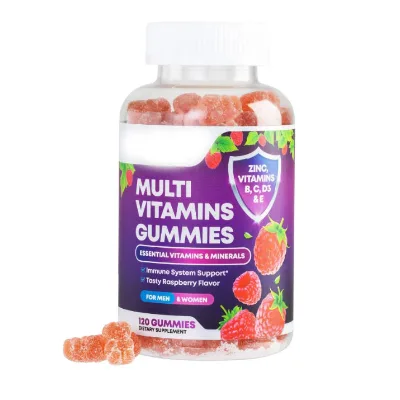


Comprehensive Sourcing Guide
Pectin Multivitamin Gummies Sourcing Guide
Buyers must first distinguish between gummy formulations designed for children and those targeting adult wellness, as the supplied data indicates distinct age groups and dosage protocols. While some listings specify an age group of 4+ with a dose of two gummies daily, other entries target adults with complex magnesium glycinate formulas requiring up to eight dropperfuls per day. This divergence necessitates a clear definition of the target demographic before engaging suppliers, as the production lines, flavor profiles, and regulatory compliance requirements differ significantly between pediatric and adult health products.
The observed product scope reveals a wide variance in packaging and customization capabilities that directly impacts brand positioning and logistics. Suppliers offer options ranging from bottled gummies with 60 units per bottle to bulk packaging in bags, boxes, or barrels, with some capable of producing 100,000 to 300,000 units per model. Buyers should verify if the supplier can accommodate specific shape requirements like bears, hearts, or teardrops, and confirm whether the pectin-based gummies are truly sugar-free and trans-fat free, as these attributes are critical for health-conscious market segments.
Technical Specifications to Verify
Procurement teams must rigorously validate the physical and chemical specifications of the gummies to ensure they meet the intended functional claims. The data highlights specific ingredient profiles such as multivitamins and magnesium glycinate advanced complexes, alongside a standard gummy weight of 3 grams per unit. It is essential to confirm the exact assay method, such as HPLC, used to verify potency and ensure that the extract sources are genuinely plant-based, as this directly influences the product's efficacy for immune support or mood support applications.
Packaging integrity and shelf stability are critical technical parameters that require explicit confirmation from the manufacturer. While some listings specify a shelf life of 24 months or longer, the storage conditions must be strictly defined as cool, dry places away from sunlight to maintain product quality. Buyers should also verify the dosage form consistency, ensuring that the transition from gummy candy to capsule or tablet formats, if applicable, does not compromise the bioavailability of the vitamins and minerals included in the formula.
Compliance and Safety Documentation
Navigating the regulatory landscape for gummy supplements requires verifying that suppliers hold the necessary certifications to operate in target markets. The available data lists a comprehensive suite of certifications including FDA, ISO 22000, HACCP, GMP, and BRC, which are essential for establishing trust and ensuring food safety standards are met. Buyers must request current certificates of analysis (COA) and material safety data sheets (MSDS) to confirm that the production facilities adhere to these rigorous standards before finalizing any purchase agreement.
Documentation regarding the specific formulation and ingredient sourcing must be transparent to avoid potential compliance risks in international trade. Suppliers should provide clear evidence that the products are free from trans fats and suitable for specific dietary needs, such as being dairy-free or organic. It is imperative to ensure that the labeling claims regarding efficacy, such as immune support, are backed by the documented ingredient profiles and that the manufacturing process complies with the relevant food grade and pharmaceutical grade standards applicable to the destination country.
Cost Drivers and Commercial Terms
Understanding the cost structure of Pectin Multivitamin Gummies requires analyzing the impact of customization and order volume on the final price. The observed price range of 0.02 to 15 USD suggests significant variability based on factors like flavor complexity, shape customization, and the inclusion of specific advanced complexes like magnesium glycinate. Buyers should anticipate that higher MOQs, which can range from 1 to 100,000 units, will generally yield better unit economics, but the total investment must be weighed against the specific branding requirements and market entry strategy.
Commercial terms regarding packaging and logistics play a pivotal role in the overall cost of goods sold. The data indicates that products can be packed in bottles, cartons, or bulk barrels, with some suppliers offering logo printing services while others do not. These variations in packaging materials and the availability of OEM services for flavors, shapes, and colors will directly influence the unit cost. Procurement teams must clarify whether the quoted price includes the cost of custom molds or if these are separate line items to avoid unexpected budget overruns during the production phase.
Supplier Qualification and Quality Control
Evaluating supplier qualifications involves a deep dive into their manufacturing capabilities and quality assurance protocols. The listed origins, such as Guangzhou, Guangdong, and general China production, indicate a concentration of manufacturing hubs, but buyers must verify the specific factory's capacity to handle the required production models, which range from 100,000 to 300,000 units. It is crucial to confirm that the supplier has the infrastructure to maintain the specified storage methods, such as sealed environments, to prevent contamination and ensure the longevity of the gummy products.
Quality control processes must be robust enough to handle the diverse range of product attributes observed, from fruit and vegetable flavors to specific shapes like squares or teardrops. Buyers should request detailed information on the supplier's internal testing procedures, including how they verify the absence of allergens and the accuracy of the multivitamin content. Establishing a clear communication channel for quality issues is essential, as the ability to customize ingredients and content requires a high degree of flexibility and precision in the manufacturing workflow.
Long-Term Procurement Checks
Sustaining a successful supply chain for Pectin Multivitamin Gummies requires ongoing monitoring of supplier performance and product consistency over time. Buyers should establish regular audits to ensure that the supplier continues to meet the specified standards, such as the 60 gummies per bottle configuration or the 3g per gummy weight, without deviation. It is also important to track changes in raw material availability, particularly for plant-based extracts, to prevent supply disruptions that could impact the production schedule and market availability.
Strategic planning for future product iterations should include evaluating the supplier's ability to adapt to evolving market trends and regulatory changes. As the market for health supplements grows, the demand for specific features like sugar-free or organic formulations may increase, requiring suppliers to maintain their certification status and production flexibility. Buyers should maintain a proactive relationship with their suppliers to ensure that the product line can evolve, incorporating new flavors or shapes while maintaining the high quality and safety standards that define the brand.
FAQs
What certifications do Pectin Multivitamin Gummies typically have?
These gummies typically hold FDA, ISO22000, HACCP, GMP, MSDS, and COA certifications. Such credentials ensure the product meets international food safety and quality management standards. Buyers should verify specific certificates with the supplier to confirm compliance with their local regulatory requirements before placing orders.
Can I customize the shape and flavor of these gummies?
Yes, customization is available for flavors, shapes, colors, ingredients, and content. Manufacturers offer options like bear, raspberry, teardrop, heart, or square shapes with fruit and vegetable flavors. This flexibility allows brands to create unique products that align with their specific marketing strategies and target audience preferences.
What is the recommended dosage for these multivitamin gummies?
The standard dosage is two gummies per day for most formulations. Some specific products may recommend taking up to one dropper eight times daily. Always follow the specific label instructions provided by the manufacturer to ensure safe consumption and optimal nutrient absorption for the intended age group.
How should Pectin Multivitamin Gummies be stored to maintain quality?
Store the gummies in a cool, dry place away from direct sunlight. The packaging should remain sealed to preserve freshness and efficacy. Proper storage helps maintain the integrity of the vitamins and prevents degradation, ensuring the product remains safe and effective throughout its shelf life of at least twenty-four months.
What is the typical packaging format for these gummies?
Products are commonly packaged in bottles containing sixty gummies each. Additional packaging options include cartons, bags, boxes, and barrels for bulk distribution. The standard net content is often 180 grams per bottle, with customization available for specific volume or weight requirements to suit different market needs.
Are these gummies suitable for children aged four and above?
Yes, many formulations are specifically designed for the age group of four years and older. They are generally unisex and feature fruit and vegetable flavors to appeal to younger consumers. Ensure the specific product label confirms the age recommendation and dosage guidelines before administering to children.