Source Pearlescent Effect Mica Powder for Paints, Cosmetics, and Plastics
Compare 30 listings of Pearlescent Effect Mica Powder from verified Chinese manufacturers. Buyers can evaluate particle sizes, colors, and certifications like SGS and FDA for applications in paints, cosmetics, and plastics; compare the available evidence and request quotations based on your requirements.
Key considerations
Products List


Wholesale Bulk Pigment Cosmetic Color Pearlescent Pearl Mica Powder for Makeup
$700.00 - $1400.00
MOQ: 25 Tons




Comprehensive Sourcing Guide
Pearlescent Effect Mica Powder Sourcing Guide
Procuring Pearlescent Effect Mica Powder requires a nuanced understanding of how natural mineral substrates are transformed into high-value cosmetic and industrial colorants. Buyers must distinguish between standard natural mica and treated multicolor series pigments that offer superior luster and chroma. The market offers a wide spectrum of options, ranging from basic oxide-based colorants to complex pearl pigments designed for specific optical effects. Understanding these distinctions is critical for aligning product performance with end-use requirements in sectors such as cosmetics, plastics, and coatings.
This guide provides evidence-based procurement strategies for sourcing high-quality pearlescent mica powders from global suppliers, with a focus on Chinese manufacturing hubs like Huaian, Jiangsu. We examine technical specifications, compliance documentation, and commercial terms to help buyers mitigate risk. By focusing on verified attributes such as particle size, solubility, and packaging standards, procurement teams can ensure consistent quality and regulatory adherence across their supply chains.
Product Scope and Observed Listing Signals
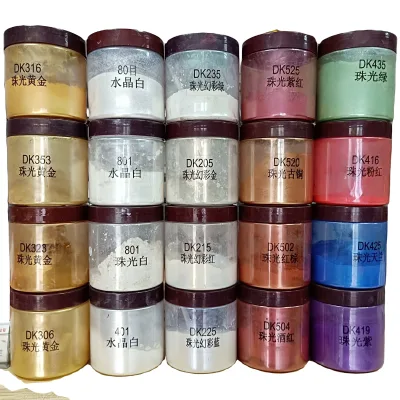
The observed product landscape includes natural mineral mica powders available in a diverse array of colors, including violet, yellow, orange, blue, red, green, brown, black, and white. These materials are typically classified as inorganic pigments with a natural origin, often treated to enhance their optical properties. Listings frequently highlight advantages such as better luster and better chroma, indicating that the base mica has undergone surface treatment to reflect light more effectively. Buyers should verify whether the product is a simple natural powder or a complex multicolor series designed for specific aesthetic outcomes.
Applications span multiple industries, including textile, paper, leather, ink, paint, plastic, cosmetic, and ceramic sectors. The powder form is essential for these applications, allowing for easy dispersion in various media. Solubility is generally noted as insolubility, which is a key characteristic for pigments intended to provide color without dissolving in the carrier medium. This insolubility ensures that the pearlescent effect remains stable and visible in the final product, whether it is a coating, a plastic resin, or a cosmetic formulation.
Technical Specifications to Verify
Particle size is a critical technical parameter that directly influences the visual effect and dispersion characteristics of the mica powder. Observed specifications indicate ranges such as 10-60 microns, 20-80 microns, and 10-100 microns, with some products specifying a mesh size of 400. Buyers must match the particle size to their application; finer particles may provide a smoother finish, while coarser particles can enhance the sparkle effect. It is essential to confirm the exact particle size distribution with the supplier, as variations can significantly impact the final product's appearance and performance.
The composition of the pigment is another vital specification, often involving oxide treatments to achieve the desired color and pearlescent effect. Products may be labeled as pearl pigments or mica colorants, indicating the presence of specific chemical treatments on the mica substrate. Buyers should verify the chemical composition to ensure compatibility with their manufacturing processes and end-use regulations. Additionally, the physical form is consistently described as a powder, which requires careful handling to prevent dust inhalation and ensure uniform mixing in production lines.
Compliance and Safety Documentation
Regulatory compliance is paramount when sourcing mica powders for use in cosmetics, food-adjacent packaging, or consumer goods. Suppliers often provide certifications such as SGS, FDA, and ISO9001, which indicate adherence to quality management and safety standards. Buyers must request and verify these certificates to ensure that the product meets the specific regulatory requirements of their target markets. The presence of an MSDS (Material Safety Data Sheet) is also crucial for understanding the handling, storage, and emergency response procedures associated with the material.
Additional certifications like RoHS and ISOCCC may be relevant for products intended for electronic or environmentally sensitive applications. Buyers should confirm the specific standards applicable to their region, such as REACH compliance for European markets, although this is noted as background information. It is important to verify that the supplier’s documentation is current and covers the specific product batch being purchased. Regular audits of compliance documentation help maintain supply chain integrity and avoid regulatory penalties or product recalls.
Cost Drivers and Commercial Terms
The cost of pearlescent mica powder is influenced by several factors, including the complexity of the color treatment, particle size precision, and order volume. Observed minimum order quantities (MOQ) range from 0.1 kg to 5000 units, offering flexibility for both small-scale testing and large-scale production. Buyers should negotiate terms that align with their production schedule and inventory management strategies. Understanding the MOQ structure helps in planning procurement cycles and avoiding excess inventory or stockouts.
Packaging and delivery terms also impact the total cost of ownership. Products are typically packed in drums, cartons, or plastic bags, with standard dimensions such as 4045 cm or 3848 cm. Some suppliers offer customized packaging options to meet specific logistical needs. Delivery times are observed to range from 5 to 20 days, which buyers must factor into their supply chain planning. Clear communication regarding packaging standards and lead times ensures smooth logistics and minimizes the risk of delays or damage during transit.
Supplier Qualification and Quality Control
Supplier qualification involves verifying the manufacturer’s location, production capabilities, and quality control processes. Many suppliers are located in Huaian, Jiangsu, China, a known hub for mica powder production. Buyers should assess the supplier’s ability to provide consistent quality across batches, particularly regarding color consistency and particle size distribution. Requesting samples for testing is a critical step in evaluating the supplier’s capability to meet specific technical requirements.
Quality control measures should include checks for contamination, moisture content, and uniformity of the powder. Suppliers may offer customization services, allowing buyers to tailor the product to their exact specifications. Buyers should inquire about the supplier’s internal testing protocols and their ability to provide batch-specific test reports. Establishing a strong relationship with a qualified supplier ensures long-term reliability and reduces the risk of quality issues in the final product.
Long-Term Procurement Checks
Long-term procurement success depends on continuous monitoring of supplier performance and market trends. Buyers should regularly review supplier certifications and compliance documentation to ensure ongoing adherence to regulatory standards. Maintaining open communication with suppliers regarding any changes in product specifications or manufacturing processes helps in managing risks effectively. Periodic audits of the supplier’s quality control systems can identify potential issues before they impact production.
Additionally, buyers should stay informed about advancements in mica powder technology and emerging applications in various industries. This knowledge can help in identifying new opportunities for product innovation and cost optimization. Building a diversified supplier base can mitigate risks associated with single-source dependencies. By focusing on strategic partnerships and continuous improvement, buyers can ensure a stable and efficient supply of high-quality pearlescent mica powder for their manufacturing needs.
FAQs
What is the particle size range for this mica powder?
The particle size ranges from 10 to 60 microns, with other options like 20 to 80 microns or 10 to 100 microns available. This specific range ensures optimal dispersion in various applications such as paints, plastics, and cosmetics while maintaining the desired pearlescent effect.
Which certifications does the product hold for safety?
The product holds SGS, FDA, ISO9001, and MSDS certifications to ensure safety and compliance. These standards verify that the natural mineral mica powder meets international requirements for use in cosmetics, food packaging, and industrial applications without harmful contaminants.
Can I customize the packaging for bulk orders?
Yes, customization is available for packaging needs beyond standard drums or cartons. Buyers can request specific packing solutions like plastic bags or barrels to suit their logistics requirements while maintaining the integrity of the pigment during international shipping from China.
What is the minimum order quantity for this pigment?
The minimum order quantity starts at 0.1 kilograms, allowing small buyers to test the product quality. This low threshold supports diverse procurement strategies while ensuring that larger industrial buyers can still access bulk pricing through standard drum or carton packaging options.
How long does delivery take from the factory?
Delivery time typically ranges from 5 to 20 days after order confirmation. This lead time accounts for processing and shipping from the Huaian, Jiangsu facility, ensuring timely arrival for textile, paper, and cosmetic manufacturers requiring consistent supply of high-chroma pigments.
Which industries can use this pearlescent mica powder?
This powder is suitable for textile, paper, leather, ink, paint, plastic, cosmetic, and ceramic industries. Its insolubility and natural composition make it ideal for creating durable finishes with better luster and chroma across a wide spectrum of manufacturing applications globally.
What colors are available in the multicolor series?
Available colors include violet, yellow, orange, blue, red, green, brown, black, and white. The product offers over 200 color options to meet specific design requirements, ensuring that manufacturers can achieve precise aesthetic results in their final coated or molded products.