Source Pecfly Rear Delt Trainer for Home Gym and Commercial Use
Find 30 Pecfly Rear Delt Trainer options built with heavy-duty steel and electrostatic powder coating. Compare commercial-grade strength training machines for home gyms, community centers, and professional fitness facilities.
Key considerations
Products List


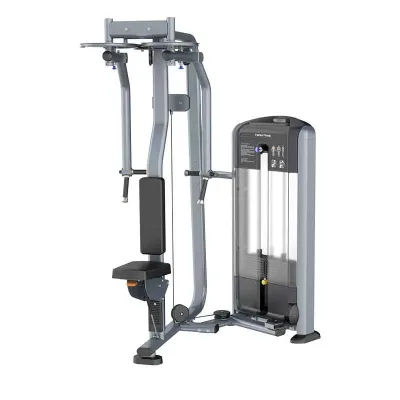
Gym Fitness Equipment Pearl Delt/Pec Fly Trainer Lateral Raise Shoulder Trainer
$119.00 - $149.00
MOQ: 1 Pieces


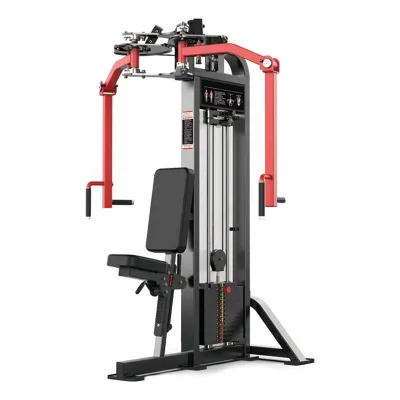
Commercial Rear Delt Pec Fly Machine for Chest and Shoulder Strength Training
$842.00 - $860.00
MOQ: 2 Pieces






Comprehensive Sourcing Guide
Pecfly Rear Delt Trainer Sourcing Guide
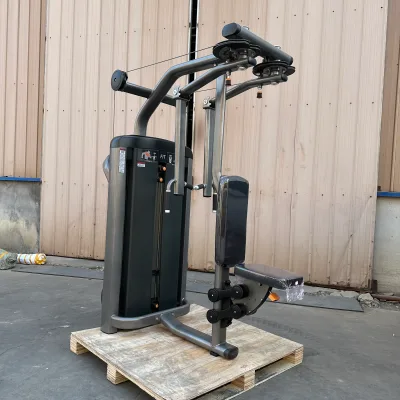
The Pecfly Rear Delt Trainer represents a specialized category of commercial-grade strength equipment designed to isolate the posterior deltoids and pectoral muscles for targeted hypertrophy. Based on observed market data, these units are frequently marketed as integrated gym trainers suitable for professional strength training environments, home gyms, and community facilities. The core functionality focuses on arm and chest exercises, with specific models identified as Rear Delt Rec Fly Pearl Delt Pec Fly Machines, indicating a dual-purpose design that accommodates both rear deltoid fly movements and pec fly variations within a single footprint.
Procurement of this equipment requires distinguishing between general fitness machines and heavy-duty commercial units capable of withstanding high-frequency use. The observed product attributes highlight a focus on "Commercial Grade Professional" quality, suggesting that buyers should prioritize units constructed with robust materials like heavy-duty steel tubes. These machines are typically designed for strength training and bodybuilding, featuring a weight stack system that often includes a standard weight of 75kg, ensuring sufficient resistance for advanced users while maintaining safety and comfort during repetitive motion exercises.
Product Scope and Observed Listing Signals
When evaluating listings for Pecfly Rear Delt Trainers, buyers must carefully analyze the variation in physical dimensions and structural specifications, as observed data indicates significant differences in standard sizes. Some units are listed with dimensions around 203197203 cm, while others appear with a footprint of 120186160 cm or 12409402110 mm. This variance suggests that the product scope includes multiple configurations, ranging from compact home units to larger commercial installations, and buyers must verify that the listed dimensions align with their specific facility space constraints before proceeding with an order.
The observed listing signals also reveal a strong emphasis on customization capabilities, which is a critical factor for commercial gym operators seeking branded equipment. Suppliers frequently offer options for customized logos, customized colors, and specific branding on the machine frame, allowing facilities to maintain a cohesive aesthetic. Additionally, the product scope includes various packaging types, such as wooden boxes and plywood cases, which are essential for protecting the heavy steel components during international shipping, particularly given the substantial machine weight of approximately 321kg observed in several listings.
Technical Specifications to Verify
Structural integrity is paramount when sourcing heavy-duty strength training equipment, and the tube thickness is a primary specification that requires rigorous verification. Market observations show a range of tube thicknesses, with some units specified at 3.5mm and others at 3.0mm heavy-duty steel. Buyers should explicitly confirm the exact millimeter thickness of the main frame tubes, as this directly correlates with the machine's stability and its ability to support heavy weight stacks without flexing or compromising safety during intense training sessions.
Beyond the frame, the mechanical specifications regarding the weight stack and exercise mechanics must be scrutinized to ensure they meet the intended training goals. The standard weight stack is observed at 75kg, but buyers should verify if this is the total stack weight or the base weight, and whether additional plates can be added for progressive overload. Furthermore, the exercise part is consistently listed as targeting the arm, chest, and rear deltoids, so the machine's pivot points and seat adjustments must be verified to ensure they provide the correct range of motion for the specific Pecfly and Rear Delt movements required by the facility's programming.
Compliance and Safety Documentation
Safety compliance is a non-negotiable aspect of sourcing commercial fitness equipment, and the presence of CE and ISO certifications serves as a baseline indicator of regulatory adherence. Observed product data confirms that these machines carry CE and ISO certifications, which are essential for importing and operating equipment in many international markets. However, buyers must request the specific certification documents and verify that the ISO standard referenced applies to the specific safety and performance requirements of the machinery, rather than a generic quality management standard.
In addition to certifications, the surface treatment and coating processes are critical for long-term safety and equipment longevity. The observed listings specify an electrostatic powder coating process, which provides a durable finish that resists chipping, rust, and wear from sweat and frequent use. Buyers should verify that the painting process meets industry standards for adhesion and thickness, as a substandard coating can lead to premature corrosion, creating sharp edges or structural weaknesses that pose a safety hazard to users in a high-traffic gym environment.
Cost Drivers and Commercial Terms
The pricing for Pecfly Rear Delt Trainers varies significantly based on the observed range of 119 to 1050 USD, driven primarily by the level of customization, the weight of the steel used, and the complexity of the assembly. The substantial machine weight of 321kg is a major cost driver, as it increases shipping expenses and requires specialized freight handling, which should be factored into the total landed cost. Buyers should not rely solely on the unit price but must request a detailed breakdown that includes packaging, freight, and insurance to understand the true cost of acquisition.
Commercial terms such as Minimum Order Quantity (MOQ) and lead times are also critical variables that influence procurement strategy. The observed MOQ ranges from 1 set to 5 units, offering flexibility for smaller facilities or single-unit purchases, while the delivery time is typically listed between 20 to 35 days. Buyers must confirm these timelines in writing, as production delays can impact facility opening schedules, and they should clarify whether the lead time includes the time required for custom logo application or color matching, which can extend the manufacturing window.
Supplier Qualification and Quality Control
Supplier qualification for heavy commercial equipment requires a deep dive into the manufacturing origin and the specific quality control measures in place. The observed data indicates that these machines originate from Dezhou, Shandong, China, a region known for its manufacturing capabilities, but buyers must verify the specific factory's capacity to produce "Commercial Grade Professional" units. It is essential to request evidence of the factory's production history, including photos of similar units in operation, to ensure they have the expertise to build machines that meet the rigorous demands of professional strength training.
Quality control protocols must extend beyond the final inspection to include material verification and process auditing. Buyers should insist on a quality control plan that details how the steel tube thickness is measured and verified, as well as how the electrostatic powder coating process is monitored for consistency. Given the high weight and complexity of the machine, a pre-shipment inspection is highly recommended to ensure that the 75kg weight stack is correctly installed, the frame is free of defects, and the packaging is robust enough to prevent damage during transit.
Long-Term Procurement Checks
Sourcing a Pecfly Rear Delt Trainer is not a one-time transaction but the beginning of a long-term relationship that requires attention to warranty and after-sales support. The observed warranty period of 3 years is a significant factor in the procurement decision, but buyers must clarify the specific terms of this warranty, including what components are covered, the process for filing claims, and whether the warranty is valid internationally or only within the country of origin. A robust warranty indicates the supplier's confidence in their product's durability and their commitment to supporting the buyer over the lifespan of the equipment.
Finally, buyers must plan for the long-term maintenance and replacement of parts to ensure the equipment remains operational for years. The use of heavy-duty steel and electrostatic powder coating suggests a design intended for longevity, but the mechanical components such as bearings, cables, and pulleys will eventually require replacement. Procurement strategies should include securing a supply of spare parts at the time of purchase, verifying the availability of technical support for troubleshooting, and ensuring that the machine's design allows for easy maintenance without requiring specialized tools or extensive downtime.
FAQs
What certifications does the Pecfly Rear Delt Trainer have?
The equipment carries CE and ISO certifications to ensure safety and compliance. These standards verify that the steel construction meets international quality requirements for commercial and home gym use.
Can I customize the logo on this Pecfly Rear Delt Trainer?
Yes, you can accept a customized logo on the machine. The manufacturer supports branding requests while maintaining the electrostatic powder coating finish and heavy-duty steel tube structure for durability.
How long is the delivery time for this Pecfly Rear Delt Trainer?
The standard delivery time ranges from 20 to 35 days after order confirmation. This lead time accounts for production and secure packing in a plywood or wooden box for international shipping.
What is the minimum order quantity for the Pecfly Rear Delt Trainer?
The minimum order quantity is one set for this equipment. This low MOQ allows buyers to test the commercial-grade professional machine before committing to larger bulk orders for their facilities.
Which materials are used to build the Pecfly Rear Delt Trainer?
The frame is constructed from heavy-duty steel with a tube thickness of 3.0mm to 3.5mm. This robust material ensures stability during strength training and bodybuilding exercises for adult users.
What is the warranty period for the Pecfly Rear Delt Trainer?
The product comes with a 3-year warranty covering manufacturing defects. This coverage applies to the integrated gym trainer used for home, gymnasium, or community strength training applications.