Source Pet Silicone Bath Brush for Dogs, Cats, and Grooming
Find 30 verified Pet Silicone Bath Brush options for dogs, cats, and general grooming. Compare features like waterproof design, manual operation, and custom logo printing to select the best supplier for your needs; compare the available evidence and request quotations based on your requirements.
Key considerations
Products List


Pet Bathing Tool Pet Grooming Cleaning Massage Shampoo Silicone Dog Bath Brush
$1.99 - $2.21
MOQ: 1000 Pieces


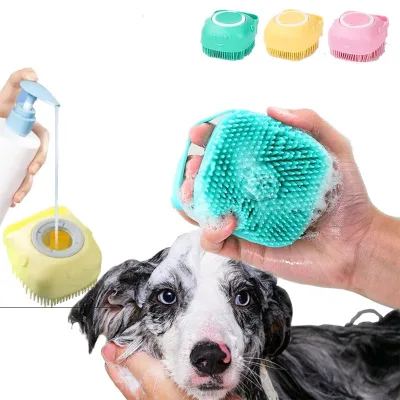
Silicone Dog Bath Brush Massage Brush Washing Brush with Shampoo Dispenser for Dog Shower
$0.25 - $0.50
MOQ: 1000 Pieces





Comprehensive Sourcing Guide
Pet Silicone Bath Brush Sourcing Guide
The market for pet silicone bath brushes presents a distinct category of grooming tools designed primarily for dogs and cats, featuring soft silicone bristles that facilitate gentle cleaning and massage during bathing. Observed listings indicate these products are often marketed with specific functions such as slow feeding, licking mats, or general pet cleaning, suggesting a versatile utility beyond simple brushing. Buyers must carefully distinguish between items labeled as body brushes for human use and those explicitly designed for animal grooming, as the application context dictates the necessary material safety and bristle firmness.
Procurement decisions should prioritize verifying the specific application claims against the actual product model, as some listings conflate pet water fountains with grooming brushes. The observed data shows a wide range of models, from specific silicone pads to general cleaning tools, requiring buyers to confirm the exact intended use before placing orders. Understanding whether the product is a standalone brush or part of a larger grooming system is essential for aligning inventory with customer expectations and ensuring the tool effectively addresses pet hair removal and skin care needs.
Product Scope and Observed Listing Signals
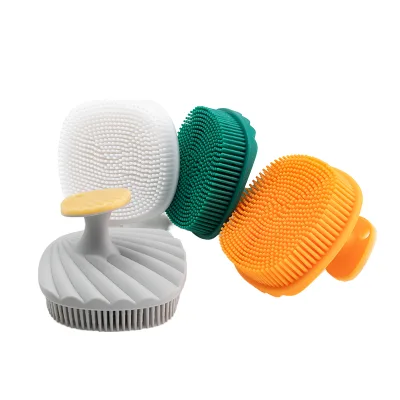
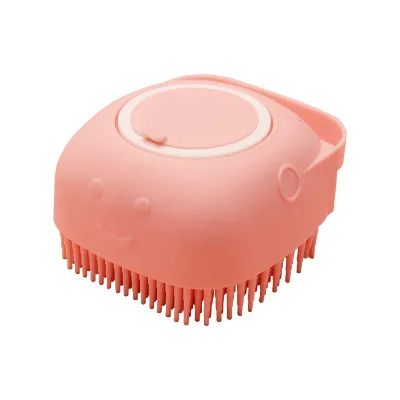
Buyers should expect a diverse range of product attributes, including various color options like green, orange, blue, and pink, which are frequently offered to match brand aesthetics or customer preferences. The observed listings highlight that customization is a standard feature, allowing suppliers to adapt colors, logos, and packaging to specific buyer requirements. This flexibility extends to the physical dimensions, with sizes ranging from small to large, enabling procurement teams to select the most appropriate scale for different pet breeds and grooming scenarios.
Commercial signals indicate that packaging varies significantly, with options including polybags, custom boxes, or bulk cartons, which directly impacts logistics and retail presentation. The presence of logo printing and OEM capabilities suggests that many suppliers are prepared to support private label strategies, though buyers must verify the specific packing details for each model. It is critical to confirm whether the product is marketed as a single unit or part of a set, as this influences the unit cost and the perceived value proposition for the end consumer.
Technical Specifications to Verify
Technical due diligence must focus on the material composition, as the core functionality relies heavily on the use of food-grade or pet-safe silicone. Buyers should explicitly verify that the material is non-toxic and durable enough to withstand repeated washing and exposure to pet saliva and water. The observed specifications mention silicone as the primary material for pads and brushes, but confirming the exact grade and hardness is necessary to ensure the bristles provide effective cleaning without causing discomfort or injury to the animal's skin.
Dimensional accuracy and weight are equally critical parameters that affect the user experience and shipping costs. Listings show specific dimensions such as 143*80mm for pads and weights around 100g to 140g, but these figures can vary by model. Procurement teams must request detailed size charts and weight specifications for the exact model number to ensure the product fits comfortably in a pet's mouth or hand during use. Additionally, verifying the waterproof nature of the product is essential for items intended for wet environments, ensuring longevity and ease of cleaning.
Compliance and Safety Documentation
Safety compliance is paramount when sourcing products that come into direct contact with animals, requiring verification of relevant material safety certifications. While some listings mention broad certifications like CCC, ISO, and CE, buyers must confirm that these specifically cover the silicone materials used in pet grooming applications. It is insufficient to rely on general manufacturing standards; the supplier must provide test reports demonstrating that the silicone does not leach harmful chemicals or contain allergens that could affect sensitive pet skin.
Documentation should also address the specific standards for pet products, which may differ from general consumer goods. Buyers should request evidence that the product meets local safety regulations in their target market, particularly regarding small parts or choking hazards if the item is designed for chewing or licking. Although some background information mentions ISO 9001, this quality management standard does not guarantee product safety; therefore, specific material safety data sheets and third-party test results for the final product are mandatory before finalizing any purchase order.
Cost Drivers and Commercial Terms
Pricing in this category is influenced by the complexity of customization, the volume of the order, and the specific material grade selected. The observed price range of 0.1 to 5 USD suggests a wide variance based on features, with higher costs likely associated with custom molds, premium silicone, or intricate logo printing. Buyers should anticipate that lower unit prices may come with higher minimum order quantities, as seen in listings with MOQs of 1000 pieces, while smaller orders might incur a premium per unit.
Commercial terms must clearly define the packaging configuration and shipping logistics, as these factors significantly impact the landed cost. Variations in packing, such as individual OPP bags versus bulk cartons, affect the number of units per shipment and the associated freight charges. Procurement teams should negotiate terms that account for the weight and volume of the product, ensuring that the cost per unit remains competitive while maintaining the quality of the packaging to prevent damage during transit.
Supplier Qualification and Quality Control
Supplier qualification requires a rigorous assessment of their manufacturing capabilities, particularly their experience with silicone molding and pet product safety. Buyers should verify that the supplier has a proven track record of producing items that meet the specific durability and safety requirements of the pet grooming market. It is advisable to request samples from different production batches to assess consistency in color, texture, and structural integrity before committing to a large-scale order.
Quality control protocols must be established to ensure that every unit meets the agreed-upon specifications regarding size, weight, and material safety. Buyers should implement a pre-shipment inspection process that checks for defects such as uneven molding, loose parts, or incorrect labeling. Given the high customization potential, it is essential to have a clear approval process for color and logo placement to prevent costly errors and ensure the final product aligns with the brand's quality standards.
Long-Term Procurement Checks
Sustaining a successful supply chain for pet silicone bath brushes requires ongoing monitoring of supplier performance and market trends. Buyers should regularly review supplier adherence to safety standards and material specifications, as changes in raw material sources can impact product quality. Establishing a long-term relationship with a reliable supplier ensures consistent access to high-quality materials and reduces the risk of supply disruptions that could affect inventory levels.
Continuous feedback loops with end-users are essential for identifying potential improvements in product design or functionality. Buyers should track customer reviews and return rates to detect any recurring issues related to durability or safety. By maintaining open communication with suppliers and staying informed about evolving pet care trends, procurement teams can adapt their product offerings to meet changing consumer demands and maintain a competitive edge in the market.
FAQs
What materials are used for pet silicone bath brushes?
These brushes are typically made from soft, food-grade silicone to ensure safety for dogs and cats. The material is durable, waterproof, and easy to clean. It provides a gentle massage during bathing while effectively removing loose hair and dirt from the pet's coat without causing irritation.
Can I customize the logo on the silicone brush?
Yes, logo printing is available for these products. Buyers can request custom branding to suit their business needs. The supplier accepts OEM requests, allowing for personalized designs on the silicone surface. This customization helps enhance brand visibility and creates a unique product offering for retail customers.
What is the typical MOQ for silicone pet brushes?
The minimum order quantity varies by supplier but often starts around 1000 pieces. Some vendors may accept lower MOQs for sample orders or standard items. Buyers should confirm specific MOQ requirements with manufacturers, as bulk orders usually benefit from better pricing and more flexible customization options for packaging.
Are these brushes suitable for both dogs and cats?
Yes, these silicone brushes are designed for both dogs and cats. The soft bristles are gentle enough for sensitive skin and smaller pets. They effectively clean and massage the coat of various animal sizes. The versatile design makes them a practical grooming tool for multiple types of household pets.
How should I pack the silicone brushes for shipping?
Products are commonly packed in individual polybags or OPP bags for protection. Bulk cartons typically contain 60 pieces per carton. Customized packing options are also available to meet specific retail or wholesale requirements. Proper packaging ensures the brushes remain clean and undamaged during international shipping and storage.
What certifications do these silicone brushes have?
Manufacturers often provide certifications such as CE, RoHS, and ISO standards. These ensure the silicone material meets safety and quality regulations for pet products. Buyers should request specific certification documents to verify compliance. Proper certifications are essential for importing these items into regulated markets and ensuring product safety.