Source Petroleum Products Pour Point Analyzer for Lab Testing
Source a Petroleum Products Pour Point Analyzer from 30 verified listings. Compare models with cold chambers down to -70°C, LED displays, and platinum resistance sensors to find the right fit for your quality control needs; compare the available evidence and request quotations based on your requirements.
Key considerations
Products List


Pour Point Test Instrument Automatic Oil Cloud Point and Pour Point Analyzer
$2693.60 - $2700.00
MOQ: 1 sets


ASTM D97 Pour Point, Cloud Point & Cfpp Analyzer for Petroleum Products Tester
$4108.00 - $5116.00
MOQ: 1 Pieces

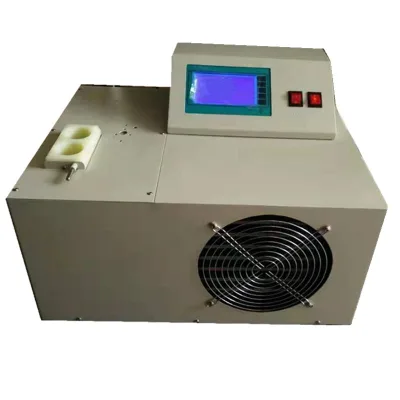
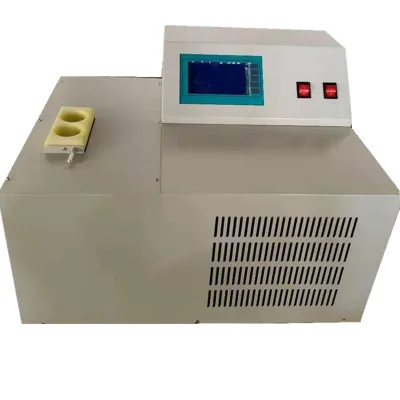
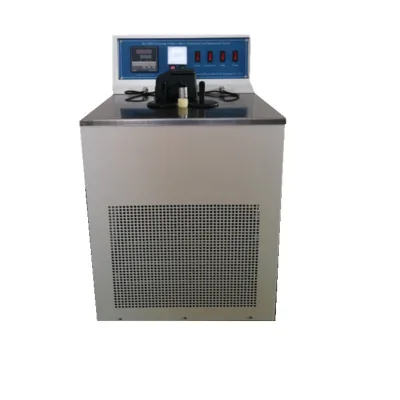


Petroleum Pour and Cloud Point Tester by ASTM D97 Pour Point Analyzer
$2600.00 - $4800.00
MOQ: 1 Pieces


Comprehensive Sourcing Guide
Petroleum Products Pour Point Analyzer Sourcing Guide
Selecting the right pour point analyzer requires careful evaluation of cooling capabilities and measurement precision. Buyers must prioritize instruments that maintain stable low temperatures, typically ranging from room temperature down to -70°C, to ensure accurate results for various petroleum grades. The choice between portable and stationary units depends on laboratory space and mobility needs, with portable options offering flexibility for field testing or multi-lab environments.
Verification of temperature control accuracy is critical for regulatory compliance and quality assurance. Analyzers should demonstrate high-resolution temperature measurement, often utilizing platinum resistance sensors, to detect subtle changes in sample behavior. Procurement teams should confirm that the device meets specific industry standards, such as ASTM D2500 or ASTM D97, which govern pour point testing procedures for petroleum products and lubricants.
Product Scope and Observed Listing Signals
The market for pour point analyzers includes diverse models designed for different operational scales. Listings often highlight features such as LED displays for clear temperature readouts and customized packaging options like carton or wooden cases for safe shipping. Buyers should observe that some units are marketed with specific model numbers, indicating specialized configurations tailored to particular testing requirements or laboratory setups.
Commercial signals reveal a wide price range, reflecting variations in technology and build quality. Minimum order quantities are frequently listed as one unit, suggesting that these instruments are typically sold individually rather than in bulk. This structure allows laboratories to purchase single units for specific testing needs without committing to large inventory holdings, providing financial flexibility for smaller operations.
Technical Specifications to Verify
Temperature control range is a primary technical specification to verify before purchase. Buyers should ensure the analyzer can reach and maintain temperatures as low as -70°C with an accuracy of ±1°C or better. The cooling system, often involving a new-type refrigeration compressor, must be robust enough to handle continuous operation without significant performance degradation over time.
Power consumption and electrical requirements are also essential considerations for laboratory infrastructure planning. Units may have maximum power consumption around 1500 W, requiring adequate electrical capacity in the testing facility. Additionally, verification of accessories, such as high-voltage power supply connecting lines, ensures that all necessary components are included for immediate and safe operation upon installation.
Compliance and Safety Documentation
Safety certifications are mandatory for electrical equipment used in laboratory environments. Buyers must confirm that the analyzer holds relevant certifications, such as ISO, CE, FCC, or RoHS, which indicate compliance with international safety and environmental standards. These documents protect the laboratory from liability and ensure that the equipment does not pose electrical or environmental hazards during operation.
Documentation should also include detailed user manuals and maintenance guidelines. Clear instructions on operation, calibration, and troubleshooting are essential for ensuring consistent test results and extending the lifespan of the instrument. Buyers should verify that the supplier provides comprehensive after-sales support, including a 24-hour reply service, to address any technical issues promptly.
Cost Drivers and Commercial Terms
The cost of a pour point analyzer is influenced by its cooling capacity, temperature accuracy, and build quality. Higher-end models with advanced refrigeration systems and precise temperature control commands a premium price. Buyers should evaluate the total cost of ownership, including energy consumption and potential maintenance costs, rather than focusing solely on the initial purchase price.
Warranty terms and after-sales service agreements are critical components of the commercial terms. A standard one-year warranty is common, but buyers should negotiate for extended coverage or comprehensive service packages if available. Understanding the terms of the warranty, including what components are covered and the process for claiming service, helps mitigate long-term operational risks and ensures uninterrupted testing capabilities.
Supplier Qualification and Quality Control
Supplier qualification involves verifying the manufacturer’s reputation and production capabilities. Buyers should look for suppliers with a proven track record in manufacturing laboratory equipment and those who adhere to strict quality control processes. Origin information, such as production in specific regions like Hubei or Chongqing, can provide insights into the supply chain and logistical considerations for international buyers.
Quality control checks should include verification of product standards and testing procedures. Suppliers should provide evidence that their analyzers meet relevant industry standards, such as SGS or other recognized testing protocols. Buyers may request sample testing or third-party verification reports to ensure that the equipment performs as advertised and delivers accurate pour point measurements for petroleum products.
Long-Term Procurement Checks
Long-term procurement success depends on the availability of spare parts and ongoing technical support. Buyers should confirm that the supplier can provide replacement components, such as sensors or compressors, for the lifespan of the equipment. This ensures that the analyzer can be maintained and repaired without significant downtime, preserving the laboratory’s testing capacity and data integrity.
Regular calibration and maintenance schedules are essential for maintaining measurement accuracy over time. Buyers should establish a protocol for periodic calibration using certified reference materials to verify the analyzer’s performance. Engaging with the supplier for annual maintenance contracts or training sessions can help laboratory staff stay updated on best practices and new features, maximizing the value of the investment.
FAQs
What is the temperature measurement accuracy of the analyzer?
The device offers a measurement accuracy of plus or minus 1 degree Celsius. It utilizes platinum resistance for temperature measurement and provides a resolution of 0.1 degree Celsius across the specified range.
Can the system operate at temperatures below zero degrees Celsius?
Yes, the cold chamber can reach temperatures down to minus 70 degrees Celsius with a tolerance of plus or minus 1 degree. The ambient temperature requirement for operation is 30 degrees Celsius or lower.
Which certifications does the Petroleum Products Pour Point Analyzer hold?
The product holds ISOCE, FCC, and RoHS certifications. It also complies with ASTM D2500 and ASTM D97 standards for solidification point testing and suction filtration time ranges.
What is the maximum power consumption for this portable unit?
The maximum power consumption is 1500 Watts. The system uses a new type of refrigeration compressor and requires a power supply of AC 220 volts plus or minus 10 percent at 50 Hz.
How long is the warranty period for the equipment?
The equipment comes with a one-year warranty period. Additionally, after-sales service includes a 24-hour reply guarantee to assist with any operational issues or technical inquiries promptly.
Is customization available for the Petroleum Products Pour Point Analyzer?
Customization is available with support for OEM, ODM, and software reengineering. The product can be customized to specific requirements while maintaining its portable structure and standard packaging options.
What is the cooling water pressure requirement for the system?
The cooling water requirement specifies a pressure range between 4.9 times 10 to the power of 1 and 4.9 times 10 to the power of 5 Pascals. This ensures proper function of the refrigeration system.