Find, Compare, and Source Peugeot 206 Turbocharger for Repair, Replacement, and Performance
Explore 30 listings for the Peugeot 206 Turbocharger to compare specifications, OE numbers, and pricing. Buyers can evaluate options for DV6c, DV4c, and DW10td engines from verified suppliers in China.
Key considerations
Products List


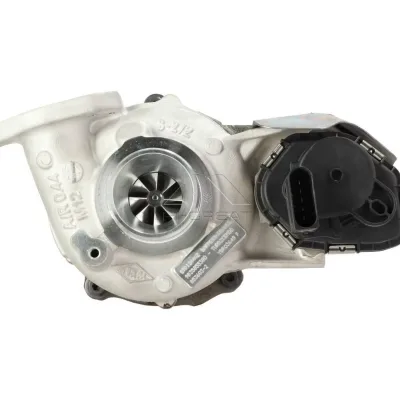
Car Turbo Turbocharger 9686120680 for Peugeot 207 Citroen Berlingo for Engine 9hr (DV6C)
$152.80 - $183.30
MOQ: 10 Pieces


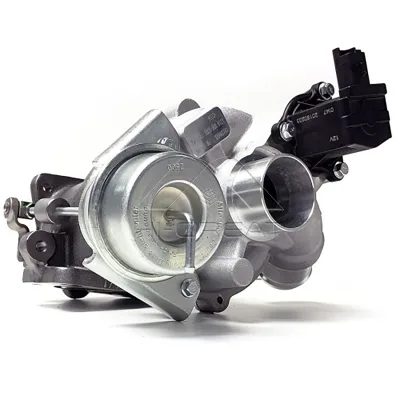
Powcode DV5 Turbocharger 49172-03100 Forpeugeot 308 Citroen Berlingo 1.5 Tdci
$180.00 - $199.00
MOQ: 2 Pieces


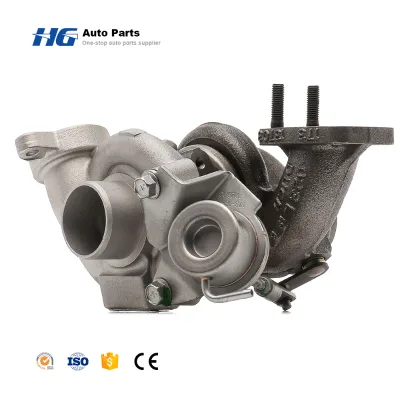
Turbocharger for Peugeot for Citroen K03 53039880180 53039700180 0375T3 9809028880
$140.00 - $160.00
MOQ: 1 Pieces


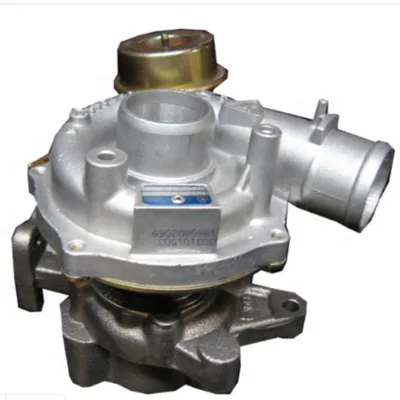
Turbocharger parts for Citroen Peugeot 806497-0001 806497-0002 9677062780 chra
$46.00 - $60.00
MOQ: 1 Pieces

Citroen Paugeot Ford TD02 TD025H2-07TVT/2.1 DV6DTED TZJA 49373-02002 turbocharger
$135.00 - $145.00
MOQ: 1 Pieces





Comprehensive Sourcing Guide
Strategic Sourcing Guide for Peugeot 206 Turbocharger Components
Understanding Technical Specifications and Model Variants
When sourcing turbocharger components specifically for the Peugeot 206, buyers must navigate a complex landscape of engine codes and part numbers, as the vehicle was produced with various engine configurations over its production run. The core technical identifier for these components is the OE (Original Equipment) number, which serves as the primary verification tool for compatibility. Based on available market data, specific OE numbers associated with Peugeot applications include 9686120680, 0375K0, 9633382180, 53039880121, and 9813245480. Each of these numbers corresponds to distinct engine variants, such as the 9hr (DV6c), 8hr (DV4c)/8Hz (DV4td), Rhy (Dw10td), and 5fx (Ep6dt) engines.
The physical construction of these turbochargers varies significantly depending on the engine type. For instance, the component designated as TD025 is a specific model often associated with high-performance or specific diesel applications. The body material for many of these units is documented as iron, which provides durability but adds weight to the assembly. Buyers should also note the distinction between different turbocharger types, ranging from standard exhaust-gas-turbo-super-chargers to mechanical turbocharger systems and axialflow electric turbocharger types. The weight of a typical unit is approximately 6kgs, a factor that influences shipping costs and handling requirements.
Furthermore, the product model numbers often mirror the OE numbers, such as 9686120680 or 0375K0, serving as a direct link between the manufacturer's catalog and the aftermarket part. It is critical to match the engine code precisely; for example, the DV5 engine requires a specific configuration distinct from the DV6c. The absence of a universal fitment guarantee, despite some listings claiming "Universal Fitment: Yes," necessitates a rigorous cross-reference of the vehicle's VIN and engine code against the supplier's specific part number database. The condition of the product is consistently listed as "New," which implies a fresh manufacturing cycle rather than a remanufactured unit, a distinction that impacts warranty terms and performance expectations.
Compliance, Certification, and Quality Standards
In the B2B procurement of automotive turbochargers, verifying compliance with international and regional standards is non-negotiable. The supply chain for these components often originates from manufacturing hubs in Zhejiang and Shanghai, China. To ensure the integrity of the supply, buyers must demand evidence of specific certifications. The market data indicates the presence of ISO9001 certification, which validates the manufacturer's quality management systems. Additionally, certifications such as CCC (China Compulsory Certification), COP, E-Mark, and RoHS are frequently cited, indicating adherence to environmental and safety regulations within the European and Chinese markets.
A specific and critical certification mentioned in the context of these components is the ISOTSETS Component certification, which applies to both the compressor and turbine sections of the turbocharger. This certification suggests that the internal components have undergone specific testing protocols related to rotational balance and thermal stability. Another relevant standard is the TSETS Component certification, which may relate to turbine-specific testing. For buyers targeting the European market, the E-Mark certification is particularly vital as it signifies that the part meets European Economic Commission (ECE) regulations for vehicle safety and emissions.
The packaging standards also play a role in compliance and quality assurance. Products are typically shipped in cartons, with options for neutral packing or branding according to customer requirements. The standard packaging dimensions are noted as 35x25x20 cm, which is essential for logistics planning and cost estimation. Buyers should verify that the packaging protects the turbocharger from moisture and physical damage during transit, as the internal bearings and turbine wheels are sensitive to contamination. The presence of "CCC" and "ISOCE" certifications further reinforces the manufacturer's commitment to meeting Chinese and international safety standards, though buyers must confirm the validity of these certificates for the specific batch being purchased.
Cost Drivers and Pricing Dynamics
The pricing structure for Peugeot 206 turbochargers exhibits significant variance, with observed market ranges spanning from $10 to $827.86 USD. This wide disparity is not indicative of a single product but rather reflects the diversity of engine applications, material costs, and the specific technology embedded in each unit. The lower end of the price spectrum likely corresponds to basic mechanical turbocharger systems or components with simpler designs, while the upper end may reflect advanced models, such as those with electric axialflow capabilities or those from premium brands like KKK.
Several factors drive these costs. First, the brand reputation influences pricing; units branded as KKK, a well-known manufacturer in the turbocharger industry, typically command a premium over unbranded or generic alternatives. Second, the complexity of the engine code dictates the price; a turbocharger for the DV6c engine (OE 9686120680) may have different manufacturing tolerances and material requirements compared to one for the DV4td engine (OE 0375K0). Third, the customization options available, such as specific packing requirements or branding, can add to the final cost.
The Minimum Order Quantity (MOQ) is another critical cost driver. The observed MOQ range is between 1 and 10 pieces, with a specific listing noting an MOQ of 10 pieces for certain models. Buying at the MOQ level often secures a better unit price, whereas purchasing single units may incur a higher per-item cost due to the overhead of handling small orders. Additionally, the payment terms, which include TT, Western Union, PayPal, and Trade Assurance, can influence the final transaction cost. Trade Assurance, in particular, offers a layer of financial security that might be factored into the pricing structure by suppliers. Buyers must analyze the total cost of ownership, including shipping, which is affected by the 6kg weight of the unit and the 35x25x20 cm packaging dimensions, rather than focusing solely on the unit price.
Typical Applications and Engine Compatibility
The Peugeot 206 is a versatile vehicle that has been equipped with a wide array of engines, making the identification of the correct turbocharger application a complex task. The primary applications for these turbochargers include the replacement and repair of diesel and gasoline engines found in the 206 lineup. Specific engine codes identified in the market data include 9hr (DV6c), 8hr (DV4c), 8Hz (DV4td), Rhy (Dw10td), 5fx (Ep6dt), and DV5. Each of these codes represents a unique engine architecture that requires a specific turbocharger configuration.
The table below outlines the relationship between specific OE numbers, engine codes, and their associated applications based on the provided data:
| OE Number | Engine Code | Application Notes |
|---|---|---|
| 9686120680 | 9hr (DV6c) | Common for 1.6L HDi diesel engines |
| 0375K0 | 8hr (DV4c) / 8Hz (DV4td) | Used in 1.4L and 1.6L diesel variants |
| 9633382180 | Rhy (Dw10td) | Associated with 2.0L HDi diesel engines |
| 53039880121 | 5fx (Ep6dt) | Linked to specific gasoline or hybrid configurations |
| 9813245480 | DV5 | Multi-application for various engine sizes |
It is important to note that while some listings claim "Universal Fitment," this should be treated with caution. The presence of multiple OE numbers for the same vehicle model suggests that fitment is not truly universal but rather dependent on the specific engine generation and manufacturing year. Buyers must cross-reference the vehicle's VIN to ensure the turbocharger matches the exact engine code. For instance, a turbocharger designed for the DV6c engine will not function correctly in a DV4td engine due to differences in exhaust flow, boost pressure requirements, and mounting flange geometry.
Additionally, the application extends beyond just the Peugeot 206. Some components, such as those with the brand KKK or specific part numbers like 316638, may also be compatible with other manufacturers like Volvo, as indicated by the "Application: Volvo" attribute in the data. This cross-manufacturer compatibility is a common feature in the automotive aftermarket, where parts are often shared across platforms. However, for a Peugeot 206 buyer, the primary focus must remain on the specific engine codes listed above to avoid installation failures.
Supplier Evaluation and Procurement Strategy
Evaluating suppliers for Peugeot 206 turbochargers requires a focus on their operational history, geographic location, and ability to meet customization needs. The supply chain for these components is heavily concentrated in China, with major production hubs identified in Zhejiang and Shanghai. Zhejiang-based suppliers often emphasize their "20 Years Experience" as a key advantage, suggesting a mature manufacturing base with established quality control processes. Shanghai-based suppliers may offer different logistical advantages, particularly for international shipping.
When selecting a supplier, buyers should prioritize those who offer customization options. The market data indicates that customization is available, allowing buyers to request specific packing methods, such as neutral packing or brand packing, to suit their distribution needs. This flexibility is crucial for B2B buyers who may need to rebrand products for their own retail channels. Furthermore, the payment terms offered by suppliers, including Trade Assurance, provide a mechanism for dispute resolution and payment security, which is essential when dealing with international transactions.
The lead time and production capacity are also critical factors. While specific lead times are not explicitly stated in the provided data, the MOQ of 10 pieces suggests that suppliers are prepared for batch production rather than immediate single-unit fulfillment. Buyers should inquire about the production schedule to ensure timely delivery, especially for urgent repair needs. The condition of the product being "New" is a standard expectation, but buyers should verify this through product photos or inspection reports to ensure no defects are present upon arrival.
Finally, the supplier's ability to provide accurate technical documentation is paramount. Given the complexity of the engine codes and OE numbers, a supplier that can provide detailed compatibility charts and technical support will reduce the risk of ordering errors. Buyers should avoid suppliers who cannot clearly map their part numbers to specific Peugeot 206 engine codes, as this increases the likelihood of receiving incompatible components.
Quality Control and Long-Term Procurement Considerations
Ensuring the long-term reliability of Peugeot 206 turbochargers requires a robust quality control (QC) strategy. The physical attributes of the turbocharger, such as the iron body material and the 6kg weight, indicate a design focused on durability. However, the internal components, including the turbine and compressor wheels, are subject to high stress and thermal loads. The presence of certifications like ISOTSETS and TSETS suggests that the manufacturer has implemented specific testing protocols for these critical components. Buyers should request test reports or certification documents to verify that these standards are met for the specific batch of products being purchased.
Packaging plays a vital role in maintaining quality during transit. The standard carton dimensions of 35x25x20 cm must be used to ensure the turbocharger is protected from impact and environmental factors. Buyers should inspect the packaging upon receipt to confirm that the unit has not been damaged. If the packaging is compromised, it may indicate that the internal components have been subjected to shock, which could lead to premature failure.
For long-term procurement, buyers should consider the supplier's track record and the availability of spare parts. The "20 Years Experience" advantage cited by some suppliers indicates a stable supply chain, which is beneficial for maintaining consistent quality over time. Additionally, the ability to source parts with different OE numbers (e.g., 9686120680 vs. 0375K0) ensures that the buyer can fulfill orders for various Peugeot 206 models without needing to switch suppliers.
Finally, buyers should establish clear communication channels with suppliers regarding warranty and return policies. Since the product is intended for "Replace/Repair" purposes, a robust warranty is essential to protect against manufacturing defects. The use of Trade Assurance as a payment term provides an additional layer of protection, allowing buyers to file claims if the product does not meet the agreed-upon specifications. By focusing on these quality control and long-term considerations, buyers can build a sustainable procurement strategy that ensures the reliability and performance of the Peugeot 206 Turbocharger components.
FAQs
How can I verify the correct OE number for my Peugeot 206 engine?
Match your engine code like 9hr or 8hr to specific OE numbers such as 9686120680 or 0375K0. Do not rely on universal fitment claims since each engine variant requires a distinct turbocharger configuration for proper operation.
What certifications should I look for in a Peugeot 206 Turbocharger?
Require ISO9001, CCC, and ISOTSETS Component certifications to ensure quality and safety. These standards verify that the compressor and turbine sections meet rigorous testing protocols for rotational balance and thermal stability.
Which engine codes are compatible with the listed turbocharger models?
Compatible codes include 9hr for DV6c, 8hr for DV4c, and Rhy for Dw10td engines. Always cross-reference your vehicle VIN with the specific OE number to avoid installation failures due to mismatched flow requirements.
Can I request custom packaging for bulk orders of these turbochargers?
Yes, customization is available for neutral or brand packing according to your specific requirements. This flexibility allows you to rebrand products for your retail channels while ensuring the 35x25x20 cm carton dimensions are maintained.
What is the typical minimum order quantity for these turbocharger units?
The minimum order quantity ranges from 1 to 10 pieces depending on the specific model. Some listings explicitly state an MOQ of 10 pieces, which may secure a better unit price compared to single unit purchases.
How does the body material affect the weight of the turbocharger?
The body material is typically iron, resulting in a unit weight of approximately 6 kilograms. This weight influences shipping costs and handling requirements, so factor it into your logistics planning for international delivery.
Where are the primary manufacturing locations for these turbocharger components?
Production hubs are located in Zhejiang and Shanghai, China, with Zhejiang suppliers often citing twenty years of experience. Verify the specific origin on the product page to ensure it matches your sourcing preferences.