Source Pharmaceutical Grade Pomegranate Peel Extract for Cosmetics, Food, and Medicine
Find 30 verified options for Pharmaceutical Grade Pomegranate Peel Extract from Shandong, China. Buyers can compare specifications like Ellagic Acid content, HPLC test methods, and packaging details for use in health care products, food, and cosmetics.
Key considerations
Products List


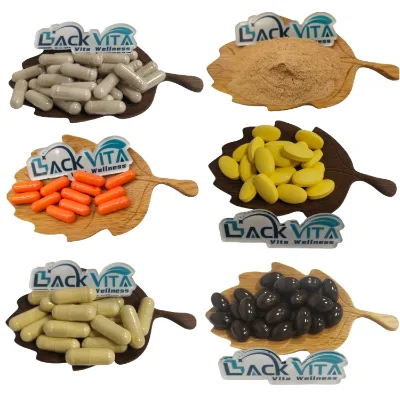
98% Pomegranate Peel Extract Powder Urolithin a Supplement Urolithin a Capsules Supplement
$1500.00 - $2000.00
MOQ: 1 kilograms




Comprehensive Sourcing Guide
Strategic Sourcing Guide for Pharmaceutical Grade Pomegranate Peel Extract
Procuring pharmaceutical-grade pomegranate peel extract requires a rigorous approach that balances botanical specificity with strict regulatory compliance. The core keyword, "Pharmaceutical Grade Pomegranate Peel Extract," points to a high-value botanical ingredient derived from Punica Granatum L., specifically targeting the fruit hull or skin. In the B2B landscape, this material is distinguished by its high concentration of active compounds, particularly Ellagic Acid and Polyphenols, which are critical for antioxidant applications in medicine and health care products. Buyers must navigate a complex supply chain where the distinction between food-grade and pharmaceutical-grade is defined by purity, testing methodologies, and certification rigor. This guide outlines the essential technical, compliance, and operational factors necessary for successful procurement.
Technical Specifications and Botanical Identity
The foundation of any successful procurement strategy lies in verifying the precise botanical identity and chemical specifications of the extract. The raw material must be sourced from Punica Granatum L., with the specific plant part utilized being the fruit hull or fruit skin. While general market listings often refer to the product as "Pomegranate Hull Extract" or "Granatum Extract," the pharmaceutical specification demands a clear definition of the active ingredient. The primary active constituent is Ellagic Acid, often accompanied by a broader spectrum of Polyphenols.
Buyers must scrutinize the assay specifications provided by potential suppliers. Observed market data indicates that standard extracts often feature Ellagic Acid concentrations ranging from 20% to 40%, with Polyphenol content also standardized, sometimes at 40%. However, these figures are not universal guarantees; they represent observed ranges in the current market. A pharmaceutical-grade specification requires a defined assay method, typically High-Performance Liquid Chromatography (HPLC), to ensure the accuracy of these percentages. The physical form of the product is consistently observed as a powder, which is essential for downstream manufacturing processes such as capsule or tablet formation. The odor and taste are generally described as characteristic of the source plant, but sensory profiles must be validated against a master standard to ensure batch-to-batch consistency.
Compliance Framework and Certification Verification
In the pharmaceutical sector, compliance is not merely a formality but a prerequisite for market entry. The supply chain for pomegranate peel extract must demonstrate adherence to international quality management systems. Verified certifications in this sector frequently include ISO standards, which indicate a robust quality management framework. Furthermore, FDA registration is a critical indicator of compliance for markets in North America, while HACCP (Hazard Analysis and Critical Control Points) certification is essential for ensuring food safety principles are applied even in medicinal contexts.
When evaluating a supplier, buyers should not accept certification claims at face value. The presence of ISO, FDA, and HACCP certifications should be verified through valid documentation. The product standard itself must be explicitly defined; while some listings mention "customized" standards, pharmaceutical procurement typically requires adherence to specific pharmacopoeial standards or a mutually agreed-upon specification sheet that includes limits for heavy metals, pesticides, and microbial counts. The extraction type is typically solvent extraction, a process that must be validated to ensure no residual solvents remain in the final powder. The grade of the product must be explicitly stated as Food Grade or higher, but for pharmaceutical applications, the internal quality controls of the manufacturer must exceed basic food-grade requirements.
Cost Drivers and Pricing Structures
The pricing of pharmaceutical-grade pomegranate peel extract is influenced by several dynamic factors, primarily the concentration of Ellagic Acid and the rigor of the testing protocols. The observed market price range for such products spans from $1 to $2,000 per unit, though this wide variance often reflects differences in packaging, volume, and specific assay concentrations. A 40% Ellagic Acid extract will command a significantly higher price point than a 20% extract due to the increased processing required to achieve higher purity.
Minimum Order Quantity (MOQ) is another critical cost driver. Market observations suggest an MOQ range of 1 to 100 units, but this is highly dependent on the supplier's capacity and the buyer's negotiation power. For large-scale pharmaceutical manufacturing, buyers should aim to negotiate MOQs that align with production schedules to avoid inventory holding costs. The packaging method also impacts the final cost; standard packaging involves fiber drums with an LDPE bag inside, typically holding a net weight of 25 kilograms. Customized packaging or smaller unit sizes for clinical trials will increase the per-unit cost. Buyers must also consider the origin of the product, with Shandong, China, being a noted production hub, which may influence logistics costs and lead times.
Typical Applications and Formulation Considerations
The versatility of pomegranate peel extract makes it a valuable ingredient across multiple sectors, including medicine, health care products, and cosmetics. Its primary function is as an antioxidant, making it ideal for formulations targeting cellular health and anti-aging. The specific application form is a key consideration during the sourcing phase. The extract is suitable for a variety of delivery systems, including capsules, tablets, pastes, and suppositories. This flexibility allows pharmaceutical companies to integrate the extract into diverse product lines without requiring significant reformulation of their existing manufacturing processes.
When designing a formulation, the physical state of the extract is paramount. The product is consistently observed in powder form, which facilitates easy mixing with other excipients. However, the solubility and flow properties of the powder must be tested to ensure compatibility with the intended manufacturing equipment. The shelf life of the product is typically two years when stored under normal conditions, which is a critical factor for inventory planning. Buyers should verify that the storage method aligns with their warehouse capabilities to maintain product integrity throughout the supply chain.
Supplier Evaluation and Quality Control Protocols
Selecting a reliable supplier requires a multi-faceted evaluation process that goes beyond basic product specifications. The supplier's location, often cited as Shandong, China, provides insight into their logistical capabilities, but the true measure of reliability lies in their quality control (QC) infrastructure. Buyers must demand evidence of the test methods used to verify product quality. The HPLC UV method is a standard observation for testing Ellagic Acid content, and the supplier must be able to provide batch-specific certificates of analysis (CoA) generated using this or an equivalent validated method.
Quality control should extend to the entire production lifecycle, from the sourcing of the raw Punica Granatum fruit to the final packaging. The extraction process, identified as solvent extraction, must be monitored to ensure consistency. Suppliers should demonstrate a clear understanding of the "Part Used," specifically distinguishing between the fruit hull and other parts of the plant, as this affects the chemical profile. Additionally, the supplier's ability to provide customized standards is a valuable asset, allowing buyers to tailor specifications to their specific regulatory needs. A robust supplier will also have a clear policy on delivery, with "in Time" delivery being a standard expectation, though lead times should be confirmed for each specific order.
Long-Term Procurement and Supply Chain Resilience
Establishing a long-term procurement relationship for pharmaceutical-grade pomegranate peel extract requires a focus on supply chain resilience and continuous improvement. The variability in market prices and the potential for fluctuations in raw material availability necessitate a strategic approach to contracting. Buyers should consider the shelf life of the product, which is two years, to optimize inventory turnover and minimize waste. Storage methods must be strictly adhered to, as deviations from normal storage conditions could compromise the antioxidant properties of the extract.
Furthermore, the customization of the product standard is a key differentiator for long-term partnerships. As regulatory landscapes evolve, the ability to adjust specifications, such as increasing the Ellagic Acid concentration or modifying the Polyphenol content, becomes increasingly valuable. Buyers should work with suppliers who offer flexible production capabilities, allowing for adjustments in the standard extract formulation to meet changing market demands. The packaging, typically 25kg drums with LDPE lining, should be evaluated for its durability during international shipping to prevent contamination or degradation.
| Evaluation Factor | Key Consideration | Verification Method |
|---|---|---|
| Botanical Source | Punica Granatum L. (Fruit Hull/Skin) | Certificate of Origin, Botanical ID |
| Active Ingredient | Ellagic Acid (20%-40%), Polyphenols | Batch-specific CoA (HPLC) |
| Certifications | ISO, FDA, HACCP | Validated Certificates |
| Physical Form | Powder | Visual Inspection, Particle Size Analysis |
| Packaging | Fiber Drum, LDPE Bag, 25kg Net Weight | Packaging Specification Review |
| Shelf Life | 2 Years | Expiry Date Verification |
| Origin | Shandong, China (Observed) | Supplier Location Audit |
In conclusion, sourcing pharmaceutical-grade pomegranate peel extract is a complex endeavor that demands a deep understanding of botanical specifications, regulatory compliance, and supply chain dynamics. By focusing on the verified attributes of the product, such as the specific assay methods, certification standards, and physical properties, buyers can mitigate risks and ensure the procurement of high-quality materials. The path to successful sourcing lies in rigorous due diligence, continuous supplier evaluation, and a commitment to maintaining the highest standards of quality and safety in every batch acquired.
FAQs
What certifications are required for Pharmaceutical Grade Pomegranate Peel Extract?
Products typically hold FDA, ISO, and HACCP certifications to ensure safety and quality. These standards verify that the extraction process meets international regulatory requirements for medicine and health care applications.
How is the active ingredient Ellagic Acid measured in this extract?
The concentration of Ellagic Acid is measured using High-Performance Liquid Chromatography or HPLC UV methods. This assay ensures the product meets specific purity standards ranging from 20% to 40% depending on the batch.
Which packaging formats are standard for shipping this powder extract?
Standard packaging involves fiber drums lined with an LDPE bag containing a net weight of 25 kilograms. This method protects the powder during transit and maintains product integrity under normal storage conditions.
Can suppliers customize the extract specifications for specific pharmaceutical needs?
Yes, suppliers offer customized standards to meet specific buyer requirements for concentration or testing protocols. This flexibility allows for tailored formulations while maintaining the core botanical identity of Punica Granatum.
What is the typical shelf life for pomegranate peel extract powder?
The product generally has a shelf life of two years when stored under normal conditions. Buyers must adhere to these storage methods to preserve the antioxidant properties and ensure product efficacy.
Which plant part is used to produce this specific extract?
The extract is derived specifically from the fruit hull or fruit skin of Punica Granatum L. This botanical source provides the characteristic odor and taste associated with high-quality pomegranate derivatives.
What is the minimum order quantity for purchasing this extract?
Minimum order quantities typically range from one unit up to one hundred units depending on the supplier. Buyers should verify specific MOQs as they vary based on packaging and customization requirements.