Source Self Heating Foot Warmer Insole for Hiking, Work, and Daily Walks
Explore 30 listings of Self Heating Foot Warmer Insole options featuring adjustable warmth, various heating methods, and multiple size standards. Buyers can compare specifications like heating time, material composition, and packaging details to find the right fit for adult footwear.
Key considerations
Products List


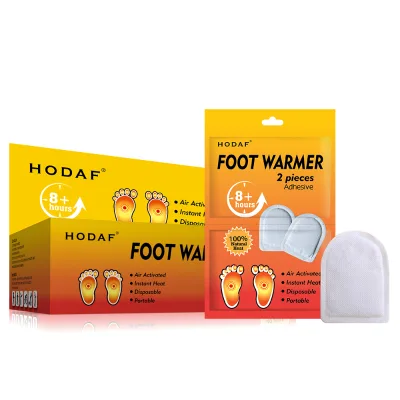
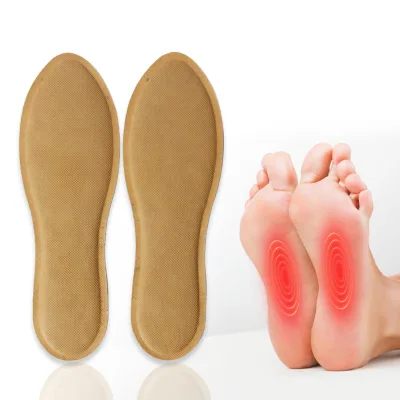
Long Lasting Self Heating Foot Warmers Hot Sale Winter Insoles Cold Feet
$0.22 - $0.25
MOQ: 1000 pieces


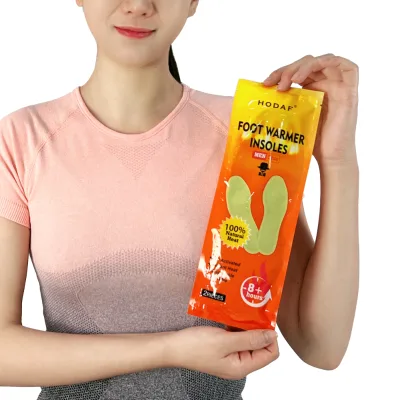
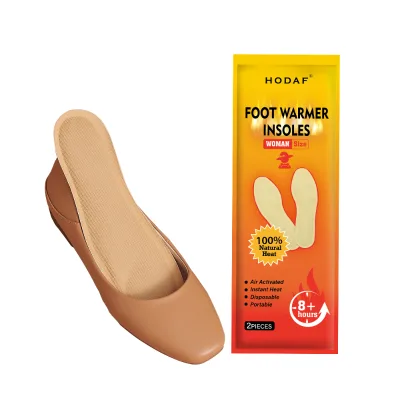
Winter Warm Products Self-Heating Insoles Heating Foot Warmer Stick Pads
$0.22 - $0.25
MOQ: 1000 pieces



Comprehensive Sourcing Guide
Strategic Sourcing Guide for Self-Heating Foot Warmers
Understanding the Product Category and Technical Variants
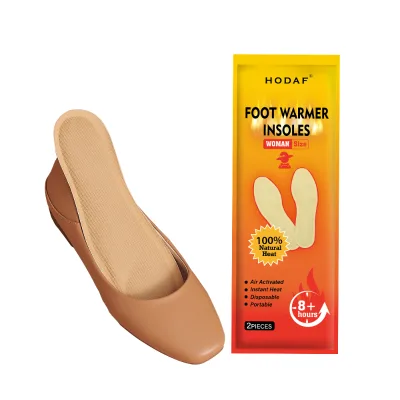
The market for self-heating foot warmers presents a distinct category of thermal management solutions that rely on chemical reactions rather than external power sources. Unlike electric insoles that require batteries and voltage inputs, self-heating variants utilize an exothermic reaction, typically involving iron powder, oxygen, water, and carbon, to generate consistent warmth. Based on observed product attributes, the core heating principle is identified as "Natural Self Heating," which distinguishes these items from electric alternatives that list specific voltage requirements such as 5V. The primary material composition for these chemical insoles often includes iron powder, vermiculite, water, and carbon, which are combined to facilitate a controlled oxidation process.
When evaluating technical specifications, buyers must distinguish between the two primary forms observed in the supply chain: reusable electric models and disposable chemical models. The electric variants, often labeled with models like MU101 or MU08, feature a rectangular shape and are designed for repeated use with a specific temperature range of 39-43°C. These units typically operate at 5V and are compatible with various shoe types, including leather and warm shoes. In contrast, the disposable chemical insoles, such as those with model numbers like ICE-SHP241 or FW-001, rely on the "Heating Method" of self-heating. These products often have an irregular shape or are cut to specific dimensions, with sizes ranging from 237.8cm to 258.5cm. The heating duration for these chemical units is a critical specification, with observed performance ranging from 8 to 10 hours, ensuring long-term warmth without the need for recharging.
The distinction in heating mechanisms dictates the application and user experience. Electric insoles are suitable for adults seeking adjustable warmth and are often packaged in OPP bags or cartons with a low minimum order quantity (MOQ) to facilitate sampling. Chemical insoles, conversely, are designed for single-use or limited-use scenarios where portability is paramount. The packaging for these items often specifies "1 Pair/Pack" and utilizes materials like Kpet+PE to maintain the integrity of the chemical components until activation. Understanding these technical divergences is essential for aligning product selection with specific procurement needs, whether the goal is a high-volume seasonal campaign or a specialized industrial safety solution.
Compliance, Safety Standards, and Material Verification
Ensuring that self-heating insoles meet safety and quality standards is a paramount concern for B2B buyers. While the supplied data indicates that products originate from China, with specific manufacturing hubs like Qingdao, buyers must not assume compliance without verification. The chemical composition of self-heating insoles, particularly the inclusion of iron powder and vermiculite, requires rigorous safety testing to ensure that the reaction does not produce hazardous byproducts or cause skin irritation. The observed "Shef Life" (shelf life) of 3 years for certain models suggests a stable chemical formulation, but this claim must be validated against international safety standards for chemical heating products.
Buyers should verify that the packaging materials, such as Kpet+PE, are compliant with food-grade or skin-contact safety regulations if the product is intended for direct contact with the skin. Although the provided text lists "Standard" values like 9670mm or 237/25*7.5CM, these dimensions refer to physical specifications rather than regulatory certifications. It is crucial to request documentation confirming that the products adhere to relevant regional safety standards, such as those governing chemical heating pads or textile safety. The "Main Ingredient" of iron powder is generally safe, but the presence of other components like carbon and water requires a clear safety data sheet (SDS) to confirm non-toxicity.
Furthermore, the "Product Standard" listed as "Free size" or specific dimensions must be cross-referenced with the actual manufacturing tolerances. Inconsistent sizing can lead to user discomfort or improper fit, which may result in product returns or negative feedback. Buyers should insist on quality control reports that verify the uniformity of the chemical mixture and the consistency of the heating time. For electric variants, electrical safety certifications are mandatory to prevent overheating or short circuits. The absence of specific certification names in the provided data underscores the need for buyers to actively request proof of compliance rather than relying on supplier assertions.
Cost Drivers and Pricing Dynamics
The pricing structure for self-heating foot warmers is influenced by several key factors, including the type of heating mechanism, material costs, and packaging complexity. The observed price range of 0.05 to 32 USD reflects the vast difference between disposable chemical insoles and reusable electric models. The lower end of the spectrum typically corresponds to single-use chemical insoles, where the cost is driven primarily by the price of raw materials like iron powder and the efficiency of the manufacturing process. These items are often sold in bulk with packaging that minimizes material usage, such as simple OPP bags.
Conversely, the higher price points are associated with electric insoles that incorporate electronic components, batteries, and heating elements. The cost drivers for these products include the voltage regulation circuitry, the durability of the fabric material, and the complexity of the assembly process. The "Low MOQ" attribute suggests that suppliers may offer flexible pricing tiers, but buyers should be aware that unit costs often decrease significantly with larger order volumes. The "Delivery Time" of 15-30 days after order confirmation also impacts the overall cost structure, as expedited shipping or rush orders may incur additional fees.
Material costs play a significant role in the final price. For chemical insoles, the ratio of iron powder to vermiculite and the quality of the packaging material (Kpet+PE) directly affect the cost. For electric insoles, the cost of the fabric, the heating element, and the battery capacity are primary determinants. Additionally, customization options, which are listed as "Available," can increase the unit price due to the setup costs for molds, printing, or specialized packaging. Buyers should analyze the total cost of ownership, including shipping, duties, and potential returns, rather than focusing solely on the unit price. The "Sample Time" of 3 days allows for quick validation of quality, but the cost of samples should be factored into the initial procurement budget.
Typical Applications and User Segmentation
Self-heating foot warmers serve a diverse range of applications, catering to various user demographics and environmental conditions. The "Applicable User" is explicitly listed as "Adults," indicating that these products are designed for general consumer use rather than specialized pediatric or medical applications. The "Gender" attribute is noted as "Unisex," suggesting that the design and sizing are intended to be inclusive and adaptable to a broad market. The "Style" is described as "Simple," which aligns with the functional nature of the product, prioritizing utility over aesthetic complexity.
The primary application for these insoles is to provide warmth in cold environments, making them ideal for outdoor activities, winter sports, and industrial work in unheated facilities. The "Suitable for" attribute highlights compatibility with "Warm Shoes" and "Leather Shoes," indicating that the insoles are designed to fit within standard footwear without causing bulkiness or discomfort. For electric insoles, the "Advantage" of being "Adjustable" allows users to control the temperature, making them suitable for varying weather conditions. Chemical insoles, with their "Heating Time" of up to 10 hours, are particularly effective for long-duration activities where access to power is limited.
In the context of procurement, understanding the specific use case is vital for selecting the right product. For example, event organizers may prefer disposable chemical insoles for large-scale distribution due to their low cost and ease of use. Conversely, outdoor gear retailers might focus on electric insoles for their durability and reusability. The "Feature" of being "Portable" is a key selling point for both types, as it allows users to carry the warmth with them wherever they go. Buyers should consider the end-user's environment and usage patterns to ensure the selected product meets their specific needs.
Supplier Evaluation and Quality Control Protocols
Evaluating suppliers for self-heating foot warmers requires a thorough assessment of their manufacturing capabilities, quality control processes, and reliability. The "Location" of the supplier, often in China or specific regions like Qingdao, can influence logistics and lead times. Buyers should verify the supplier's ability to meet the "MOQ" requirements, which range from 1 to 3000 units, depending on the product type. A supplier offering "Low MOQ" is advantageous for testing new products or small-scale orders, while those capable of handling larger volumes are essential for mass production.
Quality control is a critical component of the procurement process. Buyers should request detailed quality assurance reports that cover material composition, heating performance, and safety testing. The "Sample Time" of 3 days indicates a responsive supply chain, but the quality of the samples must be rigorously tested. For chemical insoles, verifying the "Heating Time" and temperature consistency is essential. For electric insoles, testing the "Voltage" stability and "Durability" (noted as 8H in some contexts) is necessary to ensure long-term performance.
Suppliers should also demonstrate their ability to handle "Customization" requests, such as branding, packaging, or specific sizing. The "OEM" (Original Equipment Manufacturer) service being "Welcome" suggests that many suppliers are open to private labeling, which can be a significant advantage for buyers looking to build their own brand. However, buyers must ensure that the customization process does not compromise the quality or safety of the product. Establishing a clear communication channel and setting expectations for quality standards is crucial for a successful partnership.
Long-Term Procurement Considerations and Market Trends
Long-term procurement of self-heating foot warmers involves strategic planning to manage supply chain risks and adapt to market trends. The "Lead Time" of 15-30 days after order confirmation is a standard timeframe, but buyers should account for potential delays due to raw material shortages or logistical challenges. Diversifying the supplier base can mitigate these risks, ensuring a steady supply of products even if one supplier faces disruptions.
Market trends indicate a growing demand for sustainable and eco-friendly heating solutions. While the current data does not explicitly mention sustainability certifications, buyers should inquire about the recyclability of packaging materials and the environmental impact of the chemical components. The "Package Material" of Kpet+PE may have implications for waste management, and suppliers who offer biodegradable or recyclable options may have a competitive advantage.
Additionally, the "Advantage" of products being "Adjustable" and "Warm" suggests that consumers are increasingly looking for versatile and comfortable solutions. Buyers should stay informed about technological advancements in heating materials and packaging to remain competitive. The "Shef Life" of 3 years for certain models highlights the importance of inventory management to ensure that products are sold before their expiration. By focusing on quality, reliability, and innovation, buyers can build a robust supply chain that meets the evolving needs of the market.
FAQs
How long does the heating last for chemical insoles?
Chemical insoles provide heat for up to 10 hours continuously. This duration depends on the specific model and the ambient temperature, with some variants offering a range of 8 to 10 hours of sustained warmth without external power.
What is the voltage requirement for electric heated insoles?
Electric heated insoles operate at a standard voltage of 5V. These units are designed for repeated use and typically feature adjustable temperature settings to ensure comfort for adults in various cold environments.
Can I customize the packaging for these foot warmers?
Yes, customization is available for both packaging and branding. Suppliers welcome OEM requests, allowing buyers to specify details like bag types or carton configurations to meet specific brand requirements.
What is the minimum order quantity for these products?
The minimum order quantity is low, with some suppliers accepting orders as small as one unit. This flexibility supports sampling and small-scale procurement before committing to larger bulk orders.
How long is the delivery time after confirming an order?
Delivery typically takes 15 to 30 days after the order is confirmed. This lead time allows for production and quality checks, though sample times can be as short as three days for quick validation.
Which materials are used in the self-heating insoles?
Self-heating insoles primarily contain iron powder, vermiculite, water, and carbon. These ingredients facilitate a natural exothermic reaction to generate heat without the need for batteries or electrical connections.
Are these insoles suitable for leather shoes?
Yes, the insoles are suitable for use in leather shoes as well as warm shoes. Their design ensures a comfortable fit within standard footwear types while providing necessary warmth for the user.