Source Food Grade Maitake Extract for Health Food and Medicine
Compare 30 listings of Food Grade Maitake Extract with varying polysaccharide content and certifications. Buyers can evaluate suppliers offering customization, HACCP and FDA compliance, and packaging options for health food and medicine applications.
Key considerations
Products List




Comprehensive Sourcing Guide
Strategic Sourcing Guide for Food Grade Maitake Mushroom Extract
Procuring food grade Maitake mushroom extract requires a disciplined approach that balances botanical specificity with rigorous industrial compliance. For buyers in the health food, pharmaceutical, and nutritional supplement sectors, the distinction between raw botanical material and standardized extract is critical. The market offers a variety of forms, including powders and liquids, each serving different manufacturing needs. This guide outlines the essential technical, regulatory, and operational factors necessary to secure a reliable supply chain for this specific botanical ingredient.
Technical Specifications and Standardization
The primary technical differentiator for Maitake extract is the concentration of active substances, specifically polysaccharides. In the context of industrial sourcing, the product is typically defined by its polysaccharide content, which serves as the benchmark for potency and efficacy. Sourcing data indicates that the standard range for these extracts often falls between 10% and 50% polysaccharides. Buyers must verify that the specific lot or batch they intend to purchase aligns with their formulation requirements, as a 10% extract will yield different functional outcomes compared to a 50% concentrated version.
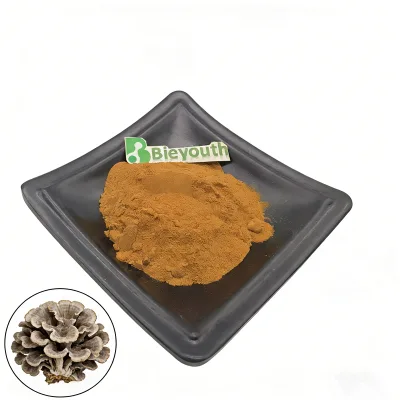
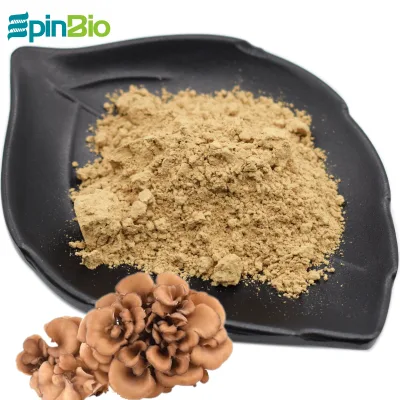
The physical state of the product is another vital specification. While some botanical extracts are available as liquids, the predominant form for Maitake in the global trade is a powder. The observed appearance ranges from brown-yellow to brown, though variations such as white powder may appear depending on the extraction method and the specific cultivar used. The extraction process itself is typically described as liquid-solid extraction, a method that efficiently isolates the water-soluble components from the fruit body of the mushroom.
The part of the plant utilized is almost exclusively the fruit body. This ensures that the extract contains the complex beta-glucans and other bioactive compounds associated with the whole mushroom structure. The resource classification is generally "natural," and cultivation methods are often noted as artificial planting, which allows for consistent quality control and supply stability compared to wild-harvested counterparts. When evaluating product data sheets, buyers should look for explicit confirmation of the "Fruit Body" origin and the specific extraction type to ensure the final product matches the intended therapeutic or nutritional profile.
Compliance and Certification Frameworks
In the food and supplement industries, compliance is not merely a formality but a prerequisite for market access. The Maitake extract market is characterized by a high degree of regulatory scrutiny. Buyers must verify that suppliers hold a comprehensive suite of certifications that cover food safety, quality management, and specific dietary requirements.
Key certifications observed in the sector include HACCP, FDA, ISO, BRC, and RoHS. These standards address different aspects of the supply chain: HACCP ensures hazard analysis and critical control points are in place; FDA registration indicates compliance with US food safety laws; ISO (specifically ISO9001) validates quality management systems; BRC confirms British and international retail standards; and RoHS addresses the restriction of hazardous substances. Additionally, specific religious dietary certifications such as Halal and Kosher are frequently available, which is essential for suppliers targeting global markets with diverse consumer bases.
Beyond general certifications, the product grade is a critical compliance marker. The material must be explicitly labeled as "Food Grade." This designation distinguishes the extract from industrial or cosmetic grades, ensuring it meets the purity and safety standards required for human consumption. Buyers should also verify the presence of specific certificates like ISO9001, Halal, and Kosher, as these are often listed alongside general quality certifications. The absence of these documents can lead to significant delays in customs clearance or rejection by retailers who mandate strict compliance.
Cost Drivers and Pricing Dynamics
The pricing of Food Grade Maitake Extract is influenced by several variable factors, primarily the concentration of active ingredients and the level of processing. The observed price range in the market spans from approximately 3 to 145 USD per unit, reflecting the vast difference between low-concentration bulk powders and highly standardized, premium extracts. A product with a polysaccharide content at the lower end of the spectrum (10%) will naturally command a lower price point than one standardized at 50%.
Minimum Order Quantity (MOQ) is another significant cost driver. The market exhibits a wide MOQ range, typically from 1 unit to 500 units. For small businesses or those testing new formulations, a lower MOQ is advantageous, though it may come with a higher per-unit cost. Conversely, large-scale manufacturers often negotiate lower prices by committing to higher volumes, potentially up to 500 units or more. The packaging material also impacts cost; options such as 1kg aluminum foil bags or 25kg drums offer different logistical efficiencies. The aluminum foil bag is suitable for smaller batches and better moisture protection, while the drum is cost-effective for industrial-scale shipping.
Supply capacity plays a role in pricing stability. Suppliers with a stated monthly capacity of 5000kg can often offer more competitive pricing due to economies of scale. However, buyers must balance this with the lead time and the reliability of the supplier to maintain consistent stock levels. The availability of free samples, typically ranging from 10g to 20g, allows buyers to conduct preliminary cost-benefit analyses without a significant financial commitment.
Typical Applications and Formulation Compatibility
The versatility of Maitake extract makes it suitable for a wide array of applications across multiple industries. The primary application sectors include medicine, health care products, and food. Within the food sector, it is heavily utilized in health food and nutritional supplements. The extract is compatible with various dosage forms, including capsules, tablets, pastes, suppositories, lotions, and injections. This flexibility allows manufacturers to integrate the ingredient into their existing product lines with minimal reformulation.
For the dietary supplement industry, the most common application is in capsule form. The powder's flowability and solubility make it an ideal candidate for encapsulation. However, the extract is also used in liquid formulations, such as lotions and injections, where the extraction method ensures the active compounds are fully dissolved or suspended. The "Nutrient Composition" often highlights mineral content, adding to its value as a broad-spectrum supplement.
Customization is a key feature for buyers looking to differentiate their products. Many suppliers offer customization services, allowing for specific flavor profiles or functional enhancements. The "Effectiveness" of the product can be tailored to customer requirements, often requiring direct consultation with customer service to define the exact functional outcome. This level of service is particularly valuable for private label brands that need to meet specific marketing claims or regulatory thresholds in their target markets.
Supplier Evaluation and Quality Control
Evaluating a supplier for Maitake extract requires a multi-faceted approach that goes beyond checking a list of certifications. Buyers should assess the supplier's testing capabilities and transparency regarding quality control. The assay methods used to verify the polysaccharide content and purity are critical. Common methods include UV spectroscopy, HPLC (High-Performance Liquid Chromatography), GPC (Gel Permeation Chrom chromatography), and HPLC-MS (Mass Spectrometry). The use of HPLC is particularly prevalent for verifying the specific polysaccharide profile.
Buyers must also scrutinize the storage and shelf life parameters. The product typically has a shelf life of 2 years or more than 12 months, provided it is stored in a cool and dry place. The storage method is often listed as "Normal" or "Cool Dry Place," but the specific environmental conditions required for long-term stability should be confirmed. The packaging material, often metal or aluminum foil, plays a crucial role in maintaining product integrity by protecting against moisture and light.
When comparing suppliers, a table of key attributes can help visualize the differences in capabilities and offerings.
| Attribute | Supplier A (Example) | Supplier B (Example) | Verification Requirement |
|---|---|---|---|
| Polysaccharide Range | 10%-50% | 10%-50% | Confirm specific batch analysis |
| Certifications | HACCP, FDA, ISO | ISO9001, Halal, Kosher | Request valid certificates |
| Packaging | 1kg Bag, 25kg Drum | 1kg Bag, 25kg Drum | Verify material integrity |
| Origin | Shaanxi, China | Fujian, China | Confirm traceability |
| MOQ | 1-500 units | 1-500 units | Negotiate based on volume |
| Sample | 10g-20g Available | Available | Request for testing |
The origin of the product is another factor to consider. Production locations such as Shaanxi and Fujian in China are noted as sources for these extracts. Buyers should verify the specific origin to ensure it aligns with their sourcing preferences or regulatory requirements regarding country of origin labeling.
Long-Term Procurement Considerations
Establishing a long-term relationship with a supplier of Maitake extract involves more than just securing a single order. It requires a strategy that ensures consistency, scalability, and adaptability to market changes. The availability of OEM, ODM, and private label services is a significant advantage for buyers looking to build their own brand. These services allow for the customization of packaging, labeling, and even the functional profile of the extract to meet specific consumer demands.
The capacity of the supplier to scale production is crucial. A monthly capacity of 5000kg suggests a robust supply chain capable of handling increased demand. However, buyers should also consider the lead times and the reliability of the supply chain during peak seasons. The ability to provide free samples and the flexibility in customization options indicate a supplier that is responsive to client needs.
Finally, buyers must maintain a proactive approach to quality control. Regular testing of incoming batches using the specified methods (HPLC, UV, etc.) is essential to ensure that the polysaccharide content remains within the agreed-upon range of 10% to 50%. The "Active Ingredient" is consistently identified as polysaccharides, and any deviation from this standard could impact the efficacy of the final product. By maintaining strict quality control protocols and fostering transparent communication with suppliers, buyers can mitigate risks and ensure a steady supply of high-quality Maitake mushroom extract for their operations.
FAQs
What certifications are available for Food Grade Maitake Extract?
Products typically hold HACCP, FDA, ISO, BRC, and RoHS certifications alongside Halal and Kosher certificates. These documents ensure compliance with international food safety and quality management standards required for global distribution and retail acceptance.
How is the polysaccharide content standardized in the extract?
The active substance concentration is standardized to a range of 10% to 50% polysaccharides depending on the specific batch. Buyers must verify the exact percentage in the product data sheet to ensure it matches their formulation potency requirements.
Can I request free samples before placing a bulk order?
Yes, suppliers generally offer free samples ranging from 10g to 20g for quality evaluation. This allows buyers to test the physical appearance and assay results before committing to a larger purchase volume or negotiating custom specifications.
What packaging options are available for shipping the extract?
Standard packaging includes 1kg aluminum foil bags and 25kg drums for industrial quantities. These materials protect the powder from moisture and light, ensuring stability during storage in cool and dry places for up to two years.
Which extraction method is used to produce this mushroom extract?
The product is manufactured using liquid-solid extraction to isolate water-soluble components from the fruit body. This process ensures the retention of key bioactive compounds like polysaccharides while maintaining the natural resource classification of the ingredient.
What is the minimum order quantity for purchasing this extract?
Minimum order quantities vary widely from 1 unit to 500 units depending on the supplier and product configuration. Smaller orders may suit testing needs while larger volumes often secure better pricing and leverage the supplier's monthly capacity of 5000kg.
Where is the Food Grade Maitake Extract sourced from?
Production origins are located in Shaanxi and Fujian provinces in China. Buyers should verify the specific origin on the product sheet to ensure traceability and compliance with any country-specific labeling or regulatory requirements.