Source Pheasant Feather Cat Teaser Stick for Play, Training, and Grooming
Compare 30 listings for Pheasant Feather Cat Teaser Stick from verified Chinese manufacturers. Buyers can evaluate materials like wood, plastic, and ostrich feather, along with sizes ranging from 30cm to 150cm and varying MOQs; compare the available evidence and request quotations based on your requirements.
Updated
Key considerations
Products List
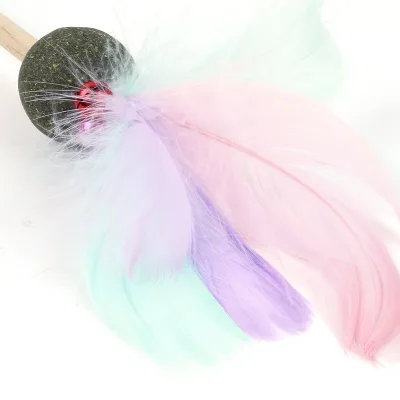


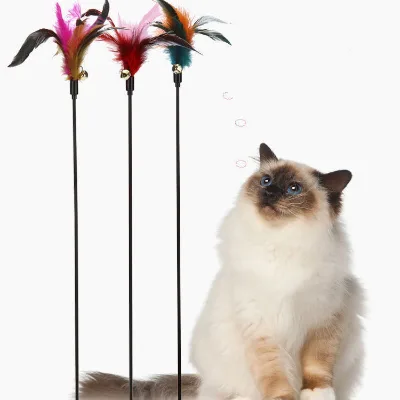
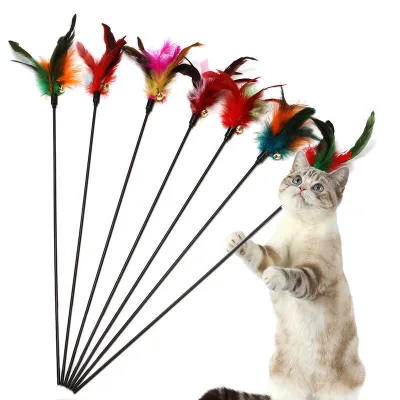
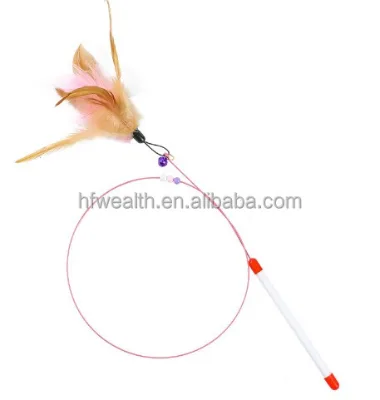
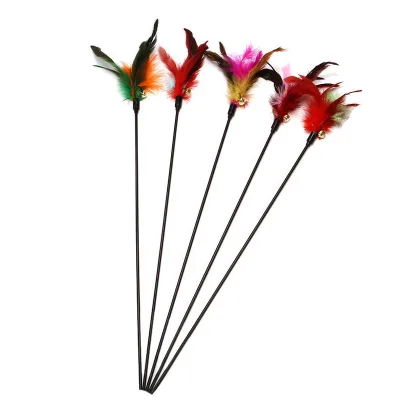
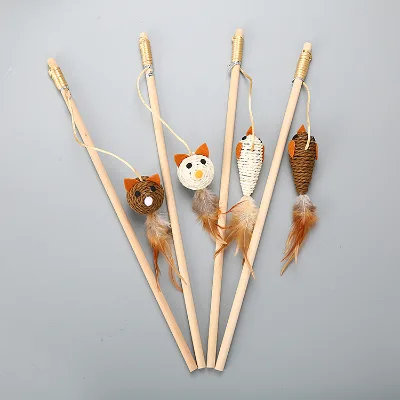
Cat Teaser Toy Funny Feather Stick for Pet Entertaining & Indoor Cat Play
$0.08 - $0.10
MOQ: 11754 Pieces

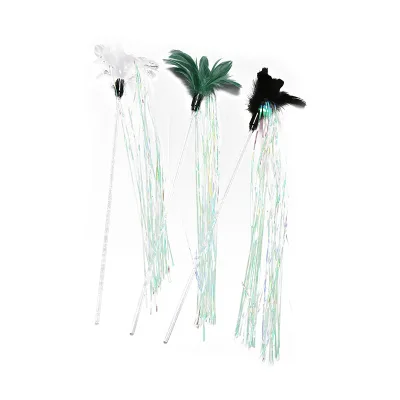
Pheasant Tail Long Rod Feather Since Hi Grinding Teeth Teasing Cat Stick
$0.72 - $0.74
MOQ: 1200 Pieces


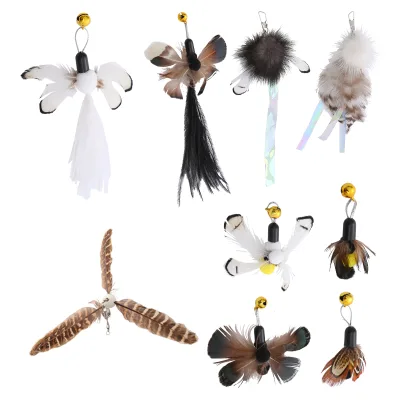
Cat Toy Teasing Cat Stick Fairy Feather Bell Replaceable Teasing Cat Stick
$1.67 - $1.69
MOQ: 1200 Pieces
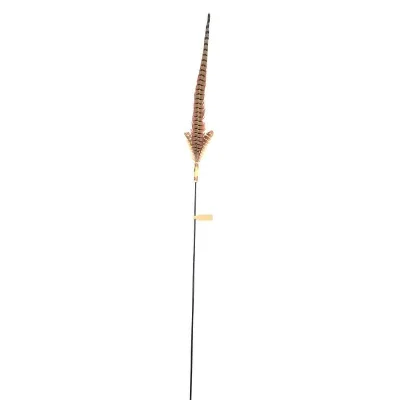
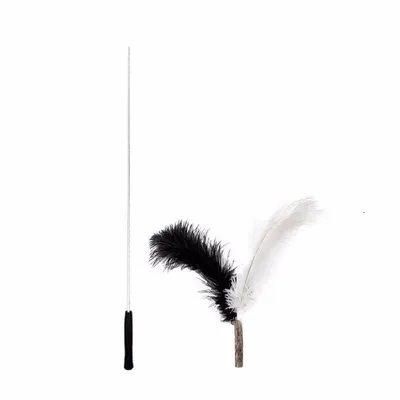
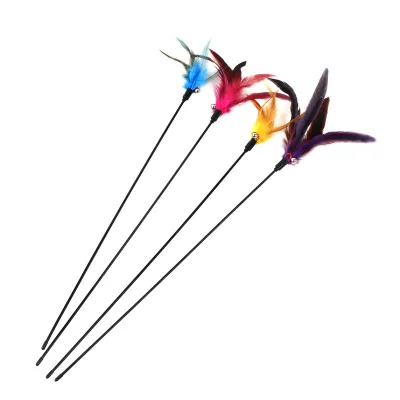
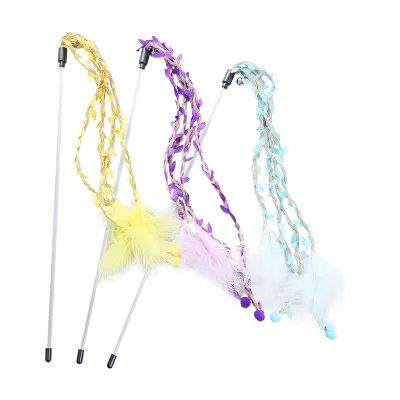
Eco Friendly Funny Feather Pet Toys Funny Cat Stick Tease Cat Stick Cat Teaser Toy
$0.1367 - $0.2009
MOQ: 100 pieces
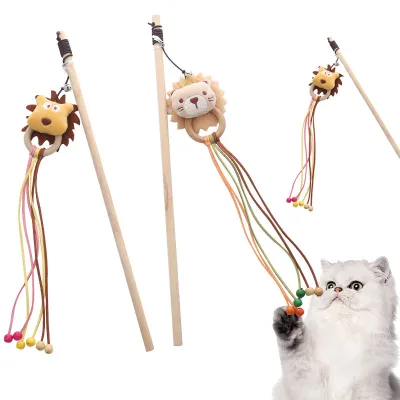
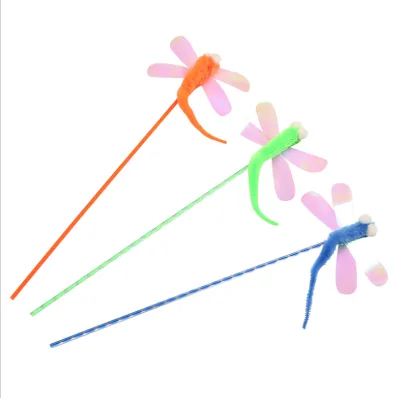


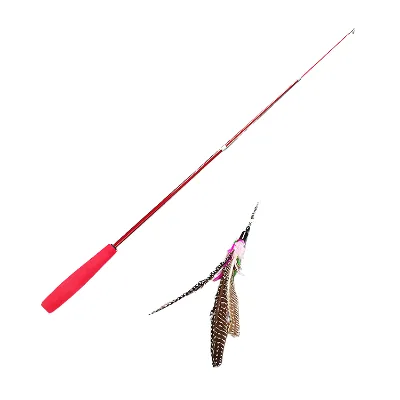


Comprehensive Sourcing Guide
Pheasant Feather Cat Teaser Stick Sourcing Guide
Sourcing high-quality interactive toys for felines requires a nuanced understanding of material durability, safety standards, and supplier reliability. The market for cat teaser sticks is diverse, ranging from simple plastic wands to complex plush-and-feather hybrids. Buyers must navigate a landscape where product attributes vary significantly, including materials like wood, plastic, and natural feathers, as well as styles that range from modern to classic. This guide provides a structured approach to evaluating suppliers and products, ensuring that procurement decisions are grounded in verified data rather than marketing claims. By focusing on specific technical specifications and compliance requirements, buyers can mitigate risks associated with product quality and regulatory adherence.
The following sections detail the critical factors influencing procurement success, from initial product scope analysis to long-term supplier management. Each section is designed to help buyers make informed decisions by highlighting key verification steps and commercial considerations. The goal is to provide a comprehensive framework for sourcing pheasant feather cat teaser sticks that meet both functional and safety expectations. By adhering to these guidelines, buyers can build a resilient supply chain that supports brand integrity and customer satisfaction. This approach emphasizes evidence-based decision-making, ensuring that every aspect of the sourcing process is transparent and verifiable.
Product Scope and Observed Listing Signals
The observed product landscape reveals a wide variety of cat teaser sticks, with materials ranging from wood and plastic to plush, stuffed fabrics, and natural feathers such as ostrich and pheasant. Listings indicate that products are often categorized by style, with modern and classic designs being prevalent, and colors including ivory, white, and black. The single package size is frequently noted as 20X10X10 cm, with a gross weight of 0.5 kg for certain items, suggesting a standardized packaging approach for many suppliers. These physical attributes provide a baseline for understanding the typical dimensions and weight of the products, which is crucial for logistics planning and inventory management. Buyers should verify these specifications for each specific SKU, as variations are common across different suppliers and product lines.
Brand names such as Evernew and Quality appear in the listings, indicating that some suppliers offer branded products while others may provide generic or unbranded options. The attribute "Non-Customized" is noted for some items, while others explicitly state that customization is available, highlighting the flexibility in the market. Additionally, the presence of "Without Logo Printing" suggests that many standard offerings do not include custom branding, which may require additional negotiation or minimum order quantities for personalized products. Understanding these variations is essential for buyers who need specific branding or customization options. The diversity in product attributes underscores the importance of detailed specification checks to ensure that the selected products align with the buyer’s requirements.
Technical Specifications to Verify
Verifying technical specifications is critical to ensuring product quality and functionality. Key attributes to confirm include the rod length, which is observed to be 36cm for some products, while others have total lengths of 50cm or 65cm. The size of the feather attachment also varies, with options including 40cm, 50cm, and extra-long lengths, as well as specific dimensions like 38.5cm or 4839196MM for the wand itself. Buyers must verify these measurements to ensure they meet the desired play dynamics for cats, as longer rods may offer different engagement levels. Additionally, the material composition, whether it is plastic, wood, or natural feathers, should be confirmed to assess durability and safety. The model numbers, such as C-2-6-19 or CYH-00001, serve as unique identifiers that should be cross-referenced with supplier catalogs to avoid confusion.
Packaging and weight specifications are also important technical details to verify. The packing quantity is noted as 500 PCS for some bulk items, while others are sold as single items with no packaging or OPP individual packaging. The weight of individual components, such as a 25g plastic part, should be checked to ensure consistency and accuracy in shipping calculations. Furthermore, the electric attribute is consistently noted as "Not Electric," confirming that these products are manual and do not require batteries or power sources. Buyers should request detailed technical drawings or product samples to verify these specifications before placing large orders. This due diligence helps prevent discrepancies between ordered and received goods, ensuring that the products meet the expected performance standards.
Compliance and Safety Documentation
Compliance with safety standards is paramount when sourcing pet toys, especially those involving small parts or natural materials. Certifications such as CE and RoHS are observed in some listings, indicating that certain products meet European safety and environmental standards. Buyers should verify the validity and scope of these certifications, ensuring they cover the specific materials and components used in the teaser sticks. Additionally, it is crucial to confirm that the products comply with relevant international safety regulations, such as those regarding choking hazards and toxic substances. Suppliers should be able to provide test reports or certificates from accredited laboratories to substantiate their compliance claims. This documentation is essential for mitigating legal risks and ensuring the safety of pets using the products.
Beyond certifications, buyers should inquire about the sourcing and treatment of natural materials, such as feathers. Ensuring that feathers are sourced ethically and treated to prevent allergens or contaminants is an important consideration. Suppliers should be transparent about their supply chain practices and any quality control measures in place to ensure product safety. Buyers may also need to comply with specific labeling requirements, such as age recommendations or warning labels, which should be verified against local regulations. By prioritizing compliance and safety documentation, buyers can protect their brand reputation and ensure that their products meet the highest standards of quality and safety. This proactive approach helps build trust with customers and reduces the risk of product recalls or legal issues.
Cost Drivers and Commercial Terms
Understanding the cost drivers and commercial terms is essential for effective procurement planning. The observed price range of 0.08-4.71 USD indicates significant variation, likely influenced by factors such as material quality, customization options, and order volume. Minimum order quantities (MOQs) range from 2 to 11,754 pieces, with some suppliers specifying an MOQ of 100 PCS for certain items. Buyers should negotiate terms that align with their inventory needs and cash flow constraints, considering the trade-offs between lower unit prices and higher MOQs. Additionally, the availability of customization services may impact pricing, as custom branding or design changes often incur additional costs. Understanding these variables helps buyers make informed decisions about order sizes and supplier selection.
Payment terms, lead times, and shipping costs are other critical commercial factors to consider. Buyers should clarify these terms with suppliers to avoid unexpected expenses or delays. The place of origin, primarily Zhejiang, Beijing, and Guangdong in China, can influence shipping logistics and costs. Buyers should also consider the supplier’s production capacity and reliability, as these factors can affect lead times and order fulfillment. By carefully evaluating commercial terms, buyers can optimize their procurement strategy to balance cost efficiency with supply chain reliability. This holistic approach ensures that buyers can secure competitive pricing while maintaining a stable and efficient supply chain.
Supplier Qualification and Quality Control
Supplier qualification is a critical step in ensuring the reliability and quality of the sourced products. Buyers should conduct thorough due diligence on potential suppliers, verifying their business licenses, production capabilities, and quality management systems. Suppliers with a strong track record in manufacturing pet toys are preferable, as they are likely to have established processes for quality control and compliance. Buyers should also assess the supplier’s ability to meet specific technical specifications and customization requirements. Requesting samples and conducting factory audits can provide valuable insights into the supplier’s operations and product quality. This proactive approach helps mitigate risks and ensures that the selected suppliers can consistently deliver high-quality products.
Quality control measures should be clearly defined and agreed upon with suppliers. This includes establishing inspection criteria, sampling plans, and acceptance standards for the products. Buyers should request detailed quality control reports and test results to verify that the products meet the specified requirements. Additionally, buyers should consider implementing their own quality control checks upon receipt of the goods to ensure consistency and accuracy. By establishing robust quality control processes, buyers can minimize the risk of receiving defective or non-compliant products. This diligence helps maintain product quality and customer satisfaction, protecting the buyer’s brand reputation in the market.
Long-Term Procurement Checks
Long-term procurement success depends on continuous monitoring and evaluation of supplier performance. Buyers should establish key performance indicators (KPIs) to track supplier reliability, product quality, and compliance with agreed-upon terms. Regular reviews of supplier performance can help identify potential issues early and facilitate corrective actions. Buyers should also maintain open communication with suppliers to address any concerns or changes in requirements promptly. Additionally, buyers should stay informed about market trends and regulatory changes that may impact their sourcing strategy. By proactively managing supplier relationships and adapting to market dynamics, buyers can ensure a resilient and efficient supply chain.
Continuous improvement is essential for long-term procurement success. Buyers should regularly review and update their sourcing strategies based on performance data and market insights. This may involve exploring new suppliers, negotiating better terms, or implementing new quality control measures. Buyers should also consider the sustainability and ethical aspects of their sourcing practices, as these factors are increasingly important to consumers. By prioritizing continuous improvement and ethical sourcing, buyers can build a sustainable and responsible supply chain that supports long-term business growth. This strategic approach ensures that buyers remain competitive and responsive to changing market conditions.
FAQs
What materials are used for the cat teaser stick?
The product is constructed from wood, plush, stuffed fabric, plastic, and ostrich feathers. Some variants combine feather and PVC materials. These components ensure durability while providing an engaging texture for cats during play sessions.
Which certifications do the manufacturers hold?
Selected products carry CE and RoHS certifications to ensure safety compliance. These standards verify that the materials used meet specific regulatory requirements for consumer goods. Buyers should verify specific batch certifications before placing large orders.
How can I find suppliers with low MOQ requirements?
You can identify vendors offering minimum order quantities as low as 2 pieces. Some suppliers list an MOQ of 100 pieces for specific models. Reviewing individual product listings helps locate flexible sourcing options for smaller initial purchases.
What are the available size specifications for the teaser sticks?
Available lengths include 30cm, 36cm, 38.5cm, 48cm, 50cm, 65cm, and 150cm. Specific models also offer sizes like 40cm and 50cm. The product dimensions vary significantly to suit different play styles and cat sizes.
Can I request custom packaging for bulk orders?
Customization is available for certain product models despite some being non-customized. Packaging options range from individual OPP bags to cartons holding 500 pieces. Buyers should confirm specific customization capabilities with the supplier before finalizing the order details.
Where are the primary manufacturing locations for these products?
Manufacturing originates from Zhejiang, Beijing, and Guangdong provinces in China. These regions host various factories producing different styles and materials. The specific origin depends on the manufacturer and the particular product model selected.
What styles are available for the cat teaser sticks?
The products come in Modern and Classic styles to match various aesthetic preferences. Some items feature a specific Ivory or White and Black color scheme. The design focuses on eco-friendly features while maintaining a functional appeal for pets.