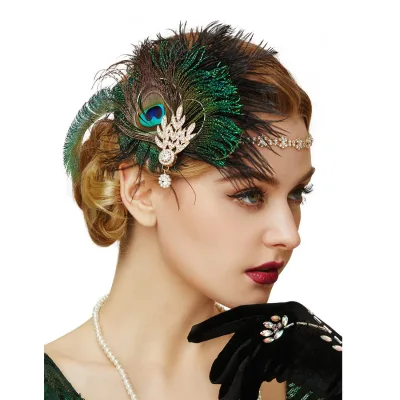
Source Peacock Feather Hairband for festivals, weddings, and parties
Explore 30 listings of Peacock Feather Hairband options featuring wood beads, leather, and elastic bands. Buyers can compare styles like bohemian and Indian, sizes ranging from 37cm to 72cm, and MOQs from 3 to 1200 pieces from Zhejiang manufacturers; compare the available evidence and request quotations based on your requirements.
Updated
Key considerations
Products List
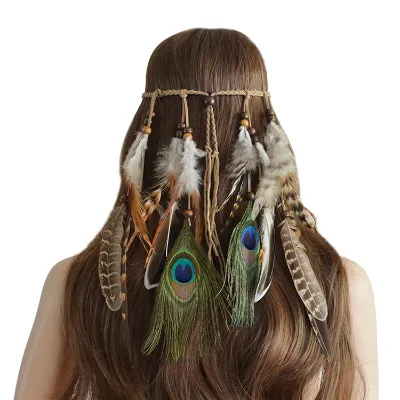
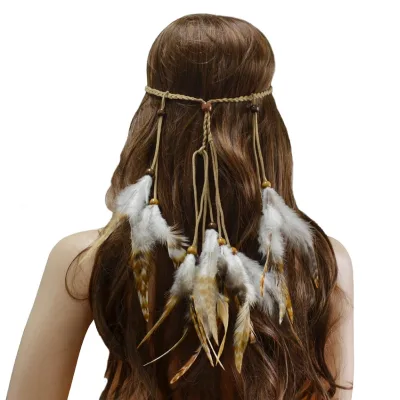
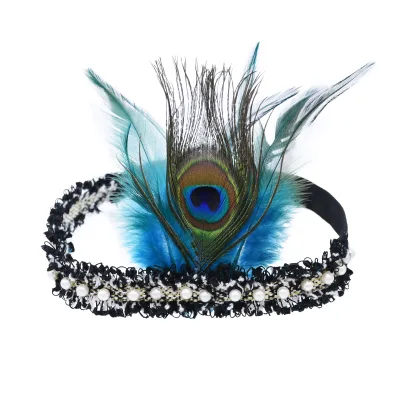
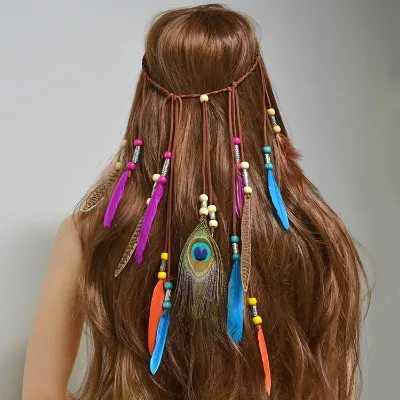
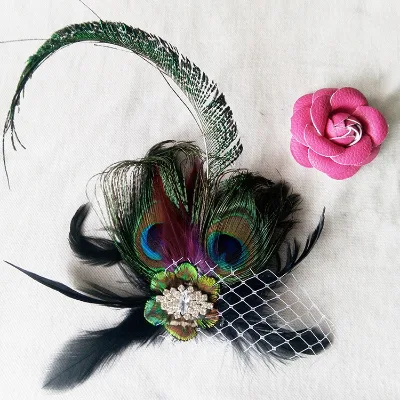
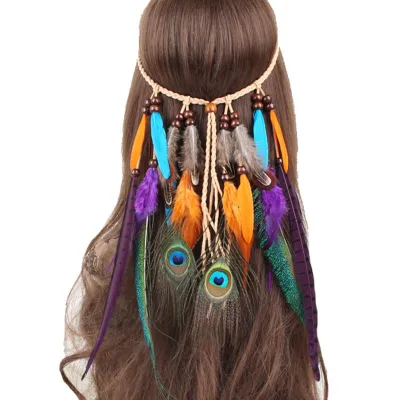
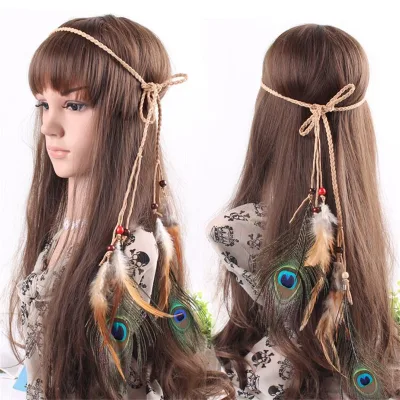


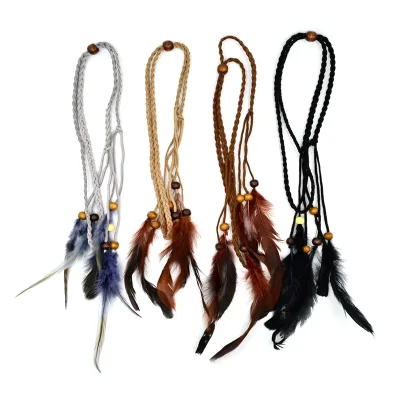
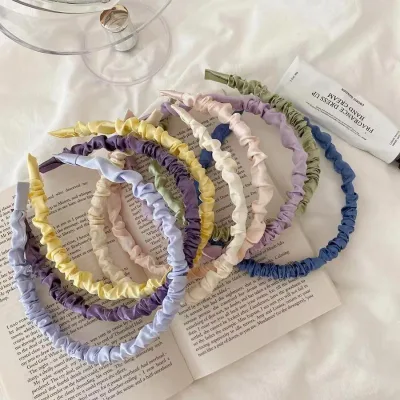
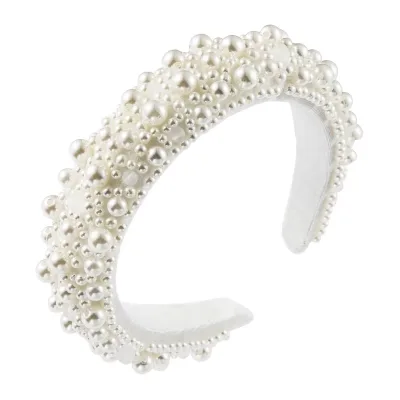

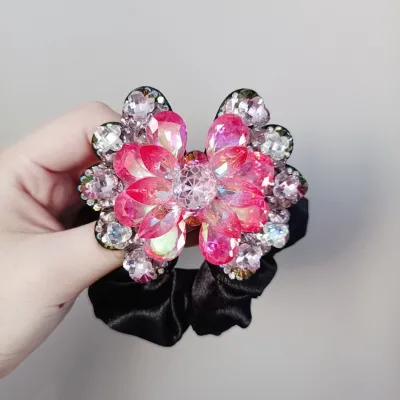
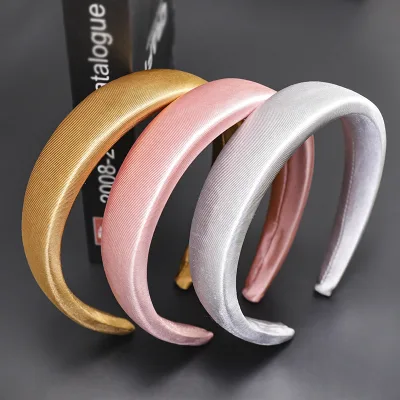
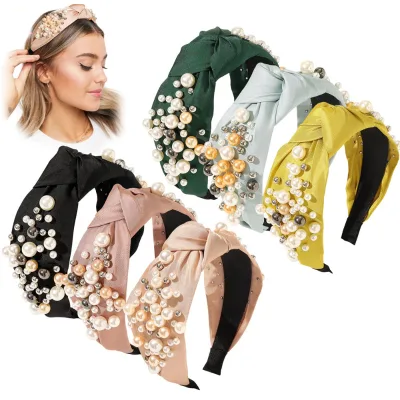
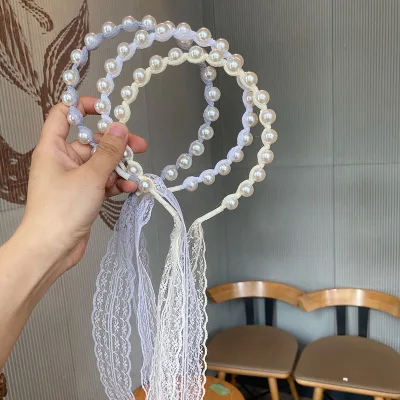
High Quality Pearl Headband Knot Hair Band Hair Accessories Hair Band for Woman Girls
$1.1272 - $1.2292
MOQ: 12 pieces
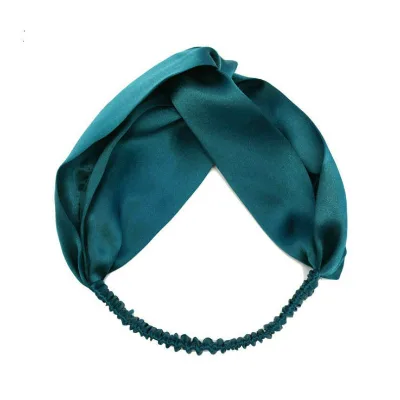

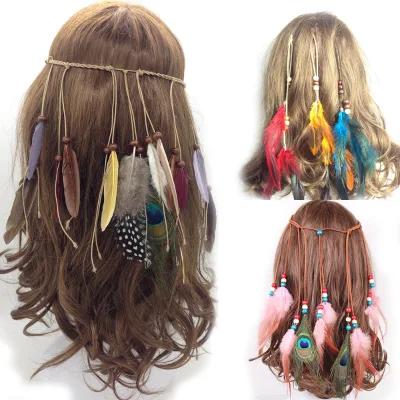


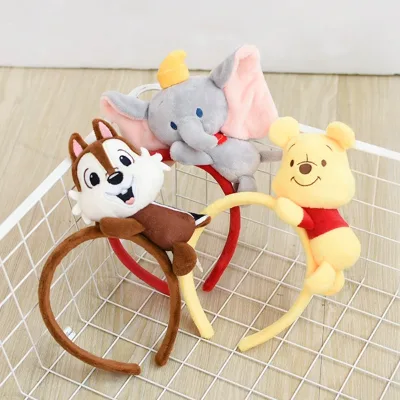
Comprehensive Sourcing Guide
Peacock Feather Hairband Sourcing Guide
Sourcing peacock feather hairbands requires a nuanced understanding of the intersection between natural materials and fashion accessories. These items are primarily designed for women and girls, offering a bohemian, ethnic, or European aesthetic that appeals to niche markets seeking unique, handmade, or artisanal headwear. The core appeal lies in the visual impact of the feathers, often combined with wood beads, leather, or alloy components to create a statement piece. Buyers must recognize that these are not mass-produced uniform items but rather products where slight variations in feather placement and coloration are inherent to the manufacturing process. This handmade nature demands a procurement strategy that prioritizes supplier communication and sample approval over rigid standardization.
The market for these accessories is diverse, ranging from simple elastic bands with single feathers to complex designs featuring peacock tails, wooden beads, and tassels. Common styles include bohemian, Indian, and European influences, each requiring different material combinations and construction techniques. For instance, a bohemian style might emphasize natural wood and leather, while a European style might incorporate more metallic alloys and intricate tassel work. Understanding these stylistic distinctions is crucial for buyers who need to align their inventory with specific customer demographics. The versatility of the product allows for customization in color, size, and decorative elements, making it essential for buyers to define their target audience clearly before engaging with suppliers.
Product Scope and Observed Listing Signals
Current market listings reveal a wide variety of Peacock Feather Hairband designs, with observed prices ranging from $0.20 to $7.61 USD. This significant price variance reflects differences in material quality, complexity of design, and the extent of handcrafting involved. Lower-priced items often feature simpler constructions, such as basic elastic bands with minimal feather attachments, while higher-priced options may include intricate wood beadwork, leather components, or multiple layers of feathers. Buyers should be aware that the lowest prices may not always correlate with the best quality, especially when natural materials like feathers are involved. It is important to request detailed product images and specifications to understand what is included in the price, such as packaging or custom branding options.
Minimum Order Quantities (MOQs) observed in the market range from 3 to 1,200 pieces, indicating flexibility for both small boutique orders and larger wholesale purchases. Some suppliers offer low MOQs of just 6 or 12 pieces, which is ideal for testing new designs or catering to small-scale retailers. However, larger orders may benefit from volume discounts and more consistent production scheduling. The observed product names often include descriptors like "Handmade Ethnic Gypsy," "Bohemian," or "Indian," which help in identifying the specific style and target market. Buyers should carefully review these descriptors to ensure they align with their brand identity and customer expectations, as misalignment can lead to poor sales performance.
Technical Specifications to Verify
When evaluating peacock feather hairbands, buyers must verify key technical specifications such as headband circumference, material composition, and overall dimensions. Observed sizes range from 45 cm to 72 cm, with some models featuring specific pendant lengths, such as 37 cm for tassel designs. It is crucial to confirm the exact circumference to ensure a comfortable fit for the target demographic, as head sizes can vary significantly. Additionally, the material composition should be clearly defined, with common combinations including wood, feather, leather, alloy, and elastic bands. Buyers should request detailed material specifications to ensure that the components meet their quality standards and durability requirements, especially for items that will be worn frequently.
Weight and packaging dimensions are also important technical factors to consider, particularly for logistics and shipping cost calculations. Observed weights for individual pieces range from 20 g to 23 g, with single package sizes varying from 5x5x10 cm to 20x18x2 cm depending on the design and packaging method. Some suppliers offer custom packing options, such as OPP bags or card packs, which can enhance product presentation and protect the feathers during transit. Buyers should verify the single gross weight and package dimensions to accurately estimate shipping costs and storage requirements. Furthermore, understanding the lead time, which can range from 3 to 15 days, is essential for planning inventory replenishment and meeting customer demand timelines.
Compliance and Safety Documentation
While specific certification statuses are not universally provided in the observed listings, buyers must proactively verify compliance with relevant safety standards for fashion accessories. This includes ensuring that materials such as wood, leather, and alloys do not contain harmful substances like lead or cadmium, which are regulated in many markets. For products intended for children, additional safety checks may be necessary to ensure that small parts, such as beads or tassels, are securely attached to prevent choking hazards. Buyers should request material safety data sheets (MSDS) or test reports from suppliers to confirm that the products meet international safety standards, such as those set by the Consumer Product Safety Commission (CPSC) in the United States or the European Union's General Product Safety Directive.
Documentation regarding the ethical sourcing of feathers is another critical compliance consideration. Buyers should inquire about the source of the peacock feathers to ensure they are obtained in a manner that complies with local wildlife protection laws and international trade regulations. Some suppliers may offer eco-friendly or sustainable sourcing claims, which can be a valuable selling point for environmentally conscious consumers. However, these claims should be verified through third-party certifications or detailed supplier disclosures. Additionally, buyers should ensure that the packaging materials used are also compliant with environmental regulations, particularly if they are marketing the product as eco-friendly. Clear documentation and transparency from suppliers are essential for maintaining brand integrity and avoiding legal issues.
Cost Drivers and Commercial Terms
The cost of peacock feather hairbands is influenced by several key drivers, including material costs, labor intensity, and customization requirements. Natural materials like feathers and wood can be subject to price fluctuations based on availability and seasonal factors. Handmade elements, such as intricate beadwork or feather arrangement, require significant labor, which can increase production costs. Buyers should understand how these factors impact the final price and negotiate terms that reflect the value of the craftsmanship. Additionally, customization options, such as custom packaging or specific design modifications, can add to the overall cost. It is important to clarify these costs upfront to avoid unexpected expenses during the procurement process.
Commercial terms, including payment methods, shipping arrangements, and return policies, should be clearly defined in the purchase agreement. Observed lead times of 3 to 15 days suggest that suppliers are capable of flexible production schedules, which can be advantageous for buyers with urgent orders. However, buyers should confirm the exact lead time for their specific order quantity and design complexity. Payment terms may vary, with some suppliers requiring a deposit before production begins. Buyers should also inquire about the supplier's policy on defective items and returns, as natural materials can sometimes result in higher defect rates. Establishing clear commercial terms helps to mitigate risks and ensures a smooth transaction process.
Supplier Qualification and Quality Control
Selecting the right supplier for peacock feather hairbands involves assessing their manufacturing capabilities, quality control processes, and reputation. Buyers should prioritize suppliers who are manufacturers rather than trading companies, as this can lead to better pricing and more direct communication. Observing the supplier's product range and design variety can provide insights into their creative capabilities and production flexibility. It is also important to verify the supplier's experience in exporting to your target market, as this can indicate their familiarity with international standards and logistics. Requesting references or case studies from previous clients can further validate the supplier's reliability and performance.
Quality control is paramount when sourcing handmade items, as consistency can be challenging to maintain. Buyers should implement a robust quality control process that includes pre-production sample approval, in-line inspections, and final random inspections. Given the natural variation in feathers, it is essential to establish clear acceptance criteria for color, size, and attachment security. Buyers should also consider hiring third-party inspection services to conduct independent quality checks before shipment. Additionally, maintaining open communication with the supplier regarding any quality issues can help to resolve problems quickly and prevent future occurrences. A strong partnership based on mutual trust and clear expectations is key to successful long-term procurement.
Long-Term Procurement Checks
Building a sustainable supply chain for peacock feather hairbands requires ongoing monitoring and relationship management. Buyers should regularly review supplier performance metrics, such as on-time delivery rates, product quality consistency, and responsiveness to issues. Establishing a periodic review process can help to identify areas for improvement and ensure that the supplier continues to meet your evolving needs. Additionally, staying informed about market trends and consumer preferences can help buyers to adjust their product offerings and maintain competitiveness. Engaging in continuous dialogue with suppliers about new designs, materials, and technologies can foster innovation and drive mutual growth.
Risk management is another critical aspect of long-term procurement. Buyers should diversify their supplier base to mitigate the risk of supply chain disruptions, such as raw material shortages or production delays. Developing contingency plans for potential issues, such as having backup suppliers or maintaining safety stock, can help to ensure business continuity. Furthermore, buyers should stay updated on changes in trade regulations and tariffs that may impact the cost and availability of peacock feather hairbands. By proactively addressing these risks and maintaining strong supplier relationships, buyers can secure a reliable and cost-effective supply of high-quality products for their customers.
FAQs
What materials are used in these peacock feather hairbands?
These hairbands are crafted from wood, feathers, and elastic bands. Some models also incorporate alloy components for added durability and style. The combination of natural wood beads and vibrant peacock feathers creates a bohemian aesthetic suitable for women and girls seeking ethnic or gypsy-inspired accessories.
What is the typical headband circumference for these products?
The headband circumference varies by model, with common sizes including 62cm, 48cm, and 37cm. Some designs feature a pendant length of approximately 37cm. These dimensions ensure a comfortable fit for various head sizes while maintaining the structural integrity of the feather and bead decorations.
Can I customize the packaging for bulk orders?
Yes, suppliers offer custom packing services including OPP bags or card packs according to your requirements. Sample making and mould making services are also available. This flexibility allows buyers to tailor the presentation of their peacock feather hairbands to match specific brand identities or retail needs effectively.
What is the minimum order quantity for these hairbands?
The minimum order quantity ranges from 3 to 1200 pieces depending on the specific model. For instance, some items have an MOQ of 6 pieces, while others require 12 pieces. This range accommodates both small trial orders and larger bulk purchases for diverse sourcing requirements.
Where are these peacock feather hairbands manufactured?
These products are manufactured in Zhejiang, China. The region is known for its robust manufacturing capabilities for fashion accessories. Buyers can expect consistent quality and competitive pricing from these Chinese suppliers, who specialize in producing ethnic and bohemian-style hair accessories for the global market.
What styles are available for these feather hairbands?
Available styles include bohemian, indian, and european aesthetics. Designs feature elements like peacock feathers, wood beads, and tassels. These varied styles cater to different fashion preferences, allowing buyers to select products that align with specific market trends or customer demographics seeking ethnic or western-inspired accessories.