Source Photocard Protector for Photo Display, Decoration, and Collector
Compare 30 Photocard Protector options from Dongguan suppliers featuring PP, PC, and PVC materials. Buyers can evaluate customization, waterproof features, and packaging styles for photo protection and display needs.
Key considerations
Products List


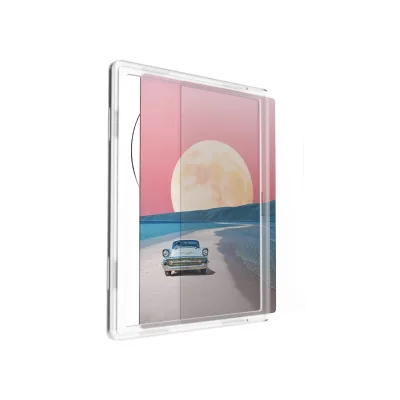


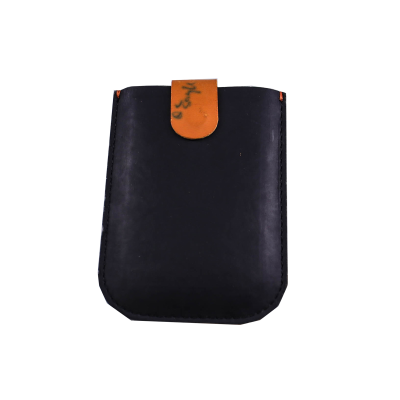


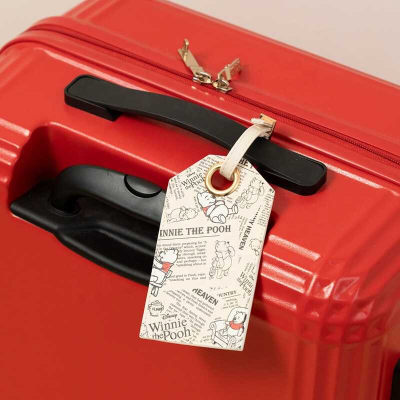

Comprehensive Sourcing Guide
Strategic Sourcing Guide for Photocard Protectors
Understanding Product Specifications and Material Composition
When sourcing photocard protectors, the primary objective is to identify products that balance durability with aesthetic clarity. The market offers a diverse range of specifications, and buyers must carefully distinguish between different material compositions to ensure the selected product meets their specific use cases. Based on current market observations, the core materials utilized in this category include Polypropylene (PP), Polycarbonate (PC), and Polyvinyl Chloride (PVC). Each material offers distinct properties regarding flexibility, hardness, and transparency.
The physical characteristics of these protectors vary significantly. Some products are described as having a "soft" hardness, which is often preferred for items that require frequent handling or bending without cracking. In contrast, other listings specify a "hard" card case design, suitable for rigid protection and long-term storage. Transparency is another critical attribute; high-quality protectors are typically transparent to allow the photocard design to remain fully visible. However, buyers should verify the actual clarity of the product, as some may have a slight tint or haze depending on the manufacturing process.
The molding method also plays a crucial role in the final product quality. Blow molding is a technique observed in the production of certain protective cases, which can influence the structural integrity and seam strength of the item. Furthermore, the size and thickness specifications are vital for compatibility. Standard dimensions observed in the market include 4x6 inches, 3x4 inches, 5x7 inches, 6x9 inches, 8x10 inches, and 11x17 inches. Thickness is equally important, with specific products noted to have a 35PT thickness, which provides a robust barrier against physical damage. For larger formats, dimensions such as 440x310mm are available. Buyers must ensure that the chosen size matches the exact dimensions of the photocard to avoid loose fits that could lead to slippage or damage.
Compliance, Certification, and Safety Standards
In the B2B procurement of plastic-based protective products, verifying compliance with international safety and environmental standards is non-negotiable. The Photocard Protector market includes products that carry specific certifications, which serve as indicators of the manufacturer's adherence to quality and safety protocols. Common certifications observed in this sector include CE, RoHS, Reach, and SGS. These certifications suggest that the materials used do not contain hazardous substances that could be harmful to users or the environment, particularly important for products that may be handled frequently or used in educational and display settings.
The CE marking indicates conformity with health, safety, and environmental protection standards for products sold within the European Economic Area. RoHS (Restriction of Hazardous Substances) ensures that the product does not exceed specific limits for lead, mercury, cadmium, and other restricted materials. Reach compliance further guarantees that the chemical substances used in the manufacturing process are registered and evaluated. SGS certification provides an additional layer of assurance regarding product quality and safety testing.
Buyers should not assume that all listed products automatically possess these certifications. It is essential to request specific documentation or test reports from the supplier to confirm the current status of these certifications. The presence of a "CE" mark alone does not guarantee compliance with all relevant directives; the scope of the certification must be verified against the specific product type. Additionally, the "New" condition of the product implies that it is free from defects, but this should be corroborated with quality control data. For products intended for export, verifying that the supplier can provide up-to-date certification documents is a critical step in the due diligence process.
Cost Drivers and Pricing Dynamics
The pricing of photocard protectors is influenced by a complex interplay of factors, including material costs, customization requirements, order volume, and packaging specifications. The observed price range in the market spans from $0.04 to $55 per unit, reflecting the vast difference between basic bulk items and specialized, custom-engineered solutions. Several key drivers contribute to this variance.
First, the choice of material significantly impacts the base cost. Polycarbonate (PC) and PVC often command different price points compared to Polypropylene (PP) due to differences in raw material costs and processing complexity. Second, customization is a major cost factor. Products that accept customer logos, custom sizes, or specific design modifications (OEM/ODM) generally incur higher unit costs than standard off-the-shelf items. The "Custom" attribute is widely available, but the extent of customization—whether it is limited to logo printing or extends to structural changes—will directly affect the final price.
Packaging also plays a role in cost determination. While some products are sold in neutral packages or simple OPP bags, others come in color boxes or more elaborate cartons. The "Manner of Packing" can vary from 25 pieces per pack to 20 packs per carton, and these variations affect both the unit price and the logistics costs. Furthermore, the Minimum Order Quantity (MOQ) is a critical economic factor. The observed MOQ range spans from 1 to 10,000 units. Lower MOQs allow for smaller trial orders but often result in a higher per-unit cost, whereas larger orders typically benefit from economies of scale.
Buyers must also consider the payment terms and shipping methods. Options such as TT, MoneyGram, Western Union, and Escrow are available, each carrying different financial implications. Shipping via DHL, UPS, FedEx, EMS, or sea/air freight will add to the total landed cost. Understanding these variables is essential for accurate budgeting and cost-benefit analysis.
Typical Applications and Functional Requirements
Photocard protectors serve a variety of functional roles, extending beyond simple storage. The primary applications identified in the market include protection, collection, and display. These products are designed to safeguard valuable items such as photographs, art prints, and trading cards from physical damage, dust, and moisture. The "Waterproof" attribute is a key feature for protectors intended for environments where humidity or accidental exposure to liquids is a concern.
The "Function" of these products often includes photo protection, art print preservation, and collector display. For collectors, the ability to display the item while keeping it secure is paramount. Some products are specifically designed as "Photo Top Loaders," offering a unique opening mechanism that facilitates easy insertion and removal of the card. Others function as "Crad Holders" or "Cable Protectors," indicating a versatility that extends to holding or protecting various small items.
The "Design" aspect is also a significant consideration. Products labeled with "Newest" or "Popular" styles suggest that the market is responsive to current trends in aesthetics and functionality. The "Style" of the protector, whether it is a hard card case or a soft sleeve, should align with the intended use. For instance, a "Replacement" application might require a specific fit or durability level, while a "Decoration" use might prioritize visual appeal and transparency.
Supplier Evaluation and Operational Capabilities
Selecting the right supplier is as critical as selecting the product itself. When evaluating potential partners, buyers should focus on the supplier's location, production capabilities, and flexibility. The observed "Place of Origin" for many products is Dongguan or Guangdong, China, regions known for their robust manufacturing infrastructure. However, buyers should verify the specific factory location to ensure it aligns with their logistical preferences.
The supplier's ability to handle customization is a key differentiator. Many suppliers accept OEM (Original Equipment Manufacturer) and ODM (Original Design Manufacturer) orders, allowing buyers to tailor products to their brand requirements. The "Logo" attribute confirms that customer logos can be accepted, but the extent of this service—such as the number of colors or the complexity of the design—should be clarified. Additionally, the "Customization" and "Custom" attributes indicate that size and design modifications are possible, but buyers must confirm the feasibility and lead time for these custom requests.
Production capacity and lead times are also vital. While specific lead times are not provided in the general data, the ability to handle large orders (up to 10,000 units) suggests that capable suppliers exist. Buyers should inquire about the supplier's production schedule to ensure they can meet delivery deadlines. The "Sales Unit" being "Factory Direct Sales" implies a potential for better pricing and direct communication, but buyers should still verify the supplier's reputation and reliability through references or third-party audits.
Quality Control and Long-Term Procurement Strategy
Ensuring consistent quality is essential for maintaining customer satisfaction and brand reputation. The "Quality" attribute is often listed as "High-Quality," but this is a subjective claim that requires objective verification. Buyers should implement a robust quality control (QC) process that includes pre-production samples, in-line inspections, and final random checks. The "Precision" of the product, noted as "Normal Precision" in some contexts, suggests that buyers should define their own tolerance levels for dimensions and fit.
For long-term procurement, establishing a strategic partnership with a reliable supplier is crucial. This involves negotiating favorable terms for payment, shipping, and volume discounts. The availability of multiple shipping methods (DHL, UPS, FedEx, etc.) and payment methods (TT, MoneyGram, Western Union, Escrow) provides flexibility, but buyers should standardize these processes to streamline operations.
Regular audits of the supplier's manufacturing process can help identify potential issues before they become critical. Verifying the "Condition" of the product as "New" and ensuring that the "Manner of Packing" remains consistent is also important. Finally, buyers should monitor market trends and technological advancements to ensure their product offerings remain competitive. By focusing on these strategic elements, buyers can build a resilient supply chain that delivers high-quality photocard protectors consistently.
Comparison of Key Product Attributes
To facilitate decision-making, the following table summarizes the key attributes observed in the market for photocard protectors. This comparison highlights the diversity in materials, sizes, and features available to buyers.
| Attribute Category | Observed Options | Notes for Verification |
|---|---|---|
| Material | PP, PC, PVC | Verify material safety and durability claims. |
| Hardness | Soft, Hard | Select based on intended use (flexibility vs. rigidity). |
| Transparency | Transparent | Check for clarity and potential haze. |
| Size Standards | 3x4, 4x6, 5x7, 6x9, 8x10, 11x17, 440x310mm | Ensure exact fit for specific card sizes. |
| Thickness | 35PT (specific), Custom | Verify thickness for durability needs. |
| Certification | CE, RoHS, Reach, SGS | Request valid test reports for compliance. |
| Customization | Logo, Size, Design, OEM/ODM | Confirm feasibility and additional costs. |
| Packaging | Neutral, Color Box, OPP Bag, 25pcs/bag | Assess packaging quality and logistics impact. |
| Origin | Dongguan, Guangdong, China | Verify factory location and production capacity. |
| Function | Protect, Collect, Display, Photo | Align function with end-user requirements. |
This table serves as a reference for buyers to compare potential products against their specific procurement needs. By systematically evaluating these attributes, buyers can make informed decisions that balance cost, quality, and functionality.
FAQs
What materials are used for photocard protectors?
Common materials include Polypropylene, Polycarbonate, and PVC. These options offer varying levels of hardness and transparency, allowing buyers to select based on whether they need a soft sleeve or a rigid hard case for specific protection needs.
Which certifications are available for these protectors?
Products often carry CE, RoHS, Reach, and SGS certifications. These marks indicate compliance with safety and environmental standards, ensuring the materials are free from hazardous substances suitable for international markets and frequent handling.
Can I request custom sizes for photocard protectors?
Yes, custom sizes are available for various formats like 4x6 inches or 440x310mm. Buyers can specify dimensions to ensure a precise fit, though lead times may vary depending on the complexity of the custom mold required.
How does the MOQ affect pricing for orders?
Minimum Order Quantities range from 1 to 10,000 units. Lower MOQs allow for trial orders but often result in higher per-unit costs, while larger volumes typically benefit from economies of scale and factory direct pricing.
What shipping methods are supported for delivery?
Support includes DHL, UPS, FedEx, EMS, and air or sea freight. The choice of shipping method depends on urgency and budget, with options available to transport goods from origins like Dongguan to global destinations efficiently.
Are OEM and ODM services accepted for branding?
Suppliers accept OEM and ODM orders including customer logos and custom designs. This allows businesses to brand the products with their own identity, though specific design requirements and production timelines must be confirmed before ordering.