Source Photochromic Sports Eyewear for cycling skiing and snowboarding
Find 30 listings of Photochromic Sports Eyewear suitable for cycling, skiing, and snowboarding. Buyers can compare frame shapes, lens materials, and customization options to select the right gear for outdoor activities.
Key considerations
Products List


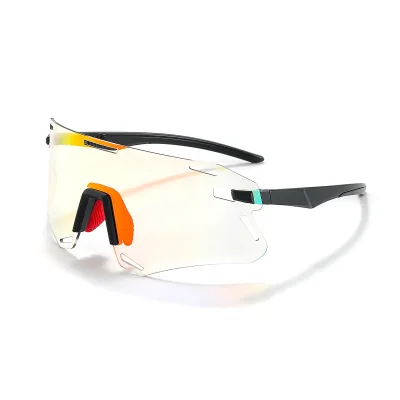


Fashion Style Chromatic Lens Myopia Sports Sunglasses Man Cycling Eyewear
$2.75 - $2.95
MOQ: 200 Pieces


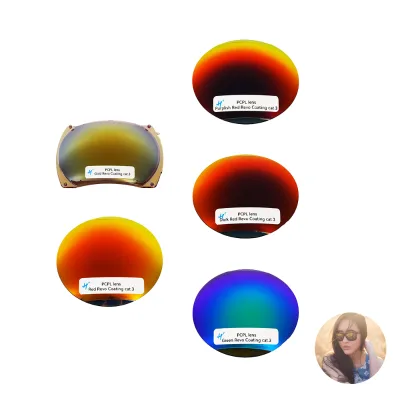


Wholesale Photochromic Eyewear for Men and Women Colorful Metal Frame Glasses
$5.80 - $6.15
MOQ: 10 Pieces

Comprehensive Sourcing Guide
Strategic Sourcing Guide for Photochromic Sports Eyewear
The global market for Photochromic Sports Eyewear has expanded significantly as athletes and outdoor enthusiasts demand adaptive vision solutions that transition seamlessly between varying light conditions. For B2B procurement professionals, sourcing this category requires a nuanced understanding of material science, regulatory compliance, and supply chain dynamics. Unlike static sunglasses, photochromic lenses introduce complex manufacturing variables that directly impact performance, durability, and cost. This guide provides a structured approach to evaluating suppliers, verifying technical specifications, and mitigating procurement risks associated with adaptive eyewear.
Technical Specifications and Material Science
The foundation of high-performance sports eyewear lies in the selection of lens and frame materials. When evaluating potential suppliers, buyers must scrutinize the specific composition of the lenses, as this dictates the speed of photochromic transition and resistance to environmental stress. The supplied data indicates that Polycarbonate (PC) is a prevalent material for frames and lenses in this sector. PC offers a superior strength-to-weight ratio, making it ideal for high-impact sports where safety is paramount. However, the optical attributes vary significantly between product lines. Some listings specify TAC (Tri-Acetate Cellulose) for lenses, which provides excellent optical clarity but may differ in impact resistance compared to PC.
Buyers should verify the specific lens type and coating processes. The observed data highlights "PC Mirror" as a specific lens type, suggesting a reflective coating that reduces glare, a critical feature for snow and water sports. Furthermore, the presence of "UVStyle:Sports Sunglasses" and "UVStyle:Fashion Sunglasses" in the product attributes indicates that manufacturers often produce variants tailored to specific usage scenarios. A critical technical parameter to verify is the UV protection capability. While the data confirms "Ultraviolet" and "UV Protection" coatings are available, the specific wavelength range (e.g., UV400) must be confirmed with the supplier to ensure full compliance with safety standards.
The frame construction also plays a vital role in the overall performance. Attributes such as "Ellipse" and "Elipse" frame shapes suggest a focus on aerodynamic fit and field of view. The "Rimless" frame type observed in some listings offers a lightweight profile but may require different mounting techniques compared to full-rim designs. Additionally, the "Nose Bridge" dimension of 14 mm and "Lens Width" of 70 mm provide specific sizing benchmarks that buyers should use to ensure the eyewear fits the target demographic, which is listed as "Adults" and "Unisex."
Compliance and Certification Verification
Navigating the regulatory landscape is essential for importing sports eyewear into international markets. The supplied product facts reveal a mix of certifications and standards that buyers must validate. The "CE" mark is explicitly mentioned as a certification attribute, indicating conformity with health, safety, and environmental protection standards for products sold within the European Economic Area. Buyers should request the specific CE test reports to ensure the eyewear meets the relevant EN standards for optical instruments.
Quality management systems are another critical area of verification. The data references both "ISO 9001: 2008" and "ISO 9001: 2015" as Quality Management Approvals. This discrepancy highlights the importance of confirming the current version of the certification with the supplier. A supplier operating under the 2008 standard may be in the process of transitioning, or they may have multiple production lines with different compliance levels. Procurement teams must ensure that the specific batch of goods being ordered is manufactured under the most current and relevant quality management protocols.
Furthermore, the "FDA" standard is listed in the product specifications. While the FDA primarily regulates medical devices and food in the United States, its mention in the context of eyewear often relates to the biocompatibility of materials or specific optical safety claims. Buyers should clarify the exact scope of this FDA compliance, as it does not automatically equate to general product safety certification for all markets. The "OEM&ODM" standard attribute suggests that suppliers are capable of custom manufacturing, but this also necessitates rigorous due diligence to ensure that custom designs do not compromise the underlying safety certifications.
Cost Drivers and Pricing Dynamics
The pricing structure for Photochromic Sports Eyewear is influenced by several variable factors, including material costs, customization levels, and order volume. The observed price range in the market data spans from $0.46 to $19.99 USD. This wide disparity indicates a highly segmented market where basic models differ significantly from high-performance, branded, or heavily customized units. The lower end of the price spectrum likely corresponds to simpler designs with standard TAC lenses and minimal packaging, while the upper end reflects advanced PC mirror coatings, premium frame shapes, and comprehensive certification packages.
Order volume is a primary driver of unit cost. The Minimum Order Quantity (MOQ) range observed is between 1 and 576 units. Suppliers offering an MOQ of 1 are typically catering to sample procurement or small-batch testing, often at a premium per-unit cost. Conversely, orders approaching the higher end of the MOQ range benefit from economies of scale, reducing the per-unit price. Buyers must balance the need for inventory flexibility with the cost benefits of bulk purchasing.
Customization is another significant cost factor. The data confirms that "Customization" and "OEM & ODM" are available attributes. Customizing frame colors, lens tints, or adding specific branding logos will invariably increase the unit price and potentially extend the lead time. The "Pet Folding Box" and "1PC/OPP Bag" packaging options suggest that packaging choices also impact the final cost. Buyers should request detailed cost breakdowns that separate the base product cost from customization fees and packaging expenses to accurately forecast total landed costs.
Typical Applications and Usage Scenarios
Understanding the intended application of the eyewear is crucial for matching the right product to the right market segment. The supplied data identifies a diverse range of usage scenarios, including "Ski," "Snowboard," "Cycling," and general "Leisure" activities. The "Application: Snowfield" attribute specifically points to winter sports, where high-contrast vision and UV protection are non-negotiable. For these applications, the "PC Mirror" lens type is particularly relevant as it mitigates the intense glare reflected off snow surfaces.
The "Sport Type: Cycling" attribute highlights another key market segment. Cyclists require eyewear that is aerodynamic, lightweight, and secure during high-speed movement. The "Rimless" frame type and "Other" strap options observed in the data suggest designs intended to stay in place without slipping, a common requirement for active sports. Additionally, the "Ice Skates" attribute indicates versatility, suggesting that some models are marketed for multiple winter activities.
The "Age Group: Adults" and "Suitable for: Unisex" attributes confirm that the primary target demographic is the general adult population, rather than specialized pediatric or gender-specific lines. This broadens the potential market reach but also requires buyers to ensure that sizing, such as the 70 mm lens width and 14 mm nose bridge, accommodates a wide range of face shapes. The "Outdoor Sport Glasses" specification reinforces the need for durability and protection against environmental elements like wind, dust, and UV radiation.
Supplier Evaluation and Manufacturing Capabilities
When evaluating potential suppliers, buyers should look beyond the basic product listings and assess the depth of the manufacturer's capabilities. The presence of "OEM & ODM: Customization" indicates that the supplier has the infrastructure to handle bespoke orders. However, buyers must verify the extent of this capability. Can the supplier handle complex photochromic lens treatments, or are they simply assembling pre-made lenses into frames? The "Place of Origin: Jiangsu, China" and "prod_origin: China" attributes confirm the manufacturing location, which is a major hub for eyewear production.
The "Condition: New" attribute is a basic expectation, but buyers should also inquire about the production process and quality control measures. The "Coating: UV Protection" process mentioned in the data suggests that the supplier has specific coating lines. It is advisable to request a factory audit or a detailed video tour to verify the cleanliness and technology of these coating facilities. Additionally, the "Product Packing" options, ranging from "Pet Folding Box" to "Carton," indicate the supplier's ability to handle different logistics requirements. Buyers should ensure that the packaging is robust enough to protect the eyewear during international shipping, especially for rimless or delicate models.
The "prod_model" numbers, such as SNOW-2805, SNOW-3900, and 838, serve as unique identifiers for product lines. Buyers should use these model numbers to track specific production runs and ensure consistency in quality. The variation in model numbers suggests a large catalog, which implies that the supplier has a broad range of capabilities. However, buyers should focus on suppliers who demonstrate deep expertise in the specific photochromic technologies relevant to their needs, rather than those who offer a generic, one-size-fits-all approach.
Quality Control and Long-Term Procurement Considerations
Implementing a robust quality control (QC) strategy is essential for maintaining brand reputation and ensuring customer satisfaction. The "Item Weight: 24 Grams" specification provides a baseline for weight consistency, which is a key indicator of manufacturing precision. Buyers should establish a QC protocol that includes random sampling of incoming goods to verify weight, lens clarity, and frame integrity. The "Lens Width" and "Nose Bridge" dimensions should be measured against the specified tolerances to ensure a proper fit.
Long-term procurement considerations involve building a sustainable relationship with suppliers who can adapt to changing market demands. The "Customized: Non-Customized" and "Customized: Customized" attributes suggest that suppliers may offer both standard and bespoke options. Buyers should negotiate contracts that allow for flexibility in order quantities and customization levels as the market evolves. The "Standard: 201010cm, 0.03kg" packaging specification highlights the importance of logistics efficiency. Buyers should work with suppliers to optimize packaging dimensions to reduce shipping costs and environmental impact.
Finally, buyers must remain vigilant regarding the "Low-confidence background" standards, such as ISO 12312. While this standard is relevant to the industry, the provided data does not confirm its universal application across all listed products. Buyers should explicitly request confirmation of ISO 12312 compliance for any specific product line, as this standard covers the requirements for personal eye protection. By maintaining a disciplined approach to verification and documentation, procurement professionals can mitigate risks and secure a reliable supply of high-quality Photochromic Sports Eyewear.
FAQs
What certifications are available for Photochromic Sports Eyewear?
Products often carry CE certification and ISO 9001 quality management approvals. Some listings also reference FDA standards, though specific compliance scope varies by batch. Buyers should verify the exact certification version and test reports before procurement.
Which lens materials are commonly used in these sports glasses?
Polycarbonate and TAC are the primary materials observed for lenses and frames. Polycarbonate offers high impact resistance, while TAC provides excellent optical clarity. The choice depends on the specific sport and required durability for the application.
Can buyers customize the frame shape and lens type?
Yes, customization is available for frame shapes like ellipse and lens types such as PC mirror. Suppliers offer OEM and ODM services, allowing for tailored colors and branding. Custom orders may affect unit pricing and lead times significantly.
What is the typical price range for these eyewear products?
The observed price range spans from 0.46 to 19.99 USD per unit. Costs vary based on material quality, customization levels, and order volume. Bulk orders often benefit from lower per-unit pricing due to economies of scale.
Which sports applications are these glasses suitable for?
These glasses are designed for skiing, snowboarding, cycling, and general leisure use. Specific models feature UV protection and mirror coatings for snowfield applications. The unisex design accommodates adults engaging in various outdoor activities.
What are the standard packaging options for these products?
Packaging options include Pet folding boxes, OPP bags, and cartons depending on the order size. Specific dimensions and weights are provided for logistics planning. Buyers should confirm packaging requirements to ensure product protection during shipping.