Source Pickup Pedal Running Boards for Trucks SUVs and Off-Road
Explore 30 listings for Pickup Pedal Running Boards designed for Ford, Toyota, and Honda vehicles. Buyers can compare materials like stainless steel and aluminum alloy, installation methods, and customization options to find suitable accessories for trucks and SUVs.
Key considerations
Products List


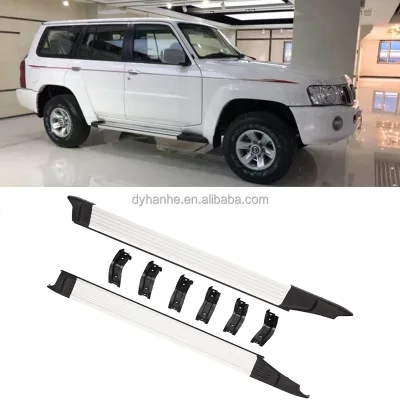
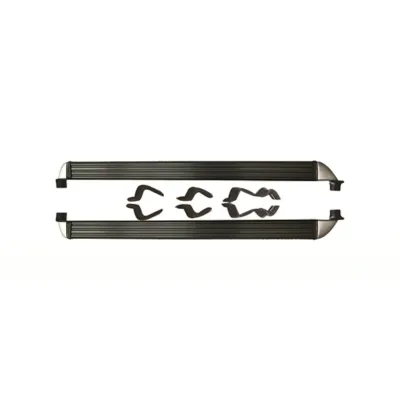

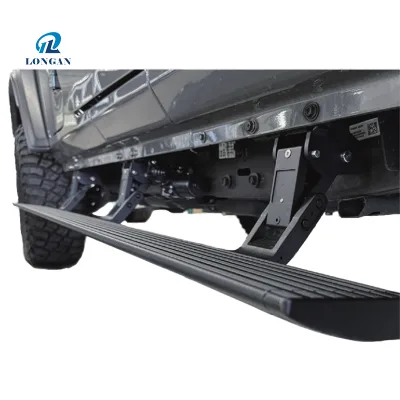
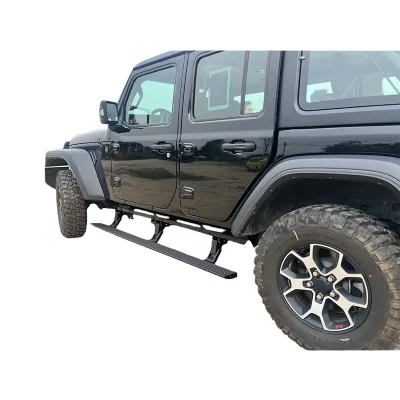
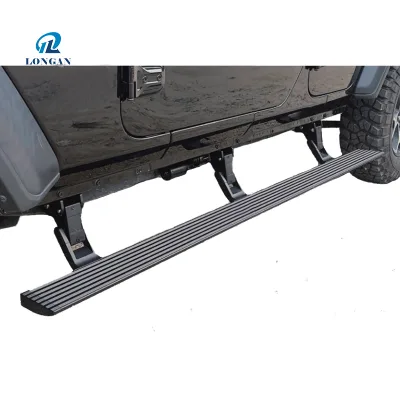
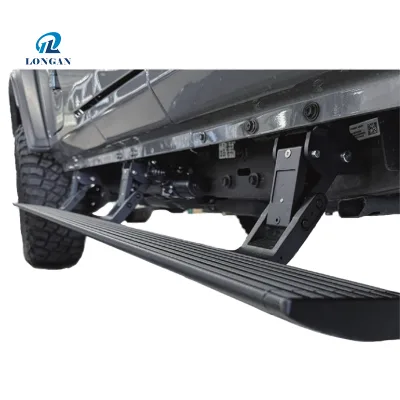
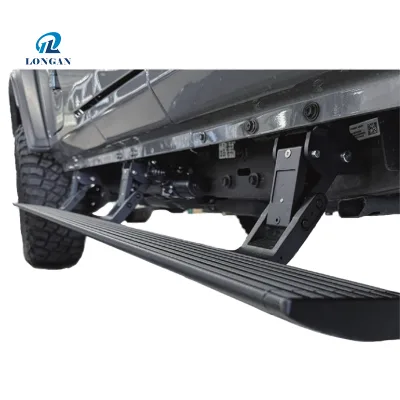
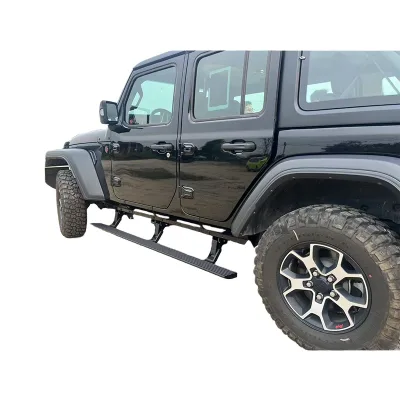


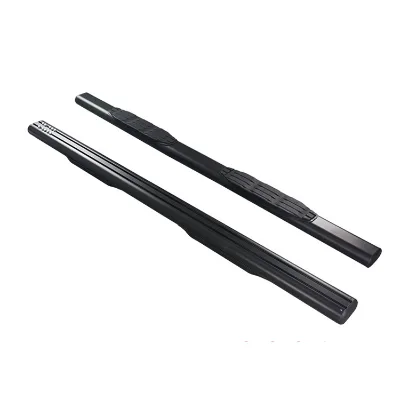
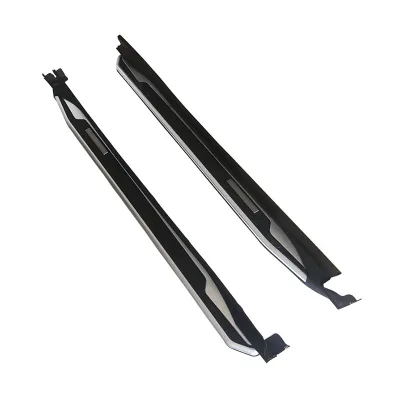
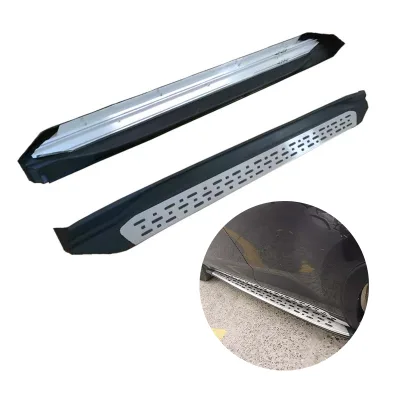


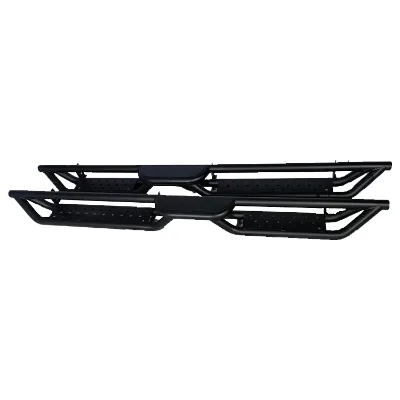
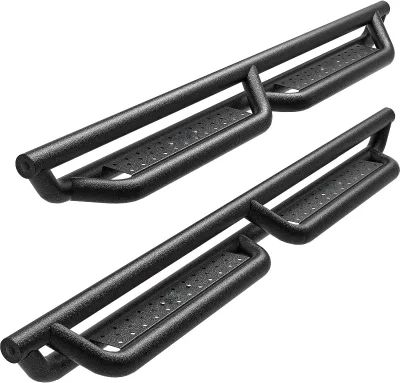
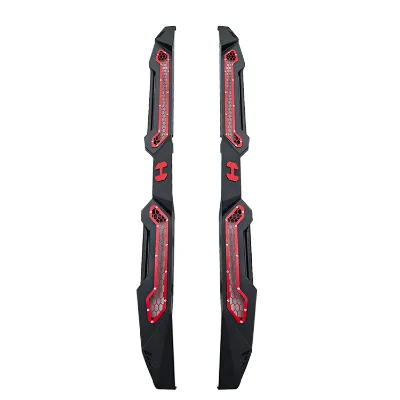
China Wholesale Pickup Car Truck Side Step Running Boards for HILUX REVO
$115.17 - $125.46
MOQ: 10 sets
Comprehensive Sourcing Guide
Strategic Sourcing Guide for Pickup Pedal Running Boards
The global automotive aftermarket for pickup trucks continues to expand, driven by consumer demand for enhanced vehicle utility, aesthetic customization, and improved accessibility. Among the most requested modifications are pedal running boards, often categorized as side bars or running boards. These components serve a dual purpose: they act as a functional footrest for easier entry and exit from high-riding vehicles and provide a protective barrier for the vehicle's lower body panels. For B2B procurement professionals, sourcing these components requires a disciplined approach that balances technical specifications, supply chain reliability, and quality assurance. This guide outlines the critical factors for evaluating suppliers and products in this specific category, grounded in observed market data and technical realities.
Technical Specifications and Material Composition
The foundation of any successful procurement strategy for Pickup Pedal Running Boards lies in a rigorous understanding of material composition and structural design. The market currently presents a dichotomy in materials, primarily between stainless steel and aluminum alloy. Stainless steel variants are frequently observed in products designed for high durability and a specific aesthetic finish, often associated with models like HXC-SS-10014. These units are typically engineered for brands such as Ford and Nissan, suggesting a tailored fitment strategy for specific chassis geometries.
Conversely, aluminum alloy options, such as those referenced in models E12 and E16, offer a distinct advantage in weight reduction. A specific aluminum unit observed in the market weighs approximately 10kg, a critical metric for buyers concerned with fuel efficiency and vehicle load dynamics. The finish on these aluminum products is often specified as "Aluminum" or "Powder Coating/Polishing," which directly impacts corrosion resistance and long-term visual appeal. Steel-finished options, identified by specific model codes like E43-A, provide a different structural profile, often relying on powder coating for protection against the elements.
Installation methodology is another paramount technical specification. The prevailing standard for modern running boards is "Clip on" or "No-drilling Installation." This approach minimizes the risk of compromising the vehicle's structural integrity or voiding warranties. Buyers must verify that the mounting hardware provided is compatible with the specific vehicle's frame rails. The product position is typically listed as a "Full Set," ensuring that both sides of the vehicle are covered uniformly. Furthermore, the functional classification varies; some units are marketed strictly as "Footrest" solutions, while others carry the broader function of "Protect The Truck," implying a more robust structural design intended to shield the rocker panels from road debris and minor impacts.
Fitment Precision and Brand Compatibility
One of the most significant challenges in sourcing automotive accessories is ensuring precise fitment. The data indicates that "Car Fitment" is often determined by "Model Year," requiring buyers to maintain up-to-date databases of vehicle specifications. The observed product attributes highlight a strong alignment with major manufacturers. Stainless steel models are explicitly noted as suitable for Ford and Nissan, while aluminum variants are tailored for Toyota. Additionally, there are universal options described as "Universal for Pickup/SUV," which offer a broader market reach but may require more complex installation adjustments or offer less aesthetic integration than model-specific units.
The "Style" attribute further refines the product offering. The market distinguishes between "Sports" style running boards, which often feature aggressive, tubular designs, and "Model" style, which may mimic the factory aesthetic of the vehicle. For procurement teams targeting specific fleet segments or regional markets, understanding these stylistic nuances is essential. The "OEM" (Original Equipment Manufacturer) and "ODM" (Original Design Manufacturer) capabilities of suppliers are critical here. Suppliers offering "OEM/ODM One Stop Service" can customize the product to match specific branding or design requirements, including logo acceptance and custom packaging. This flexibility allows buyers to create private-label products that align with their own brand identity without the need for in-house design teams.
Cost Drivers and Pricing Dynamics
Understanding the cost structure of Pickup Pedal Running Boards is vital for maintaining healthy profit margins. The observed price range in the market spans from approximately $30.47 to $448 USD. This wide variance is not arbitrary but is driven by several key factors. The primary cost driver is the material; stainless steel units generally command a higher price point due to the raw material costs and the labor-intensive finishing processes required to achieve a mirror or polished look. Aluminum alloy units, while lighter, may vary in price based on the thickness of the alloy and the complexity of the extrusion process.
Packaging and logistics also play a significant role in the final landed cost. The standard packaging observed includes "Bubble Bags and EPE" (Expanded Polyethylene) inside "Carton Packing." This multi-layered protection is necessary to prevent scratches and dents during transit, particularly for polished aluminum or stainless steel surfaces. The volume of the packaging, noted as 0.10 Cbm for specific units, directly impacts shipping efficiency. Buyers must calculate the cost per cubic meter to optimize container utilization. Furthermore, the "Mini Order" (MOQ) requirements, which range from 1 to 100 units, influence the unit price. Higher volume orders typically unlock lower per-unit costs, but the minimum threshold must be met to access these rates.
Supplier Evaluation and Operational Capabilities
When evaluating potential suppliers, procurement professionals must look beyond the product catalog to the operational capabilities of the manufacturer. The origin of these products is predominantly Guangdong, China, a region known for its robust manufacturing ecosystem. However, the specific location "China" is also noted in some listings, necessitating a deeper due diligence process to confirm the actual factory location and its proximity to major shipping ports.
Lead time is a critical operational metric. The observed lead time for production is listed as 30-35 working days. This timeframe includes manufacturing, quality control, and packaging. Buyers must factor this into their inventory planning to avoid stockouts, especially during peak seasons. Payment terms are another area of evaluation; "T/T" (Telegraphic Transfer) is the standard method observed, requiring clear agreements on deposit percentages and balance payment triggers.
The "After Sale" support offered by suppliers is equally important. A standard offering of "12 Months" or "One Year" warranty indicates a baseline commitment to product quality. Suppliers who offer "Professional Test" results for their quality control processes provide an additional layer of assurance. Buyers should request evidence of these tests, such as load-bearing capacity data or corrosion resistance reports, to verify the "High Quality" claims often made in product descriptions. The availability of "Custom Service" and "Logo" acceptance further distinguishes suppliers capable of supporting complex B2B relationships.
Quality Control and Compliance Verification
Quality control in the automotive accessory sector is non-negotiable. While the market lists attributes like "High Quality" and "Professional Test," these are observations rather than guaranteed certifications. Buyers must establish a rigorous inspection protocol. The "Finish" of the product, whether "Aluminum," "Steel," or "Powder Coating/Polishing," must be inspected for uniformity, adhesion, and absence of defects. Powder coating, in particular, requires verification of thickness and curing temperature to ensure it withstands road salt and UV exposure.
Compliance and certification checks are often the most overlooked aspect of sourcing. The provided data mentions a "prod_standard" of "carton" or specific dimensions like "2202520cm," but these refer to packaging standards rather than product safety certifications. Buyers should verify if the products meet international safety standards relevant to automotive accessories, such as ISO standards for material safety or specific regional regulations regarding vehicle modifications. The "Quality" attribute of "Professional Test" suggests that the supplier conducts internal checks, but third-party verification is recommended for high-volume orders.
Long-Term Procurement and Supply Chain Resilience
Long-term success in sourcing Pickup Pedal Running Boards depends on building a resilient supply chain. The "Shipping" method observed is "by Sea," which is cost-effective for large volumes but introduces longer transit times and potential exposure to weather-related delays. Buyers should develop contingency plans for logistics disruptions, such as diversifying shipping routes or maintaining safety stock.
The "Customization" availability is a strategic asset for long-term growth. Suppliers that offer ODM services can adapt to changing market trends, such as the shift toward more aerodynamic designs or the integration of LED lighting. The ability to accept custom logos allows buyers to build brand loyalty and differentiate their offerings in a crowded market.
Finally, the "Sale" type of "Factory Sale" implies a direct relationship with the manufacturer, which can reduce costs and improve communication. However, buyers must ensure that the factory has the capacity to scale production as demand grows. Monitoring the "Lead Time" and "MOQ" trends over time can provide early warning signs of supply chain constraints. By maintaining a proactive relationship with suppliers and continuously monitoring market data, procurement teams can ensure a steady supply of high-quality Pickup Pedal Running Boards that meet the evolving needs of their customers.
Summary of Key Product Attributes
| Attribute Category | Observed Specifications | Strategic Implication |
|---|---|---|
| Material | Stainless Steel, Aluminum Alloy | Steel offers durability; Aluminum offers weight savings. |
| Fitment | Ford, Nissan, Toyota, Universal | Requires precise database management for model years. |
| Installation | Clip on, No-drilling | Critical for preserving vehicle warranty and ease of use. |
| Packaging | Bubble Bags, EPE, Carton | Protects finish; impacts shipping volume (0.10 Cbm). |
| Lead Time | 30-35 Working Days | Must be factored into inventory planning. |
| Warranty | 12 Months / One Year | Standard baseline for quality assurance. |
| Customization | OEM/ODM, Logo Acceptance | Enables private labeling and brand differentiation. |
In conclusion, sourcing Pickup Pedal Running Boards requires a multifaceted approach that integrates technical knowledge with strategic supply chain management. By focusing on material properties, fitment precision, and supplier capabilities, buyers can secure products that deliver value and reliability. The observed market data provides a solid foundation for decision-making, but continuous verification of quality and compliance remains essential for long-term success.
FAQs
What materials are used for Pickup Pedal Running Boards?
These products are primarily made from stainless steel or aluminum alloy. Stainless steel offers high durability, while aluminum alloy provides weight reduction, with specific units weighing around 10kg.
Which car brands are compatible with these running boards?
Compatible brands include Ford, Nissan, and Toyota, with some universal options for pickup trucks and SUVs. Fitment is often determined by the specific model year of the vehicle.
How are these running boards installed on the vehicle?
Installation is typically clip-on or no-drilling to preserve vehicle integrity. This method ensures a secure fit without compromising the structural frame or voiding existing warranties.
Can suppliers offer customization and logo services?
Yes, suppliers provide OEM and ODM one-stop services including logo acceptance. Customization is available for branding, packaging, and specific design requirements to meet private label needs.
What is the typical lead time for production?
The standard lead time is 30 to 35 working days. This duration covers manufacturing, quality control, and packaging before the goods are ready for shipment.
What is the minimum order quantity for these products?
The minimum order quantity ranges from 1 to 100 units depending on the supplier. Specific listings indicate a minimum order of 30 units for certain configurations.
How are the products packaged for shipping?
Products are packed in bubble bags and EPE inside carton boxes. This multi-layer protection prevents scratches during transit, with a standard volume of 0.10 cubic meters.
What warranty is provided for these running boards?
Suppliers typically offer a one-year or 12-month after-sales warranty. This coverage ensures quality assurance and provides support for any manufacturing defects or issues.