Source Pickleball Paddle for Training, Racing, and Entertainment
Compare 30 available Pickleball Paddle options featuring carbon fiber and wood materials with customized logos. Buyers can evaluate specifications like weight, size, and origin from Chinese manufacturers for training, racing, or entertainment use.
Key considerations
Products List






Comprehensive Sourcing Guide
Strategic Sourcing Guide for Pickleball Paddles in the B2B Market
The global demand for pickleball equipment has surged, creating a robust B2B procurement landscape for manufacturers and distributors. For buyers entering this sector, understanding the nuanced differences between product categories is essential. The market currently presents a diverse array of options, ranging from high-performance carbon fiber paddles to entry-level wooden bundles and specialized mini paddles. Sourcing decisions must be grounded in verified product attributes, clear technical specifications, and a rigorous evaluation of supplier capabilities. This guide outlines the critical factors for procuring pickleball paddles, focusing on material composition, dimensional standards, customization potential, and quality assurance protocols based on current market observations.
Material Composition and Performance Characteristics
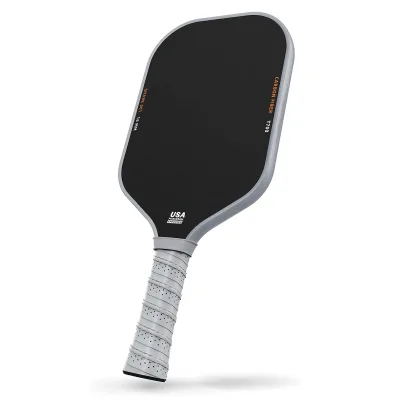
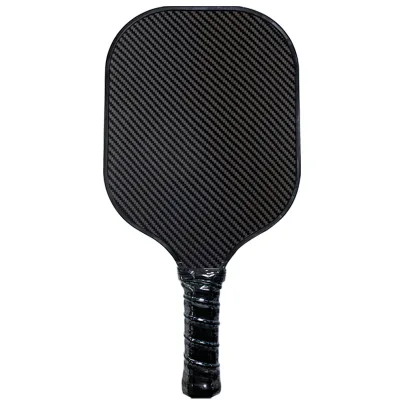
The primary differentiator in Pickleball Paddle sourcing is the core material and face construction, which directly influences weight, durability, and playing characteristics. The current market offers distinct tiers of materials, each serving specific user segments. High-end models frequently utilize carbon fiber faces, often paired with polymer or composite cores. For instance, specific product listings highlight a "Carbon Fiber Pickleball Paddle" constructed with carbon plastic types, designed for durability and enhanced power transfer. These paddles typically feature a single gross weight of approximately 0.230 kg, with dimensions standardized around 41192 cm.
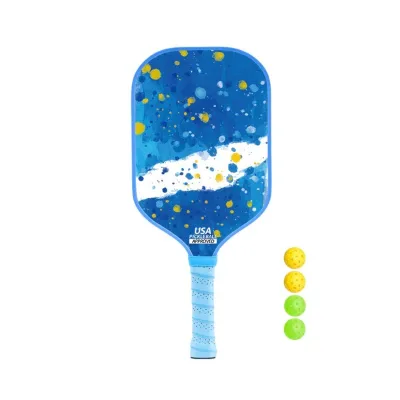
In contrast, the entry-level segment often relies on wood. A "Wood Pickleball Paddle Bundle" is a common offering, characterized by a natural wood material that provides a traditional feel. These models may feature a length of 40.2 cm and are often marketed with a "Non-Slip" feature to ensure grip stability. The weight for these wooden variants can be customized, allowing buyers to target specific weight classes for different player demographics. Additionally, there is a specialized category for "Mini Pickleball Paddle" products, which utilize polymer racket materials and weigh approximately 110g. These smaller units, with standard dimensions of 20.2*10.9 cm, are distinct from full-size paddles and cater to youth or recreational training scenarios.
When evaluating material specifications, buyers should verify the "Plastic Type" and "Racket Material" fields. While carbon fiber is associated with professional performance, polymer cores are often cited for their durability and control. The "Technology" employed in manufacturing, such as "Cold Press Cutting," is another critical technical parameter that affects the structural integrity of the paddle. Procurement teams must ensure that the material claims align with the intended usage, whether for "Entertainment, Racing, Training," or "Body Building" activities, as different materials respond differently to impact and stress.
Dimensional Standards and Physical Specifications
Precision in physical dimensions is vital for compliance with international playing standards and for meeting the ergonomic needs of the target audience. The market data indicates a clear distinction between full-size and mini paddles. Full-size carbon fiber models are consistently observed with a size of 41192 cm, while wooden variants may measure 40.2 cm in length. Mini paddles, designed for younger players or specific training drills, adhere to a standard of 20.2*10.9 cm.
Buyers must scrutinize the "Single package size" and "Length (cm)" fields to ensure logistical efficiency and product compatibility. The "Single gross weight" is another critical metric; for example, a specific carbon fiber model is listed at 0.230 kg, whereas mini paddles are significantly lighter at about 110g. These weight differences directly impact the "Weight (g)" specifications, which can range from fixed values to fully "Customized" options.
The following table summarizes the observed dimensional and weight variations across the primary product categories:
| Product Category | Material | Typical Length (cm) | Typical Width (cm) | Typical Weight | Target Audience |
|---|---|---|---|---|---|
| Carbon Fiber Pro | Carbon Fiber | 41 | 19 | 230g | Adults, Professionals |
| Wood Bundle | Wood | 40.2 | 20.2 | Customized | All Ages, Beginners |
| Mini Training | Polymer | 20.2 | 10.9 | 110g | Youth, Children |
Understanding these specifications allows buyers to curate a product line that serves diverse market segments. It is crucial to verify that the "Standard" dimensions match the intended market regulations, as deviations can affect the paddle's usability in official tournaments or leagues.
Customization and Branding Opportunities
A significant advantage in the B2B pickleball market is the availability of extensive customization options. Suppliers frequently offer "Customized Logo Available" services, allowing brands to imprint their identity on the paddle face or handle. This feature is particularly valuable for corporate gifting, team uniforms, and private label development. The "Pattern" and "Logo" fields often indicate that "Custom Design" is available, enabling buyers to create unique visual identities for their products.
Beyond visual branding, the "Function" of the paddle can be tailored. Listings such as "Pickleball Paddle Custom" suggest that manufacturers are willing to adjust specifications to meet specific client requirements. This includes the ability to customize the "Weight (G)" for wooden models, allowing for a range of playing experiences from lightweight control to heavy power. The "Small Orders: Accepted" attribute indicates flexibility for buyers who may not have the volume to commit to massive production runs immediately, facilitating market testing.
However, buyers must clearly define their customization requirements during the initial inquiry. While "Customization: Available" is a common attribute, the specific constraints regarding minimum order quantities for custom designs, lead times for logo application, and the cost implications of non-standard colors (such as the observed "Black" or "Blue" options) must be negotiated. The "Packing" methods, such as "Opp Bag" or "Bubble Bag Pack," also offer opportunities for branding, as the packaging itself can be customized to enhance the unboxing experience.
Supplier Evaluation and Geographic Considerations
Geographic origin plays a pivotal role in the sourcing strategy for pickleball paddles. The majority of observed products originate from "Zhejiang, China" or "Anhui, China," regions known for their manufacturing capabilities in sports equipment. The "Place of Origin" and "prod_origin" fields are essential for verifying the supply chain's location. Buyers should assess the logistical implications of sourcing from these regions, including shipping costs, import duties, and potential lead times.
When evaluating suppliers, the "Brand Name" and "Model Number" are key identifiers. For example, specific models like "LH-240628," "TL4001," "TL5007," and "WR-0306-12" represent distinct product lines. A reputable supplier should be able to provide a comprehensive catalog with clear model numbers and corresponding specifications. The presence of a recognized brand name, such as "TELOON," can indicate a certain level of market maturity and quality consistency, though private label options are equally prevalent.
Buyers should also consider the "Selling Units" and "MOQ" (Minimum Order Quantity) ranges. The observed MOQ ranges from 1 to 2000 units, offering flexibility for both small startups and large distributors. The "Selling Units: Single item" attribute suggests that some suppliers are willing to sell individual paddles, which is useful for sampling. However, for bulk procurement, understanding the tiered pricing structure based on volume is critical. Suppliers who accept "Small Orders" may have higher per-unit costs but lower barriers to entry.
Quality Control and Compliance Verification
Quality assurance is paramount when sourcing sports equipment, as product failure can lead to safety hazards and brand damage. Buyers must verify the "Feature" attributes, such as "Durable" and "Non-Slip," through independent testing or sample inspection. While the product listings claim these features, actual verification requires physical testing of the grip texture and the structural integrity of the paddle under stress.
Compliance with industry standards is another critical area. Although specific certification numbers are not provided in the general data, buyers should request documentation regarding material safety and manufacturing standards. The "prod_standard" field, which lists dimensions like "40.220.21.2cm," serves as a baseline for dimensional accuracy. Buyers should ensure that the "Technology" used, such as "Cold Press Cutting," meets the necessary quality benchmarks for bonding and finishing.
For products targeting "Youth, Professional Players, Children, Adult," the safety of materials is especially important. The "Plastic Type" and "Racket Material" must be free from harmful substances. Buyers should request Material Safety Data Sheets (MSDS) or equivalent documentation to confirm that the carbon fiber, wood, and polymer components meet international safety regulations. Additionally, the "Packing" method, whether "Opp Bag" or "Bubble Bag," must be robust enough to prevent damage during transit, ensuring the product arrives in pristine condition.
Cost Drivers and Long-Term Procurement Strategy
The cost of pickleball paddles is influenced by several factors, including material complexity, customization level, and order volume. The observed price range of 1.4 to 300 USD reflects the vast disparity between entry-level wooden paddles and high-end carbon fiber models. The "Weight (g)" and "Material" are primary cost drivers; carbon fiber and polymer composites generally command a premium over wood.
Long-term procurement strategies should focus on building relationships with suppliers who offer consistent quality and reliable lead times. The "Lead time" is not explicitly stated in the provided data, but it is a critical factor for inventory management. Buyers should negotiate clear timelines for production and shipping, especially for custom orders involving logos and specific designs.
Furthermore, the "Usage" of the paddle, whether for "Entertainment, Racing, Training," or "Body Building," affects the product lifecycle and replacement rate. Paddles used for high-intensity training or racing may require more frequent replacement, creating a recurring revenue stream for distributors. Buyers should analyze the durability claims and warranty policies to ensure that the products meet the expected lifespan for their specific market segment.
In conclusion, successful sourcing of pickleball paddles requires a meticulous approach to technical specifications, material verification, and supplier evaluation. By leveraging the detailed product attributes available in the market, buyers can construct a diverse and high-quality product portfolio that meets the needs of various consumer segments. Whether focusing on the durability of carbon fiber models or the accessibility of wooden bundles, the key lies in aligning product specifications with market demand and maintaining rigorous quality control standards throughout the supply chain.
FAQs
What materials are used for pickleball paddles?
Pickleball paddles are commonly made from carbon fiber, wood, or polymer. Carbon fiber models offer durability and high performance, while wood bundles provide a traditional feel. Polymer is often used in mini paddles for youth training, ensuring the right weight and control for specific player needs.
Which paddle size is suitable for adults?
Adults typically use full-size paddles measuring 41 by 19 by 2 cm. These dimensions align with standard playing requirements and offer optimal power and control. Mini paddles measuring 20.2 by 10.9 cm are better suited for children or specific training drills rather than adult competition.
Can I get a custom logo on the paddle?
Yes, custom logos are available for most Pickleball Paddle models. Suppliers offer customized branding options for both carbon fiber and wooden variants. Buyers can request specific designs to create unique visual identities for their teams or corporate gifting initiatives without strict minimum order constraints.
How much does a carbon fiber paddle weigh?
A standard carbon fiber Pickleball Paddle weighs approximately 230 grams. This weight ensures a balance between power and maneuverability for adult players. Some wooden models allow for customized weight adjustments, but the fixed weight for carbon fiber units remains consistent at this level.
What is the minimum order quantity for these paddles?
Minimum order quantities range from 1 to 2000 units depending on the supplier and product type. Some vendors accept small orders to facilitate market testing, while larger bulk purchases may require higher volumes. Buyers should verify specific MOQs based on their customization needs and selected model number.
Where are these paddles manufactured?
Most pickleball paddles are manufactured in China, specifically in Zhejiang and Anhui provinces. These regions are known for their sports equipment production capabilities. Buyers should verify the place of origin on product listings to ensure the supply chain meets their logistical and quality expectations.