Source Piston Ring Compressor Set with Armature Bearing Puller for Auto Repair
Find 30 listings for the Piston Ring Compressor Set with Armature Bearing Puller to compare specifications from Zhejiang and Ningbo suppliers. Buyers can review steel and aluminum options with OEM customization available for BMW and Bitzer compressor applications.
Key considerations
Products List
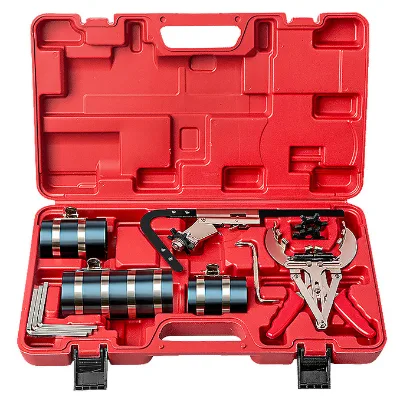


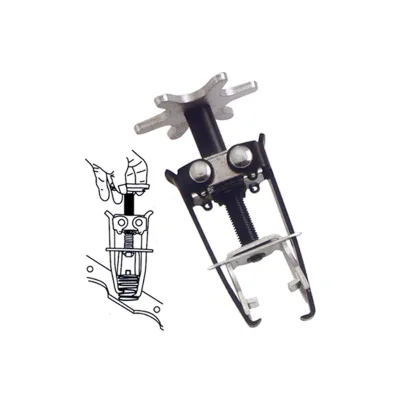


Two Set Bearing Pullers, Bearing Puller Set and Bearing Separator Kit (48040001)
$11.76 - $13.33
MOQ: 500 Pieces


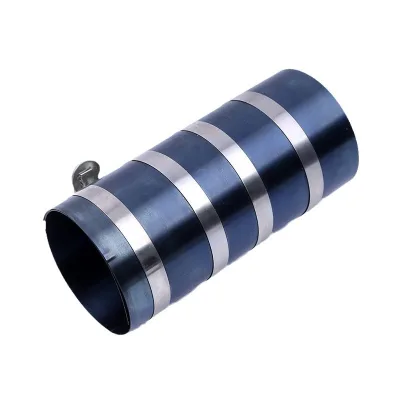
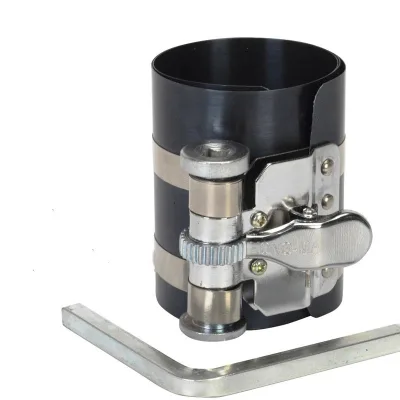


Comprehensive Sourcing Guide
Strategic Sourcing Guide for Piston Ring Compressor Sets and Armature Bearing Pullers
Procuring specialized automotive maintenance equipment requires a disciplined approach that balances technical compatibility with supply chain reliability. The core keyword combination of "piston ring compressor set" and "armature bearing puller" indicates a need for tools that serve dual functions in engine overhaul and motor repair scenarios. Buyers entering this market must navigate a landscape where product attributes vary significantly between manufacturers, even when listed under similar functional categories. This guide provides a structured framework for evaluating suppliers, verifying specifications, and ensuring long-term value without relying on unverified marketing claims.
Technical Specifications and Functional Compatibility
The primary challenge in sourcing these tools lies in the divergence of technical attributes across different product listings. A single product page may list "Steel" as a material while another entry for a similar tool specifies "Aluminum." This discrepancy suggests that the market offers tools constructed from various alloys depending on the intended application intensity. For a piston ring compressor set, the material choice dictates durability and resistance to deformation under high compression forces. Steel variants typically offer superior strength for heavy-duty automotive applications, whereas aluminum options may be preferred for lighter weight or specific corrosion resistance needs.
Furthermore, the functional classification of these tools often overlaps. Listings explicitly mention "Auto Tool Maintenance" as a function, yet simultaneously describe the application as an "Armature Bearing Puller." This indicates that the tooling is versatile, designed to handle both cylinder head assembly tasks and electric motor maintenance. Buyers must verify the specific "Model Number" and "Configuration" to ensure the tool fits their inventory. For instance, a "Stationary" configuration implies a fixed setup, while other listings might suggest portable or modular designs. The "Single package size" of 47x34x7 cm provides a baseline for logistics planning, but buyers should confirm if this dimension applies to the specific model they intend to purchase, as "Bitzer small octagon series" components may have different packaging requirements.
| Attribute Category | Observed Variations | Verification Requirement |
|---|---|---|
| Material | Steel, Aluminum | Confirm material grade suitable for the specific engine or motor type. |
| Application | Piston Ring Service, Armature Bearing Puller | Ensure the tool geometry matches the specific bearing or ring diameter. |
| Configuration | Stationary, Portable (implied) | Verify if the tool requires a fixed mount or is hand-operated. |
| Power Source | AC Power, Manual | Clarify if the puller is mechanical or requires electrical integration. |
| Color | Red, Neutral | Check if color coding is used for size differentiation or branding. |
Compliance and Certification Verification
In the B2B procurement of automotive tools, compliance is not merely a formality but a critical risk mitigation strategy. The supplied data indicates that some products carry "ISO" certification and adhere to "ROHS SGS" standards. However, these certifications are not universally applied to every item in the category. A buyer cannot assume that a "Piston Ring Compressor Set" automatically meets these standards unless explicitly stated in the specific product listing. The presence of "Standard Component" classification suggests that some items are generic, while others, such as those labeled "Bitzer Piston," may require adherence to specific manufacturer standards like the "Bitzer small octagon series."
Buyers must rigorously verify the "Certification" field for each supplier. The mention of "ROHS" implies compliance with restrictions on hazardous substances, which is essential for products exported to the European Union. Similarly, "SGS" indicates third-party testing, but the specific test parameters must be reviewed. It is crucial to distinguish between a product that is "Customized" and one that is a "Standard Component." Customized items may not carry standard certifications unless the customization process includes a re-certification step. The "Standard" attribute listed as "Standard" is vague; buyers should request the specific standard number (e.g., ISO 9001, DIN standards) rather than accepting a generic label.
Cost Drivers and Pricing Structure Analysis
The observed price range of 0.01 to 500 USD highlights a vast disparity in product value, likely driven by material costs, complexity, and brand positioning. The lower end of the spectrum may represent basic manual tools or single-component kits, while the higher end could encompass comprehensive sets with specialized materials or integrated power sources. The "Selling Units" being listed as "Single item" suggests that pricing is often per unit rather than per set, which can confuse buyers expecting a complete kit price.
Material composition is a primary cost driver. Steel tools generally command a higher price point than aluminum equivalents due to raw material costs and manufacturing complexity. Additionally, the "Warranty" period of 18 months suggests a premium tier of products where durability is guaranteed, influencing the final price. Buyers should be wary of prices that seem abnormally low, as they may indicate inferior materials or a lack of quality control. The "OEM: Acceptable" attribute indicates that suppliers are willing to produce private-label goods, which can affect pricing based on order volume and customization requirements.
Typical Applications and Operational Context
The versatility of these tools is evident in the diverse applications listed. The "Car Fitment" is explicitly noted as "bmw," indicating that specific models are designed for high-performance or luxury vehicle maintenance. However, the "Application" field also lists "Armature Bearing Puller," pointing to use in electric motor repair, HVAC systems, and industrial machinery. The "Bitzer Piston" reference further narrows the scope to refrigeration and air conditioning compressors, specifically those using "Ammonia" as a refrigerant.
This duality requires buyers to clearly define their operational needs. A tool suitable for a BMW engine overhaul may not be optimized for a Bitzer compressor bearing puller due to differences in force requirements and attachment geometries. The "Cooling System" of "Air Cooling" and "Structure Type" of "Semi-Closed Type" are relevant for compressor-related tools, suggesting that some listings in this category are actually for compressor components rather than hand tools. Buyers must scrutinize the "Type" attribute, which is listed as "Piston," to ensure the tool matches the specific mechanical interface required for their maintenance tasks.
Supplier Evaluation and Origin Verification
Geographic origin plays a significant role in supply chain logistics and quality perception. The data shows products originating from "Zhejiang, China" and "Ningbo of China." Both regions are major manufacturing hubs, but they may host different tiers of suppliers. Ningbo is particularly known for its port infrastructure and export-oriented manufacturing, which can impact lead times and shipping costs. The "Place of Origin" should be verified against the supplier's actual business registration to ensure authenticity.
When evaluating suppliers, the "Product time" of 7-30 days serves as a benchmark for lead times. However, this range is broad and likely depends on the "Customization" status. If a buyer requires a "Customized" product, the lead time will likely lean toward the upper end of this range. The "Condition" is listed as "New," which is standard, but buyers should confirm if the tools are factory-fresh or refurbished. The "Brand Name" "Faster" appears in the data, but buyers should not rely on a single brand. Instead, they should evaluate the supplier's ability to provide "OEM" services and their track record for "Customization."
Quality Control and Inspection Protocols
Quality assurance is paramount when dealing with tools that exert significant mechanical force. The "Single gross weight" of 2.500 kg provides a tangible metric for verifying the "Material" density. A discrepancy between the stated weight and the actual received weight could indicate material substitution or incomplete assembly. Buyers should implement a pre-shipment inspection protocol that includes checking the "Package" type, which is listed as "Blow Mould Case" or "White Box." Proper packaging is essential to prevent damage during transit, especially for precision tools like bearing pullers.
The "Update Method" of "by Internet" is an unusual attribute for a physical tool and may refer to software integration for smart tools or simply be a data entry error. Regardless, buyers should verify the physical integrity of the tool upon receipt. The "Lubrication Style" of "Oil-Free" is a specific feature that should be tested to ensure the tool does not require excessive maintenance or risk contaminating the workpiece. For tools with a "Total Height" of 6"(150mm), dimensional accuracy is critical for fitting into tight engine bays or motor housings.
Long-Term Procurement and Maintenance Considerations
Sourcing these tools is not a one-time transaction but a long-term relationship. The "Warranty" of 18 months is a key factor in this relationship. Buyers should clarify the terms of this warranty, including what constitutes a defect versus normal wear and tear. The "Standard Component" status suggests that replacement parts should be readily available, but this must be confirmed with the supplier. The "Configuration" being "Stationary" implies that the tool may require a dedicated workspace, which affects long-term operational planning.
Buyers should also consider the "Refrigerant Type" compatibility if the tools are used in HVAC applications. Tools designed for "Ammonia" systems may have specific material requirements to prevent corrosion or chemical reactions. The "Cylinder Arrangement" of "Series Arrangement" and "Cylinder Position" of "Angular" are specific to compressor components, and buyers must ensure these align with their existing fleet of equipment. Finally, the "Customization" availability offers a path for tailoring tools to specific needs, but it requires clear communication of technical drawings and specifications to avoid costly errors.
In conclusion, successful procurement of piston ring compressor sets and armature bearing pullers demands a meticulous review of technical data, certification status, and supplier capabilities. By focusing on the specific attributes provided in the product listings and avoiding assumptions about universal standards, buyers can build a reliable supply chain that supports their automotive and industrial maintenance operations. The interplay between material choices, application specificity, and logistical factors defines the true value of these tools in a professional setting.
FAQs
What materials are used for piston ring compressor sets?
Products are constructed from Steel or Aluminum depending on the specific model. Steel variants offer superior strength for heavy-duty applications, while Aluminum options provide lighter weight. Buyers must verify the material grade in the specific listing to ensure compatibility with their engine type.
Which certifications apply to these automotive maintenance tools?
Some items carry ISO certification and adhere to ROHS SGS standards. However, these are not universal for every product in the category. Buyers must explicitly check the certification field for each supplier to confirm compliance with hazardous substance restrictions and third-party testing.
How long is the lead time for customized orders?
The standard product time ranges from 7 to 30 days. Customized items typically require the upper end of this range due to additional processing. Buyers should confirm the specific timeline based on whether they request standard components or personalized modifications.
Can these tools be used for BMW vehicles and compressors?
Yes, specific listings indicate fitment for BMW cars and applications for Bitzer compressors. The tools serve dual functions as piston ring compressors and armature bearing pullers. Buyers must verify the model number to ensure the geometry matches their specific vehicle or compressor requirements.
What is the warranty period for these maintenance tools?
The warranty period is 18 months for qualifying products. This suggests a premium tier where durability is guaranteed against defects. Buyers should clarify the specific terms regarding normal wear and tear versus manufacturing defects when reviewing the supplier agreement.
Which packaging types are available for these industrial tools?
Packaging options include Blow Mould Case, Neutral packing, or White Box. Proper packaging is essential to prevent damage during transit for precision tools. Buyers should confirm the specific package type to ensure the tool arrives intact and meets their logistics requirements.
How does the material choice affect the tool price?
Steel tools generally command a higher price point than aluminum equivalents due to raw material costs. The observed price range spans from 0.01 to 500 USD based on complexity and material. Buyers should be wary of abnormally low prices that may indicate inferior quality or lack of control.