Source Engine Timing Adjustment Tool for Mechanics, Shops, and Distributors
Find and compare 30 Engine Timing Adjustment Tool options from verified Chinese manufacturers. Evaluate specifications like material, weight, and certifications to select the right equipment for automotive repair and maintenance applications; compare the available evidence and request quotations based on your requirements.
Key considerations
Products List


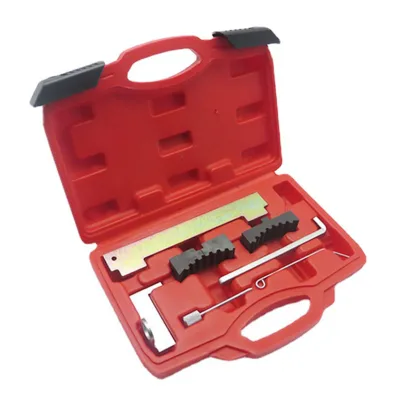


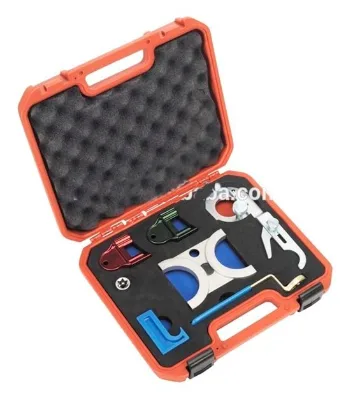
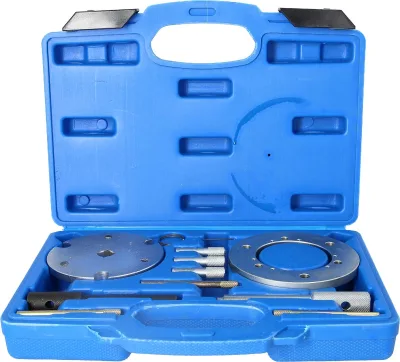
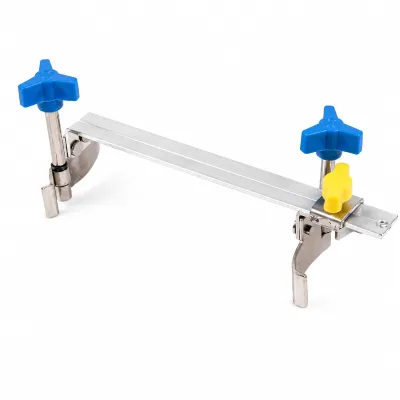
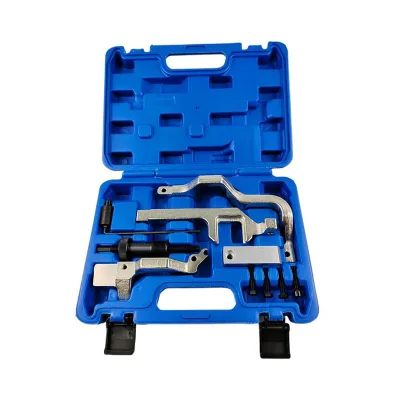
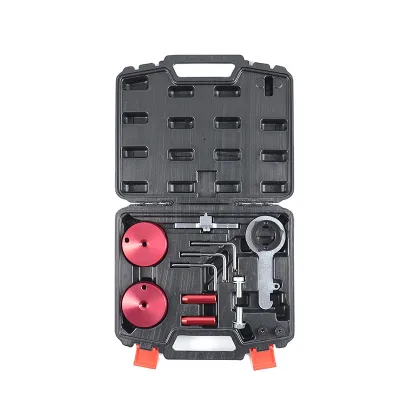
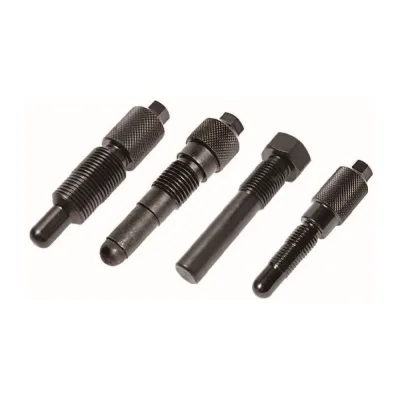


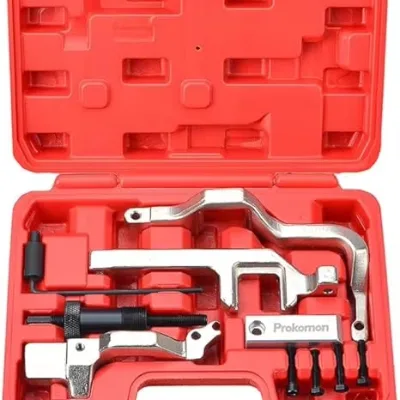

Comprehensive Sourcing Guide
Engine Timing Adjustment Tool Sourcing Guide
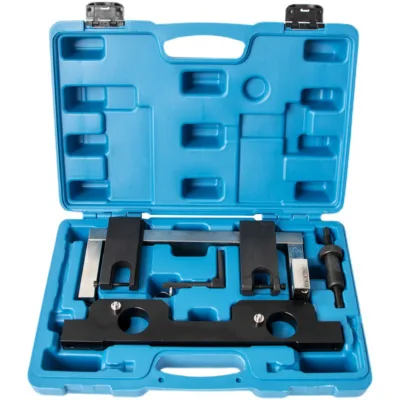
Engine timing adjustment tools are critical for maintaining precise synchronization between a vehicle's crankshaft and camshaft, ensuring optimal combustion efficiency and engine longevity. These specialized instruments, often constructed from high-grade steel or carbon steel, allow mechanics to lock engine components in place during timing belt or chain replacement procedures. The observed market includes universal models designed for broad vehicle compatibility, alongside specific units tailored for particular engine architectures. Buyers must recognize that while some tools are marketed as universal, their physical dimensions and locking mechanisms vary significantly, necessitating careful verification against the specific engine service manual requirements before procurement.
The procurement landscape for these tools reveals a diverse range of packaging and weight profiles, reflecting their intended use in both professional workshops and mobile repair scenarios. Observed listings indicate products ranging from lightweight, portable units weighing approximately 1.63kg to heavier, industrial-grade sets exceeding 16kg, often packed in sturdy carton boxes or specialized plastic cases. This variance in physical attributes directly correlates with the complexity of the timing system being serviced. Sourcing decisions should prioritize tools that balance portability with the robustness required to withstand the high torque forces encountered during engine timing adjustments, ensuring the tool does not deform or fail under operational stress.
Product Scope and Observed Listing Signals
When evaluating product listings, buyers should scrutinize the specific model numbers and dimensional standards provided, as these are primary indicators of tool compatibility and physical fitment. The available data highlights distinct model identifiers such as A01004, A01002, and VT01082, each associated with unique standard dimensions like 390310120 mm or 36289cm. These measurements are not merely descriptive but serve as critical verification points to ensure the tool will physically engage with the engine's timing gears or sprockets. A mismatch in these dimensions can lead to installation failure or damage to the engine components, making precise dimensional matching a non-negotiable step in the selection process.
Beyond physical dimensions, the material composition and condition of the tool are essential signals of durability and performance reliability. Listings frequently specify materials such as 45#Steel or Carbon Steel, which are industry standards for withstanding the mechanical stresses of engine timing operations. The condition is consistently noted as "New," implying that buyers should expect factory-fresh inventory rather than refurbished units, which may have hidden wear. Additionally, the presence of customization options suggests that suppliers can tailor certain features, such as color or specific packaging, to meet unique fleet or workshop requirements, offering flexibility for large-scale procurement contracts.
Technical Specifications to Verify
Buyers must rigorously verify the functional capabilities of the tool, specifically its designation as an "Engine Timing Tool" and its compatibility with universal or specific vehicle fitments. The observed data confirms that some models are explicitly labeled as "Universal," yet the physical constraints of the tool, such as its weight of 3.2kg or 2.5kg, may limit its applicability to certain heavy-duty or compact engine configurations. It is imperative to cross-reference the tool's functional description with the vehicle manufacturer's service specifications to ensure that the locking mechanism and interface geometry align perfectly with the engine's timing points, preventing slippage or misalignment during critical maintenance procedures.
The installation method and cooling requirements are additional technical parameters that influence the tool's operational suitability in different environments. While most timing tools are designed for fixed installation or manual handling, specific listings indicate "Water Cooling" capabilities, which may be relevant for high-temperature testing scenarios or specialized industrial applications. Furthermore, the output type, noted as "AC Three Phase" in some contexts, suggests that certain advanced units may integrate with powered machinery or diagnostic systems. Procurement teams should confirm whether the tool requires external power sources or auxiliary cooling systems, as these factors impact the logistics of deployment and the overall cost of ownership in a workshop setting.
Compliance and Safety Documentation
Ensuring that engine timing tools meet international safety and quality standards is a fundamental requirement for B2B procurement, particularly when operating in regulated markets. The observed product data lists certifications including ISO, GS, RoHS, and CE, which indicate adherence to rigorous quality management systems, safety guidelines, and environmental restrictions on hazardous substances. Buyers should request valid certification documents for each batch of tools to verify that the manufacturing process complies with these standards, as these certifications often serve as a prerequisite for insurance coverage and liability protection in professional automotive repair environments.
In addition to certifications, the warranty terms and update mechanisms for the tool's software or calibration data must be clearly defined to mitigate long-term operational risks. Some listings indicate a warranty period of zero months, which is a significant red flag suggesting that the supplier may not offer post-purchase support or replacement guarantees. Conversely, other products mention update methods via email, implying that the tool may require periodic firmware or calibration updates to maintain accuracy. Procurement contracts should explicitly address these warranty and update provisions to ensure that the buyer retains the right to technical support and that the tool remains compliant with evolving industry standards over its lifecycle.
Cost Drivers and Commercial Terms
The pricing structure for engine timing tools is influenced by a complex interplay of material costs, manufacturing complexity, and order volume, with observed ranges spanning from $0.10 to $151.87 per unit. This wide disparity often reflects differences in material quality, such as the distinction between standard steel and specialized carbon steel, as well as the inclusion of additional accessories or specialized packaging like sliding cards or BMC cases. Buyers should analyze the cost per unit in the context of the tool's durability and functional scope, recognizing that lower-priced items may lack the precision or robustness required for high-volume professional use, potentially leading to higher long-term replacement costs.
Minimum Order Quantities (MOQ) and selling units are critical commercial terms that affect inventory management and cash flow planning for procurement teams. The observed MOQ ranges from 1 to 500 sets, with specific listings indicating an MOQ of 200 sets for certain models, which can be a barrier for small workshops or those testing new product lines. Understanding the selling unit structure, whether as a single item or a set, is essential for accurate budgeting and logistics planning. Buyers should negotiate flexible MOQ terms where possible to align with their actual demand cycles, ensuring that they do not overstock inventory while maintaining sufficient supply to meet service center requirements.
Supplier Qualification and Quality Control
Supplier qualification for engine timing tools requires a thorough assessment of the manufacturing origin and the consistency of product attributes across different batches. The data indicates that products originate from regions such as China, Anhui, and Zhejiang, which are known hubs for automotive tool manufacturing. However, geographic origin alone does not guarantee quality; buyers must verify that the supplier maintains consistent control over material sourcing, specifically the use of 45#Steel or Carbon Steel, and that the final product meets the specified weight and dimensional standards. Establishing a relationship with a supplier who can provide consistent quality control data is vital for maintaining the reliability of the tools used in critical engine maintenance operations.
Quality control processes should extend beyond the initial inspection to include ongoing monitoring of product performance and adherence to the "Standard" specifications listed in the product data. Buyers should implement a rigorous incoming inspection protocol that verifies the condition of the tools, ensuring they are "New" and free from defects such as surface corrosion or dimensional inaccuracies. Additionally, the availability of customization options suggests that suppliers should have the flexibility to adapt their production lines to meet specific buyer requirements. Establishing clear quality benchmarks and conducting regular audits of the supplier's production facilities can help mitigate the risk of receiving substandard tools that could compromise engine timing accuracy.
Long-Term Procurement Checks
Sustaining a reliable supply chain for engine timing tools requires regular re-evaluation of supplier performance and product consistency over time. Buyers should establish a schedule for periodic audits that checks for adherence to the original specifications, such as the standard dimensions and material composition, to ensure that the tools continue to meet the required performance standards. This proactive approach helps identify any drift in quality or changes in manufacturing processes that could impact the tool's functionality, allowing for timely corrective actions before they affect critical engine maintenance schedules.
Furthermore, long-term procurement strategies should include monitoring the availability of spare parts and the continuity of the product line to prevent supply disruptions. Given that some tools have specific model numbers like A01034 or VT01729, buyers must ensure that the supplier can maintain production of these specific models or provide viable alternatives that meet the same technical requirements. Regular communication with the supplier regarding updates, such as changes in certification status or material sourcing, is essential to maintain compliance and operational efficiency. By integrating these checks into the procurement lifecycle, organizations can ensure a stable and reliable supply of high-quality engine timing tools.
FAQs
What materials are used for engine timing adjustment tools?
These tools are typically constructed from high-strength materials such as carbon steel, 45# steel, or standard steel to ensure durability under mechanical stress. The specific material choice depends on the model, with some units weighing as little as 1.36kg while others reach 16.5kg. Buyers should verify the material grade to match their specific engine timing requirements and load conditions.
Can engine timing tools be customized for specific needs?
Yes, customization is available for many engine timing adjustment tools to fit unique mechanical specifications. Manufacturers offer options for custom colors and specific packaging types, including plastic boxes, carton boxes, or sliding cards. This flexibility allows buyers to tailor the product to their branding or logistical requirements while maintaining the core functional integrity of the timing tool.
What certifications do these timing tools typically hold?
Engine timing adjustment tools often carry international safety and quality certifications such as CE, RoHS, ISO, and GS. These certifications indicate compliance with relevant manufacturing standards and safety regulations. Buyers should verify the specific certification list for each model, as some items may only hold CE certification, ensuring the tools meet the regulatory requirements of the target market.
How is the packaging designed for these tools?
Packaging varies by model, with options including plastic boxes, carton boxes, BMC, and sliding cards. The dimensions also differ significantly, ranging from compact sizes like 280*230*95 mm to larger boxes measuring 390*310*120 mm. This variety ensures secure protection during transit and allows for efficient storage and handling by distributors and end-users in the automotive sector.
What is the typical MOQ for ordering these tools?
The minimum order quantity varies by supplier, with observed ranges starting from 1 unit up to 500 sets. A common MOQ for certain models is 200 sets, while others may allow smaller trial orders. Buyers should check the specific MOQ for each product model to align with their inventory needs and budget constraints, ensuring they meet the supplier's minimum purchasing requirements.
Where are these timing tools primarily manufactured?
These tools are primarily manufactured in China, with specific production hubs located in provinces such as Anhui and Zhejiang. The origin indicates the supply chain location and potential logistics considerations for international buyers. Understanding the place of origin helps in assessing shipping times, import duties, and the overall reliability of the manufacturing base for these automotive maintenance instruments.