Source Plastic Shelf Dividers for Shop Supermarket Store
Compare 30 listings of plastic shelf dividers from verified Chinese manufacturers. Buyers can evaluate models like VG-SD14 and ORIOPD02 based on material, size, and MOQ to find suitable options for shop, supermarket, and convenience store applications.
Key considerations
Products List



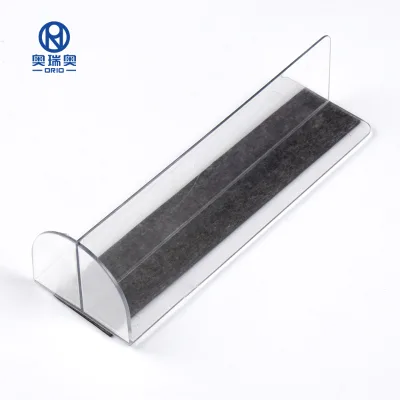


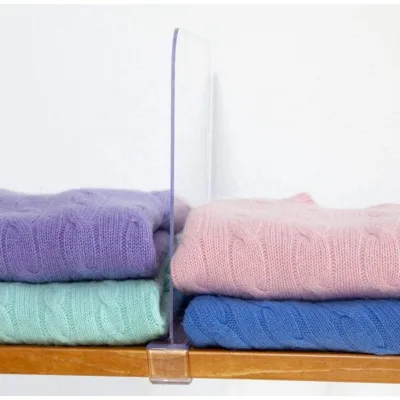



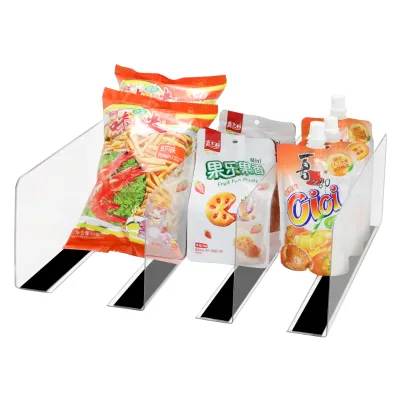


Display Shelf for Supermarket/Shelf Supermarket/Supermarket Shelf Dividers
$35.50 - $110.50
MOQ: 50 Pieces

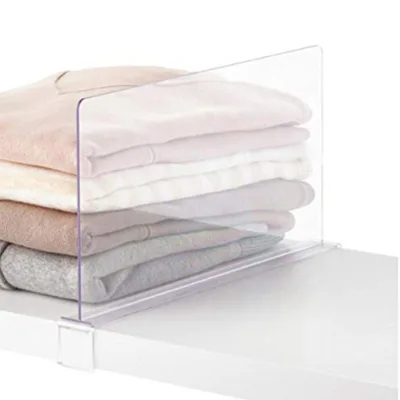
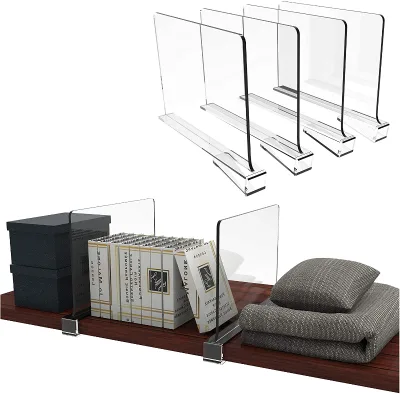
Comprehensive Sourcing Guide
Strategic Sourcing Guide for Plastic Shelf Dividers
The global retail and storage sector relies heavily on efficient organization solutions to maximize shelf space and maintain visual appeal. Among these, the Plastic Shelf Divider stands out as a critical component for supermarkets, convenience stores, and warehouse environments. Sourcing these items requires a disciplined approach that balances technical specifications, material integrity, and supplier reliability. This guide provides a comprehensive framework for buyers to navigate the procurement landscape, ensuring that the selected products meet operational needs without compromising on quality or compliance.
Understanding Technical Specifications and Material Composition
The foundation of a successful procurement strategy lies in a precise understanding of the technical attributes of the product. Plastic shelf dividers are not monolithic; they vary significantly in dimensions, material composition, and structural design. Buyers must first identify the specific functional requirements of their retail environment. For instance, the product range includes models with lengths spanning from 185mm to 485mm, with specific configurations such as L185-385mm or 285-485mm. These dimensions are crucial for fitting various shelf depths and ensuring that products are held securely without overhang.
Material selection is equally critical. The market offers dividers constructed from PVC, PET, and ABS plastics. PET (Polyethylene Terephthalate) is frequently cited for its clarity and strength, often resulting in transparent units that allow for easy product identification. Other variants may utilize PVC or ABS, each offering different levels of rigidity and impact resistance. The physical properties of the material dictate the divider's longevity and its ability to withstand the weight of stocked goods. Buyers should verify the specific material grade, as "Plastic" is a broad category that encompasses materials with vastly different thermal and mechanical properties.
Structural features also play a pivotal role in functionality. A common design element is the "double-sided" configuration, which allows for organization on both faces of the divider, effectively doubling the utility per unit. The height of these units is typically standardized around 60mm, a dimension that balances visibility with stability. Furthermore, the mounting mechanism is often described as "fixed" or "rotary," though "fixed" is the predominant attribute for standard shelving applications. The installation process is frequently highlighted as "easy," suggesting a design that minimizes the need for tools or complex assembly, thereby reducing labor costs during store setup.
Compliance, Certification, and Regulatory Standards
When sourcing industrial and retail hardware, compliance with international standards is a non-negotiable aspect of the procurement process. While specific certification documents may vary by supplier, buyers must ensure that the products adhere to relevant safety and quality standards. The Harmonized System (HS) code for these items is generally classified under 3926909090, which covers other articles of plastics. This classification is essential for accurate customs declaration and duty calculation.
Buyers should verify that the manufacturing process adheres to the "Plastic" standard referenced in product specifications. This implies that the raw materials used must meet specific purity and safety criteria, particularly if the dividers are intended for use in food retail environments like supermarkets or refrigerators. Although specific third-party test results are not universally provided in general listings, the presence of a "New" condition and adherence to standard manufacturing practices are baseline expectations.
It is imperative for buyers to request documentation regarding the chemical composition of the plastic used. In regions with strict environmental regulations, verifying that the materials are free from harmful substances like BPA or heavy metals is necessary. Additionally, the origin of the product, often listed as Anhui or Zhejiang in China, should be cross-referenced with the supplier's ability to provide traceability for their raw materials. Compliance is not merely about meeting a code; it is about ensuring the product is safe for end-users and compliant with the import regulations of the destination country.
Cost Drivers and Pricing Dynamics
The pricing of plastic shelf dividers is influenced by a complex interplay of factors, including material costs, production volume, and customization requirements. The observed market price range for these items is broad, spanning from $0.29 to $110.50 USD. This significant variance is primarily driven by the scale of the order and the level of customization.
Minimum Order Quantity (MOQ) is a primary cost driver. Suppliers often set MOQs at 500 pieces for standard models, while some may offer lower thresholds, such as 1 piece, for sample orders or highly customized runs. The relationship between volume and unit price is inverse; larger orders typically yield lower per-unit costs due to economies of scale in molding and packaging. Buyers must calculate the total cost of ownership, which includes not just the unit price but also shipping, duties, and potential inventory holding costs.
Customization is another significant factor affecting price. Options for custom logos, specific sizes (such as A3, A4, A5, or A6 formats), and tailored dimensions can increase the unit cost. The availability of samples, often provided within 1-3 days, allows buyers to validate quality before committing to large orders, but sample fees may apply. Payment terms, such as Alipay, also influence the financial dynamics of the transaction, offering flexibility but requiring careful financial planning.
Typical Applications and Functional Use Cases
Plastic shelf dividers are versatile tools designed for a wide array of commercial and industrial applications. The primary use cases include supermarkets, convenience stores, and general retail shops where product organization is paramount. The "double-sided" nature of many dividers makes them particularly effective in high-density shelving units where maximizing vertical space is essential.
In addition to general retail, these dividers are frequently utilized in refrigeration units. The material properties, such as resistance to moisture and temperature fluctuations, make them suitable for "Supermarket/Refrigerator" environments. The transparent color of many models ensures that product labels remain visible, aiding in quick inventory checks and customer selection. The "light weight" characteristic of these dividers simplifies handling and installation, reducing the physical strain on store staff.
The functional benefits extend beyond simple organization. By preventing products from toppling over, these dividers reduce waste and damage, directly impacting the bottom line. The "labor cost saving" attribute is a direct result of the "easy installation" feature, allowing stores to reconfigure shelves quickly in response to changing inventory needs. Whether for organizing small items in a convenience store or larger goods in a warehouse, the adaptability of these dividers to different shelf configurations is their defining strength.
Supplier Evaluation and Selection Criteria
Selecting the right supplier is as critical as selecting the right product. Buyers should evaluate potential partners based on a set of rigorous criteria that go beyond price. Experience is a key indicator of reliability; suppliers boasting "20 years of experience" in the industry are likely to have refined their manufacturing processes and quality control measures. This longevity often correlates with a deeper understanding of market trends and customer needs.
The geographic location of the supplier, such as origins in Anhui or Zhejiang, China, can impact logistics and lead times. Buyers should assess the supplier's logistical capabilities, including their experience with "Air/Sea" shipping and their ability to manage single package sizes, which may range from 20x20x10 cm to 50x40x0.7 cm depending on the model. The ability to provide samples is another vital metric; a supplier that offers samples within 1-3 days demonstrates operational efficiency and confidence in their product quality.
Furthermore, the flexibility of the supplier regarding customization is a strong differentiator. Suppliers that offer "customized" logos and sizes provide a higher level of service, allowing buyers to brand their products and fit specific shelf dimensions. Payment terms, such as the availability of Alipay, also reflect the supplier's adaptability to international business practices. Buyers should prioritize suppliers who demonstrate transparency in their operations and a commitment to meeting specific client requirements.
Quality Control and Long-Term Procurement Considerations
Ensuring consistent quality is the ultimate goal of any procurement strategy. Buyers must implement a robust quality control (QC) protocol that includes pre-shipment inspections and post-delivery audits. The "condition" of the product should be verified as "New," and the physical integrity of the plastic must be checked for defects such as cracks, warping, or inconsistent coloring. The "single gross weight" of approximately 1.500 kg for standard packages serves as a benchmark for verifying that the correct volume of material is included in each shipment.
Long-term procurement considerations involve building a sustainable relationship with the supplier. This includes establishing clear communication channels for addressing any quality issues that may arise after delivery. The "customized" nature of many orders means that the supplier must be capable of maintaining consistency across multiple production runs. Buyers should also consider the environmental impact of the materials used, ensuring that the plastics are recyclable or meet specific sustainability goals if required by their corporate policies.
Finally, the scalability of the supply chain is crucial. As the buyer's business grows, the supplier must be able to increase production capacity without compromising quality or lead times. The ability to handle large volumes, indicated by the high-end MOQs observed in the market, suggests that suppliers are equipped to support significant growth. By focusing on these long-term factors, buyers can secure a reliable supply of plastic shelf dividers that will support their operations for years to come.
Comparative Analysis of Key Product Attributes
To facilitate a clearer understanding of the market landscape, the following table summarizes the key attributes observed across different product listings. This comparison highlights the diversity in specifications and helps buyers identify the most suitable options for their specific needs.
| Attribute | Standard Configuration | Customized Configuration | Notes |
|---|---|---|---|
| Material | PVC, PET, ABS | PET, PVC, ABS | PET preferred for transparency |
| Length | 185-485mm | Customized | Specific ranges: 185-385mm, 285-485mm |
| Height | 60mm | Customized | Standard height for most models |
| Color | Transparent | Customized | Transparency aids product visibility |
| Side Number | Double Sided | Double Sided | Maximizes shelf utility |
| MOQ | 500 pcs | 1-1000 pcs | Lower MOQ for samples/custom |
| Origin | Anhui, Zhejiang | Anhui, Zhejiang | Major manufacturing hubs in China |
| Usage | Shop, Supermarket | Shop, Supermarket, Refrigerator | Suitable for varied retail environments |
This comparative view underscores the importance of aligning product specifications with operational requirements. While standard configurations offer cost-effective solutions for general use, customized options provide the flexibility needed for specialized retail environments. By carefully evaluating these attributes, buyers can make informed decisions that optimize both performance and cost efficiency.
FAQs
What materials are used for plastic shelf dividers?
Plastic shelf dividers are commonly made from PVC, PET, and ABS materials. PET is often preferred for its transparency and strength, while PVC and ABS offer different levels of rigidity suitable for various retail environments.
How can I customize the size of these dividers?
Customized sizes are available for these dividers, with standard lengths ranging from 185mm to 485mm. Buyers can request specific dimensions to fit their shelf depths, ensuring products are held securely without overhang.
What is the minimum order quantity for these products?
The minimum order quantity typically starts at 500 pieces for standard models. However, some suppliers may offer lower thresholds like 1 piece for sample orders or highly customized runs to validate quality before bulk purchase.
Where are these plastic shelf dividers manufactured?
These products originate from manufacturing locations in China, specifically Anhui and Zhejiang provinces. Buyers should verify the specific origin to ensure traceability and compliance with import regulations for their destination country.
Can I get samples before placing a large order?
Samples are available for buyers to validate product quality before committing to large orders. Sample times are typically short, often ranging from 1 to 3 days, allowing for quick decision-making on material and fit.
What is the typical height of these shelf dividers?
The typical height for these units is standardized around 60mm. This dimension balances visibility with stability, making them effective for organizing products on various shelf configurations in supermarkets and convenience stores.
How do these dividers help reduce labor costs?
These dividers feature easy installation designs that minimize the need for tools or complex assembly. This reduces labor costs during store setup and allows staff to reconfigure shelves quickly in response to changing inventory needs.