Source Plastic Toner Bottle for Lotion, Perfume, Skincare
Compare 30 plastic toner bottle options from verified suppliers offering customization, various sealing types, and global shipping. Buyers can evaluate materials like PET and PP, volume capacities, and lead times for cosmetics and personal care applications; compare the available evidence and request quotations based on your requirements.
Key considerations
Products List




Comprehensive Sourcing Guide
Plastic Toner Bottle Sourcing Guide
Sourcing plastic toner bottles requires a nuanced understanding of material compatibility, regulatory compliance, and supply chain logistics. Buyers must navigate a global marketplace where manufacturers offer extensive customization options, including OEM and ODM services, to meet specific brand identity and functional requirements. The primary challenge lies in aligning technical specifications with the intended application, whether for cosmetics, skincare, or chemical products, while ensuring that the selected supplier can deliver consistent quality at scale.
This guide provides a structured approach to evaluating suppliers and products based on observed market data and trusted industry knowledge. It focuses on verifying critical attributes such as material composition, sealing mechanisms, and production capacity. By adhering to these evidence-based criteria, procurement professionals can mitigate risks associated with non-compliant materials, inadequate lead times, and inconsistent product performance, ultimately securing a reliable supply chain for their packaging needs.
Product Scope and Observed Listing Signals
The observed product landscape for plastic toner bottles reveals a diverse range of materials, primarily PET and PP, each offering distinct advantages for different applications. PET is frequently cited for its clarity and recyclability, making it suitable for premium skincare and perfume products, while PP is often selected for its durability and chemical resistance in cosmetic and personal care contexts. Buyers should note that customization is widely available, allowing for tailored solutions in terms of shape, color, and specific use cases, which necessitates clear communication of requirements during the initial inquiry phase.
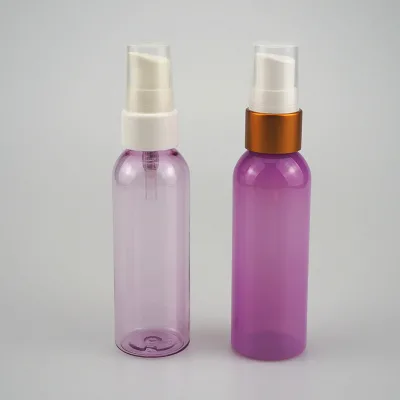
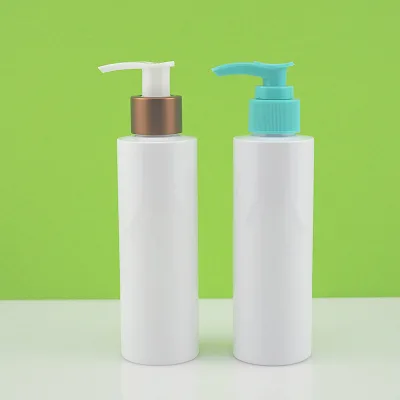
Listing signals indicate a broad spectrum of volume capacities, ranging from small formats under 30ml to larger containers up to 500ml, with common standards including 50g, 100g, and 100ml options. The market also features various top mechanisms such as spray pumps, lotion pumps, and screw caps, with specific spraying shapes like hollow cone available for certain models. Understanding these variations is crucial for selecting the right packaging solution, as the choice of material and closure directly impacts product preservation, user experience, and overall aesthetic appeal.
Technical Specifications to Verify
Verifying technical specifications is paramount to ensuring that the plastic toner bottles meet functional and aesthetic requirements. Buyers should confirm the body material, whether PET or PP, and assess the manufacturing technique, such as injection molding, which influences the structural integrity and surface finish of the bottle. It is essential to verify the installation type, particularly for internal threaded connections, to ensure compatibility with existing filling lines and closure systems. Additionally, the sealing type, such as pump sprayers, must be tested for leak resistance and consistent dispensing performance.
Capacity and standardization are also critical technical factors. While some suppliers offer customized volumes, others adhere to standard sizes like 10ml, 15ml, 20ml, and 30ml. Buyers must ensure that the selected bottle dimensions align with their product formulation and branding guidelines. Furthermore, the spraying shape, such as a hollow cone, should be evaluated for its suitability to the specific liquid viscosity and desired application pattern. Confirming these details with the supplier before placing an order helps prevent costly mismatches and ensures seamless integration into the production process.
Compliance and Safety Documentation
Compliance with international safety and environmental standards is non-negotiable for plastic toner bottles, especially those intended for cosmetics and personal care products. Buyers must request and verify certifications such as SGS, FDA, LFGB, SVHC, and REACH to ensure that the materials used are safe for human contact and do not contain harmful substances. These certifications provide assurance that the bottles meet rigorous health and environmental regulations, protecting both the brand and the end consumer from potential liabilities.
In addition to material safety, buyers should inquire about the supplier’s adherence to quality management systems, such as ISO9001:2015 and ISO14001:2015, which indicate a commitment to consistent quality and environmental responsibility. While these standards are not always explicitly listed in every product description, they are critical indicators of a supplier’s operational maturity. Verifying these documents during the qualification phase helps establish a foundation of trust and ensures that the supplier can maintain high standards throughout the production lifecycle.
Cost Drivers and Commercial Terms
Cost drivers for plastic toner bottles include material selection, customization complexity, and order volume. Suppliers often offer free samples, typically one to two pieces, to allow buyers to evaluate quality before committing to a larger order. However, the Minimum Order Quantity (MOQ) can vary significantly, ranging from 5,000 to 30,000 pieces, depending on the supplier and the level of customization required. Buyers should negotiate MOQs and pricing structures that align with their production forecasts to avoid excess inventory or supply shortages.
Commercial terms also encompass lead times and payment conditions. Typical lead times range from 10 to 30 working days after receiving the deposit, with some suppliers offering faster turnaround times for standard products. Buyers must factor in these lead times when planning their inventory and production schedules. Additionally, understanding the loading port, such as Ningbo or Shanghai, and the packaging method, whether in cartons, OPP bags, or shrink-wrapped pallets, is essential for calculating total landed costs and ensuring safe transit.
Supplier Qualification and Quality Control
Supplier qualification involves a thorough assessment of production capacity, quality control processes, and customer service capabilities. Buyers should verify the supplier’s daily production capacity, which can range from 50,000 pieces per day, to ensure they can meet large orders within the required timeframe. It is also important to inquire about the supplier’s quality control measures, including in-process inspections and final product testing, to minimize the risk of defects and ensure consistent product quality.
Customer service and after-sales support are equally critical components of supplier qualification. Suppliers that offer comprehensive services, including sample provision, OEM/ODM support, and after-sales assistance, demonstrate a commitment to long-term partnerships. Buyers should evaluate the supplier’s responsiveness and willingness to address issues promptly, as this can significantly impact the smooth execution of orders. Establishing clear communication channels and expectations from the outset helps build a robust and reliable supply chain.
Long-Term Procurement Checks
Long-term procurement checks focus on maintaining supplier performance and adapting to market changes. Buyers should conduct regular audits and performance reviews to ensure that suppliers continue to meet quality, compliance, and delivery standards. This includes monitoring any changes in material sourcing, production processes, or regulatory requirements that could impact product safety or availability. Proactive engagement with suppliers helps identify potential risks early and allows for timely adjustments to procurement strategies.
Additionally, buyers should stay informed about industry trends and technological advancements in plastic packaging. This includes exploring new materials, designs, and sustainability initiatives that could enhance product value and brand positioning. By maintaining a flexible and informed procurement approach, buyers can optimize their supply chain, reduce costs, and ensure that their plastic toner bottles remain competitive in the global market. Continuous evaluation and adaptation are key to sustaining long-term success in procurement.
FAQs
What materials are used for plastic toner bottles?
Plastic toner bottles are primarily made from PET and PP materials. These materials ensure durability and chemical resistance for various cosmetic and skincare applications. Customization is available to meet specific client requirements for different product types.
Can I get free samples before placing a large order?
Yes, free samples are available for most plastic toner bottle orders. Buyers can typically receive one to two pieces without charge to verify quality. This allows clients to test the product before committing to larger production runs with specific customization needs.
What is the minimum order quantity for these bottles?
The minimum order quantity varies significantly depending on the specific product model and customization level. Some listings require as few as 5,000 pieces, while others may demand up to 30,000 pieces. Buyers should confirm the exact MOQ with the supplier for their chosen design.
How long does it take to manufacture and ship the bottles?
Lead times generally range from 20 to 30 working days after receiving the deposit. Production capacity can reach up to 50,000 pieces daily for standard models. Shipping is typically arranged from ports like Ningbo or Shanghai to global destinations.
Which certifications do the plastic toner bottles hold?
The bottles often carry certifications such as SGS, FDA, LFGB, SVHC, and Reach. These ensure the products meet international safety and quality standards for cosmetics and personal care items. Buyers can request specific documentation to verify compliance for their target markets.
What printing methods are available for customizing the bottles?
Available printing methods include screen printing, offset printing, and hot stamping. These techniques allow for detailed branding and labeling on the bottle surface. Custom colors and designs can be applied to meet specific marketing requirements for different cosmetic or skincare products.
What types of pumps are compatible with these bottles?
Compatible pump types include spray pumps, lotion pumps, and screw caps. The bottles support various sealing types to ensure leak-proof performance for liquids like lotions and perfumes. Internal threaded connections are common for secure attachment of these dispensing mechanisms.