Source Plastic Tumbler for Chemical, Beverage, and Home Use
Compare 30 Plastic Tumbler options from verified Chinese suppliers. Buyers can evaluate customization, materials like PP, and features such as recyclability for chemical, beverage, and home applications. Explore various sizes, sealing types, and surface handling methods to find the perfect fit for your specific requirements.
Key considerations
Products List


Double Wall Plastic Tumblers with Lids and Straws Clear Acrylic Plastic Tumbler
$1.00 - $1.50
MOQ: 200 Pieces


Hot Sale Customized 24oz Plastic Cup Double Wall Plastic Tumbler with Straw
$1.10 - $1.25
MOQ: 1000 pieces


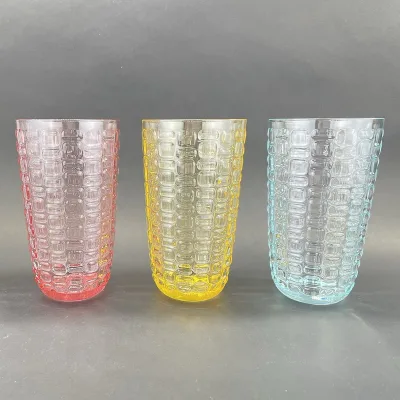


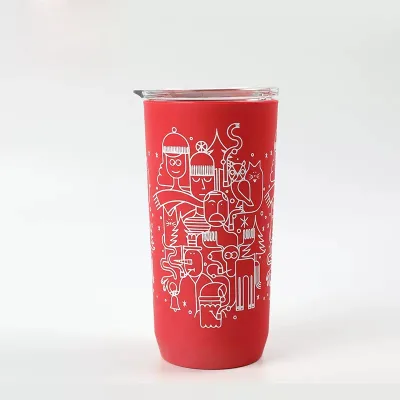
24oz Studded Tumbler with Lid and Straw Double Wall Plastic Travel Tumbler
$1.29 - $1.45
MOQ: 40 Pieces




Comprehensive Sourcing Guide
Plastic Tumbler Sourcing Guide
Sourcing plastic tumblers requires a clear understanding of the diverse material compositions and functional designs available in the global market. Buyers must distinguish between products intended for single-use applications and those designed for durable, repeated use in commercial settings. The observed product landscape includes items made from polypropylene (PP) and other plastics, ranging from simple round cups to more complex designs featuring handles or double-wall insulation. Understanding these distinctions is critical for aligning procurement with specific brand positioning and end-user expectations.
Procurement teams should also evaluate the sealing and packaging mechanisms that accompany these containers. Listings indicate a variety of sealing types, including pump sprayers for personal care applications and easy-open ends for beverage containers. Packaging methods vary significantly, with some items shipped in individual polybags while others are consolidated in cartons or combined with outer boxes. These logistical details directly impact storage efficiency, shipping costs, and the final presentation of the product to the consumer, making them essential factors in the initial supplier evaluation process.
Product Scope and Observed Listing Signals
The current market signals reveal a wide spectrum of Plastic Tumbler configurations tailored to different industries. Observed listings include models specifically designated for chemical and personal care applications, featuring wide-mouthed bottles equipped with pump sprayers. In contrast, other segments focus on beverage distribution, utilizing narrow-mouth bottles with easy-open ends. This divergence highlights the importance of verifying the intended application early in the sourcing process, as the structural integrity and material compatibility requirements differ substantially between personal care packaging and food-grade beverage containers.
Visual and aesthetic customization is another prominent signal in the current supply base. Many suppliers offer extensive customization options, including screen printing for surface handling and customized logo placement. Products are available in various colors, from unicolor designs to printed fancy finishes, catering to diverse branding needs. Additionally, features such as double-wall construction for health care and leak-proof capabilities suggest a market segment focused on premium, reusable drinkware. Buyers must carefully review these aesthetic and functional attributes to ensure they match their target demographic’s preferences and usage scenarios.
Technical Specifications to Verify
Dimensional accuracy and volume capacity are primary technical specifications that require rigorous verification. Standard sizes observed in the market include dimensions such as 15.0×7.0cm, 26.0×8.0cm, and 21.5×7.0cm, alongside specific volume capacities like 400ml and 12 oz. Buyers must confirm that the selected tumbler dimensions align with their packaging machinery and shelf-space requirements. Furthermore, the distinction between wide-mouthed and narrow-mouthed bottles dictates the type of lid or sealing mechanism that can be effectively utilized, influencing both user experience and product safety.
Material composition and structural features also demand close attention during the specification phase. Polypropylene (PP) is a commonly cited material, offering durability and heat resistance suitable for various applications. However, buyers should verify whether the plastic type meets specific regulatory standards for food contact or chemical resistance. Additional features, such as the inclusion of handles or covers, add complexity to the design and may affect the molding process. Ensuring that the tumbler’s structural integrity supports its intended use, whether disposable or reusable, is essential for preventing product failure in the field.
Compliance and Safety Documentation
Regulatory compliance is a non-negotiable aspect of sourcing plastic tumblers, particularly those intended for food and beverage applications. Buyers must request documentation confirming that the materials used are free from harmful substances and meet local safety standards. For instance, some listings mention the absence of ethylene oxide sterilization, which is relevant for products requiring specific hygiene protocols. Understanding the sterilization and cleaning processes employed by the supplier helps ensure that the final product is safe for consumer use and complies with health regulations in the target market.
Certification status provides additional assurance regarding the quality and safety of the sourcing partner. Some suppliers hold certifications such as QS, which may indicate adherence to specific quality management systems or industry standards. Buyers should verify the validity and scope of these certifications to ensure they cover the specific products being procured. Additionally, documentation regarding the recyclability of the plastic material is increasingly important for brands aiming to meet sustainability goals. Confirming that the tumblers are recyclable and properly labeled can enhance brand reputation and comply with evolving environmental regulations.
Cost Drivers and Commercial Terms
Pricing for plastic tumblers is influenced by several key factors, including material costs, customization complexity, and order volume. The observed price range varies significantly, reflecting differences in design intricacy and production scale. Buyers should anticipate that customized features, such as screen printing or unique shapes, may incur additional tooling or setup fees. Understanding the cost structure helps in negotiating favorable terms and budgeting accurately for large-scale procurement projects. It is also important to consider the total cost of ownership, including shipping and handling, which can be affected by the packaging method chosen.
Minimum Order Quantities (MOQs) and payment terms are critical commercial considerations that impact cash flow and inventory management. MOQs can range widely, from small batches suitable for testing to large volumes for mass production. Buyers must align their order quantities with their sales forecasts to avoid excess inventory or stockouts. Additionally, negotiating flexible payment terms and clear delivery schedules can mitigate supply chain risks. Suppliers may offer different packing options, such as polybags or cartons, which can affect the MOQ and overall logistics costs, so these details should be clarified during the contract negotiation phase.
Supplier Qualification and Quality Control
Evaluating supplier qualifications is essential to ensure consistent product quality and reliable delivery. Buyers should assess the supplier’s manufacturing capabilities, including their experience with plastic molding and surface finishing techniques like screen printing. Verifying the supplier’s ability to handle customization requests, such as logo printing and color matching, is crucial for maintaining brand consistency. Additionally, checking the supplier’s production capacity and lead times helps in planning procurement schedules and avoiding delays that could disrupt supply chains.
Quality control processes must be robust to minimize defects and ensure product safety. Buyers should inquire about the supplier’s internal quality assurance protocols, including inspection stages during production and final packaging. Requesting samples before placing large orders allows for a thorough evaluation of the tumbler’s physical attributes, such as durability, seal integrity, and print quality. Establishing clear quality standards and acceptance criteria in the contract ensures that both parties have a shared understanding of what constitutes a acceptable product, reducing the risk of disputes and returns.
Long-Term Procurement Checks
Building a sustainable supply chain requires ongoing monitoring of supplier performance and market trends. Buyers should regularly review supplier metrics, such as on-time delivery rates, defect rates, and responsiveness to issues. Establishing a long-term partnership with a reliable supplier can lead to better pricing, priority production slots, and improved collaboration on new product development. Continuous engagement with the supplier helps in staying informed about advancements in plastic technology and manufacturing processes that could benefit the procurement strategy.
Adapting to changing consumer preferences and regulatory landscapes is vital for long-term success. Buyers must stay updated on emerging trends in sustainable packaging and recyclability, as these factors increasingly influence purchasing decisions. Regularly reassessing the product portfolio to ensure it aligns with market demands and compliance requirements helps in maintaining competitiveness. By proactively addressing potential risks and opportunities, procurement teams can ensure that their Plastic Tumbler sourcing strategy remains resilient and effective in the face of evolving market conditions.
FAQs
What customization options are available for plastic tumblers?
Customization is available for these plastic tumblers, allowing buyers to request specific designs. Products can feature customized logos and printed fancy finishes. The standard sizes vary, including dimensions like 15.0 by 7.0 cm or 26.0 by 8.0 cm. Buyers can also select from various colors and shapes to match their branding needs.
Which materials are used to manufacture these plastic tumblers?
The primary material used for these tumblers is plastic, specifically PP plastic type. These items are designed for applications in chemical and personal care sectors as well as for beverages. The products are recyclable and can be either disposable or non-disposable depending on the specific model selected by the buyer.
Can I find plastic tumblers with specific sealing types?
Yes, various sealing types are available, including pump sprayers and easy open ends. Some models feature wide mouthed bottles while others have narrow mouth bottles. These tumblers often come with accessories like handles or covers and are suitable for home or hotel usage scenarios requiring secure containment.
What is the minimum order quantity for Plastic Tumbler orders?
The minimum order quantity can be as low as 100 units for certain models. However, observed MOQ ranges extend up to 49,999 units depending on the specific product configuration. Buyers should verify the exact MOQ for their chosen model, as it varies significantly across the different Plastic Tumbler listings available.
How are these plastic tumblers packaged for shipment?
Packaging options include OPP bags combined with boxes or individual polybag packing for each unit. Some larger orders may utilize carton packaging for better protection during transit. The specific packing method depends on the product model and the requirements agreed upon between the buyer and the supplier.
Are these plastic tumblers suitable for adult use?
Yes, these plastic tumblers are explicitly designed for the adult age group. They are unisex and feature styles ranging from simple to sport designs. The products are intended for general usage in homes and hotels, offering features like double walls and leak-proof capabilities for daily consumption needs.
What certifications do these plastic tumblers hold?
Some of the Plastic Tumbler models listed hold QS certification, indicating compliance with specific quality standards. These products are manufactured in China and undergo surface handling processes like screen printing. Buyers should confirm specific certification details for each model to ensure they meet their regulatory requirements.