Source Plated Awards Trophy Cup for Sports, Events, and Gifts
Compare 24 Plated Awards Trophy Cup options from Ningbo and Zhejiang suppliers. Buyers can review models like HB4127-1 and LSGT-062 with plastic or glass bases, gold or silver finishes, and customization for sports activities, souvenirs, and business gifts; compare the available evidence and request quotations based on your requirements.
Key considerations
Products List


Promotional Customized Cup with Ribbons Award Sports Event School Competitions Metal Trophy
$4.10 - $5.00
MOQ: 300 Pieces






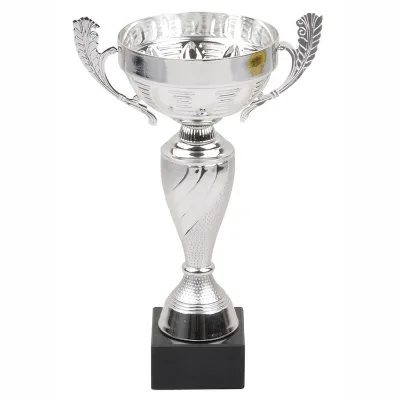
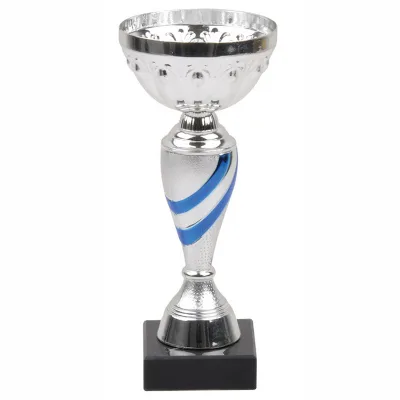
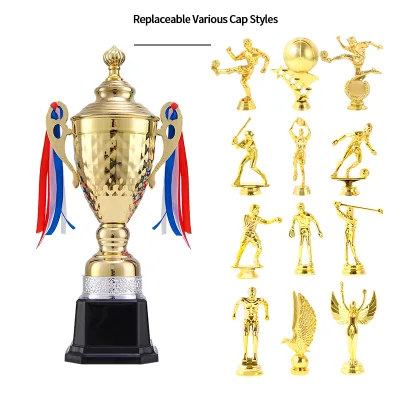

Comprehensive Sourcing Guide
Plated Awards Trophy Cup Sourcing Guide
Sourcing plated awards and trophy cups requires a strategic balance between aesthetic appeal, structural integrity, and cost efficiency. Buyers must navigate a market where materials range from durable plastics to premium glass and metal, each offering distinct visual and functional benefits. The core keyword highlights the importance of surface finishing, specifically electroplating, which serves as the primary differentiator in perceived value. Understanding the interplay between base material and plating thickness is essential for ensuring that the final product meets both branding standards and durability expectations for long-term display.
Procurement teams should also consider the customization capabilities of suppliers, as most modern trophy manufacturing allows for significant personalization. From logo application techniques like sandblasting and laser engraving to specific color options such as gold, silver, or bronze, the ability to tailor the award is a critical factor. This guide outlines the key technical, commercial, and quality assurance steps necessary to secure high-quality plated trophies that align with organizational goals, whether for sports events, corporate recognition, or souvenir distribution.
Product Scope and Observed Listing Signals
The current market for plated awards includes a diverse array of products, primarily categorized by their base material and intended usage. Observed listings indicate a strong presence of plastic-based trophies with golden or silver finishes, often used for sports activities, souvenirs, and business gifts. These items typically feature simple styles and irregular shapes, manufactured using molding techniques to achieve cost-effective production volumes. The availability of customization options suggests that buyers can request specific modifications to suit unique event themes or corporate branding requirements, enhancing the relevance of the award for the recipient.
In addition to plastic options, there is a notable segment of glass and crystal trophies that offer a more premium aesthetic. These products often utilize techniques such as sandblasting, 3D laser engraving, and printing to apply logos and designs, providing a sophisticated look suitable for high-level achievements like world cup replicas or academic awards. The observed price range and minimum order quantities vary significantly, reflecting the differences in material costs and production complexity. Buyers should carefully evaluate these signals to determine which product tier aligns with their budget and quality expectations, ensuring that the selected trophies meet the desired standard of presentation.
Technical Specifications to Verify
When evaluating technical specifications, buyers must prioritize the verification of base material composition and plating quality. For plastic trophies, it is crucial to confirm the type of plastic used and the thickness of the electroplated layer, as this directly impacts durability and visual appeal. In the case of glass or crystal trophies, the clarity of the material and the precision of the engraving or printing techniques should be assessed. Specifications such as cup diameter and overall size should be clearly defined, as these dimensions affect the trophy’s presence on a display shelf or podium.
Additionally, the method of logo application is a critical technical detail that influences both aesthetics and longevity. Techniques like sandblasting, 3D laser engraving, and printing each offer different levels of detail and wear resistance. Buyers should request samples to verify the quality of these applications, ensuring that the logo remains legible and intact over time. The choice of plating, whether gold, silver, nickel, brass, or copper, should also be confirmed, as this affects the color consistency and resistance to tarnishing. Clear communication of these technical details with the supplier is essential to avoid discrepancies between the ordered product and the final delivery.
Compliance and Safety Documentation
Compliance and safety documentation are vital for ensuring that plated trophies meet international trade and safety standards. Buyers should verify that the products comply with relevant chemical regulations, particularly regarding the materials used in plating and any adhesives or coatings applied during manufacturing. For plastic trophies, it is important to confirm that the materials are free from harmful substances such as lead or phthalates, especially if the awards are intended for children or educational institutions. The HS code classification, such as 39264000000 for plastic articles, should be accurately documented to facilitate smooth customs clearance and avoid potential delays or penalties.
Furthermore, buyers should request certificates of conformity or material safety data sheets from the supplier to ensure that the products meet the required safety standards in the destination market. This is particularly important for trophies intended for use in schools or public events, where safety regulations may be stricter. By obtaining and reviewing these documents, procurement teams can mitigate risks associated with non-compliance and ensure that the trophies are safe for end-users. Maintaining a comprehensive record of these certifications is also beneficial for future audits and quality assurance processes.
Cost Drivers and Commercial Terms
Cost drivers for plated awards include the choice of base material, the complexity of the design, and the volume of the order. Plastic trophies with simple molding and electroplating are generally more cost-effective, making them suitable for large-scale events with tight budgets. In contrast, glass or crystal trophies with intricate engraving and premium plating options will incur higher costs due to the more labor-intensive production processes. Buyers should also consider the impact of customization on pricing, as specific logo applications or unique shapes may require additional setup fees or higher unit costs.
Commercial terms such as payment methods, shipping options, and lead times are equally important in the procurement process. Suppliers typically offer flexible payment options like T/T, Western Union, or PayPal, allowing buyers to choose the most convenient method for their financial operations. Shipping can be arranged by air, sea, or courier, depending on the urgency and size of the order. Lead times, which may include a sample production period of around seven days, should be clearly agreed upon to ensure timely delivery for the event. Understanding these commercial terms helps buyers plan their budgets and logistics more effectively, avoiding unexpected costs or delays.
Supplier Qualification and Quality Control
Supplier qualification is a critical step in ensuring the reliability and quality of plated awards. Buyers should assess the supplier’s production experience, with many reputable manufacturers boasting over a decade of expertise in trophy manufacturing. This experience often translates to better quality control processes and a deeper understanding of customer requirements. It is also important to verify the supplier’s ability to handle customization requests, as this indicates their flexibility and commitment to meeting specific buyer needs. A supplier with a strong track record in producing trophies for various industries, from sports to corporate events, is likely to deliver consistent quality.
Quality control measures should be clearly defined and agreed upon before placing an order. This includes establishing inspection criteria for plating quality, logo application, and overall finish. Buyers may request pre-shipment inspections or third-party quality assurance services to verify that the products meet the specified standards. Additionally, understanding the supplier’s sample production process is essential, as samples provide a tangible reference for the final product. By implementing robust quality control protocols, buyers can minimize the risk of receiving defective or substandard trophies, ensuring that their investment yields the desired results.
Long-Term Procurement Checks
Long-term procurement checks involve establishing ongoing relationships with suppliers to ensure consistent quality and service. Regular communication and feedback loops are essential for identifying areas of improvement and addressing any issues that arise during production. Buyers should also monitor market trends and technological advancements in trophy manufacturing to stay informed about new materials, finishes, and customization options. This proactive approach allows procurement teams to make informed decisions and adapt to changing requirements, ensuring that the trophies remain relevant and impactful for future events.
Additionally, maintaining a comprehensive supplier database with detailed records of past orders, performance metrics, and compliance documentation is crucial for efficient procurement management. This database serves as a valuable resource for evaluating supplier performance and making informed decisions about future partnerships. By continuously assessing supplier capabilities and market conditions, buyers can optimize their sourcing strategies and achieve better value for their investment. Long-term procurement checks also help in building a resilient supply chain, reducing the risk of disruptions and ensuring the timely delivery of high-quality plated awards.
FAQs
What customization options are available for these trophies?
Customization is available for these trophies, allowing buyers to request specific designs. The products support techniques like sandblasting, 3D laser engraving, and printing. Buyers can choose from various base colors including golden, silver, or bronze to match their event needs.
Which materials are used to manufacture these award cups?
These award cups are primarily manufactured using plastic or glass materials depending on the specific model. Some versions feature a plastic base with electroplating for a metallic finish. The main colors available include gold, silver, and bronze to suit different aesthetic preferences.
How can I find suppliers with specific product models?
You can find suppliers offering specific product models such as HB4127-1 or LSGT-062. These models vary in size and shape, with some featuring irregular designs. Buyers should verify the exact model number to ensure it matches their required specifications for the event.
What is the typical lead time for sample production?
The typical lead time for sample production is seven days. This allows buyers to review the quality and design before placing a larger order. Factories with twelve years of production experience can often meet this timeline efficiently for custom requests.
Can these trophies be used for sports events and souvenirs?
Yes, these trophies are suitable for sports activities, events, and souvenirs. They are also designed for business gifts, home decoration, and art collections. The simple or natural styles make them versatile for various occasions ranging from the World Cup to local competitions.
What payment methods are accepted for these orders?
Accepted payment methods include T/T, Western Union, and Paypal. These options provide flexibility for international buyers sourcing from Ningbo Yuyao or Zhejiang, China. Buyers should confirm the specific payment terms with the supplier before finalizing the transaction for their order.