Source Pneumatic Paint Filling Machine for beverage, oil, and chemical use
Find 30 pneumatic paint filling machines from verified suppliers in Guangdong, China. Compare specifications like filling accuracy, speed, and automatic grade for applications in beverage, oil, and chemical industries.
Key considerations
Products List
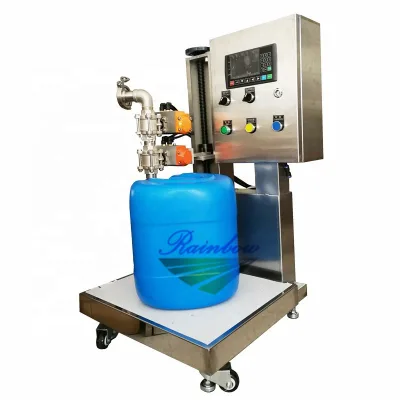
Factory Price 25 Liter Weighing Type Pneumatic Oil Paint Filling Machine
$1627.39 - $1932.53
MOQ: 1 sets


1L-40L Semi Automatic Pneumatic Liquid Filling Machine for Paint Coating Oil Chemical
$4050.00 - $4250.00
MOQ: 1 Pieces


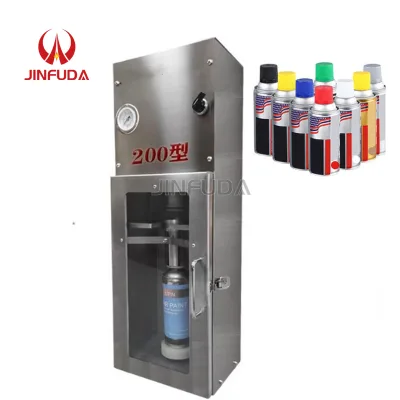


Customizable Automatic Pneumatic High Speed Durable Filling Machine with Sealing
$53000.00 - $103000.00
MOQ: 1 Sets

Automatic Liquid Filling Machine for Painting or Color Paint Coating Pail
$7700.00 - $8000.00
MOQ: 1 Pieces


Pneumatic Solvent Paints Filter Filling Machine with Capping Machine (3 in 1)
$1940.00 - $2000.00
MOQ: 1 Pieces


1-10L Semi-Automatic Varnish Filling Equipment, Paint Filling Machine
$7500.00 - $8000.00
MOQ: 5 units

4 Heads Automatic Paint Liquid Filling Machine for Thick Liquid 1-1ol
$60000.00 - $75000.00
MOQ: 5 units


Advanced High-Precision Liquid Filling Machines for Oils and Chemicals Paint Filling Machine
$2000.00 - $10000.00
MOQ: 1 Pieces

10-30L Fully Automatic Capping and Cleaning Paint Can Filling Machine
$2000.00 - $15000.00
MOQ: 1 Pieces


Comprehensive Sourcing Guide
Strategic Sourcing Guide for Pneumatic Paint Filling Machines
The global demand for precision liquid handling equipment has elevated the importance of pneumatic paint filling machines in industrial manufacturing. These machines are critical for maintaining consistency in the production of coatings, lubricants, and chemical commodities. For procurement professionals, navigating the market requires a disciplined approach that distinguishes between verified product attributes and general market assumptions. This guide synthesizes available technical data and operational facts to provide a robust framework for sourcing decisions, ensuring that buyers can evaluate suppliers based on concrete evidence rather than marketing speculation.
Technical Architecture and Operational Specifications
Understanding the mechanical and pneumatic architecture of a filling machine is the first step in any procurement process. The core of these systems typically relies on a pneumatic drive mechanism, which offers distinct advantages in environments where electrical sparks must be minimized or where variable speed control is required. Based on observed product data, the standard power consumption for such units is approximately 0.3kW, operating on a 220V/50HZ electrical supply. This low power requirement suggests suitability for facilities with limited electrical capacity or those looking to optimize energy efficiency.
The structural integrity of the machine is paramount, particularly when handling corrosive or abrasive materials like paint. The primary construction material identified in high-confidence data is stainless steel, which provides necessary resistance to chemical degradation and facilitates easy cleaning. The machine's physical footprint is a critical logistical consideration; a typical dimension for a 25-liter weighing type unit is recorded as 605293CM. Buyers must verify if these dimensions align with their facility's floor space constraints before finalizing a purchase.
Performance metrics vary significantly based on the specific configuration. The filling speed for bucket-based operations is observed in the range of 4-7 buckets per minute. However, for can-based applications, production speeds can reach 45-60 cans per minute. This discrepancy highlights the importance of defining the exact packaging format—whether it involves cans, bottles, barrels, or pouches—during the initial inquiry. The filling accuracy is a critical quality indicator, with observed ranges falling between 1% and 3%. For high-precision applications, buyers should specifically request data on the 1% accuracy threshold, as this often depends on the calibration of the dosing device, which in some models utilizes a capacity cup mechanism.
Application Versatility and Material Compatibility
The versatility of pneumatic filling machines allows them to serve a broad spectrum of industries beyond just paint. The observed application data lists Beverage, Commodity, Chemical, and Paint as primary use cases. This multi-industry capability is driven by the machine's ability to handle various filling materials, including milk, oil, and paint. The filling principle employed is typically pressure-based, which ensures consistent flow rates regardless of the fluid's viscosity.
The machine's adaptability extends to the packaging materials it can handle. Data indicates compatibility with Plastic, Paper, Metal, and Glass packaging types. Furthermore, the filling range is extensive, capable of handling volumes from 0.5kg up to 50kg. This wide range makes the equipment suitable for both small-scale artisanal production and large-scale industrial bottling. The bucket height capacity is another crucial specification; standard units support a maximum height of 600mm, though customization is frequently available to accommodate larger containers.
When evaluating the machine for specific applications, buyers must consider the valve configuration. The standard setup often includes a 5-way valve and a multi-head filling valve structure. This multi-head design is essential for achieving higher throughput without compromising accuracy. The feeding cylinder structure is also a point of differentiation, with some models featuring a multi-room feeding system to ensure smooth material flow. For aerosol applications, the machine is designed to handle spray gas, requiring specific sealing and pressure controls that differ from standard liquid filling.
Compliance, Certification, and Safety Standards
In the realm of industrial machinery, compliance with safety and quality standards is non-negotiable. While specific certification statuses like CE are often discussed in the broader market, buyers must treat such claims with caution unless explicitly verified by the supplier for the specific model in question. The absence of a machinery test report in some product listings indicates that buyers should not assume a unit has undergone third-party validation unless documentation is provided.
Instead of relying on generic certification claims, procurement teams should focus on verifying the machine's operational safety features. The noise control level is a specific metric where data is available, with some units operating at less than 80 dB. This is a critical factor for worker health and compliance with occupational safety regulations in manufacturing plants. Buyers should request sound level test results for the specific model they are considering, as noise levels can vary based on the motor and pneumatic system configuration.
Furthermore, the warranty period serves as a proxy for the manufacturer's confidence in their product. A standard warranty of 1 Year is observed in the market data. This coverage typically includes the motor and other core components. However, buyers must clarify the scope of this warranty, specifically whether it covers labor costs for on-site repairs or if it is limited to parts replacement. The availability of video technical support is a significant value-add, allowing remote troubleshooting that can minimize downtime. For more complex issues, the option for engineers to provide online support is another layer of security that should be confirmed during the negotiation phase.
Cost Drivers and Economic Factors
The pricing of pneumatic paint filling machines is influenced by a complex array of factors, including automation level, material quality, and production capacity. The observed price range in the market is vast, spanning from $202 to $103,000. This extreme variance reflects the difference between basic semi-automatic units and fully automatic, high-speed systems with advanced customization. A machine priced at the lower end of the spectrum likely features a semi-automatic grade, whereas the higher price points correspond to fully automatic models with linear structures and advanced control systems.
The automatic grade of the machine is a primary cost driver. While some units are classified as semi-automatic, others are fully automatic, offering advantages such as easier control and operation. The fully automatic models often command a premium due to the integration of complex electronic controls and the ability to operate with minimal human intervention. Buyers must balance the initial capital expenditure against the long-term operational savings provided by higher automation levels.
Minimum Order Quantity (MOQ) is another economic factor to consider. The observed MOQ range is between 1 and 10 units. For small businesses or pilot projects, an MOQ of 1 allows for the acquisition of a single unit to test performance before scaling up. However, larger orders may unlock volume discounts or more favorable shipping terms. The selling unit is typically listed as a single item, meaning that the price quoted is for the complete machine rather than a component kit. Buyers should also account for the cost of customization, as options like adjustable bucket heights or specific filling ranges may incur additional charges.
Supplier Evaluation and After-Sales Support
Selecting the right supplier is as critical as selecting the right machine. The supplier's location, in this case, Guangdong, China, is a known hub for manufacturing, but buyers should not assume all suppliers from this region offer the same level of quality. The brand name "Rainbow Pack" is observed in the market, but buyers should not limit their search to a single brand. Instead, they should evaluate suppliers based on their track record, technical capabilities, and after-sales service offerings.
After-sales service is a vital component of the procurement decision. The market data highlights two primary forms of support: video technical support and engineers on line support. These services are essential for resolving operational issues quickly without the need for costly international travel. Buyers should verify the availability of these services in their local time zone and confirm the response time guarantees. The availability of a machinery test report is another indicator of supplier transparency. If a report is not available, the buyer should request a video demonstration of the machine in operation to verify its performance claims.
The customization capabilities of the supplier are also a key evaluation metric. The ability to customize the packaging container lifting structure, such as using a pneumatic lifting system, can significantly enhance the efficiency of the production line. Suppliers that offer flexible customization options are better positioned to meet the unique needs of different clients. Buyers should inquire about the lead time for custom orders and the process for implementing design changes.
Quality Control and Long-Term Procurement Strategy
Implementing a robust quality control strategy is essential for ensuring the longevity and reliability of the pneumatic filling machine. The filling accuracy, typically ranging from 1% to 3%, must be verified through regular testing. Buyers should establish a protocol for periodic calibration checks to maintain this accuracy over time. The use of high-quality core components, such as the motor, is critical for sustained performance. A warranty of 1 Year provides a baseline for quality, but buyers should consider the availability of spare parts for the long term.
The production speed of the machine, which can vary from 100 to 4000 bottles per hour depending on the model, should be matched to the facility's output requirements. Over-specifying the machine can lead to unnecessary costs, while under-specifying can create bottlenecks. The machinery capacity data shows a wide range of options, allowing buyers to select a unit that aligns with their current production volume and future growth plans.
Long-term procurement considerations also include the maintenance requirements of the machine. The pneumatic system requires regular inspection of valves and cylinders to prevent leaks and ensure consistent performance. The linear structure of the machine should be checked for alignment and wear. By maintaining a proactive maintenance schedule, buyers can extend the lifespan of the equipment and avoid costly downtime. The ability to customize the machine for specific needs, such as adjusting the filling range or changing the valve configuration, adds to its long-term value by allowing the equipment to adapt to changing product lines.
Comparative Analysis of Machine Configurations
To assist buyers in making informed decisions, the following table summarizes the key differences between observed machine configurations. This comparison highlights the trade-offs between automation levels, speeds, and structural designs.
| Feature | Semi-Automatic Configuration | Fully Automatic Configuration |
|---|---|---|
| Automatic Grade | Semi-Automatic | Fully Automatic |
| Filling Speed | 4-7 buckets/min | 45-60 cans/min (or higher) |
| Structure | Linear | Linear |
| Control | Manual/Basic | Easy to Control, Advanced |
| Key Advantage | Lower Initial Cost | High Efficiency, Low Labor |
| Typical Application | Small batches, Custom orders | High volume, Continuous production |
| Valve Head | Multi-Head | Multi-Head |
| Power | 0.3kw | 0.3kw |
This table illustrates that while power consumption remains consistent, the automation level and speed differ significantly. The fully automatic configuration is ideal for high-volume production environments where labor costs and throughput are primary concerns. In contrast, the semi-automatic model offers flexibility for smaller operations or those with variable product lines.
Final Procurement Recommendations
In conclusion, sourcing a Pneumatic Paint Filling Machine requires a meticulous evaluation of technical specifications, supplier capabilities, and long-term operational needs. Buyers must move beyond generic marketing claims and focus on verified data points such as filling accuracy, noise levels, and warranty terms. The wide range of available configurations, from semi-automatic to fully automatic, offers solutions for diverse production requirements. By prioritizing suppliers who provide transparent documentation, robust after-sales support, and flexible customization options, buyers can secure equipment that delivers consistent performance and value. The key to successful procurement lies in aligning the machine's capabilities with the specific demands of the production line, ensuring that the investment yields maximum efficiency and reliability over its operational lifespan.
FAQs
What is the filling accuracy of this machine?
The filling accuracy ranges from 1% to 3% depending on the specific model configuration. Buyers seeking high precision should verify if the unit meets the 1% threshold through calibration checks.
Can the machine handle different packaging materials?
Yes, the machine supports Plastic, Paper, Metal, and Glass packaging materials. It is versatile enough to handle various formats including cans, bottles, barrels, and pouches for different industries.
What is the maximum bucket height the machine supports?
Standard units support a maximum bucket height of 600mm. Customization is available to accommodate larger containers if the standard height does not meet your specific production requirements.
How fast can the machine fill buckets per minute?
The filling speed for bucket operations is observed between 4 and 7 buckets per minute. For can-based applications, production speeds can reach significantly higher rates up to 60 cans per minute.
What warranty period is provided for the machine?
A standard warranty of 1 Year is provided for the machine and its core components. Buyers should confirm if this covers parts replacement or includes labor costs for on-site repairs.
Is video technical support available for troubleshooting?
Yes, video technical support is provided as part of the after-sales service. This allows for remote troubleshooting to minimize downtime without the need for immediate international travel.
What is the power consumption of the machine?
The machine typically consumes 0.3kW of power and operates on a 220V/50HZ electrical supply. This low power requirement makes it suitable for facilities with limited electrical capacity.