Source Universal Foot Pedal Tire Changer for Cars, Motorcycles, Bicycles
Explore 30 verified listings for the Universal Foot Pedal Tire Changer designed for cars, motorcycles, and bicycles. Compare specifications like voltage, weight, and balancing types to find the right equipment for your workshop needs; compare the available evidence and request quotations based on your requirements.
Key considerations
Products List

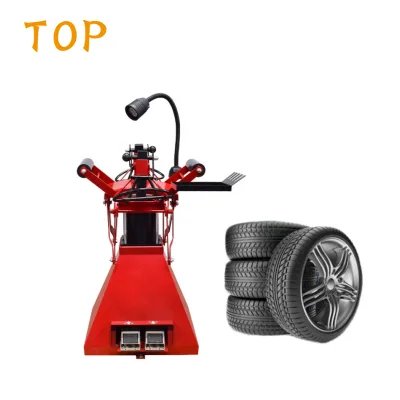
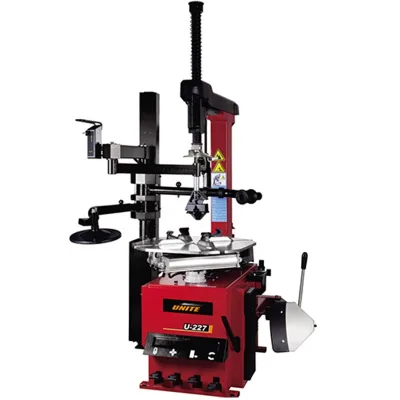
High Quality Steel Material Foot Pedal Automatic Tire Changer for Sale
$777.00 - $817.00
MOQ: 1 Pieces

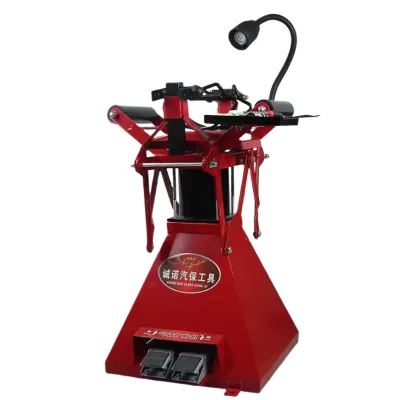
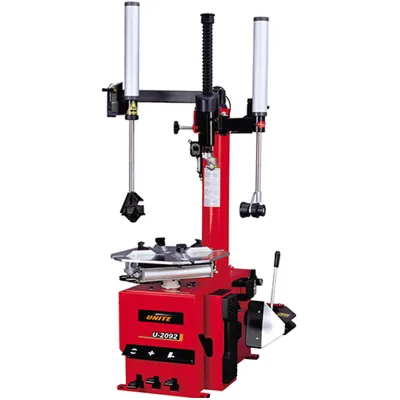
Standard Accessories Automobile Repair Equipment Motorcycle Tire Changer
$520.00 - $560.00
MOQ: 1 Pieces


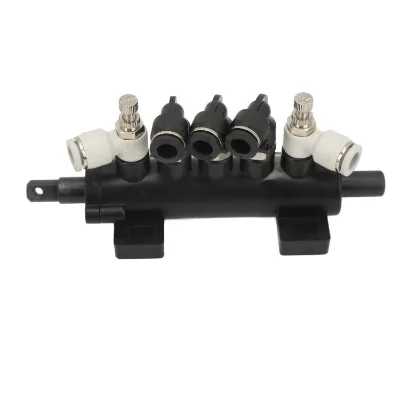
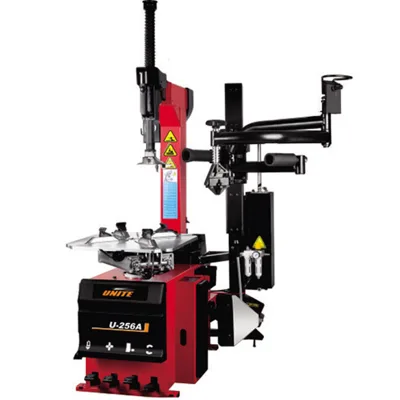
High Quality Steel Material Foot Pedal Automatic Tire Changer for Sale
$777.00 - $817.00
MOQ: 1 Pieces

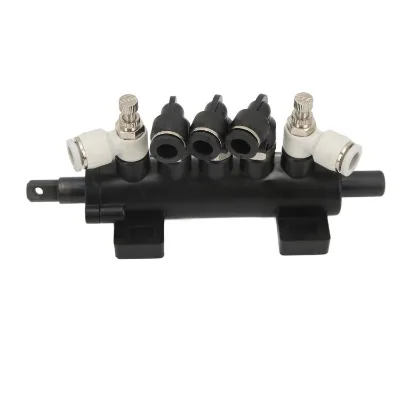
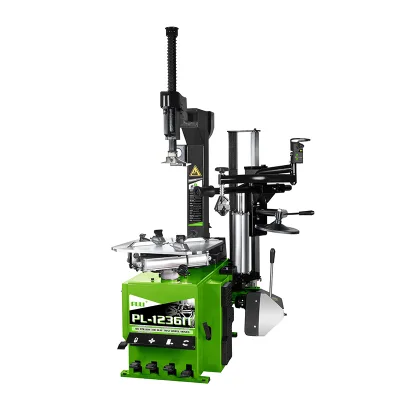
High Precision Steel Material Foot Pedal Automatic Tire Changer for Sale
$777.00 - $817.00
MOQ: 1 Pieces





Comprehensive Sourcing Guide
Universal Foot Pedal Tire Changer Sourcing Guide
Sourcing a Universal Foot Pedal Tire Changer requires careful evaluation of mechanical design, power source compatibility, and operational safety features. This category of equipment is essential for automotive and motorcycle service centers that need versatile tire mounting and demounting capabilities without relying on fully automated systems. Buyers must distinguish between pneumatic and electric models, as the power source dictates installation requirements and maintenance protocols. The foot pedal mechanism offers precise control over the clamping and rotating functions, allowing technicians to manage delicate rims and tires with greater accuracy than purely manual levers. Understanding the specific operational range of the machine is critical for ensuring it meets the daily throughput demands of your workshop.
When evaluating suppliers, focus on the structural integrity and material quality of the turntable and clamping arms. The observed market includes models with varying turntable rotation speeds and rim clamp ranges, which directly impact the types of wheels you can service. It is vital to verify the maximum wheel diameter and tire width specifications to ensure the machine can handle the full spectrum of vehicles in your inventory, from compact motorcycles to large SUVs. Additionally, consider the net and gross weights of the unit, as heavier machines often provide better stability during high-torque operations, reducing vibration and wear on the equipment over time.
Product Scope and Observed Listing Signals
The current market for universal tire changers presents a diverse range of models, with observed prices spanning from $1 to $6,500 USD. This wide variance reflects differences in automation levels, power sources, and build quality. Minimum order quantities (MOQ) typically range from 1 to 50 units, offering flexibility for both individual workshops and large distributor networks. Buyers should note that while some listings offer basic manual or semi-automatic units, others provide advanced features such as dynamic balance integration and automatic calibration procedures. These signals indicate a mature supply chain with options for various budget tiers and operational needs.
Key attributes observed in listings include CE and ISO certifications, indicating adherence to international safety and quality standards. Most units are new, electric or pneumatic, and feature vertical or horizontal structures depending on the specific model. The presence of customization options suggests that suppliers can tailor certain features to meet specific regional or operational requirements. Buyers should pay close attention to the working pressure requirements, which generally fall between 8-10 bar, and ensure their workshop’s air compressor system can support these demands. The automatic nature of many modern units reduces operator fatigue and improves consistency in tire mounting operations.
Technical Specifications to Verify
Verifying technical specifications is crucial to ensure the tire changer meets your operational requirements. Key parameters to check include the maximum wheel diameter, which can range from 970mm to 1040mm depending on the model. The tire width compatibility, typically between 3-10 inches or 3-14 inches, determines the versatility of the machine for different vehicle types. Rim clamp ranges, both from the outside (8-20 inches) and inside (13-24 inches), must align with the wheel sizes you frequently service. These dimensions directly impact the machine’s ability to handle various rim profiles without causing damage to the tire or wheel.
Power source and voltage specifications are equally important. Units may operate on 110/220/380V electric power or pneumatic systems, with power ratings around 0.75/1.1kw for electric models. The turntable rotation speed, often observed at 7rpm, affects the efficiency of the mounting process. Additionally, the working noise level, typically under 70db(A), contributes to a safer and more comfortable working environment. Buyers should also consider the machine’s dimensions and packing size, which influence installation space and shipping costs. Ensuring these specifications match your workshop’s infrastructure is essential for seamless integration.
Compliance and Safety Documentation
Compliance with safety standards is non-negotiable when sourcing industrial equipment. Buyers must verify that the tire changer holds relevant certifications, such as CE and ISO, which indicate conformity with European and international safety regulations. These certifications ensure that the machine has undergone rigorous testing for electrical safety, mechanical stability, and operational hazards. Documentation should include detailed user manuals, safety warnings, and maintenance guidelines. Without proper certification, the equipment may pose significant risks to operators and could lead to legal liabilities in case of accidents or workplace injuries.
In addition to certifications, buyers should request detailed safety feature descriptions. Look for machines with automatic shut-off mechanisms, emergency stop buttons, and protective guards around moving parts. The working pressure specifications, typically 8-10 bar, should be clearly marked on the machine to prevent over-pressurization. Noise levels, often below 70db(A), contribute to a safer working environment by reducing hearing damage risks. Ensuring that the supplier provides comprehensive safety documentation and training materials is essential for maintaining a safe and compliant workshop environment.
Cost Drivers and Commercial Terms
Several factors influence the cost of universal foot pedal tire changers. The power source, whether electric or pneumatic, significantly impacts the price, with electric models often commanding higher prices due to their automation features. The build quality, including the weight of the machine and the materials used, also affects cost. Heavier machines, with net weights around 173-221kg, typically offer better stability and durability, justifying a higher price point. Additionally, features such as dynamic balance integration and automatic calibration procedures add value but also increase the overall cost.
Commercial terms, including MOQ and lead times, play a crucial role in procurement planning. While MOQs can be as low as 1 unit, bulk purchases may offer discounts. Buyers should negotiate clear terms regarding shipping, packaging, and after-sales support. The packing size and weight, such as 1120860860mm and 250kg gross weight, influence logistics costs. Understanding these cost drivers helps buyers make informed decisions that balance performance, durability, and budget constraints. Clear communication with suppliers regarding these terms ensures a smooth procurement process.
Supplier Qualification and Quality Control
Selecting a qualified supplier is critical for ensuring the reliability and longevity of the tire changer. Buyers should verify the supplier’s manufacturing capabilities, quality control processes, and after-sales support. Suppliers with CE and ISO certifications demonstrate a commitment to quality and safety standards. It is essential to request product samples or visit the manufacturing facility to assess the build quality and attention to detail. Suppliers that offer customization options may provide better solutions tailored to specific operational needs.
Quality control measures should include rigorous testing of the machine’s performance, including turntable rotation, clamping force, and noise levels. Buyers should inquire about the supplier’s warranty policies and availability of spare parts. A reliable supplier will provide comprehensive training and technical support to ensure proper operation and maintenance. Additionally, checking the supplier’s reputation and customer reviews can provide insights into their reliability and service quality. Establishing a strong relationship with a qualified supplier ensures long-term support and minimizes downtime in your workshop.
Long-Term Procurement Checks
Long-term procurement success depends on regular maintenance and periodic performance checks. Buyers should establish a maintenance schedule that includes lubrication, inspection of moving parts, and calibration of sensors. Regular checks ensure that the tire changer operates efficiently and safely over time. Monitoring the machine’s performance metrics, such as turntable speed and clamping accuracy, helps identify potential issues before they lead to costly repairs. Keeping detailed records of maintenance activities aids in tracking the machine’s health and planning future upgrades.
Additionally, buyers should stay informed about technological advancements in tire changing equipment. Upgrading to newer models with enhanced features, such as improved balance detection or energy-efficient motors, can enhance productivity and reduce operational costs. Engaging with suppliers for periodic reviews and feedback ensures that the equipment continues to meet evolving workshop needs. By proactively managing the lifecycle of the tire changer, buyers can maximize its value and ensure consistent performance in their daily operations.
FAQs
What certifications do these tire changers have?
These machines carry CE and ISO certifications to ensure safety and compliance. The CE mark confirms adherence to European standards, while ISO indicates quality management systems. Buyers should verify specific model documentation for full compliance details before purchase.
Can the machine handle large wheel diameters?
Yes, the equipment supports wheel diameters up to 1040mm depending on the specific model selected. Some variants accommodate up to 970mm with tire widths ranging from 3 to 14 inches. This capacity allows for versatile use across different vehicle types and sizes.
How is the power source configured for operation?
Power sources vary between electric and pneumatic options based on the specific model chosen. Electric units typically operate at 110/220/380V with power ratings around 0.75 to 1.1kw. Pneumatic models require a working pressure of 8 to 10 bar for optimal performance.
Is customization available for these tire changers?
Customization is available to meet specific buyer requirements or operational needs. Manufacturers can adjust features to align with unique production environments. Buyers should contact suppliers directly to discuss specific customization options and potential impacts on lead time or pricing.
What is the working noise level of the machine?
The working noise level is kept below 70db(A) to ensure a safe working environment. This low noise output helps reduce operator fatigue and complies with general industrial noise regulations. It makes the machine suitable for use in various workshop settings without excessive disturbance.
How is the product packed for shipping?
Products are packed in export wooden boxes or wooden cases to ensure safe transit. Packing dimensions vary by model, with sizes like 1120*860*860mm or 865*535*340mm. This robust packaging protects the machine from damage during international shipping and handling processes.
What is the origin of these tire changers?
These machines originate from China, which is a major manufacturing hub for industrial equipment. The products are designed and built in Chinese factories before being exported globally. Buyers should consider this origin when evaluating shipping logistics and potential import duties.