Source Polished Crystal Incense Holder for Souvenirs, Gifts, and Decor
Explore 30 listings of Polished Crystal Incense Holder options crafted from natural stone and quartz. Buyers can compare handmade designs, dimensions, and delivery terms from suppliers in Fujian, Zhejiang, and Guangdong.
Key considerations
Products List


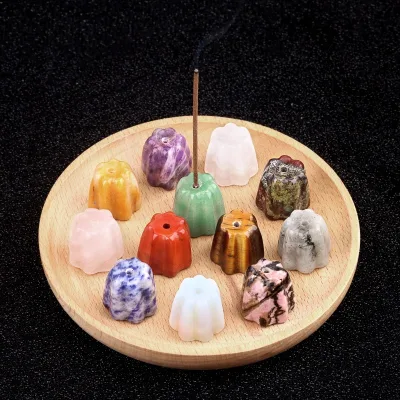
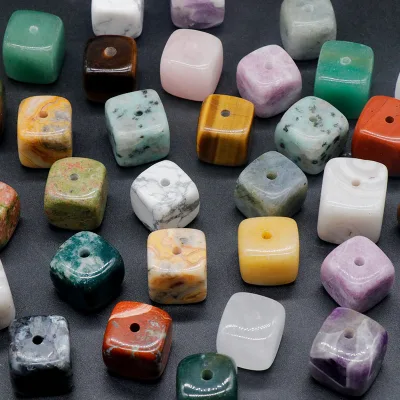
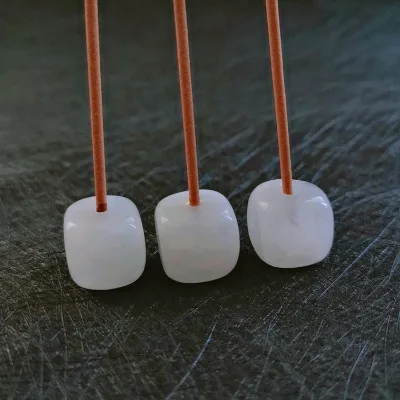
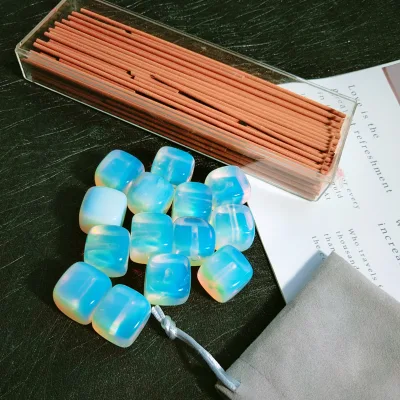
HZ Portable Incense Holder Stand Luxury Clear Quartz Cube Gem Incense Burner
$2.87 - $3.27
MOQ: 100 pieces
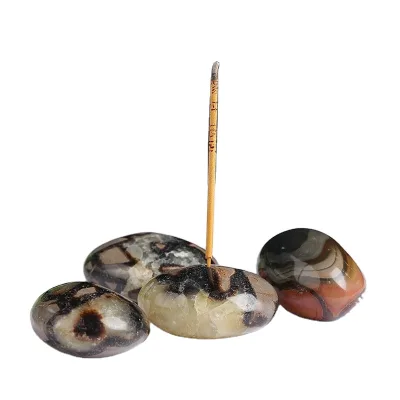
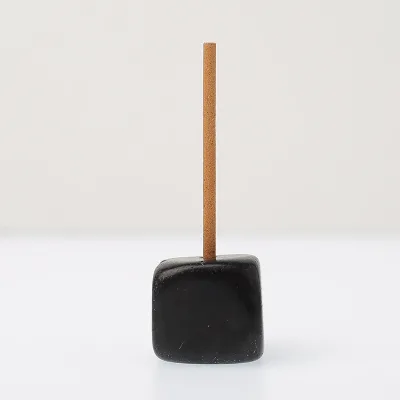
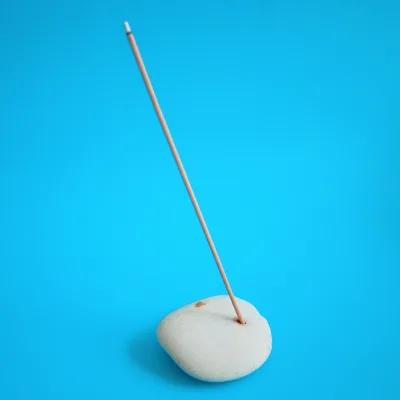
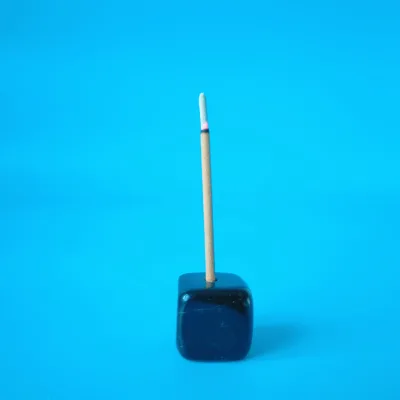
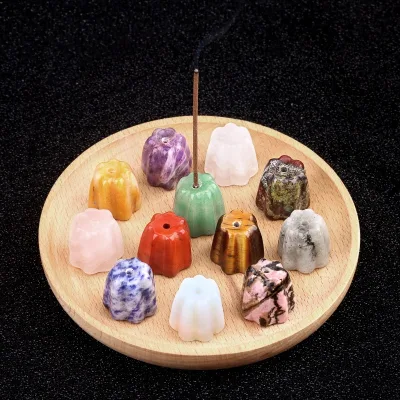
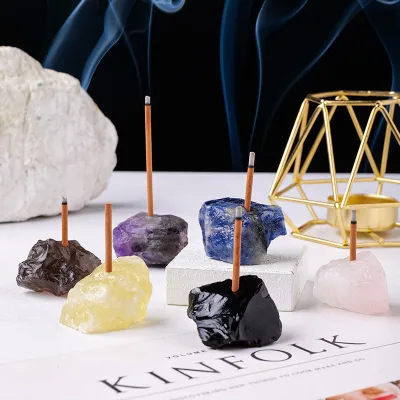
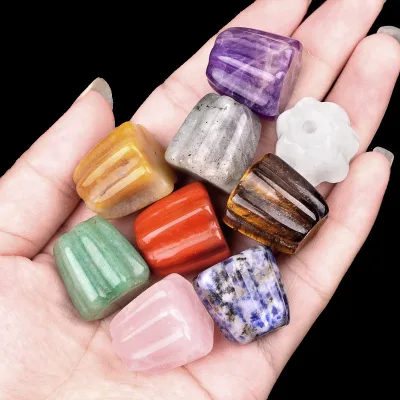
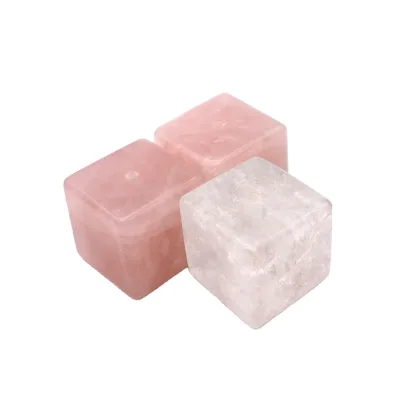
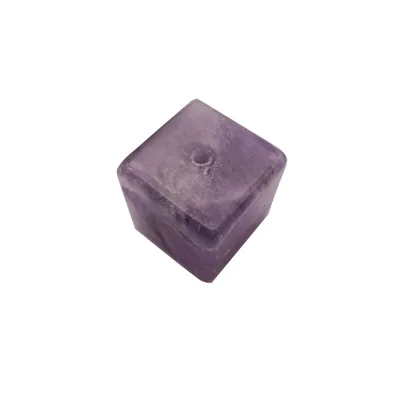
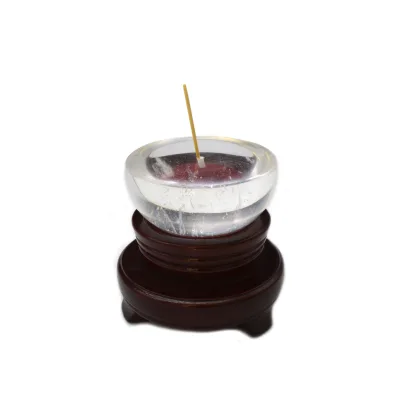
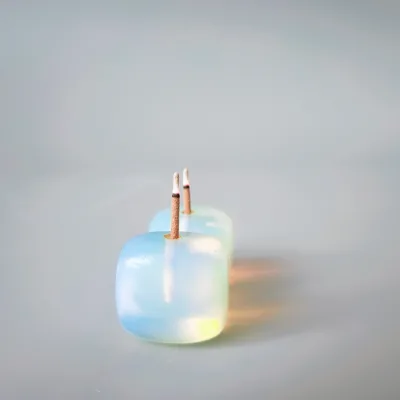
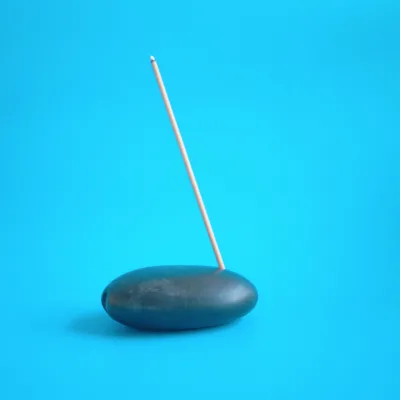
Crafts Crystal Stone Ovals Shape River Stone Incense Holder Lotus Buddha
$0.90 - $2.96
MOQ: 100 pieces
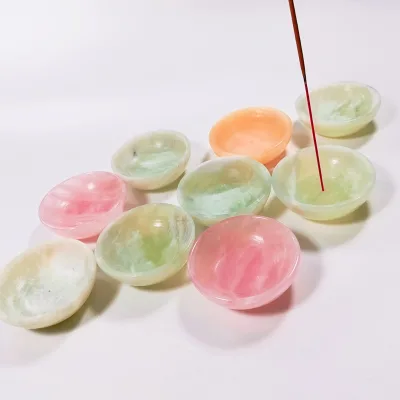
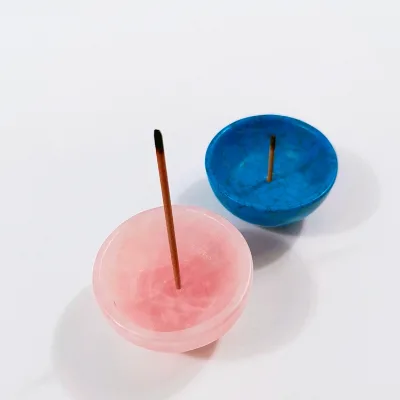
Crystal Diy Crystal Bowl Hand Carvings Mini Size Natural New Jade Incense Holder
$15.29 - $61.16
MOQ: 100 Minimum




Comprehensive Sourcing Guide
Strategic Sourcing Guide for Polished Crystal Incense Holders
Understanding Product Variants and Material Composition
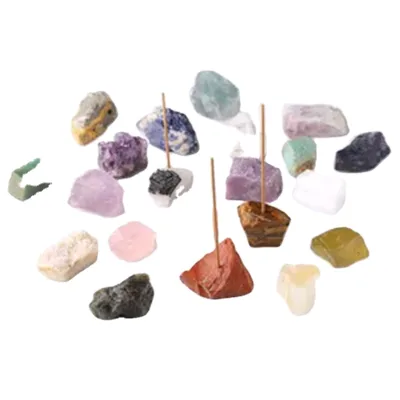
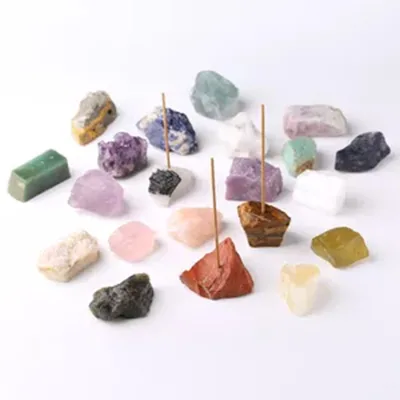
The market for polished crystal incense holders presents a diverse array of options, primarily defined by the specific type of natural stone utilized. Based on current supply data, the core material category is natural crystal, with specific variants including Rose Quartz, Labradorite, Green Aventurine, Amethyst, White Crystal, Tiger Eye, Red Jasper, Opal, Rhodonite, Blue Spot, Dragon Blood Stone, and Yellow Jade. These materials are not merely aesthetic choices but dictate the physical properties and perceived value of the final product. The supply chain indicates that these items are often categorized under "Natural Crystal" or broadly as "Natural Stone," with specific product names such as "Rose Quartz Incense Sculpture" or "Labradorite Incense Sculpture" appearing frequently in listings.
The physical form of these holders varies significantly, ranging from specific dimensions like 1.7 by 0.9 inches (43 by 23 mm) to larger 5-inch sculptures. Some products are listed with a model number such as S100117 or C-RS02RQ50, while others are identified by codes like CIH002 or GC3014. The shape is consistently described as "Incense," designed to hold sticks without the incense stick itself being included in the package dimensions. The color palette is extensive, offering Yellow, White, Transparent, Silver, Red, Purple, Green, Brown, Black, and specific stone hues like the deep blue of Labradorite or the pink of Rose Quartz. Buyers must recognize that "polished" in this context refers to the final surface finish achieved through a multi-step production process involving design, engraving, molding, and polishing.
Technical Specifications and Dimensional Standards
When evaluating technical specifications, precision is paramount for both functional utility and aesthetic integration. The supplied data reveals a wide range of standard sizes. For instance, one common specification is 1.7 by 0.9 inches (43 by 23 mm), while another variant is listed simply as 5 inches. Smaller figurines may have dimensions around 20 by 20 mm with a weight of 10-15 grams, whereas single package sizes for shipping might be recorded as 7 by 7 by 3 cm. It is critical for buyers to verify the "Size" attribute, as some listings specify dimensions "without Incense Stick," which is a crucial distinction for inventory planning and display sizing.
The weight of the product is another key technical factor. Specific data points indicate a single gross weight of approximately 0.017 kg for smaller items, while larger stone sculptures will naturally carry more mass. The production process involves "Handmade & Hand-Carved" techniques, which means that while the general dimensions are standardized, slight variations in weight and exact shape are inherent to the manufacturing method. The product type is often listed as "Figurine" or "Crystal Image," suggesting that these items serve dual purposes as functional incense holders and decorative art pieces. The "Style" attribute frequently references "Buddhism," indicating a cultural and design lineage that influences the carving patterns and overall silhouette of the holder.
Production Capabilities and Lead Time Management
The manufacturing landscape for polished crystal incense holders is characterized by a strong emphasis on artisanal craftsmanship. The primary production techniques observed are "Handmade" and "Hand-Carved," often accompanied by "Design & Engraving & Molding & Polishing." This labor-intensive approach ensures high-quality finishes but inherently impacts production timelines. The standard delivery window observed in the supply data is within 10 to 25 days after the receipt of a deposit. This lead time range is typical for custom or semi-custom stone carving operations where each piece requires individual attention.
Buyers must also consider the logistical aspects of transportation. The data indicates that goods can be shipped "by Sea or by Air," depending on the buyer's specific needs. This flexibility allows for cost optimization or speed prioritization based on the urgency of the order. The standard packing method is "Carton Transportation," which is essential for protecting the fragile nature of polished stone during transit. For sample orders, the standard practice is to provide 1 piece, with the freight cost borne by the buyer. This sample policy allows for quality verification before committing to larger orders. The availability of ODM (Original Design Manufacturing) and OEM (Original Equipment Manufacturing) services suggests that suppliers are capable of accommodating custom branding or design modifications, provided the buyer can navigate the associated production requirements.
Cost Drivers and Minimum Order Quantities
The pricing structure for polished crystal incense holders is influenced by several variables, including material rarity, carving complexity, and order volume. The observed price range in the market spans from 0.51 to 84 USD, a significant spread that reflects the difference between small, mass-produced stone items and larger, hand-carved sculptures. The Minimum Order Quantity (MOQ) also varies, with observed ranges from 2 to 1000 units. Some listings indicate an MOQ of just 1 PC, catering to small retailers or drop-shippers, while others require a minimum of 20 units, which is common for wholesale transactions.
The cost is further driven by the specific stone type. Variants like Labradorite or specific Jade types may command higher prices due to their market perception and material scarcity compared to more common stones like White Crystal or Green Aventurine. The "Handmade" nature of the product adds a labor cost component that is less variable in mass-produced goods. Buyers should note that the "Single package size" and "Single gross weight" are critical for calculating shipping costs, which can be a significant portion of the total landed cost, especially for heavier stone items. When negotiating, understanding the relationship between the MOQ and the unit price is essential, as larger orders often unlock better pricing tiers within the observed range.
Supplier Evaluation and Geographic Origins
Geographic origin plays a significant role in the sourcing strategy for crystal incense holders. The primary production hubs identified in the supply data are Fujian Province, Zhejiang, and Guangdong, all located in China. These regions are known for their expertise in stone carving and jewelry manufacturing. Fujian, in particular, is highlighted as a place of origin for specific models like S100117 and C-RS02RQ50. The presence of suppliers in multiple provinces suggests a competitive market with diverse capabilities.
When evaluating suppliers, buyers should verify the "Place of Origin" and "Regional Feature." While the products are manufactured in China, some listings mention a "Regional Feature" of Europe, which may indicate the target market or the design inspiration rather than the manufacturing location. The brand names associated with these products, such as "SM," should be treated as identifiers rather than indicators of global brand equity unless further verified. The availability of ODM and OEM services is a strong indicator of a supplier's flexibility and capacity to handle custom projects. Buyers should prioritize suppliers who can clearly demonstrate their "Handmade" capabilities and provide detailed production photos to ensure the "Hand-Carved" quality matches the listing descriptions.
Quality Control and Compliance Considerations
Ensuring quality in hand-carved crystal products requires a rigorous inspection process. The "Handmade" and "Hand-Carved" attributes imply that no two pieces are exactly identical. Therefore, quality control should focus on the finish, the integrity of the stone, and the accuracy of the dimensions. Buyers should verify the "Polishing" stage to ensure there are no rough edges or cracks that could compromise the structural integrity of the incense holder. The "Eco-friendly" attribute is listed for some products, which suggests that suppliers may adhere to certain environmental standards, but buyers should request specific documentation to confirm this claim rather than relying solely on the label.
Compliance checks should extend to the materials used. While the products are described as "Natural Crystal" or "Natural Stone," buyers should ensure that the stones are sourced ethically and do not contain harmful substances. The "Standard" attribute, such as the 1.7*0.9 inches specification, should be used as a benchmark for dimensional accuracy. For products intended for specific markets like Europe, buyers must verify if the products meet local safety standards for decorative items. The "Printing" attribute is listed as "Other," which may indicate custom branding; buyers should ensure that any inks or paints used for branding are non-toxic and compliant with international regulations.
Long-Term Procurement and Application Strategy
The application of polished crystal incense holders extends beyond simple utility. They are marketed for use as "Souvenir," "Home Decoration," "Holiday Gifts," "Business Gift," and "Art & Collection." This versatility makes them suitable for a wide range of B2B clients, from gift shops and home decor retailers to corporate gifting agencies. The "Buddhism" style suggests a niche market within spiritual and wellness communities, which can be a stable and growing segment.
For long-term procurement, establishing a reliable supply chain is crucial. Given the lead time of 10 to 25 days, buyers should plan their inventory orders well in advance to avoid stockouts, especially during peak holiday seasons. The ability to ship by sea or air provides flexibility to adjust logistics based on cost and urgency. The availability of samples allows for continuous quality assurance, enabling buyers to maintain high standards over time. As the market for natural stone products grows, buyers should consider the potential for customization through ODM services to differentiate their offerings. By focusing on the unique attributes of each stone type and the craftsmanship involved, buyers can build a robust product line that appeals to diverse consumer preferences while maintaining high quality and ethical sourcing standards.
FAQs
What materials are used for polished crystal incense holders?
These holders are crafted from natural crystal and natural stone varieties. Specific options include Rose Quartz, Labradorite, Green Aventurine, Amethyst, and Tiger Eye. Each stone type offers unique color and aesthetic properties for the final product.
How are these incense holders manufactured?
The production process involves handmade and hand-carved techniques combined with design, engraving, molding, and polishing. This artisanal approach ensures a high-quality finish while maintaining the natural characteristics of the stone used for each sculpture.
What are the standard dimensions for these products?
Standard sizes vary by model, with common dimensions including 1.7 by 0.9 inches or a 5-inch sculpture. Some smaller figurines measure approximately 20 by 20 millimeters, and all listed sizes refer to the holder without the incense stick included.
Can buyers request custom designs or branding?
Yes, suppliers offer both OEM and ODM services to accommodate custom designs and branding needs. Buyers can work with manufacturers to modify the product shape or add specific logos, provided they meet the minimum order quantity requirements for such customization.
What is the typical delivery time for these items?
Delivery typically occurs within 10 to 25 days after the supplier receives the deposit. This timeline accounts for the hand-carved nature of the product and the time required for polishing and packaging before shipping via sea or air.
Where are these products primarily manufactured?
Production is concentrated in specific regions of China, including Fujian Province, Zhejiang, and Guangdong. These locations are known for their expertise in stone carving and jewelry manufacturing, ensuring a supply chain capable of handling both small and large orders.
What is the minimum order quantity for these holders?
The minimum order quantity ranges from 1 piece to 1000 units depending on the specific supplier and product model. Some listings allow for a single piece sample order, while wholesale transactions often require a minimum of 20 units or more.