Source Polished Rectangular Bathroom Washing Sink for Home Hotel Restaurant
Find a Polished Rectangular Bathroom Washing Sink from 30 verified suppliers. Compare prices, materials like ceramic and porcelain, and specifications for home, hotel, and restaurant applications.
Key considerations
Products List
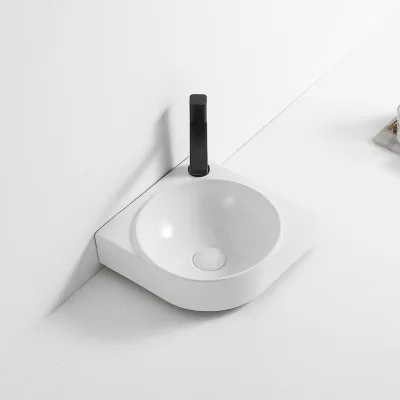


Basin Sanitary Ware Vanity Wash Basins Bathroom Sinks Modern Bathroom Sink
$18.90 - $115.30
MOQ: 20 Sets


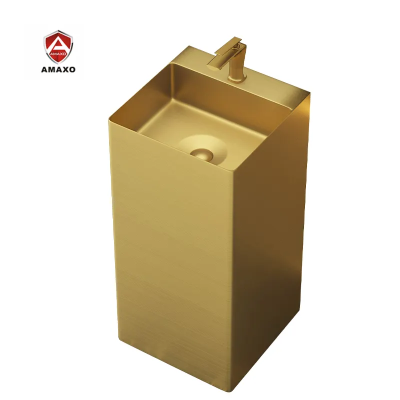
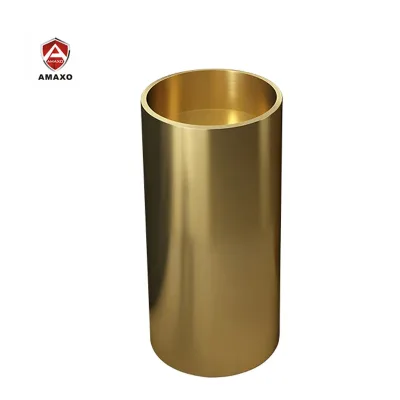
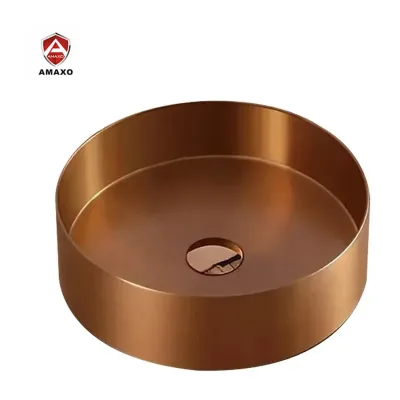


Factory Price White Ceramic Rectangular Bathroom Sink Square Washbasin
$10.00 - $15.00
MOQ: 100 Pieces


Customized Modern White Ceramic Rectangular Bathroom Sink Square Washbasin
$10.00 - $15.00
MOQ: 100 Pieces


Stainless Steel Laundry Sink, Single Bowl Laundry Sink, Washbasin Sink
$12.00 - $19.00
MOQ: 100 Pieces


Comprehensive Sourcing Guide
Strategic Sourcing Guide for Polished Rectangular Bathroom Washing Sinks
Understanding Product Attributes and Material Composition
When sourcing a Polished Rectangular Bathroom Washing Sink, the primary objective is to align specific product attributes with the intended application environment. The market offers a diverse array of options, but the core keyword implies a specific aesthetic and functional profile. The most prevalent material observed in this category is ceramic, often processed to achieve a porcelain finish. This material choice is critical because it dictates the sink's durability, resistance to staining, and overall hygiene profile. The surface treatment is a defining characteristic; a "polished" finish indicates a high-gloss, smooth surface achieved through specific glazing or firing processes. This contrasts with brushed or matte finishes, offering a sleek, reflective appearance that is easier to wipe clean but may show water spots more readily.
The geometric configuration is equally important. The rectangular shape provides a modern, streamlined look that fits well into contemporary bathroom designs. However, buyers must distinguish between single-bowl and double-bowl configurations. The "rectangular" descriptor often applies to the overall footprint, but the internal layout determines utility. Some units are designed as single basins with a single faucet mount, ideal for compact powder rooms or guest bathrooms. Others may feature a double-bowl layout, which is less common for standard bathroom sinks but may appear in larger vanity setups or specific commercial applications. The installation type is another critical variable; sinks are typically categorized as either undermount or above-counter (drop-in). Undermount installations offer a seamless look where the sink edge is hidden beneath the countertop, while above-counter models sit on top, often providing a more robust mounting solution for heavier stone countertops.
Technical Specifications and Dimensional Standards
Precision in technical specifications is paramount when ordering custom or semi-custom bathroom fixtures. The physical dimensions of the sink must align with the vanity cabinet and countertop cutouts. Standard size ranges for these units often include specific measurements such as 810mm in length, 460mm in width, and a depth of approximately 170mm to 200mm. These dimensions ensure compatibility with standard cabinetry while providing adequate basin volume. The thickness of the material is a key indicator of structural integrity. High-quality ceramic sinks typically exhibit a thickness ranging from 3.0mm to 3.7mm, with a tolerance of plus or minus 0.7mm. This range ensures the sink can withstand daily use without cracking or chipping, provided the manufacturing process involves high-temperature firing.
The number of faucet holes is a specific technical constraint that buyers must verify. While some models are designed with a single hole for a widespread or single-handle faucet, others may feature two holes for separate hot and cold taps, or even three holes for a deck-mounted faucet set. The "polished" finish is achieved through a glaze spraying process, which not only enhances the aesthetic appeal but also creates a non-porous surface that resists bacterial growth. The surface treatment, whether polished or brushed, directly impacts the cleaning regimen required. A polished surface requires regular wiping to maintain its luster, whereas a brushed finish might hide minor scratches better. Buyers should also consider the "notch" or basin style; a single basin offers a large, uninterrupted washing area, while a double sink configuration divides the space, which may be necessary for shared bathrooms or specific commercial needs.
Compliance, Certification, and Safety Standards
Navigating the regulatory landscape is essential for B2B procurement, particularly when sourcing for international markets or commercial projects. Certification acts as a proxy for quality assurance and safety compliance. Reputable manufacturers often hold certifications such as CE (Conformité Européenne) and ISO (International Organization for Standardization) standards. These certifications indicate that the product meets specific safety, health, and environmental requirements. For bathroom sinks, compliance often involves testing for lead content, water absorption rates, and thermal shock resistance. The "high temperature firing" mentioned in product advantages is a manufacturing process that contributes to these compliance metrics, ensuring the ceramic is vitrified and durable.
Buyers must verify that the supplier can provide valid documentation for these certifications. While the presence of CE or ISO marks is a strong indicator, the specific standard version and the scope of the certification should be confirmed. For instance, ISO 9001 covers quality management systems, while other standards may address specific material safety. In addition to general certifications, buyers should inquire about compliance with local building codes in the destination market. Some regions have strict requirements regarding water efficiency and plumbing fixture standards. The "advantage" of good straightness in the product description suggests that the manufacturing process maintains dimensional accuracy, which is crucial for proper installation and leak prevention. Ensuring that the product meets these standards protects the buyer from liability and ensures the longevity of the installation.
Cost Drivers and Pricing Dynamics
The pricing of polished rectangular bathroom sinks is influenced by a complex interplay of factors, including material quality, manufacturing complexity, and order volume. The observed price range in the market can vary significantly, from approximately $4.80 to $285.50 per unit. This wide disparity is not arbitrary but reflects differences in the grade of ceramic, the sophistication of the glazing process, and the level of customization required. High-end models with custom dimensions, specialized finishes, or integrated features will command a premium price. Conversely, standard off-the-shelf models in common sizes and colors will be more affordable.
Minimum Order Quantity (MOQ) is another critical cost driver. Suppliers often set MOQs to ensure production efficiency, with typical thresholds ranging from 1 to 300 units, though some specific models may require a minimum of 20 pieces. Ordering above the MOQ can often unlock volume discounts, reducing the per-unit cost significantly. The payment terms also play a role in the financial planning of the procurement. Standard industry practices often involve a deposit structure, such as a 30% deposit upon order confirmation, with the balance due before the goods are delivered. This structure mitigates risk for the supplier while ensuring the buyer has a clear timeline for payment. Additionally, the packing method, such as a 5-layer carton box or standard export cartons, adds to the overall cost, especially for international shipping where protection against breakage is essential.
Typical Applications and Usage Scenarios
The versatility of polished rectangular bathroom sinks makes them suitable for a wide range of applications, from residential to commercial settings. In the residential sector, these sinks are ideal for master bathrooms, guest powder rooms, and modern home renovations where a sleek, minimalist aesthetic is desired. The "easy clean" and "hygienic" features of the polished ceramic surface make them particularly attractive for family homes where maintenance is a priority. The "eco-friendly" aspect of the manufacturing process may also appeal to environmentally conscious consumers.
In the commercial sector, the application extends to hotels, restaurants, homestays, and office buildings. The durability of the ceramic material ensures that the sinks can withstand high-frequency use without degrading. The "straightness" and robust construction are vital for maintaining a professional appearance in public restrooms. For hotels and restaurants, the aesthetic appeal of the polished finish contributes to the overall ambiance of the facility. The "single bowl" or "double bowl" configuration can be selected based on the specific needs of the space; for example, a double bowl might be preferred in a high-traffic hotel bathroom to reduce wait times. The "under counter" or "above counter" installation type allows for flexibility in design, enabling architects and interior designers to integrate the sink seamlessly into various countertop materials.
Supplier Evaluation and Quality Control Protocols
Selecting the right supplier is a critical step in the procurement process. Buyers should evaluate potential suppliers based on their production capabilities, quality control measures, and track record. The origin of the product, such as Fujian or Guangdong in China, can provide insights into the manufacturing ecosystem and supply chain efficiency. These regions are known for their ceramic industries, but buyers must verify the specific factory's reputation and capacity. A key indicator of quality is the "high temperature firing" process, which ensures the sink is durable and resistant to thermal shock. Buyers should request samples to inspect the surface finish, checking for uniformity in the polished glaze and the absence of defects like pinholes or uneven coloring.
Quality control protocols should be rigorous. Suppliers should implement checks at various stages of production, from raw material selection to final packaging. The "standard export carton" or "5 layers carton box" packing is designed to protect the product during transit, but buyers should also consider the need for additional packaging for fragile items. The "optional" nature of product packing suggests that buyers can customize packaging to meet specific branding or logistical needs. It is also important to verify the "delivery time," which typically ranges from 7 to 15 days for standard orders. Delays in production or shipping can disrupt project timelines, so a reliable supplier with a proven track record of on-time delivery is essential.
Long-Term Procurement Considerations and Maintenance
Long-term success in sourcing bathroom sinks depends on understanding the maintenance requirements and the lifecycle of the product. The polished finish, while aesthetically pleasing, requires regular cleaning to prevent water spots and mineral buildup. Buyers should advise end-users on the appropriate cleaning agents to avoid damaging the glaze. The "good straightness" and "high temperature firing" ensure that the sink will maintain its shape and integrity over time, but proper installation is crucial to prevent stress fractures. The "undermount" installation type, in particular, requires precise cutting of the countertop to ensure a secure fit and prevent water seepage.
Future-proofing the procurement strategy involves considering the availability of replacement parts or matching products for future renovations. Suppliers that offer "customizable" standards and dimensions can provide a competitive advantage by allowing buyers to adapt to changing design trends. The "optional" packing and "customizable" nature of the product standard suggest that the supply chain is flexible enough to accommodate unique project requirements. By maintaining a strong relationship with a reliable supplier, buyers can ensure a steady supply of high-quality sinks that meet their specific needs. The "T/T 30% Deposit" payment term and the "7-15 Days" delivery time should be factored into the overall project schedule to avoid bottlenecks. Ultimately, the goal is to source a product that combines aesthetic appeal with functional durability, ensuring satisfaction for both the buyer and the end-user.
FAQs
What materials are used for polished rectangular bathroom sinks?
These sinks are primarily made from ceramic and porcelain materials. The high-temperature firing process ensures durability and resistance to staining while maintaining a hygienic, non-porous surface suitable for home and commercial use.
Which installation types are available for these sinks?
Both undermount and above-counter installation types are available for these products. Buyers can select undermount styles for a seamless look or above-counter models for robust mounting on various countertop materials.
Can I find sinks with specific faucet hole configurations?
Yes, sinks are available with either one or two faucet holes depending on the model. Single-hole configurations suit widespread faucets, while two-hole options accommodate separate hot and cold tap setups for different plumbing needs.
What certifications do these ceramic sinks typically hold?
Reputable models often carry CE and ISO certifications to ensure safety and quality compliance. These certifications indicate that the products meet international standards for material safety, structural integrity, and manufacturing processes.
How long does delivery typically take for these orders?
Standard delivery times range from 7 to 15 days for most orders. This lead time applies to standard models, though custom specifications or large volume orders may require additional processing time from the manufacturer.
What is the minimum order quantity for these sinks?
Minimum order quantities vary, with some models requiring as few as one unit and others needing 20 pieces. Specific product lines may have different thresholds, so buyers should verify the MOQ for their selected model.
Are customization options available for sink dimensions?
Customization is available for standard dimensions and specific product requirements. Buyers can request tailored sizes and features, allowing for flexibility in fitting unique vanity designs or specific commercial space constraints.