Source Polished Prehnite Tumble Stone for Home Decor
Find 30 listings for Polished Prehnite Tumble Stone suitable for home decoration, gifts, and feng shui applications. Compare specifications such as size, weight, and packaging details from suppliers in China to identify the best options for your sourcing needs; compare the available evidence and request quotations based on your requirements.
Key considerations
Products List
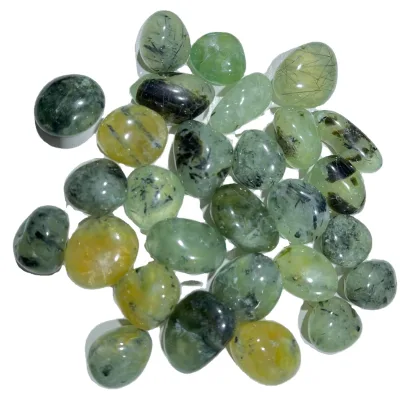
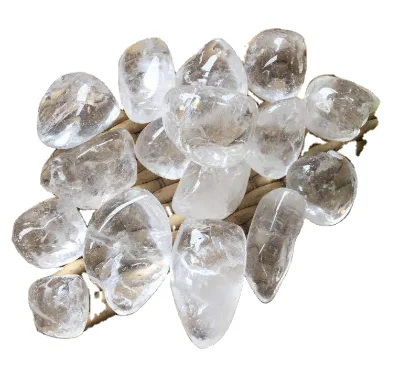
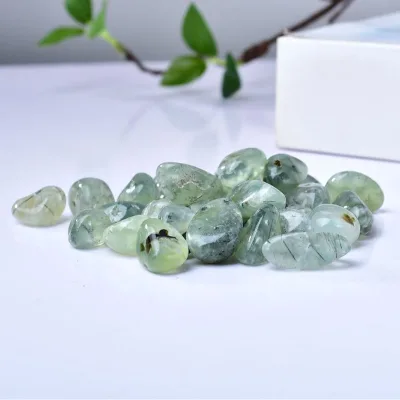
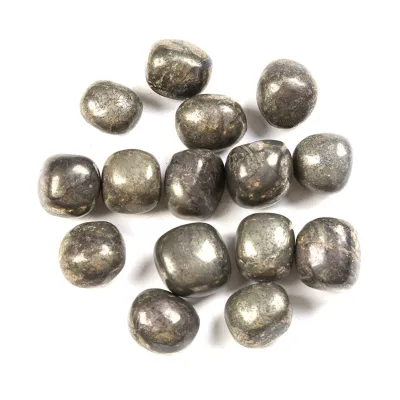
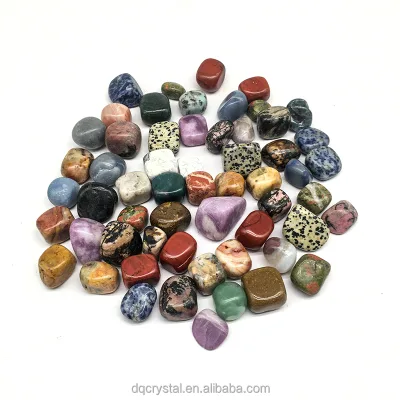
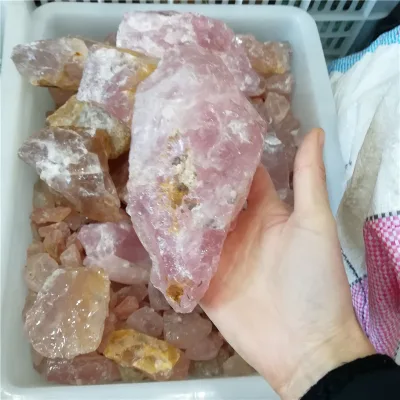
Natural Rose Quartz Rough Polished Crystal Gravel Tumbled Stone for Sale
$13.41 - $15.47
MOQ: 1 kilograms

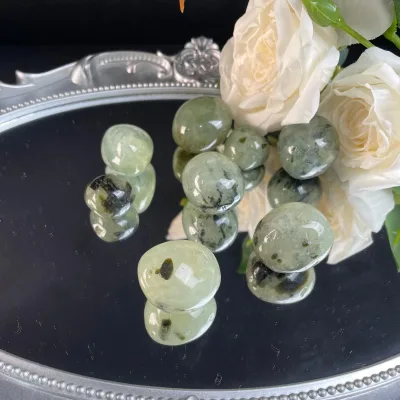
Wholesale Natural High Quality Crystal Healing Prehnite Tumble Stone for Stress Relief
$20.37 - $25.46
MOQ: 1 kilograms
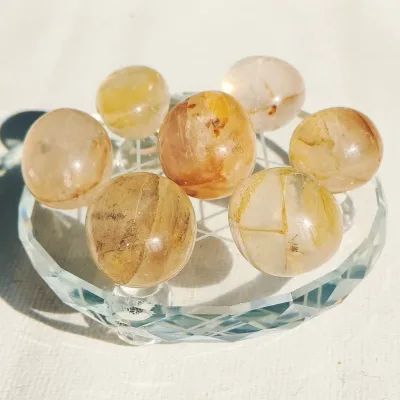


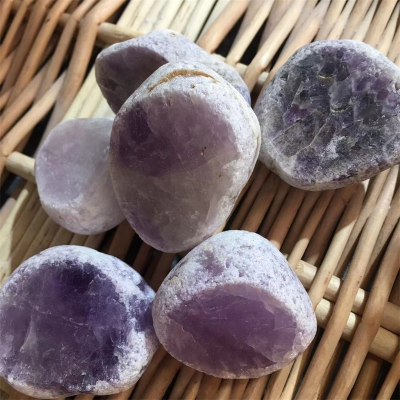
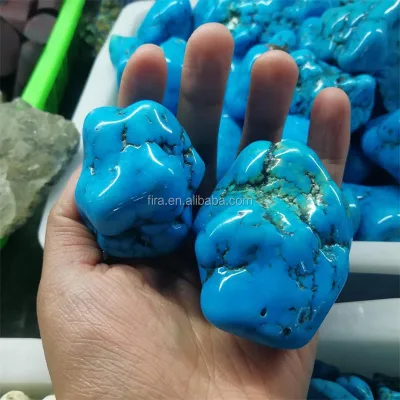
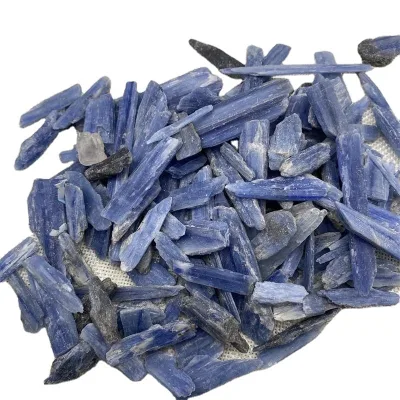
Wholesale Natural Raw Blue Kynite Rough Kynite Crystal Specimens Kynite Tumble Stones
$12.24 - $22.44
MOQ: 1 kilograms
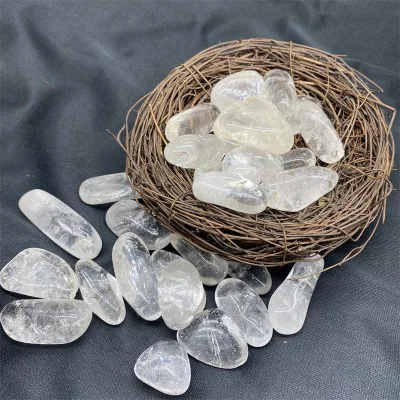
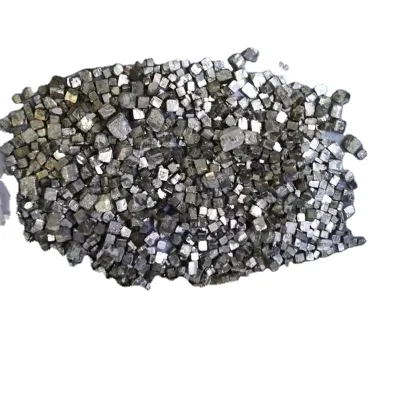
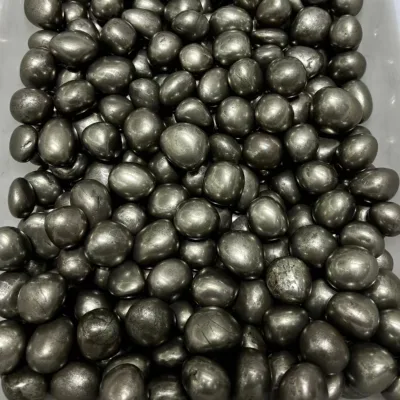
Wholesale Semi-Precious Raw Golden Pyrite Cube Rough Pyrite Crystal Tumble Stones
$10.23 - $25.59
MOQ: 1 kilograms


Comprehensive Sourcing Guide
Polished Prehnite Tumble Stone Sourcing Guide
Buyers evaluating polished prehnite tumble stones must first distinguish between specific product variations listed in current catalogs, such as those labeled as "white clear tumbled stone" or general "crystal image" types. The observed market data indicates a diverse range of materials including malachite, quartz, and specific gemstone prehnite, often marketed under different brand names like "fortune" or "DS" depending on the supplier. This variation requires careful verification of the exact mineral composition to ensure the purchased lot matches the intended aesthetic or metaphysical application, as the term "tumble stone" can encompass gravel, pebbles, or specific shaped units.
Procurement decisions should also account for the significant differences in packaging and physical dimensions observed across listings, which directly impact shipping costs and storage requirements. Some suppliers offer single items in compact 10x10x10 cm packages with a gross weight of 1.1 kg, while others provide larger wholesale units in 20x15x10 cm cases weighing up to 2.5 kg. Understanding these logistical variances is essential for calculating the true landed cost, as the "safe packing" methods described, such as pebble paper inside and cases outside, vary in their protective capacity and volume efficiency for international freight.
Product Scope and Observed Listing Signals
The product scope for polished prehnite tumble stones extends beyond simple decoration to include specific applications in art, collectibles, and Feng Shui practices, as evidenced by the "Fashionable" and "Mascot" style attributes found in current listings. Buyers should note that while some items are explicitly categorized for home decoration, others are positioned as gifts or decorative elements for specific energy practices, requiring a clear definition of the end-use to select the correct product type. The observed color profiles range from distinct green hues to white clear variations, suggesting that visual consistency is a critical factor when sourcing for large-scale interior design projects or retail assortments.
Listing signals also reveal a wide spectrum of minimum order quantities, ranging from single items to bulk requirements of 5 kg or 2 kg, which dictates the feasibility of small-batch testing versus large-volume procurement. The presence of specific model numbers like T025 and T077 alongside size specifications such as 20-25mm or 2-4 cm indicates that suppliers often segment their inventory by precise physical dimensions rather than generic descriptions. This segmentation allows buyers to target specific size requirements for jewelry making or landscaping but necessitates a rigorous review of the "Shape" attribute, which is listed variously as gravel, tumble, or specific model-defined forms.
Technical Specifications to Verify
Technical verification must begin with the material composition, as listings frequently mix terms like "quartz crystal gravel macadam" with specific "Gemstone" or "Prehnite" designations, creating potential ambiguity about the actual mineral content. Buyers should request detailed material certificates or laboratory analysis to confirm that the green stones are indeed prehnite and not dyed quartz or other imitations, especially given the "natural" printing method claims and the "polished" technique used. The distinction between "natural" and processed attributes is vital, as the "polishing" technique affects the surface luster and durability, which are critical for items intended for high-traffic home decoration or frequent handling as gifts.
Dimensional accuracy and weight consistency are equally critical technical parameters that vary significantly across the observed product range, with sizes specified from 2-4 cm up to 20-25 mm and single package weights ranging from 1.05 kg to 2.5 kg. Procurement teams must verify that the "One Size" or specific millimeter ranges provided in the model descriptions align with the physical samples received, as discrepancies can lead to rejection of the entire shipment. Additionally, the "Single gross weight" and "Single package size" data points must be cross-referenced with the actual shipping manifests to ensure that the declared volume and weight match the physical goods, preventing unexpected freight surcharges or customs delays.
Compliance and Safety Documentation
While the provided data does not list specific safety certifications, buyers must verify that the polishing processes and packaging materials comply with international safety standards for consumer goods, particularly for items marketed as gifts or home decorations. The "safe packing" descriptions involving pebble paper and outer cases suggest a focus on physical protection, but this does not inherently address chemical safety or toxicity concerns associated with the polishing agents or the stone itself. It is essential to confirm that the "natural" and "polished" treatments do not introduce hazardous substances, especially if the stones are intended for environments where children or pets might have direct contact.
Documentation regarding the origin of the stones is another critical compliance area, as the "Place of Origin" is listed as Jiangsu, China, or Donghai, regions known for gemstone processing. Buyers should ensure that the supplier can provide proof of legal mining or sourcing practices, as the "wholesale" nature of the trade often involves complex supply chains that may lack transparency. Although specific environmental or labor certifications are not mentioned in the current listings, verifying the ethical sourcing of the prehnite and quartz is necessary to mitigate reputational risks and ensure adherence to modern supply chain due diligence requirements.
Cost Drivers and Commercial Terms
The cost structure for polished prehnite tumble stones is heavily influenced by the minimum order quantity, which ranges from a single item to 5 kg, creating a tiered pricing model that favors bulk buyers. The observed price range of 4 to 500 USD suggests a significant variance based on the specific model, material purity, and packaging complexity, requiring buyers to negotiate based on the exact specifications rather than a generic category price. Understanding the relationship between the "Selling Units" and the "MOQ" is crucial, as purchasing in single items may incur a higher per-unit cost compared to the 2 kg or 5 kg bulk thresholds observed in the market data.
Commercial terms also include delivery timelines and shipping methods, with observed delivery times ranging from 2 to 10 days and shipping options including DHL, UPS, EMS, TNT, and FedEx. These logistics variables directly impact the total cost of ownership, as expedited shipping via premium carriers like DHL or FedEx will increase expenses compared to standard air freight. Buyers must factor in the "Delivery time" variability when planning inventory replenishment, as the 2-10 day window may fluctuate based on supplier workload or seasonal demand, necessitating a buffer in the procurement schedule to avoid stockouts.
Supplier Qualification and Quality Control
Supplier qualification should prioritize those who provide clear model numbers and specific size ranges, as the presence of identifiers like T025 and T077 indicates a more structured production and inventory management system. Buyers should assess the supplier's ability to maintain consistency in the "polished" finish and "green" or "white clear" color profiles across large orders, as the "natural" attributes can lead to batch-to-batch variations that affect the aesthetic uniformity required for retail or interior design projects. The "Brand Name" variations, such as "fortune" or "DS," may also serve as indicators of the supplier's market positioning and their commitment to maintaining a specific quality standard.
Quality control protocols must address the physical integrity of the stones, ensuring that the "gravel" or "tumble" shapes are free from cracks or excessive chipping that could compromise their use in decoration or gifts. The "Single gross weight" and "Single package size" data points should be used as benchmarks for incoming inspection, verifying that the received goods match the declared specifications within an acceptable tolerance. Additionally, the "Packaging Details" describing safe packing methods should be inspected to ensure that the protective layers are sufficient to prevent damage during transit, as the fragile nature of polished stones makes them susceptible to breakage if not handled correctly.
Long-Term Procurement Checks
Long-term procurement strategies should include regular audits of the supplier's ability to maintain consistent material quality and dimensional accuracy over time, as the "natural" nature of prehnite and quartz can lead to variability in supply. Buyers should establish a feedback loop to monitor the "Style" attributes, such as "Fashionable" or "Mascot," ensuring that the product remains relevant to market trends and customer preferences. This ongoing evaluation helps in identifying potential shifts in the product line, such as changes in the "Color" or "Shape" that might require adjustments to the procurement plan or marketing strategy.
Sustainability and supply chain resilience are also critical long-term considerations, requiring buyers to verify the stability of the "Place of Origin" and the reliability of the "Shipping way" options. As the market for polished stones evolves, maintaining a relationship with suppliers who can adapt to changing demand patterns and provide consistent "Delivery time" performance is essential. Buyers should also monitor the "MOQ" flexibility, ensuring that the supplier can accommodate fluctuating order volumes without compromising on the "Safe Package" standards or the overall quality of the "wholesale healing rock" products.
FAQs
What is the minimum order quantity for wholesale prehnite tumbled stones?
The minimum order quantity varies by supplier, with observed values ranging from 1 kg to 5 kg. Buyers should verify specific MOQ requirements directly with vendors, as some listings accept single items while others require bulk purchases of 2 kg or more for wholesale transactions.
Where are polished prehnite tumbled stones typically manufactured?
These stones are primarily manufactured in China, with specific origins noted in Jiangsu and Donghai regions. Buyers sourcing these items should expect production from these areas, which are known for crystal processing and wholesale distribution of natural gemstone products for decoration and healing purposes.
How are prehnite tumbled stones packaged for safe shipping?
Products are typically packed with pebble paper inside and a case outside to ensure safe delivery. This packaging method protects the polished stones during transit, preventing damage to the gravel or tumble shapes while maintaining the integrity of the natural crystal material for wholesale buyers.
What styles and uses are associated with prehnite tumbled stones?
These stones are styled as fashionable and Feng Shui items, often used for home decoration or as gifts. They serve as crystal images or mascots, appealing to buyers seeking natural healing rocks or decorative elements that combine aesthetic appeal with traditional design principles for interior spaces.
What is the typical delivery time for these wholesale stone orders?
Delivery times generally range from 2 to 10 days depending on the supplier and shipping method. Buyers can expect relatively quick turnaround times for these items, with logistics handled via standard courier services to ensure timely receipt of the polished natural prehnite tumbled stones.