Source Polished Pink Calcite Sphere for decor, healing, and art
Explore 30 listings for the Polished Pink Calcite Sphere to compare specifications, materials, and pricing. Buyers can evaluate options for home decoration, artistic displays, and wellness collections from verified Chinese manufacturers.
Key considerations
Products List
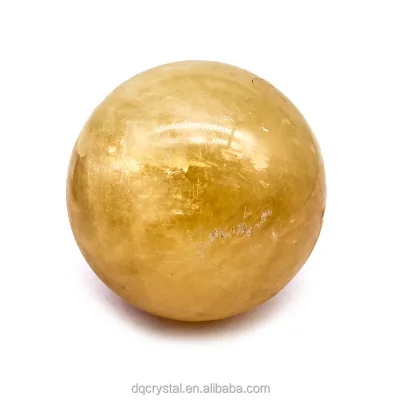
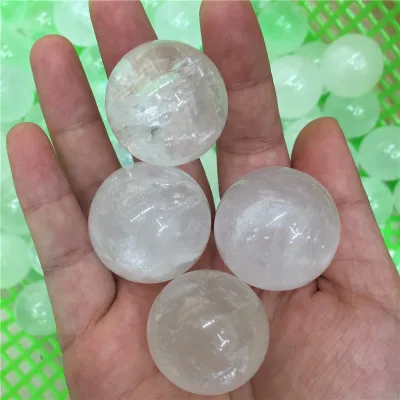
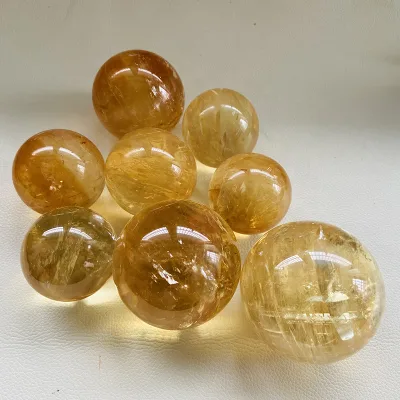
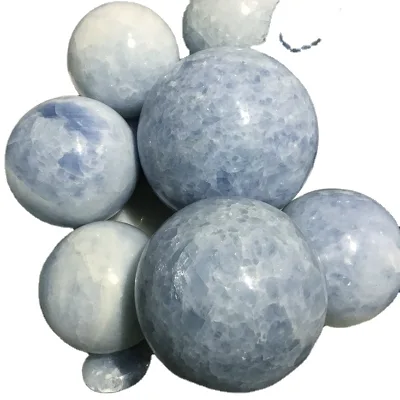
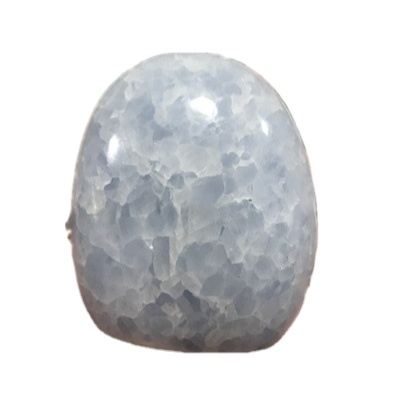
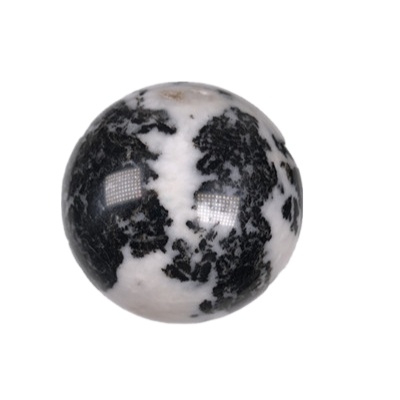
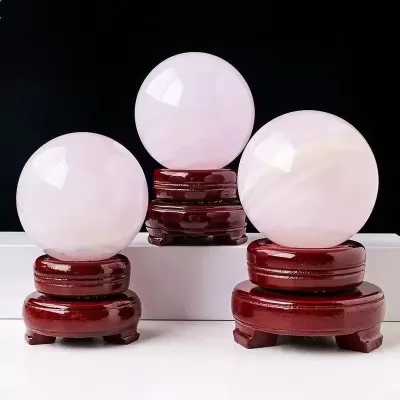
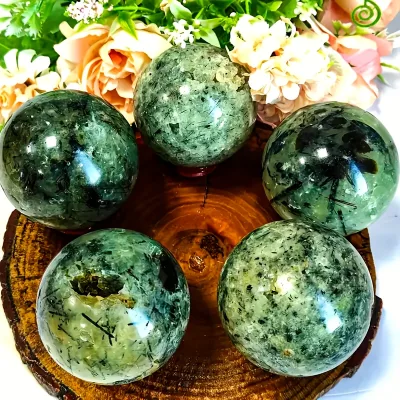
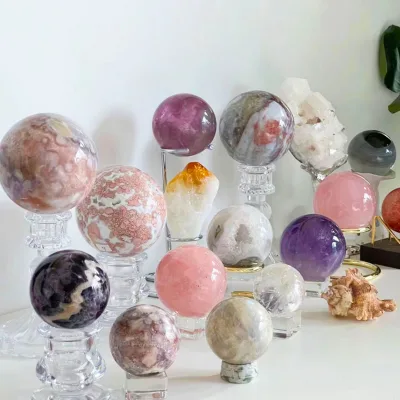
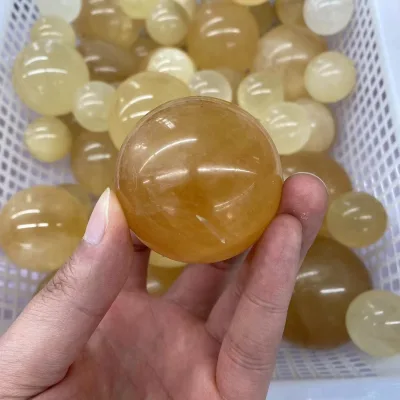
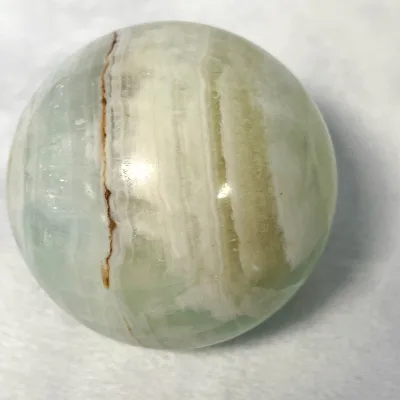
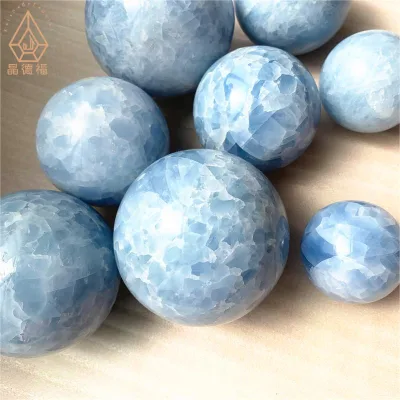
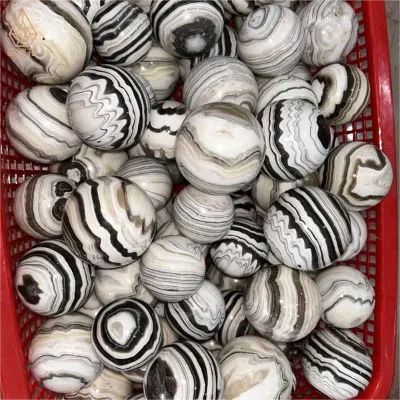
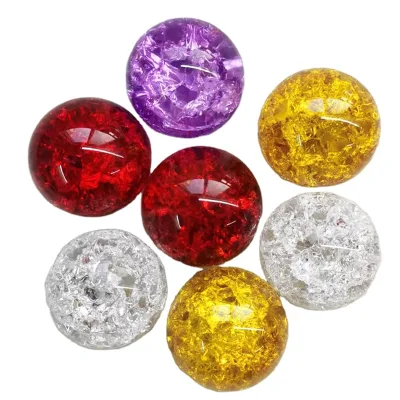
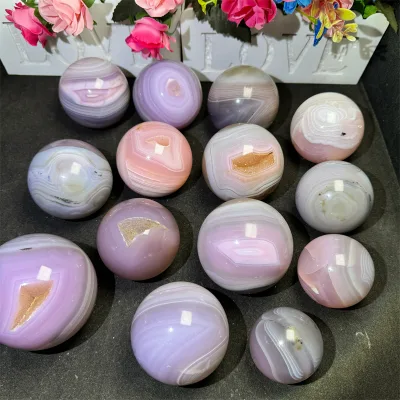
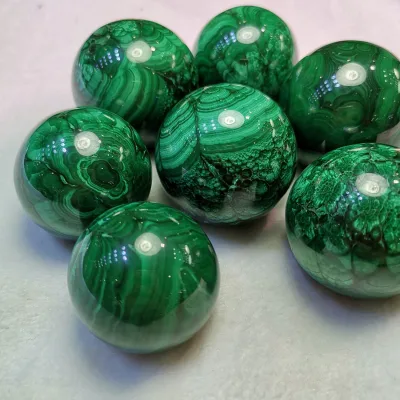
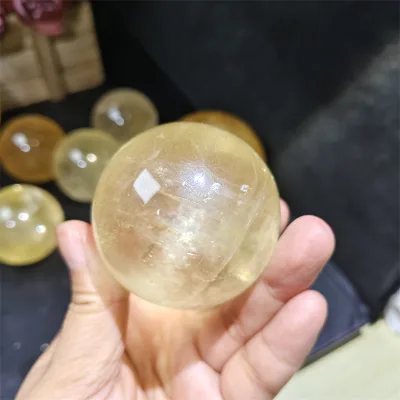

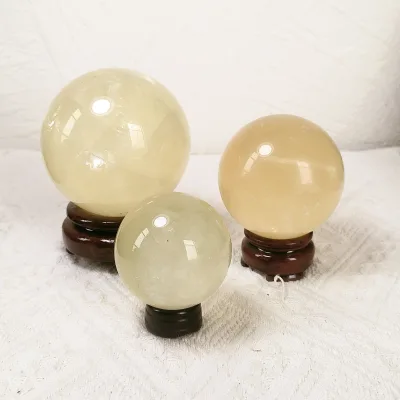
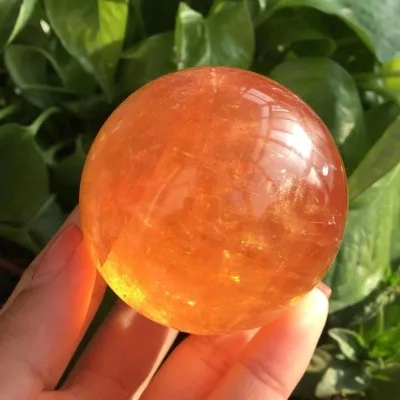
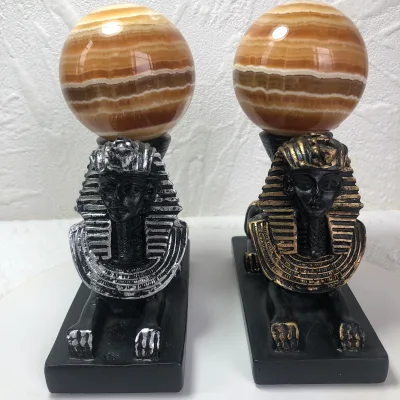
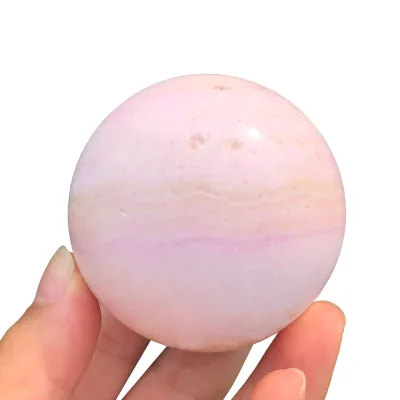
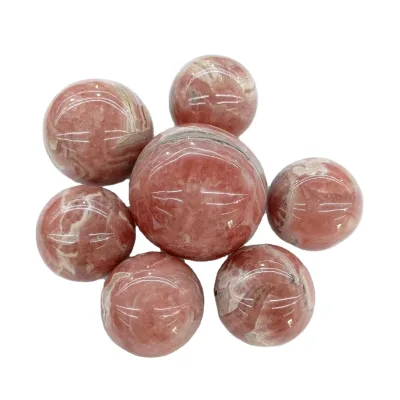
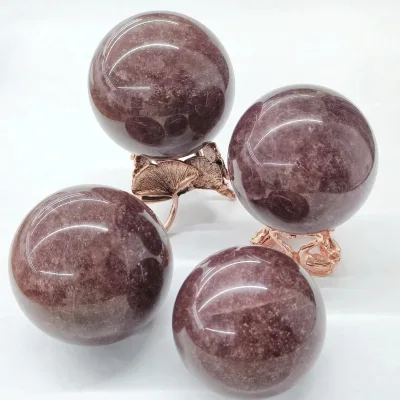


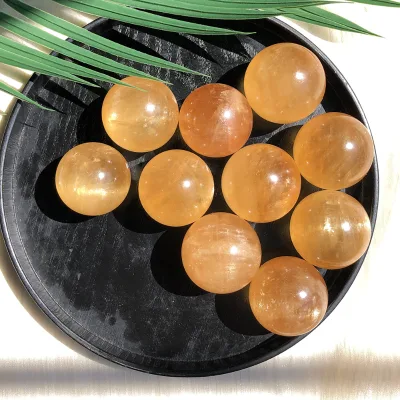


Comprehensive Sourcing Guide
Strategic Sourcing Guide for Polished Pink Calcite Spheres
Understanding Material Variability and Product Attributes
When sourcing a Polished Pink Calcite Sphere, buyers must first reconcile the specific material requirements with the available market data. The core keyword implies a specific mineral composition and color profile, yet the observed product landscape often includes variations in material grade and hue. The supplied context indicates that products in this category frequently utilize "natural big size orange calcite quartz sphere" or "Pure Quartz Crystal" as primary materials, with specific mentions of "crystal" as a material grade. While the target is pink calcite, the market data shows a prevalence of yellow, white, and orange variants, suggesting that color consistency is a critical verification point rather than a guaranteed standard.
The physical attributes of these spheres are defined by specific manufacturing techniques. The observed data highlights "Carved" and "Engraving" as the primary techniques, with the shape consistently described as a "Ball" or "Sphere." The size specifications vary significantly, ranging from "different size" to "Customized Sizes," with single package dimensions observed between 10x10x10 cm and 20x15x10 cm. Buyers should note that the single gross weight for these items typically ranges from 1.3 kg to 2.0 kg, depending on the density and dimensions of the specific batch. The "Style" is often categorized under "Mascot" or general "Art & Collectible," indicating a dual market for decorative and symbolic purposes.
Technical Specifications and Customization Parameters
Technical due diligence for polished calcite spheres requires a granular understanding of size tolerances and finishing standards. The supplied facts reveal that "Customized Sizes" are a standard offering, allowing buyers to request specific diameters or weight thresholds. However, the "Single package size" data suggests a standardization in logistics, with batch sizes often recorded as 20x10x10 cm or 20x15x10 cm. This discrepancy between the product size and the package size indicates that protective packaging adds significant volume, a factor that must be accounted for in freight calculations.
The material composition is a primary technical variable. While the target is pink calcite, the observed inventory includes "Pure Quartz Crystal" and "natural big size orange calcite quartz sphere." This suggests that the term "calcite sphere" in the marketplace may be used broadly to include quartz-based spheres or that the coloration can vary based on the natural stone source. Buyers must verify the specific mineralogical composition to ensure the product meets the intended aesthetic and metaphysical requirements. The "Technique" is consistently listed as "Carved," implying that the spheres are shaped from larger raw blocks rather than cast or molded. The "Carving Type" is further specified as "Engraving," which may refer to surface detailing or the polishing process itself.
Compliance, Certification, and Quality Verification
In the B2B procurement of natural stone products, compliance and certification are often areas of ambiguity. The supplied context explicitly lists "ISO 9001" and "ISO 14001" as low-confidence background information, meaning these standards should not be assumed as present in the supply chain without direct verification. Buyers must treat these certifications as potential attributes to be confirmed rather than inherent qualities of the product. The "Quality" attribute is described as "High Quanlity" in the observed data, but this is a subjective claim that requires objective validation through sample inspection.
Quality control for calcite spheres should focus on surface integrity and structural stability. The "Feature" attributes observed include "Beautiful," "Eco-friendly," and "China" as a feature, which likely refers to the origin or the cultural context of the design rather than a technical specification. The "Eco-friendly" claim is particularly important for buyers targeting sustainable markets, yet it remains a background attribute that needs substantiation. Buyers should request specific test results regarding the stone's durability, resistance to scratching, and the stability of the polishing finish. Since the "Product Type" is listed as both "Crystal Image" and "Sphere," the clarity and internal inclusions of the stone must be evaluated to ensure they meet the buyer's aesthetic standards.
Cost Drivers and Pricing Dynamics
The pricing structure for polished calcite spheres is influenced by several dynamic factors, including material rarity, size, and finishing complexity. The observed price range in the market spans from $0.4 to $1500 USD, a vast disparity that reflects the difference between small, mass-produced items and large, high-quality, custom-crafted spheres. The "MOQ" (Minimum Order Quantity) varies from 1 piece to 150 units, with specific mentions of "1 Kilogram" or "1 piece/kilogram" as common thresholds. This indicates that pricing is often calculated per unit weight or per item, depending on the supplier's operational model.
Cost drivers include the "Material Grade," which ranges from standard "crystal" to "Pure Quartz Crystal." Higher grades of material naturally command higher prices, especially when the stone requires significant carving to achieve the desired spherical shape without structural failure. The "Supply Ability" is noted as "1000 kilograms per Month," which suggests that large orders may require careful scheduling to avoid supply chain bottlenecks. Additionally, the "Packaging Details" involving "Bubble paper inside and hard corrugated box or wooden case outside" add to the overall cost, particularly for international shipping. Buyers should anticipate that custom sizes and specific color requirements, such as the pink hue, may incur premium charges due to the scarcity of the specific stone variety.
Supplier Evaluation and Operational Capabilities
Evaluating suppliers for polished calcite spheres requires a focus on logistical reliability and communication clarity. The observed data indicates that suppliers are primarily located in "Jiangsu, China," with dispatch ports including "ShangHai port, LianYunGang port, QingDao port." This concentration of suppliers in a specific region suggests a mature local industry but also implies that buyers should verify the specific port of dispatch for each order to optimize shipping routes. The "Shipping" methods listed include "DHL, UPS, FedEx, TNT," as well as "air or sea" transport, offering flexibility for different urgency levels and budget constraints.
Supplier capabilities are further defined by their "OEM/ODM" acceptance, with the data noting "Welocme" for these services. This indicates that many suppliers are willing to customize branding, packaging, or product specifications. The "Payment" terms observed include "T/T," "Western Union," "Paypal," and "L/C," providing a range of financial security options. However, buyers must verify the specific payment terms for large orders, as "L/C" (Letter of Credit) is often required for high-value transactions. The "Brand Name" varies, with "Dongqing" and "Jiusi" appearing in the data, suggesting that buyers should not rely on brand reputation alone but rather on the specific product samples and supplier track records.
Typical Applications and Market Use Cases
The applications for polished calcite spheres are diverse, spanning decorative, collectible, and functional categories. The "Application" field in the data explicitly lists "Art & Collectible" and "Home Decoration," confirming the primary market use. The "Use for" attribute reinforces this, stating "home decoration" as a key function. The "Style" being categorized as "Mascot" suggests that these spheres are also used in promotional contexts or as symbolic gifts. The "Feature" of being "Beautiful" and "Eco-friendly" makes them suitable for interior design projects that prioritize natural materials and aesthetic appeal.
For collectors, the "Product Type" as "Crystal Image" or "Sphere" highlights the value placed on the stone's natural beauty and clarity. The "Color" variations, including "Yellow," "White," and the target "Pink," allow for different design themes. Buyers should consider the specific color requirements of their end-users, as the natural variation in calcite can lead to inconsistencies in color saturation. The "Single package size" and "Gross weight" data suggest that these items are often sold as single units or small batches, making them ideal for retail display or individual gifting rather than bulk industrial application.
Long-Term Procurement and Quality Assurance Strategies
Establishing a long-term procurement strategy for polished calcite spheres involves managing the inherent variability of natural stone. The "Packaging Details" emphasizing "safe package" and "wooden cases" are critical for preventing damage during transit, which is a common risk for heavy, brittle stone products. Buyers should implement a rigorous quality control process that includes pre-shipment inspections to verify the "Quality" claims and ensure the "Carving" and "Engraving" meet the agreed-upon standards.
The "Supply Ability" of 1000 kilograms per month provides a baseline for planning, but buyers should establish contingency plans for supply disruptions. Given the "MOQ" flexibility, buyers can start with smaller orders to test supplier reliability before committing to larger volumes. The "Payment" terms should be negotiated to balance risk, potentially using "T/T" for smaller orders and "L/C" for larger, long-term contracts. Finally, buyers must maintain open communication regarding the "Material" and "Color" specifications to ensure that the delivered products align with the initial "Polished Pink Calcite Sphere" requirements, as the market data shows a significant presence of other color variants. By focusing on these operational and quality aspects, buyers can build a resilient supply chain for this niche but valuable product category.
FAQs
What is the minimum order quantity for polished pink calcite spheres?
The minimum order quantity is typically 1 piece or 1 kilogram depending on the supplier. Buyers can often start with a single item to verify quality before placing larger orders for bulk procurement.
Which shipping methods are available for these crystal spheres?
Suppliers offer shipping via DHL, UPS, FedEx, TNT, and air or sea freight. The specific method depends on the urgency of the order and the total weight of the shipment.
Can suppliers customize the size of the calcite spheres?
Yes, customized sizes are a standard offering for these crystal spheres. Buyers can request specific dimensions while noting that package sizes will adjust to accommodate the protective wooden cases or cartons.
What payment terms do manufacturers accept for bulk orders?
Manufacturers accept T/T, Western Union, PayPal, and L/C for transactions. Buyers should verify specific terms for large orders as Letter of Credit is often required for high-value international shipments.
How are the spheres packaged to ensure safety during transit?
Products are wrapped in bubble paper and placed in hard corrugated boxes or wooden cases. This packaging ensures the items remain safe and undamaged during international shipping.
What is the typical supply capacity for these quartz crystal items?
The supply ability is noted as 1000 kilograms per month for standard orders. Buyers planning large volumes should confirm current capacity to avoid potential supply chain bottlenecks.
Which product types are available in the polished crystal sphere category?
Available types include spheres, balls, and crystal images made from natural calcite or pure quartz. The style often serves as art collectibles or home decoration mascots.