Source Porsche Downpipe with Smooth Connection for 718, 911, Cayenne
Compare 30 listings for a Porsche Downpipe with Smooth Connection designed for models like the 718 Boxster, 911, and Cayenne. Buyers can evaluate specifications, certifications, and pricing to find the right exhaust component for their vehicle needs; compare the available evidence and request quotations based on your requirements.
Key considerations
Products List
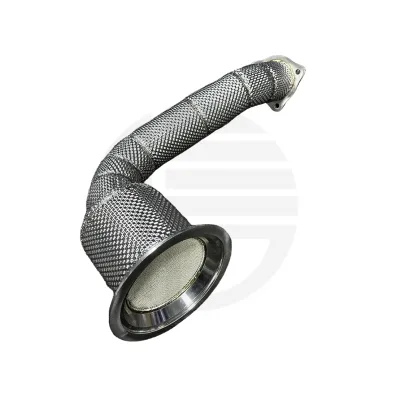
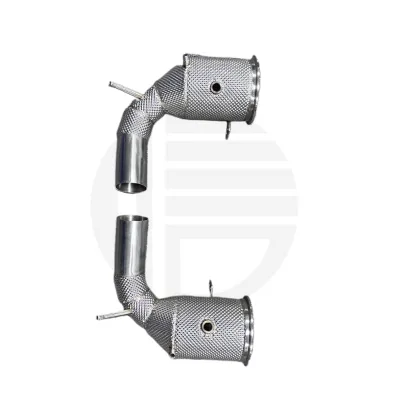
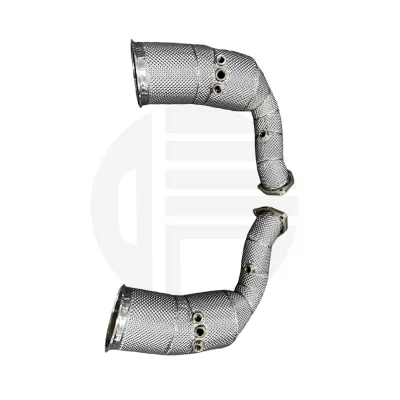
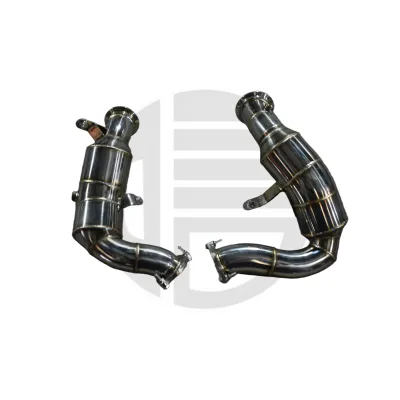


Exhaust Downpipe for Porsche Macan S Turbo 3.0t 3.6t 2014+ with Heat Shield
$280.00 - $298.00
MOQ: 1 Sets


Performance Downpipe for Porsche 718 Gt4 Exhaust Pipe with Heat Shield
$245.00 - $286.00
MOQ: 10 Pieces


Performance Downpipe for Porsche Macan S 2.0t 2014-2017 with Heat Shield
$154.00 - $174.00
MOQ: 10 Pieces


Jagrow CE Approved Brushed Exhaust Downpipe for Porsche Cayenne 958.2 3.6t
$175.00 - $199.00
MOQ: 5 Pieces
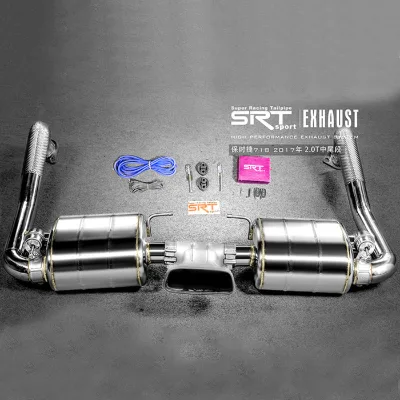
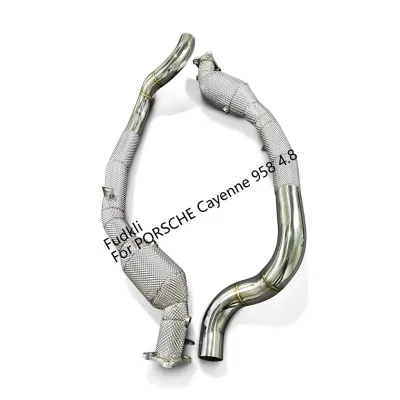
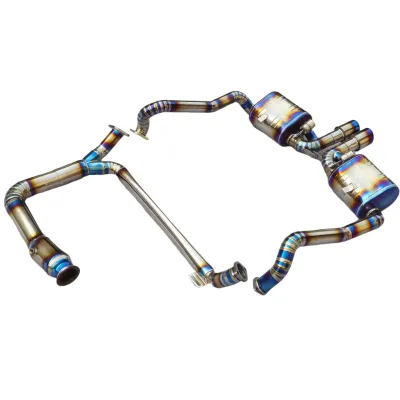
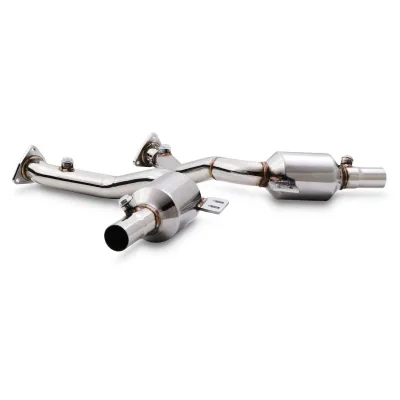
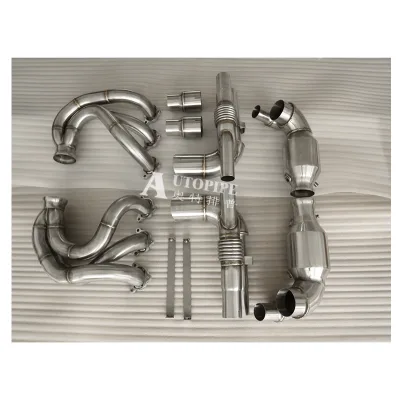
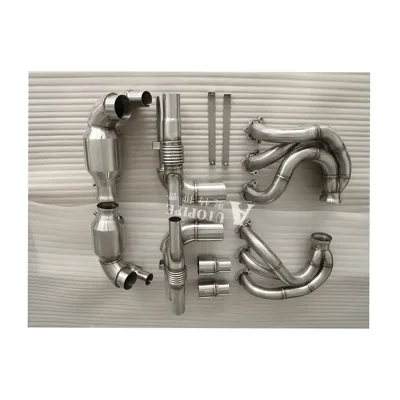
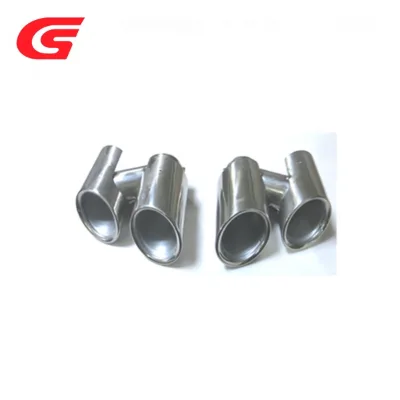
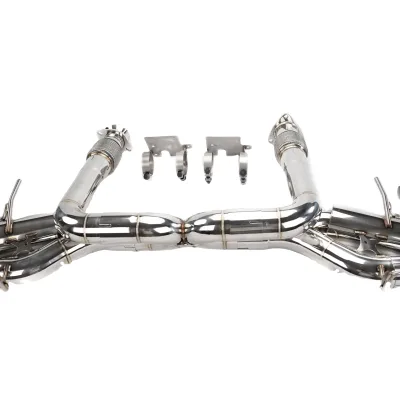
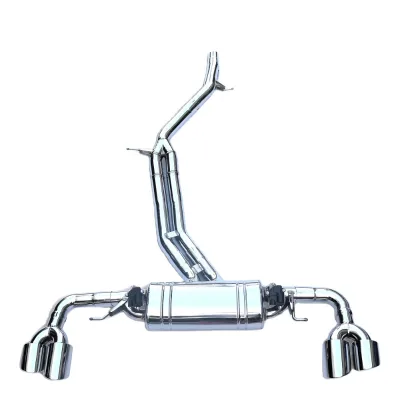
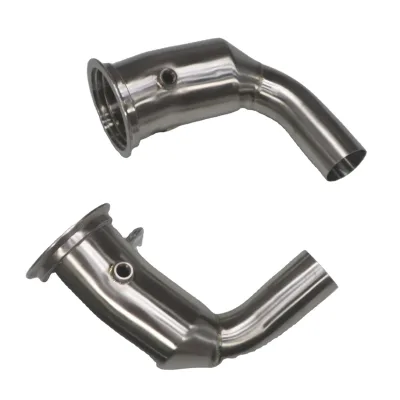
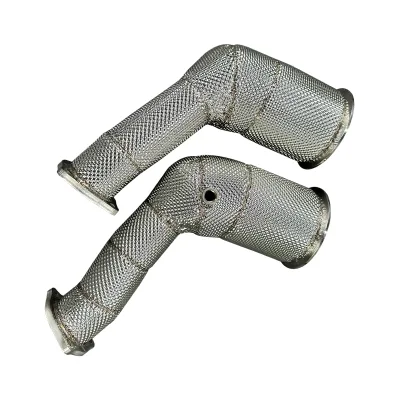
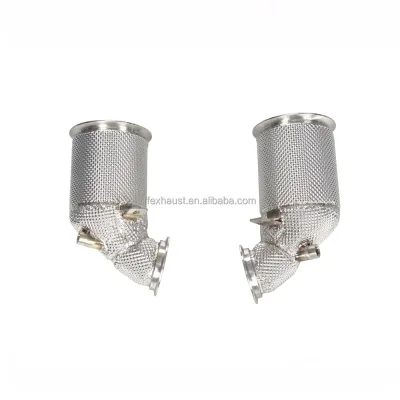
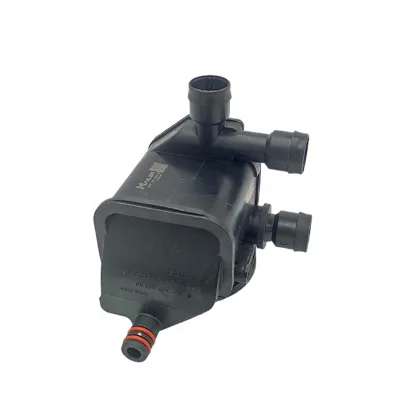
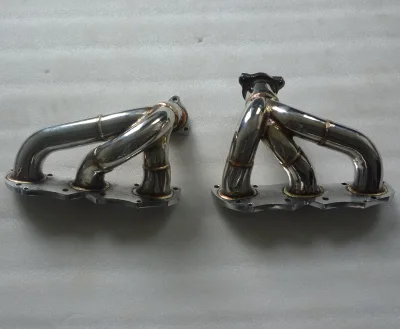
Por*sche 911 996 & 997 Turbo 45MM Bigger Bore Sports Exhaust Headers (Manifolds)
$152.88 - $203.87
MOQ: 30 Minimum
Comprehensive Sourcing Guide
Porsche Downpipe with Smooth Connection Sourcing Guide
Sourcing a Porsche downpipe with a smooth connection requires a disciplined approach to identifying components that balance performance gains with legal compliance and fitment precision. Buyers must recognize that "smooth connection" typically refers to flange design or internal geometry intended to reduce backpressure and improve exhaust flow efficiency. This specific configuration is critical for turbocharged Porsche models, where the downpipe serves as the primary link between the turbocharger outlet and the rest of the exhaust system. The structural integrity of this connection point directly influences vehicle performance, noise characteristics, and long-term durability under high-temperature operating conditions.
Procurement teams should prioritize suppliers who provide detailed compatibility matrices for specific Porsche chassis codes, such as the 992, 976, and 958.2 platforms. The market offers variations tailored for different engine displacements, including 2.0T, 2.9T, 3.0T, and 3.6T configurations. Verification of the exact model year range is essential, as Porsche frequently updates mounting points and sensor locations across model generations. A mismatch in these physical dimensions can lead to installation failures or the need for costly custom fabrication, undermining the value proposition of the component.
Product Scope and Observed Listing Signals
The current market landscape for Porsche downpipes reveals a diverse range of product listings with significant variation in specifications and target applications. Observed data indicates a price range from 30 to 1310 USD, reflecting differences in material quality, manufacturing complexity, and brand positioning. Minimum Order Quantities (MOQ) typically start at one set or piece, allowing for flexible procurement strategies for both individual enthusiasts and small-scale distributors. This low barrier to entry enables buyers to sample products before committing to larger volumes, reducing initial risk exposure.
Listing attributes frequently highlight customization availability and specific fitment details, such as compatibility with Porsche 718 Boxster, Macan S Turbo, and 911 (992) models. Buyers should note that some listings specify mixed colors or silver finishes, which may indicate raw steel construction or specific coating treatments. The presence of CE and ISO certifications in some listings suggests adherence to certain manufacturing standards, though these should be verified independently. Understanding these signals helps buyers filter out irrelevant listings and focus on suppliers who demonstrate transparency in their product descriptions and technical capabilities.
Technical Specifications to Verify
Technical verification begins with confirming the physical dimensions and material composition of the downpipe. Standard sizes observed in the market include 805030 cm and 1469629 cm, though these likely refer to packaging dimensions rather than the component itself. The body material is predominantly steel, which offers durability and heat resistance but requires proper coating to prevent corrosion. Buyers must verify the exact internal diameter and flange bolt pattern to ensure a seamless fit with the turbocharger and catalytic converter sections. Any deviation in these measurements can result in exhaust leaks or improper sealing.
The design of the smooth connection is a critical technical factor that impacts exhaust gas velocity and turbo spool time. Buyers should request detailed engineering drawings or CAD files to assess the internal geometry and weld quality. Additionally, the presence of oxygen sensor bungs and mounting brackets must be confirmed for each specific Porsche model. Some listings mention Euro V discharge standards, which implies a design that may not include catalytic converters, raising legal and environmental compliance concerns. Understanding these technical nuances is essential for selecting a component that meets both performance goals and regulatory requirements.
Compliance and Safety Documentation
Compliance with emission standards is a paramount concern when sourcing aftermarket downpipes, particularly for markets with strict environmental regulations. The Euro V standard is mentioned in some listings, indicating a design that may bypass catalytic conversion. Buyers must carefully assess the legal implications of installing such components in their target markets, as many regions prohibit the use of non-compliant exhaust systems on public roads. Documentation from suppliers regarding emission testing or homologation status is crucial for mitigating legal risks and ensuring that the product can be legally sold and installed.
Safety documentation should also include material safety data sheets (MSDS) and manufacturing quality certificates. Certifications such as CE and ISO TS indicate that the supplier follows recognized quality management systems, which can reduce the risk of manufacturing defects. Buyers should verify the authenticity of these certifications by checking with the issuing bodies. Additionally, understanding the noise source characteristics, such as mechanical or aerodynamic noise, helps in predicting the acoustic profile of the exhaust system. This information is valuable for buyers who need to ensure that the product meets local noise ordinances and customer expectations.
Cost Drivers and Commercial Terms
Cost drivers for Porsche downpipes include material costs, manufacturing complexity, and certification expenses. Steel construction is common, but the thickness of the material and the quality of the welds significantly impact the final price. Customization options, such as specific flange designs or sensor placements, can also increase costs due to the additional engineering and tooling required. Buyers should analyze the price-to-quality ratio carefully, as extremely low prices may indicate inferior materials or poor manufacturing practices that could compromise performance and safety.
Commercial terms such as MOQ, lead times, and payment conditions vary among suppliers. While many suppliers offer an MOQ of one set, larger orders may qualify for volume discounts. Packaging standards, such as carton or neutral packing, affect shipping costs and product protection during transit. Buyers should negotiate clear terms regarding warranty coverage and return policies to protect against defective products. Understanding these commercial dynamics allows for more accurate budgeting and risk management, ensuring that the total cost of ownership remains within acceptable limits.
Supplier Qualification and Quality Control
Supplier qualification involves a thorough assessment of the manufacturer's capabilities, reputation, and quality control processes. Buyers should verify the supplier's location, with many manufacturers based in Guangdong, China, a hub for automotive parts production. Checking the supplier's production capacity, equipment, and workforce expertise provides insight into their ability to meet demand and maintain consistent quality. Requesting samples and conducting independent inspections can help validate the supplier's claims regarding material quality and manufacturing standards.
Quality control measures should include rigorous testing for dimensional accuracy, material composition, and structural integrity. Buyers should inquire about the supplier's inspection protocols, such as pre-production samples, in-process checks, and final random inspections. Certifications like ISO TS indicate a commitment to quality management, but buyers should also look for evidence of continuous improvement and customer feedback mechanisms. Establishing a strong relationship with a qualified supplier ensures a reliable supply chain and reduces the risk of disruptions or quality issues in the future.
Long-Term Procurement Checks
Long-term procurement success depends on establishing robust monitoring and evaluation mechanisms for supplier performance. Buyers should track key performance indicators such as on-time delivery rates, defect rates, and responsiveness to issues. Regular audits and periodic re-evaluations of supplier qualifications help ensure that quality standards are maintained over time. Building a diversified supplier base can mitigate risks associated with single-source dependencies, providing flexibility in case of supply chain disruptions or quality concerns.
Continuous market monitoring is essential to stay informed about emerging trends, new technologies, and regulatory changes in the automotive aftermarket industry. Buyers should engage with industry networks and attend trade shows to identify new suppliers and innovative products. Feedback loops with end-users can provide valuable insights into product performance and customer satisfaction, guiding future procurement decisions. By maintaining a proactive and disciplined approach to supplier management, buyers can secure high-quality Porsche downpipes that meet their performance and compliance requirements consistently.
FAQs
What certifications do the exhaust pipes have?
The exhaust pipes carry CE and TS certifications for safety compliance. Some listings also show ISOCE certification alongside the TS component label. These documents verify the product meets specific international standards for automotive exhaust systems before shipping.
Which Porsche models fit these downpipes?
These downpipes fit multiple Porsche models including the 718 Boxster, Macan S Turbo, and 911 992. Specific listings cover the Cayenne Coupe and Panamera GTS with various engine sizes. Always verify the exact model year and engine code for proper installation.
Can I request customization for these parts?
Customization is available for these exhaust pipe products upon request. Buyers can specify unique requirements to match their vehicle needs. The supplier offers flexible options to tailor the product specifications while maintaining the core quality standards required for performance.
What is the minimum order quantity for purchase?
The minimum order quantity is one set or one piece depending on the specific listing. Some products allow a single unit purchase while others may require a set. This low MOQ makes it accessible for small businesses or individual buyers to test the product.
How are these products packaged for shipping?
Products are typically packed in cartons or neutral packing materials for safe transport. The packaging dimensions vary based on the specific model and size of the exhaust pipe. This ensures the steel components arrive without damage during international shipping from the origin location.
Where are these exhaust pipes manufactured?
These exhaust pipes originate from China, specifically from the Guangdong region. The manufacturing location ensures competitive pricing while adhering to international discharge standards like Euro V. Buyers can expect consistent quality from this established production hub for automotive parts.
What materials are used for the body construction?
The body material for these exhaust pipes is constructed from durable steel. This material choice provides the necessary strength and heat resistance for high-performance engines. The steel construction ensures longevity and reliability under the demanding conditions of automotive exhaust systems.