Source Porous Wood Aquarium Shrimp Nest for fish tanks, shrimp breeding, and turtle habitats
Compare 30 listings for Porous Wood Aquarium Shrimp Nest options suitable for fish tanks, shrimp breeding, and turtle habitats. Buyers can review specifications like size, material, and usage to find the best fit for their aquatic setups.
Key considerations
Products List
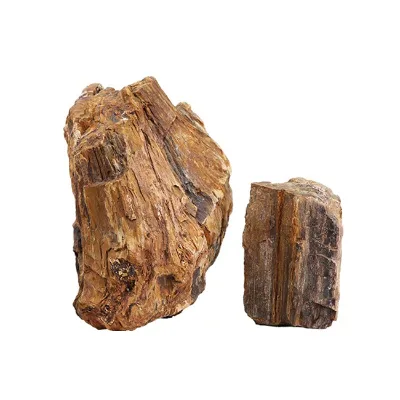
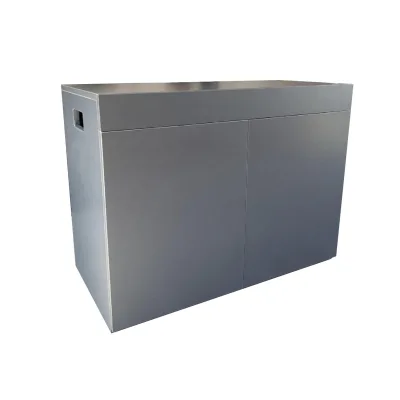
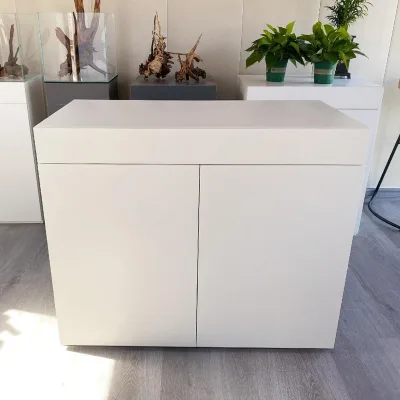
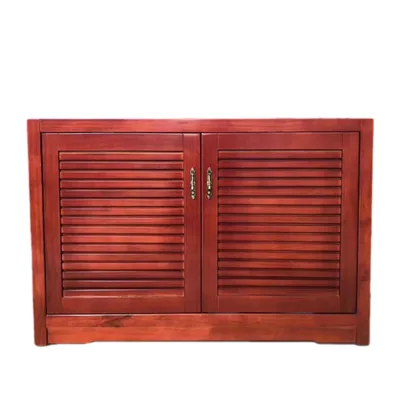
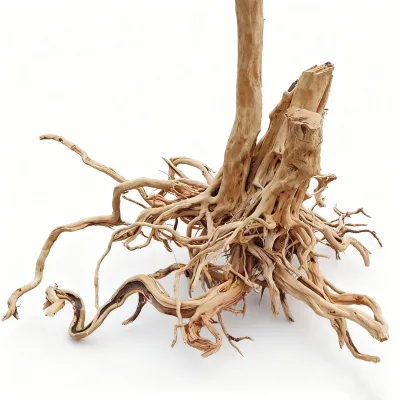
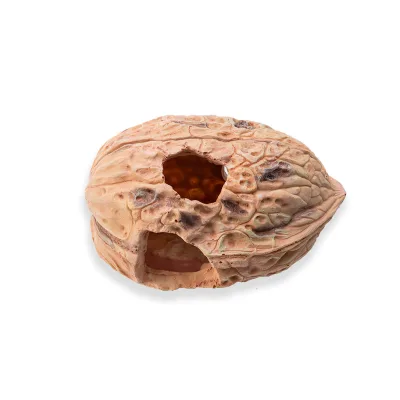
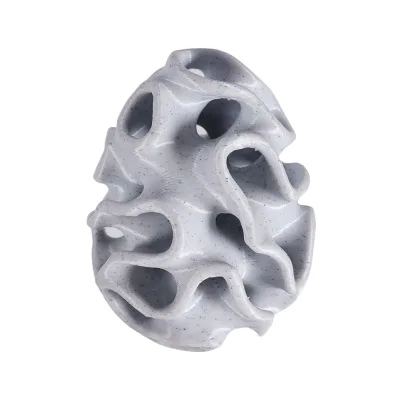
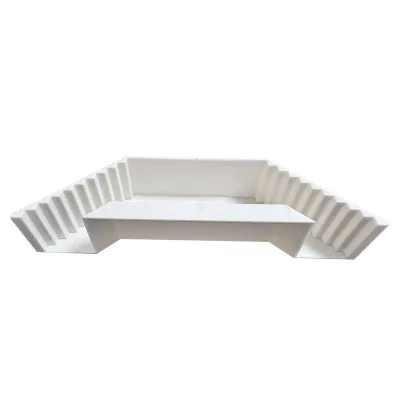
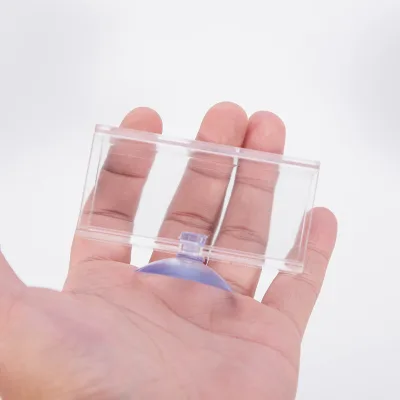
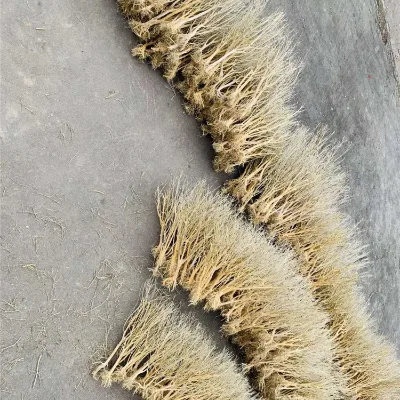


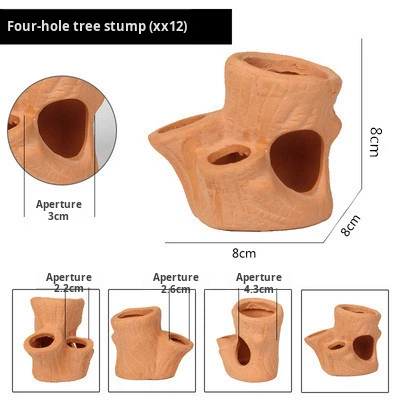


$20.00 - $50.00
MOQ: 100 Pieces


Detachable Stack Small Betta Tank Transparent Desktop Fish Breeding Box
$2.44 - $19.09
MOQ: 200 Pieces
Comprehensive Sourcing Guide
Strategic Sourcing Guide for Porous Wood Aquarium Shrimp Nests
The procurement of specialized aquascaping materials, specifically porous wood designed for shrimp habitats, requires a nuanced understanding of product attributes, biological compatibility, and supply chain logistics. Buyers entering this market must distinguish between general aquarium driftwood and specific substrates engineered to support crustacean life cycles. The following guide synthesizes available product data and industry standards to provide a disciplined framework for sourcing these critical aquascaping components.
Technical Specifications and Material Composition
When evaluating porous wood for shrimp nests, the primary technical focus must be on material density, porosity, and structural integrity. The supplied product data indicates that "Aquarium sinking wood" is a distinct category, often characterized by specific size ranges and natural origins. For instance, observed specifications list sizes ranging from 20-60cm, which suggests a variability in the physical dimensions available in the market. This range is critical for buyers, as the size of the wood directly influences the micro-habitat it creates for shrimp.
Material composition is another vital technical parameter. The data highlights "Natural wood fossil of fish tank" and "Aquarium sinking wood" as distinct product names, implying a difference in processing or origin. One entry specifies the material as "Environmentally friendly wood," while another lists "Wooden" as the material for a cabinet, and yet another mentions "Rhododendron root" as a model number. This variation suggests that sourcing for shrimp nests requires careful verification of the wood type. Shrimp require wood that is naturally porous to allow for the colonization of biofilm, which serves as a primary food source. The presence of "Tetra" as a species attribute in the data, while likely referring to fish, underscores the importance of ensuring the wood is non-toxic to all aquatic life, including sensitive crustaceans.
Buyers should verify the following technical attributes before placing orders:
- Porosity: The wood must be sufficiently porous to support bacterial growth without collapsing.
- Density: The wood should sink or remain stable at the substrate level, as indicated by the "sinking wood" designation.
- Dimensions: The observed size range of 20-60cm provides a baseline, but specific nest sizes may vary based on the supplier's inventory.
- Chemical Stability: The wood must not leach harmful tannins or chemicals that could alter water parameters to levels detrimental to shrimp.
Biological Compatibility and Habitat Requirements
The biological requirements for shrimp differ significantly from those of fish, necessitating a specialized approach to material selection. The product data explicitly lists "Applicable Pet: Fish, Shrimp, Turtle" for certain items, confirming that some wood products are marketed for multi-species environments. However, the specific need for a "nest" implies a requirement for complex structures where shrimp can hide, molt, and reproduce safely.
The "effect" of the product is listed as "Aquarium decoration," but for shrimp, the function extends beyond aesthetics. The porous nature of the wood provides a surface area for beneficial bacteria and microorganisms. The data mentions "Aquarium driftwood" and "aquarium sinking wood" as keywords, which are essential for creating the necessary micro-environment. Shrimp are particularly sensitive to water chemistry changes; therefore, the wood must be pre-treated or naturally aged to ensure it does not spike ammonia or nitrite levels upon introduction to the tank.
Buyers must ensure that the selected wood supports the specific life stages of shrimp. Juvenile shrimp are highly vulnerable and require dense, intricate hiding spots. The "Circular" pattern and "Round" shape attributes found in the data may refer to the cross-section of the wood or the arrangement of the pieces. A supplier offering "Rhododendron root" or similar natural root structures may provide the complex branching patterns that shrimp prefer for nesting. It is crucial to verify that the wood is free from pesticides or preservatives, as these are common contaminants in untreated timber that can be fatal to sensitive invertebrates.
Cost Drivers and Pricing Dynamics
The observed price range for aquarium-related products in the market spans from $0.42 to $2,200. This vast disparity indicates that pricing is heavily influenced by the scale, type, and processing of the product. For a buyer sourcing porous wood for shrimp nests, the cost drivers will likely include the following factors:
- Material Rarity: Natural driftwood or specific root types (e.g., Rhododendron) may command higher prices due to the difficulty of harvesting and processing.
- Processing Level: Wood that has been cleaned, sterilized, and shaped into specific nest-like structures will cost more than raw, unprocessed logs.
- Volume and Packaging: The data shows packaging details ranging from "In bags" to "bottled" or "Box." Bulk packaging in bags may reduce unit costs, while individual boxing for premium products increases the price.
- Supply Chain Complexity: Products originating from specific regions like "Shandong, China" or dispatched from "Qingdao" may have different logistics costs compared to other origins.
The "Supply Ability" varies significantly, with some products listed at "5000 pieces per Month" and others at "50 barrels per Month." This discrepancy suggests that high-volume, standardized products are cheaper, while niche, hand-sorted, or rare wood types are more expensive. Buyers should anticipate that high-quality, shrimp-specific driftwood will likely fall in the mid-to-high range of the observed spectrum, particularly if it requires specialized cleaning or certification.
Supplier Evaluation and Verification Protocols
Evaluating suppliers for porous wood products requires a rigorous verification process to ensure product consistency and reliability. The data provides several key identifiers that buyers can use to vet potential partners. The "Brand Name" "houyi" appears in the context of a "Natural wood fossil," while other entries list "Oak/pine/Blister sheet" as model numbers. This suggests that some suppliers may rebrand generic products or offer a wide range of wood types under different model numbers.
Buyers should prioritize suppliers who can provide clear documentation regarding the origin and treatment of the wood. The "Place Of Origin" is listed as "China" and "Shandong, China," which are common hubs for aquascaping materials. However, the specific location of the supplier within these regions can impact quality control and shipping times. The "Port of dispatch" being "Qingdao" is a standard logistics point, but buyers should confirm if this is the primary port or if there are alternative shipping routes that might affect lead times.
Key evaluation criteria for suppliers include:
- Product Consistency: Can the supplier consistently provide wood with the same porosity and size range (20-60cm)?
- Transparency: Does the supplier clearly label the wood type (e.g., Rhododendron root, Oak, Pine) and its intended use?
- Capacity: Does the "Supply Ability" match the buyer's volume requirements? A supplier with a capacity of "50 barrels per Month" may not be suitable for large-scale commercial operations compared to one with "5000 pieces per Month."
- Packaging Integrity: The data mentions "In bags," "bottled," and "Box." Buyers must ensure that the packaging protects the wood from damage and contamination during transit.
Quality Control and Compliance Checks
Quality control is paramount when sourcing wood for sensitive aquatic environments. The "Feature" attributes listed include "Eco-Friendly" and "Stocked," which are positive indicators but require independent verification. Buyers should not rely solely on these claims but must request evidence of compliance with relevant standards.
The "Warranty" of "1 Year" is mentioned for a "fish tank base cabinet," which is a different product category, but it highlights that warranty terms can vary by product type. For porous wood, buyers should verify if there are any guarantees regarding the wood's stability, lack of toxicity, or longevity in the aquarium environment. The "Color" attributes, ranging from "Brown" to "White, Grey, chestnut, wood color," indicate that the wood may be treated or naturally varied. Buyers must ensure that any coloration is natural or derived from safe, non-toxic dyes.
Compliance checks should focus on:
- Toxicity Testing: Verification that the wood does not contain heavy metals or harmful chemicals.
- Sterilization: Confirmation that the wood has been properly sterilized to prevent the introduction of pests or pathogens.
- Sustainability: Ensuring that the wood is harvested sustainably, aligning with "Eco-Friendly" claims.
- Dimensional Accuracy: Checking that the size specifications (e.g., 20-60cm) are accurate and consistent across batches.
Typical Applications and Market Segmentation
The primary application for porous wood is "Fish tank Landscaping" and "Bearing the fish tank," though the latter refers to cabinets. For shrimp specifically, the wood serves as a critical habitat component. The "Usage" is explicitly stated as "Aquarium decoration" and "Bearing the fish tank," but the biological function is more nuanced. Shrimp require these structures for molting, hiding from predators, and foraging.
The data mentions "Applicable Pet: Fish, Shrimp, Turtle," indicating that these products are often marketed as multi-species solutions. However, the specific needs of shrimp, such as the requirement for fine, porous surfaces for biofilm growth, distinguish them from fish or turtle habitats. The "Model Number" variations, such as "HOUYI" or "Rhododendron root," suggest that different suppliers target different market segments, from general aquarium enthusiasts to specialized shrimp keepers.
Buyers should consider the following application scenarios:
- Home Aquariums: Smaller quantities of varied sizes for aesthetic and functional purposes.
- Commercial Breeding Facilities: Larger volumes of standardized sizes for mass shrimp production.
- Public Displays: High-quality, visually appealing wood for public aquariums where durability and aesthetics are paramount.
Long-Term Procurement Considerations
Sourcing porous wood for shrimp nests is not a one-time transaction but a long-term relationship that requires careful planning. The "Lead time" and "MOQ" (Minimum Order Quantity) are critical factors for long-term planning. The observed MOQ range of 1-200 units suggests flexibility, but buyers should negotiate terms that align with their inventory management strategies.
The "Supply Ability" of "5000 pieces per Month" or "50 barrels per Month" indicates that suppliers have varying capacities. Buyers should assess whether the supplier can scale their production to meet future demand without compromising quality. The "Port of dispatch" being "Qingdao" is a stable logistics hub, but buyers should monitor potential disruptions in the supply chain, such as seasonal weather patterns or geopolitical issues.
Long-term considerations also include the sustainability of the wood source. As the demand for natural driftwood increases, buyers should prioritize suppliers who demonstrate a commitment to sustainable harvesting practices. The "Eco-Friendly" feature is a strong indicator, but buyers should seek third-party certifications or documentation to support these claims. Additionally, the "Warranty" and after-sales support should be evaluated to ensure that any issues with the wood, such as unexpected leaching or structural failure, can be addressed promptly.
In conclusion, sourcing porous wood for shrimp nests requires a comprehensive approach that balances technical specifications, biological compatibility, cost efficiency, and supplier reliability. By adhering to the guidelines outlined in this guide, buyers can make informed decisions that ensure the health and vitality of their shrimp populations while maintaining a sustainable and efficient supply chain.
FAQs
What material is used for the Porous Wood Aquarium Shrimp Nest?
The product uses environmentally friendly wood or natural wood fossils. Some listings specify Rhododendron root or pine as the material type. Ensure the wood is non-toxic and suitable for sensitive aquatic life like shrimp.
Which size range is available for the aquarium sinking wood?
The observed size range for the aquarium sinking wood is 20 to 60 centimeters. Specific dimensions vary by model, with some options listed as pine or oak roots. Buyers should verify exact dimensions against their tank requirements.
How is the porous wood packaged for shipping?
Packaging details indicate the wood is shipped in bags, bottles, or boxes depending on the specific product. Some items are packed in bags while others use bottled packaging. Check the specific listing for the exact packaging method to ensure safe transit.
Can this wood be used for shrimp, fish, and turtles?
Yes, the product is explicitly listed as applicable for fish, shrimp, and turtles. The wood serves as both decoration and a functional habitat for these pets. Verify the specific model number to confirm compatibility with your intended species.
What is the supply capacity for these aquarium wood products?
Supply ability varies significantly, with some products offering 5000 pieces per month and others 50 barrels per month. This difference reflects the scale of production and the specific type of wood. Buyers should confirm capacity before placing large orders.
Where is the place of origin for these aquarium products?
The products originate from China, with specific mentions of Shandong as the place of origin. The port of dispatch is typically Qingdao. This location is a common hub for aquascaping materials and related accessories.
What features does the aquarium driftwood possess?
The wood features are described as eco-friendly, stocked, and water proof. It is designed for fish tank landscaping and bearing the fish tank. These attributes ensure the wood is suitable for long-term use in aquatic environments.