Source Portable Butane Torch for Barbecue, camping, and kitchen
Find 30 Portable Butane Torch for Barbecue options from verified suppliers. Compare features like windproof design, refillable gas capacity, and customization for BBQ, camping, and kitchen heating needs.
Key considerations
Products List


Butane Blow Torch Lighter Culinary Torch Chef Professional Cooking Torches
$5.50 - $7.00
MOQ: 200 Pieces

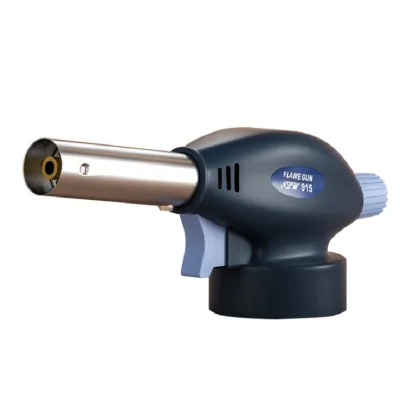
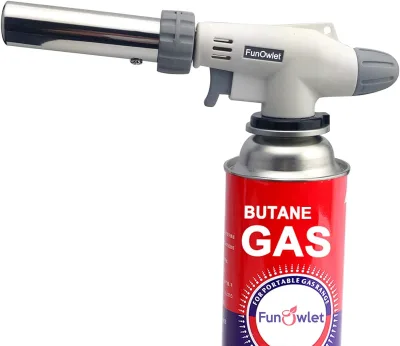
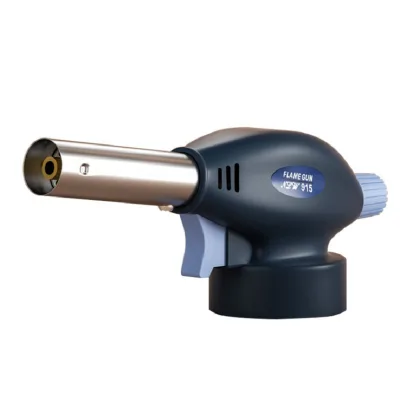
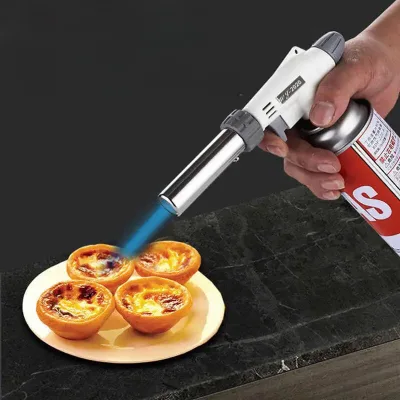
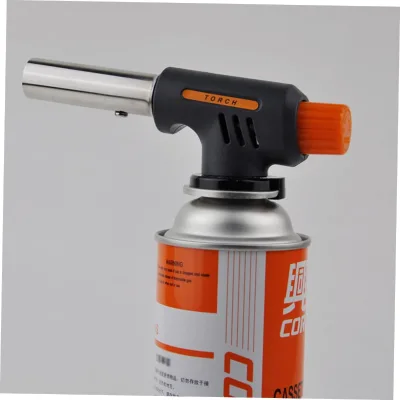
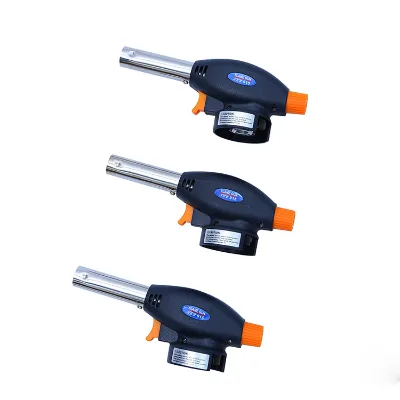

Portable Metal Flame Gun BBQ Heating Ignition Butane Camping Welding Gas Torch Lighters
$0.04 - $0.05
MOQ: 300000 Pieces


BBQ Lighter for Picnic Camping Torch Kitchen Lighter Electric Candle Lighter
$0.53 - $0.78
MOQ: 200000 Pieces


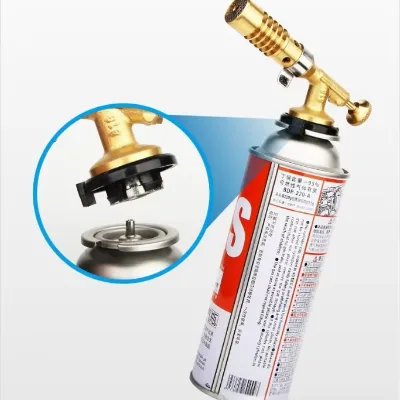
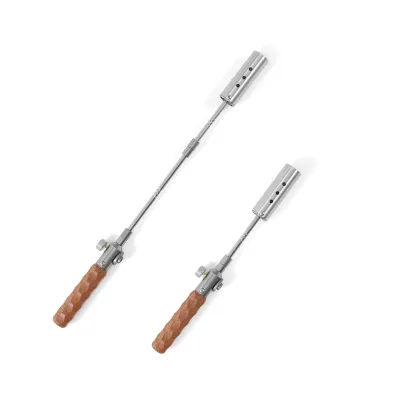

Butane Gas Inflatable Plastic Cigar BBQ Torch Lighter for Kitchen and Camping
$0.45 - $0.50
MOQ: 48000 Pieces


Cheap Outdoor Camping Hiking Butane Gas Torch Butane Gas Canister Butane Gas
$0.35 - $0.40
MOQ: 4000 Pieces

Comprehensive Sourcing Guide
Sourcing Guide for Portable Butane Torch for Barbecue
Understanding Product Specifications and Variations
When sourcing a Portable Butane Torch for Barbecue applications, buyers must first navigate the diverse technical specifications available in the current market. The core product is defined as a gas-powered ignition tool designed for high-heat applications, often featuring refillable mechanisms. Based on observed market data, these devices are frequently constructed from zinc alloy or general metal materials, ensuring durability against the high temperatures generated during cooking. The physical dimensions of these torches vary significantly depending on the intended use case, ranging from compact units measuring approximately 77mm in length to larger models reaching up to 157mm.
A critical observation in the product landscape is the variation in jet configurations. Many high-performance units advertise "Triple Jet" capabilities, which are marketed as providing windproof performance and strong flames essential for outdoor cooking. The fuel source is consistently identified as butane gas, with the products explicitly labeled as refillable. This refillable nature is a key differentiator from disposable lighters, offering a more sustainable and cost-effective solution for frequent barbecue use. The color options for these torches are extensive, with common listings including black, blue, gold, silver, grey, orange, pink, and green, allowing buyers to select units that match specific branding or aesthetic preferences.
The packaging specifications also vary widely, influencing logistics and storage costs. Some models are shipped in single gift boxes, while others are packed in bulk cartons containing anywhere from 48 to 200 pieces per unit. Carton dimensions are equally diverse, with observed sizes ranging from compact 430x430x270mm boxes to larger 148x120x54cm containers. Weight per carton can fluctuate between 18kg and 27kg, which is a vital factor for freight cost calculations. Buyers should verify the single package size, which often measures around 20x10x10 cm, to ensure compatibility with their internal warehousing systems.
Compliance and Certification Verification
In the B2B procurement of gas-powered tools, verifying compliance and certification is paramount for liability management and market access. While the specific certification status of every listed product cannot be universally asserted without individual verification, the market data indicates that CE certification is a common standard observed for these devices. This certification suggests adherence to European health, safety, and environmental protection standards, which is often a prerequisite for selling in European markets.
Buyers must approach certification claims with a rigorous verification mindset. The presence of a "CE" mark on a product listing should be treated as an observation rather than a guaranteed fact for every unit in a shipment. Procurement teams should request valid, up-to-date test reports and certificates from the supplier before finalizing orders. It is essential to confirm that the certification covers the specific model number and the specific gas pressure ratings of the torch. Relying on generic claims without documented proof can lead to customs delays or legal issues in the destination market.
Furthermore, while some background knowledge suggests standards like ISO 27001, these are typically related to information security rather than product safety for gas torches. Buyers should not assume product safety based on unrelated corporate certifications. Instead, the focus must remain on product-specific safety standards related to gas containment, flame stability, and material heat resistance. The absence of a specific standard number in the provided data means buyers must explicitly ask suppliers for the applicable safety standards, such as those governing portable gas appliances, to ensure the product meets the regulatory requirements of their target region.
Cost Drivers and Pricing Structures
The pricing of portable butane torches is influenced by a complex interplay of material costs, customization levels, and order volume. The observed price range in the market spans from $0.04 to $10.00 USD, a wide spectrum that reflects the difference between basic, unbranded units and premium, highly customized models. Several factors drive these costs. The primary material, zinc alloy, offers a balance of durability and cost, but the thickness and finish of the metal can significantly impact the unit price. Models with advanced features like triple jet nozzles or windproof engineering typically command higher prices within this range.
Customization is a major cost driver. The ability to apply OEM logos via laser printing is a standard service, but the minimum order quantities (MOQ) for these services vary. Data indicates that laser printing may require a minimum of 200 pieces for a single color, while other customization options might require 500 pieces per color. Orders below these thresholds may incur higher per-unit costs or be unavailable. Additionally, the packaging method plays a role; units packaged in individual gift boxes or with DIY logo options will cost more than those shipped in bulk paper boxes.
The MOQ itself is a critical variable in cost management. While some suppliers offer low entry points with an MOQ of 1 piece for sampling, bulk orders often have higher thresholds, such as 1000 pieces. The relationship between volume and price is non-linear; a jump from 100 to 1000 units can drastically reduce the per-unit cost, but a jump from 1000 to 300,000 units may yield diminishing returns. Buyers must balance the need for inventory depth with the upfront capital required to meet these MOQs. The carton weight and size also affect the landed cost, as heavier and larger cartons increase freight expenses, which must be factored into the total cost of ownership.
Typical Applications and Functional Requirements
The functional versatility of portable butane torches makes them suitable for a wide array of applications beyond simple ignition. The primary use case is clearly identified as barbecue and cooking, where the strong, windproof flames are essential for searing meats and lighting charcoal. The "Machine-Made Charcoal" compatibility mentioned in the data suggests these torches are designed to work efficiently with modern grilling fuels. Beyond barbecue, the products are frequently marketed for camping and heating purposes, highlighting their portability and reliability in outdoor environments.
In commercial settings, these torches serve as tools for culinary professionals. The "Triple Jet" feature and heat resistance are particularly valuable in kitchen environments where precision and speed are required. The ability to easily clean the unit is another functional requirement that supports frequent use in professional kitchens. The "Non-Stick" and "Waterproof" attributes, while sometimes associated with cookware, also apply to the maintenance of the torch itself, ensuring longevity in wet or greasy conditions.
The application extends to business and gift markets as well. The "Gifts/Business" classification indicates that these torches are often packaged and sold as promotional items or corporate gifts. The availability of custom colors and laser-printed logos makes them ideal for branding campaigns. The "Easy Handle" feature enhances user experience, making the torch accessible to a broad demographic, from professional chefs to amateur campers. Buyers should align their product selection with the specific demands of their target market, ensuring the features match the intended usage scenario.
Supplier Evaluation and Sourcing Strategy
Evaluating suppliers for portable butane torches requires a focus on manufacturing capability, customization flexibility, and logistical reliability. The data indicates that the primary place of origin for these products is China, with specific mentions of Hebei as a manufacturing hub. This concentration of production suggests a mature supply chain with established expertise in metalworking and gas appliance assembly. However, buyers should not rely solely on location data; they must verify the specific factory capabilities of the supplier.
Key evaluation criteria include the supplier's ability to handle the observed MOQ ranges, which span from 1 to 300,000 pieces. A supplier capable of fulfilling both small sampling orders and large-scale production runs offers greater flexibility. The customization options, such as laser printing on 200 or 500-piece batches, should be assessed for quality and consistency. Buyers should request samples to verify the quality of the laser engraving and the durability of the zinc alloy construction.
Logistics is another critical factor. The variation in carton sizes and weights (ranging from 18kg to 27kg per carton) means that suppliers must have robust packaging and shipping processes to prevent damage during transit. Buyers should inquire about the supplier's experience with international shipping and their ability to optimize container loading to reduce freight costs. The "OEM/ODM" branding status suggests that many suppliers are willing to work with buyers on private label projects, but the terms of these agreements, including lead times and intellectual property protection, must be clearly defined in the contract.
Quality Control and Long-Term Procurement Considerations
Implementing a rigorous quality control (QC) process is essential for mitigating risks associated with gas-powered products. Given the safety implications of handling butane gas, buyers should establish clear acceptance criteria for flame stability, leak testing, and material integrity. The observed "Heat Resistance" and "Windproof" claims must be validated through third-party testing or on-site inspections. A standard QC protocol should include sampling from different production batches to ensure consistency in the zinc alloy finish and the functionality of the ignition mechanism.
Long-term procurement considerations involve building a sustainable supply chain. The availability of refillable mechanisms suggests a product lifecycle that extends beyond a single use, which aligns with growing environmental sustainability goals. Buyers should prioritize suppliers who demonstrate a commitment to quality and safety over the long term, rather than those offering the lowest short-term price. The ability to scale production from 1000 pieces to 300,000 pieces indicates a supplier's capacity to grow with the buyer's business, but this capacity must be backed by reliable lead times and consistent quality.
Furthermore, the market for these torches is dynamic, with new features and designs emerging regularly. Buyers should maintain a relationship with their suppliers that allows for continuous improvement and adaptation to market trends. This includes staying informed about changes in safety regulations, material availability, and consumer preferences. By focusing on quality, compliance, and supplier reliability, buyers can ensure a steady supply of high-performance portable butane torches that meet the demands of the barbecue and outdoor cooking markets.
Comparative Analysis of Product Attributes
To assist buyers in making informed decisions, the following table summarizes the key variations observed in the product specifications. This comparison highlights the diversity in dimensions, packaging, and features that buyers must consider when selecting a supplier.
| Attribute | Variation A | Variation B | Variation C |
|---|---|---|---|
| Product Model | Gas Torch Big Flames | Cooking Torch Lighter | Torch Gas Lighter |
| Dimensions | 157x41x100 mm | 77x40x16.5 mm | 12.7x5 cm |
| Material | Zinc Alloy | Metal | Metal |
| Carton Qty | 200 PCS | 48 PCS | 100 PCS |
| Carton Weight | 20 kg | 18 kg | 27 kg |
| Colors | Black, Blue, Gold, Silver | Black, Grey, Orange, White | Black, Blue, Pink, Green |
| Customization | Laser 200/500 PCS | Laser 200/500 PCS | Custom Logo |
| Certification | CE | CE | CE |
| MOQ | 1000 pcs | 1000 pcs | 1000 pcs |
This table illustrates that while the core function remains consistent, the physical and logistical parameters vary significantly. Buyers must carefully match these attributes to their specific operational needs, ensuring that the chosen product fits their storage constraints, branding requirements, and target market expectations.
FAQs
What materials are used for portable butane torches?
Most units are constructed from zinc alloy or general metal to ensure durability against high temperatures. Some listings specify metal construction, while others highlight zinc alloy for strength. Buyers should verify the specific material grade to ensure heat resistance and longevity for barbecue applications.
Can these torches be customized with a logo?
Yes, OEM logo customization is available via laser printing on the product surface. Minimum order quantities for printing typically start at 200 pieces for a single color or 500 pieces per color. Buyers must confirm the specific printing requirements with the supplier before placing an order.
Which certifications are commonly observed for these products?
CE certification is a common standard observed for these gas-powered devices in the market. This suggests adherence to European safety standards, but buyers must request valid test reports for specific models. Generic claims should not be accepted without documented proof of compliance for the specific unit.
How does the MOQ vary for bulk orders?
Minimum order quantities range from 1 piece for sampling up to 300,000 pieces for large-scale production. Some specific listings indicate an MOQ of 1,000 pieces for standard orders. Buyers should check the specific supplier threshold as it directly impacts the unit price and feasibility of the purchase.
What are the typical carton dimensions for shipping?
Carton sizes vary significantly, with observed dimensions ranging from 430x430x270mm to 148x120x54cm. Carton weights also fluctuate between 18kg and 27kg depending on the quantity and packaging style. These dimensions are critical for calculating freight costs and warehouse storage requirements.
What features make these torches suitable for windproof use?
Many high-performance units feature a triple jet configuration designed to provide windproof performance and strong flames. This design ensures reliable ignition even in outdoor conditions like camping or open-air barbecues. The gas refillable mechanism also supports consistent fuel delivery for sustained high-heat applications.
Where are these products typically manufactured?
The primary place of origin for these products is China, with specific manufacturing hubs noted in Hebei. Buyers should verify the specific factory location to assess logistics and supply chain reliability. The concentration of production in this region suggests a mature supply chain for metalworking and gas appliance assembly.