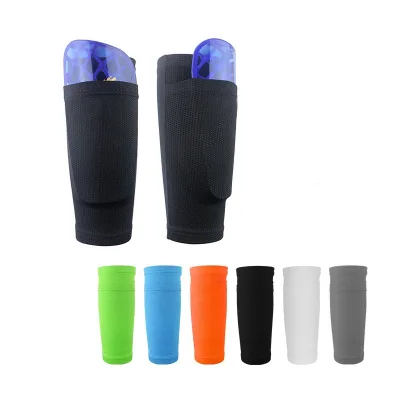
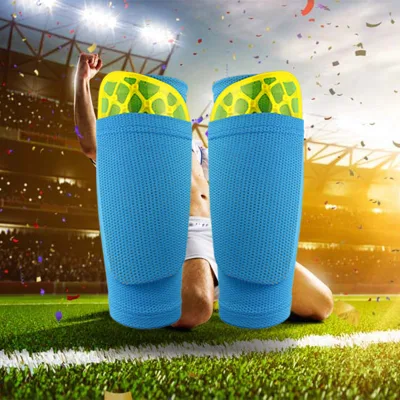
Source Portable Durable Shin Guard with Insert Leg Warmers for Garden, Forestry, and Agricultural Work
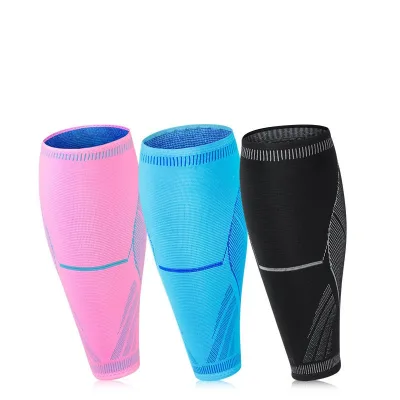
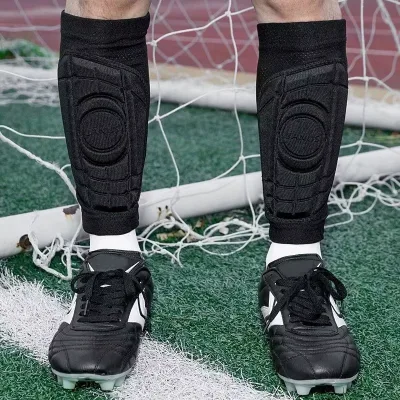
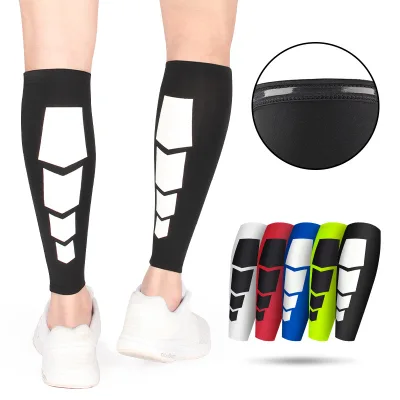
Find a Portable Durable Shin Guard with Insert Leg Warmers among 30 available options from Chinese manufacturers. Buyers can compare features like breathability, material types including nylon and polyester, and customization services for knee and shin protection in various industrial settings.
Key considerations
Products List


$4.10 - $5.10
MOQ: 1000 Pairs


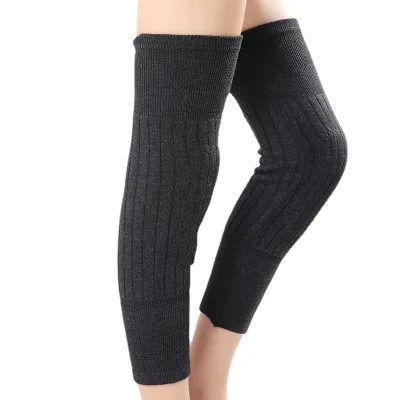
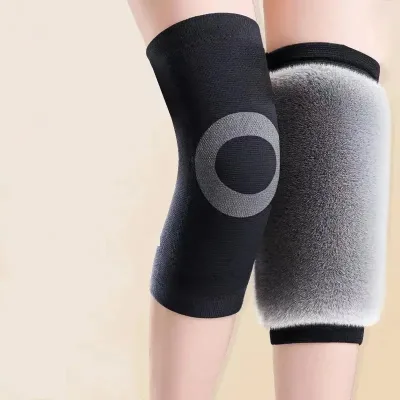
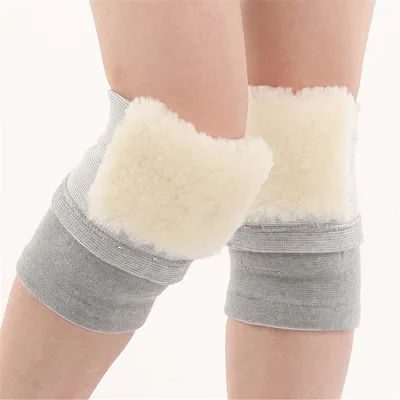
Morden Style Snow Self Heating Patch Down Leg Brace Warm Warmers Knee Protector
$1.40 - $1.55
MOQ: 100 Pieces


Hot Selling Shoulder Warmer Lumbar Back Support Belt Shoulder Warmer Brace
$1.08 - $1.53
MOQ: 100 Pieces

Hot Selling Upper Back Brace for Back Pain Upper Back Band Shoulder Brace Warmer
$2.30 - $2.83
MOQ: 100 Pieces

Promotion Upper Back Brace Back Support Belt Shoulder Warmer Brace Sport
$2.30 - $2.83
MOQ: 100 Pieces





Comprehensive Sourcing Guide
Strategic Sourcing Guide for Portable Durable Shin Guards with Insert Leg Warmers
Understanding the Product Category and Core Attributes
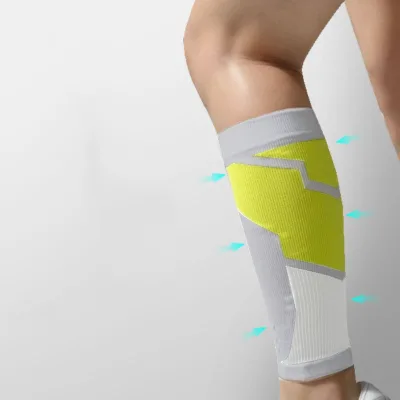
When sourcing portable durable shin guards with insert leg warmers, buyers must first distinguish between standalone protective gear and integrated systems that combine shin protection with leg coverage. The market offers distinct product configurations, ranging from basic shin guards to comprehensive calf sleeves that incorporate protective inserts. Based on current market observations, the core material composition for these items frequently involves Nylon and Polyester. These synthetic fibers are selected for their balance of durability, flexibility, and breathability, which are critical for active use in various environments.
The product attributes observed in the current supply landscape indicate a strong emphasis on customization. Suppliers commonly offer options for customized logos, allowing brands to white-label products effectively. The color palette is diverse, including Black, White, Brown, Gold, Red, Blue, Beige, and Silver, enabling buyers to match specific team or safety uniform requirements. Furthermore, the feature set consistently highlights breathability and flexibility, ensuring that the insert leg warmers do not restrict movement while providing necessary coverage. The thickness of these products varies, with observations noting "Medium" and "Normal" thickness levels, suggesting that buyers should verify the specific density required for their intended application rather than assuming a universal standard.
Packaging is another critical observation point. Products are typically shipped in OPP bags for individual units or Poly Bags and Master Cartons for bulk orders. This variation in packaging can impact logistics costs and storage efficiency. The origin of these goods is predominantly China, with specific manufacturing hubs noted in regions like Jiangsu. Understanding these baseline attributes is essential before diving into technical specifications or compliance requirements, as they form the foundation of the product definition.
Technical Specifications and Material Composition
Evaluating the technical specifications of shin guards with insert leg warmers requires a detailed look at the construction materials and design features. The primary materials identified in the supply chain are Nylon and Polyester. Nylon is often associated with high tensile strength and resistance to abrasion, making it suitable for the protective shell or the leg warmer fabric. Polyester, on the other hand, is frequently used for its moisture-wicking properties and durability, contributing to the "breathable" and "comfortable" attributes observed in product listings.
The design of these products often includes specific functional elements. For instance, some listings describe the item as a "Calf Sock" or "Calf Sleeve," which implies a tubular design that covers the lower leg. In contrast, other products are explicitly labeled as "Shin Guard" or "Knee Pad and Shin Guard," indicating a more rigid or structured protective element. The size specifications vary significantly, ranging from "Free Size" and "One fit all" to specific sizing options like S, M, and L. Buyers must carefully verify the sizing chart provided by the supplier, as "Free Size" does not guarantee a perfect fit for all body types, particularly when the product includes a rigid insert.
Thickness is a crucial differentiator. The observed market data lists "Medium" and "Normal" thickness levels. For applications requiring high-impact protection, such as forestry or agricultural work, a thicker, more robust material may be necessary. Conversely, for sports applications where flexibility is paramount, a "Medium" thickness might offer the optimal balance between protection and mobility. The product model numbers, such as ER9901B, ER9902, ER9904B, and ER9905, serve as unique identifiers for these variations. When requesting quotes, buyers should reference these specific model numbers to ensure they are comparing apples to apples regarding material density and protective capacity.
Compliance, Certification, and Safety Standards
Navigating the compliance landscape for shin guards and leg warmers is vital, especially when the products are intended for industrial or safety-critical applications. The observed product data references several standards, including "garden knee pad," "shin guard," "working knee pad shin guard," and "Knee and shin guard PPE." These labels suggest that the products are designed to meet specific safety requirements for different sectors. For example, items labeled for "Garden, Forestry, Agricultural Working" imply a need for protection against debris, branches, or minor impacts common in outdoor labor.
While the supply data mentions "CE" as a potential certification, it is categorized as low-confidence background information. Buyers should not assume that all listed products carry CE certification or any other specific regulatory approval. Instead, the procurement strategy must involve a direct verification process. Buyers should request copies of test reports or certification documents from the supplier to confirm compliance with relevant regional safety standards. For products marketed as PPE (Personal Protective Equipment), it is essential to verify that the manufacturer can demonstrate adherence to the specific standards applicable in the buyer's target market.
The "Protection Projects" listed in the data, such as "Knee and Shin Protection," indicate the intended scope of safety. However, the absence of explicit numerical test results in the provided data means that buyers cannot rely on marketing claims alone. It is the responsibility of the procurement team to define the required safety performance level, such as impact resistance or abrasion resistance, and to ensure the supplier can validate these claims through third-party testing. This due diligence is particularly important for industrial applications where failure of the protective gear could lead to significant injury.
Cost Drivers and Pricing Dynamics
The pricing for portable durable shin guards with insert leg warmers is influenced by a complex interplay of factors, including material costs, customization levels, and order volume. The observed price range in the market spans from $0.14 to $25.34 USD. This wide disparity highlights the diversity in product quality and complexity. The lower end of the spectrum likely corresponds to basic, non-customized leg warmers or simple shin guards with minimal protective inserts. In contrast, the higher price points are associated with advanced PPE-grade products, those with complex customization (such as specific logos or unique color schemes), and items with higher material density or specialized protective features.
Order Volume is a primary driver of cost. The Minimum Order Quantity (MOQ) observed ranges from 1 to 100,000 units. Suppliers offering low MOQs, such as 1 or 100 units, often charge a premium per unit to cover setup and handling costs. Conversely, bulk orders approaching the upper limit of the MOQ range can significantly reduce the unit cost. Buyers should calculate the total landed cost, including shipping and tariffs, rather than focusing solely on the unit price. The "Sample" availability mentioned in the data allows buyers to order small quantities for testing before committing to large production runs, which is a prudent strategy for managing financial risk.
Customization is another significant cost factor. The data confirms that customization is available, including logo printing and color selection. Each additional customization step adds to the production time and cost. Buyers must weigh the branding benefits of customization against the budget constraints. For example, a simple black shin guard with a standard logo will be more cost-effective than a multi-colored, custom-molded product with a complex logo placement. Understanding these cost drivers enables buyers to negotiate more effectively and align their procurement strategy with their budget and quality requirements.
Typical Applications and Use Cases
The versatility of shin guards with insert leg warmers is evident in the wide range of applications identified in the market data. The primary use cases span from sports and recreation to industrial and agricultural work. In the sports sector, the "Breathable" and "Flexible" attributes make these products ideal for activities like soccer, rugby, or hiking, where leg protection is needed without sacrificing mobility. The "All Seasons" designation suggests that these products are suitable for year-round use, provided the material thickness is appropriate for the climate.
For industrial applications, the data points to specific sectors such as "Garden, Forestry, Agricultural Working." In these environments, shin guards serve as critical PPE, protecting workers from flying debris, sharp branches, and accidental kicks from machinery. The "Working Knee Pad shin guard" and "Safety Working Knee Pad" labels indicate that these products are designed to withstand the rigors of manual labor. The "Durable" and "Elastic" features are particularly valuable in these contexts, ensuring that the gear remains intact and functional over extended periods of use.
Additionally, the "Sport Protection" function highlights the dual-purpose nature of some products. These items can be used for training or competitive sports where impact protection is necessary. The "Insert leg warmers" component provides an additional layer of warmth and compression, which can aid in muscle recovery and circulation. Buyers should consider the specific demands of their end-users when selecting a product. For instance, a forestry company may prioritize durability and impact resistance, while a sports team may focus on breathability and fit.
Supplier Evaluation and Quality Control
Selecting the right supplier is a critical step in the procurement process. The data indicates that many suppliers offer OEM and ODM services, allowing for significant customization. When evaluating potential suppliers, buyers should look for those who demonstrate transparency in their production capabilities. The availability of samples is a positive indicator, as it allows buyers to physically inspect the product quality before placing a large order. Buyers should request samples of different models, such as ER9901B and ER9905, to compare material quality, stitching, and the integration of the shin guard insert.
Quality control measures should be a central part of the supplier evaluation. Buyers should inquire about the supplier's internal quality assurance processes, including in-line inspections and final product testing. Given the variation in thickness and material composition, it is essential to verify that the supplier maintains consistency across production batches. The "Customized" standard mentioned in the data suggests that suppliers are accustomed to meeting specific client requirements, but this also means that clear specifications must be communicated to avoid misunderstandings.
Buyers should also assess the supplier's ability to meet lead time requirements. While specific lead times are not provided in the data, the range of MOQs suggests that suppliers may have varying production capacities. For large orders, it is advisable to confirm the production schedule and potential bottlenecks. Additionally, the packaging method, whether "OPP Bag" or "Poly Bag and Master Carton," should be discussed to ensure it meets the buyer's logistics and storage needs. A supplier who can provide robust packaging solutions demonstrates a commitment to protecting the product during transit.
Long-Term Procurement Considerations
Sourcing shin guards with insert leg warmers is not just a one-time transaction but a long-term relationship that requires strategic planning. Buyers should consider the scalability of their supply chain. As demand grows, the ability of the supplier to increase production without compromising quality is crucial. The observed MOQ range of up to 100,000 units suggests that suppliers have the capacity to handle large-scale orders, but buyers should verify this capacity during the negotiation phase.
Sustainability and material sourcing are increasingly important factors in long-term procurement. While the data does not explicitly mention eco-friendly materials, buyers can inquire about the environmental impact of the Nylon and Polyester used. Some suppliers may offer recycled materials or more sustainable production practices, which could align with the buyer's corporate social responsibility goals.
Finally, buyers should establish clear communication channels for feedback and continuous improvement. The "Service: OEM ODM" attribute indicates that suppliers are open to collaboration. By maintaining an open dialogue, buyers can provide feedback on product performance, leading to iterative improvements in future production runs. This collaborative approach ensures that the procurement strategy remains agile and responsive to changing market conditions and user needs. By focusing on these long-term considerations, buyers can build a resilient supply chain that delivers value over time.
FAQs
What materials are used for portable durable shin guards with insert leg warmers?
These products are primarily constructed from Nylon and Polyester to ensure durability and flexibility. The material selection supports breathability and comfort for all-season use in both sports and industrial settings.
Can buyers request customized logos on portable durable shin guards with insert leg warmers?
Yes, customization is available for logos on these items. Suppliers offer OEM and ODM services allowing brands to add specific designs while maintaining the product's protective features and structural integrity.
Which sizes are available for portable durable shin guards with insert leg warmers?
Size options include Free Size, One fit all, and specific S, M, L measurements. Buyers should verify the specific sizing chart as thickness and fit vary between model numbers like ER9901B and ER9905.
How are portable durable shin guards with insert leg warmers packaged for shipment?
Packaging typically involves OPP bags for individual units or Poly Bags and Master Cartons for bulk orders. Some models use Poly Bag Carton combinations to ensure safe transport during international shipping.
What is the origin location for portable durable shin guards with insert leg warmers?
The products originate from China, with specific manufacturing hubs located in Jiangsu. This location supports the supply of various models designed for garden, forestry, and agricultural working environments.
Can suppliers provide samples of portable durable shin guards with insert leg warmers?
Samples are available for buyers to inspect quality before placing large orders. This allows verification of material thickness, breathability, and the integration of the shin guard insert before committing to bulk production.