Source Portable Durable Sewing Machine Bag for Gym Work Travel
Compare 30 listings for a Portable Durable Sewing Machine Bag suitable for gym, work, and outdoor travel. Buyers can evaluate sizes, materials like nylon and polyester, and customization options from verified suppliers in China; compare the available evidence and request quotations based on your requirements.
Key considerations
Products List

Travel Portable Wheeled Sewing Machine Case Protective Sewing Machine Bag
$18.59 - $19.89
MOQ: 500 Pieces

Hot Sale Large Capacity Portable Protective Travel Outdoor Carrying Sewing Machine Bag
$11.89 - $13.89
MOQ: 500 Pieces

Large Capacity Sewing Machine Carrying Bag for Extra Sewing Accessories
$12.59 - $13.89
MOQ: 500 Pieces


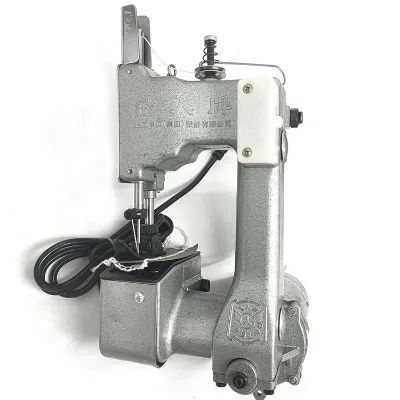


3 Portable Mini Handheld Sewing Machines
$0.40 - $0.50
MOQ: 210 Pieces
Jinhua Hengyang Cross-Border Trade Limited Liability Company


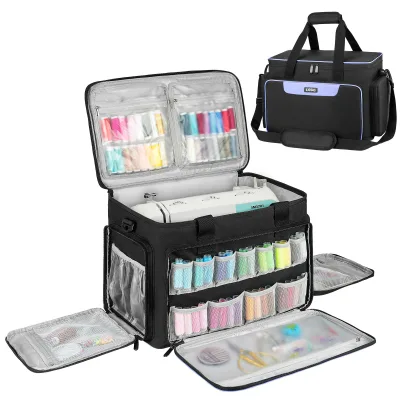
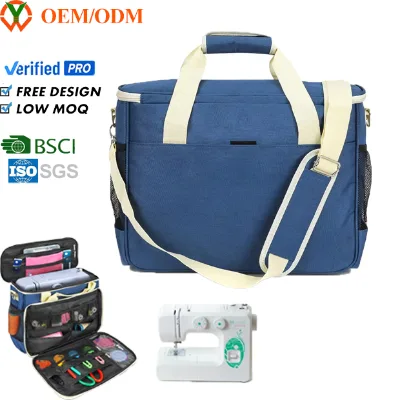

Farthest Supplies Automatic Sewing Line Portable Bags Sewing Machines
$1500.00 - $2000.00
MOQ: 1 Pieces

Comprehensive Sourcing Guide
Portable Durable Sewing Machine Bag Sourcing Guide
Sourcing a Portable Durable Sewing Machine Bag requires balancing protective integrity with logistical flexibility. Buyers must evaluate how well the bag shields equipment from impact, moisture, and abrasion during transit. The primary objective is to ensure that the sewing machine remains operational and undamaged upon arrival at the destination, whether for industrial use or personal projects. This guide outlines the critical factors for selecting the right protective case, focusing on material composition, structural design, and supplier reliability.
Procurement teams should prioritize bags that offer customizable dimensions to fit specific machine models. The market offers various configurations, from compact travel cases to larger storage solutions designed for heavy-duty industrial units. Understanding the specific needs of the end-user, such as gym, work, outdoor, or travel applications, helps narrow down the options. A well-chosen bag not only protects the asset but also enhances the user experience by providing organized storage for accessories and tools.
Product Scope and Observed Listing Signals
The current market presents a diverse range of sewing machine bags, with observed prices spanning from $0.40 to over $54,000 USD. This wide variance reflects differences in material quality, brand reputation, and included features. Buyers should note that the minimum order quantity (MOQ) typically ranges from 1 to 1,000 units, allowing for both sample testing and bulk procurement. High customization availability is a key signal, indicating that suppliers can tailor bags to specific branding or functional requirements.
Observed product attributes highlight a strong emphasis on durability and versatility. Many listings feature waterproof materials, medium-soft hardness for cushioning, and unisex designs suitable for various users. Common colors include grey, and the bags are often described as horizontal in appearance. These signals suggest that buyers should look for products that combine robust external shells with soft, protective interiors to prevent scratches and dents on delicate machine surfaces.
Technical Specifications to Verify
Verifying internal material composition is crucial for ensuring long-term protection. Listings indicate the use of nylon and polyester as primary inside materials, which offer excellent resistance to wear and tear. Buyers should confirm the exact thickness and density of these fabrics to ensure they provide adequate shock absorption. Additionally, the external structure should be evaluated for its ability to maintain shape under load, preventing collapse that could expose the machine to impact.
Dimensional accuracy is another critical technical specification. Standard sizes observed include 13.5 x 11 x 13.5 inches and 18.1 x 9.4 x 12.2 inches, catering to different machine footprints. Buyers must match these internal dimensions to their specific sewing machine models to ensure a snug fit. Overly spacious bags may allow movement during transit, while overly tight bags may stress the machine’s casing. Verifying these measurements against the machine’s manual is a essential step in the selection process.
Compliance and Safety Documentation
Quality standards play a significant role in the safety and longevity of sewing machine bags. Products are often certified to reach RoHS standards and are PVC and PFC-free, ensuring they are safe for both users and the environment. Buyers should request documentation to verify these claims, as non-compliant materials can degrade over time and release harmful substances. Compliance with these standards also indicates a higher level of manufacturing discipline and quality control.
Certifications such as CE mark the adherence to European health, safety, and environmental protection standards. While primarily associated with machinery, these certifications can also reflect the overall quality of the supply chain. Buyers should ensure that the bag’s materials and construction methods align with these regulatory requirements. This is particularly important for businesses operating in regulated markets, where non-compliant products can lead to legal and reputational risks.
Cost Drivers and Commercial Terms
Several factors influence the final cost of a sewing machine bag, including material selection, customization level, and order volume. High-quality nylon and polyester fabrics, along with reinforced stitching, contribute to higher unit costs. Customization options, such as logo printing or specific color matching, can also increase the price. Buyers should analyze the total cost of ownership, considering durability and protection levels, rather than focusing solely on the initial purchase price.
Commercial terms, including MOQ and lead times, are critical for supply chain planning. Typical MOQs are around 500 pieces for sewing machine bags, with sample times ranging from 5 to 7 days. Delivery times can be as short as 7 days for standard orders. Buyers should negotiate these terms to align with their production schedules and inventory needs. Understanding these commercial dynamics helps in budgeting and avoiding unexpected delays or costs.
Supplier Qualification and Quality Control
Supplier qualification is essential for ensuring consistent product quality. Buyers should verify the supplier’s origin, with many reputable manufacturers located in Quanzhou and Shijiazhuang, China. These regions are known for their expertise in textile and bag manufacturing. Evaluating the supplier’s production capacity, quality control processes, and past performance is crucial for establishing a reliable partnership.
Quality control measures should include regular inspections of materials and finished products. Buyers should request samples to assess the bag’s construction, including stitching quality, zipper durability, and padding effectiveness. Implementing a robust quality control plan, such as pre-shipment inspections, helps identify and rectify defects before delivery. This proactive approach minimizes the risk of receiving substandard products and ensures customer satisfaction.
Long-Term Procurement Checks
Long-term procurement success depends on continuous monitoring of supplier performance and product quality. Buyers should establish key performance indicators (KPIs) to track delivery times, defect rates, and customer feedback. Regular audits and reviews help identify areas for improvement and ensure that suppliers remain aligned with business objectives. Building a strong relationship with suppliers fosters collaboration and innovation, leading to better products and services.
Adapting to market changes and evolving customer needs is vital for sustained success. Buyers should stay informed about industry trends, such as new materials or design innovations, to remain competitive. Flexibility in sourcing strategies, including diversifying suppliers and exploring new markets, helps mitigate risks and capitalize on opportunities. By maintaining a proactive and strategic approach, buyers can ensure the long-term viability and success of their sewing machine bag procurement.
FAQs
What sizes do the portable durable sewing machine bags come in?
Listed sewing machine bag models come in several sizes, including 13.5 x 11 x 13.5 inches for model EESMB-03, 18.1 x 9.4 x 12.2 inches for model EESMB-01, and 16.93 x 7.48 x 12.01 inches for model EESMB-06. Buyers should measure their machine, including any attachments, and compare it against these dimensions before selecting a model to ensure a proper fit.
Can the sewing machine bags be customized for my brand?
Yes, customization is available for the sewing machine bags according to the listed product attributes. The standard sample time is 5 to 7 days for a sewing machine bag, and the typical minimum order quantity is 500 pieces. Buyers planning custom colors, logos, or materials should confirm artwork requirements and any cost impact with the supplier before sampling.
What materials are used in these sewing machine bags?
The bags list nylon or polyester as the inside material, with a medium-soft hardness and waterproof construction. They are produced under quality standards described as Reach and RoHS compliant and PVC and Pfc-free. These material choices support padded protection for a sewing machine during gym, work, outdoor, and travel use, though exact outer fabric composition should be confirmed per model.
How are the bags packed for shipping?
The sewing machine bags are packed one in a poly bag with several pieces in one carton, which protects each unit while keeping carton counts manageable for freight. The bag sewing machines are packed differently, either in a wooden box or in cartons depending on the model. Buyers should confirm carton dimensions and gross weight with the supplier to calculate shipping costs accurately.
What is the minimum order quantity and lead time for these products?
The sewing machine bags carry a stated MOQ of 500 pieces, with a sample time of 5 to 7 days. The bag sewing machines list a delivery time of 7 days, and one machine model states a 220V voltage and CE certification. Because MOQ ranges across the broader catalog span from 1 to 1000, buyers should verify the exact quantity terms for each specific product.
Are these bags suitable for purposes beyond carrying a sewing machine?
Yes, the listed bags are described as suitable for the gym, work, outdoor activities, and travel, and they are unisex in grey color with a horizontal appearance. Their waterproof, medium-soft construction makes them versatile enough to protect other equipment as well. Buyers seeking a multipurpose carrying case can still benefit from the padded interior designed for a sewing machine.